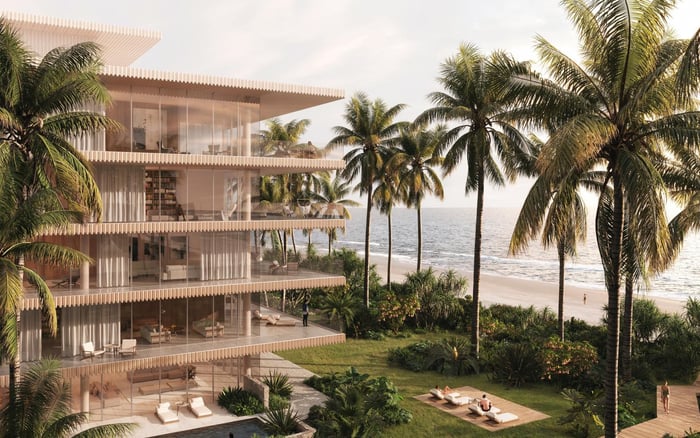
A buyer-focused examination of Shorecrest Flagler Drive West Palm Beach and the ownership questions that should be resolved before contract review, from waterfront rights and common elements to association costs, resilience exposure, and exit risk.
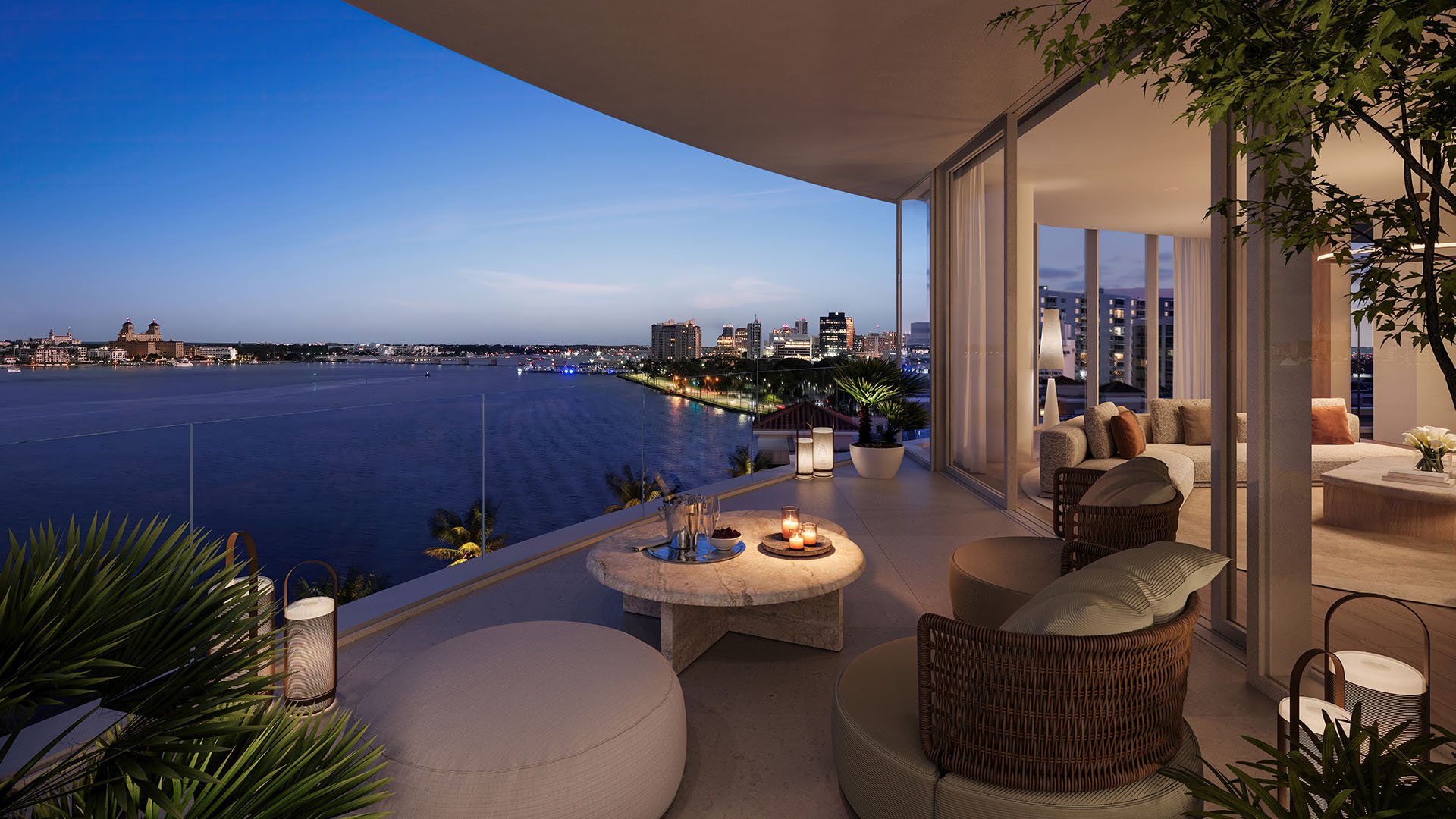
On Flagler Drive, the view is often the first seduction. The more consequential question, before contract review begins, is what the buyer is actually acquiring. In the context of Shorecrest Flagler Drive West Palm Beach, ownership analysis should move beyond finish packages and skyline photography to the legal architecture beneath the purchase.
A luxury residence may convey a unit, a land interest, rights in common elements, rights to limited common elements, access to amenities, a particular view corridor, water-related rights, or some combination of these. Those categories are not interchangeable. A residence may feel waterfront from the living room while the legal rights attached to the parcel, shoreline, dockage, or submerged land are more limited than the marketing language suggests.
The most valuable pre-contract work is not adversarial. It is clarifying. A buyer who knows precisely what is being purchased can ask counsel to review the contract against a defined set of rights, restrictions, cost exposures, and exit considerations.
Waterfront property along the Intracoastal corridor carries a premium because it is both visual and emotional. Yet waterfront ownership must be tested through documents, not assumptions. The distinction between a water view, physical waterfront access, shoreline rights, dockage, and riparian rights can materially change the ownership profile.
A water view may be extraordinary, but it is not the same as a recorded right. Buyers should ask whether any public land, promenade, roadway, municipal-controlled area, or other intervening property sits between the private parcel and the Intracoastal Waterway. If there is separation, the buyer should understand who controls that land, whether access is private or public, and whether any claimed water-related benefit is enforceable.
This is especially important where the residence is part of a broader condominium or association structure. Dockage, shoreline improvements, seawalls, and water-access claims should be verified through title work, surveys, declarations, plats, permits, and counsel review. If a benefit is important enough to affect value, it should be visible in the legal record.
Flagler Drive is not a single ownership model. The corridor can involve condominium-style ownership, older declarations, cooperative-style structures, or fee-simple configurations nearby. That distinction is not merely technical. It determines who controls common areas, who pays for maintenance, how assessments may be imposed, and how future improvements are approved.
For condominium buyers, the governing documents deserve close reading. The declaration, bylaws, rules, budget, reserve schedule, insurance framework, and meeting history can reveal how responsibility is allocated for common elements, limited common elements, amenities, repairs, and capital needs. A terrace, balcony, parking space, storage area, lobby, pool deck, fitness area, or waterfront improvement may be owned, assigned, licensed, or shared in different ways.
The same lens applies when comparing West Palm Beach offerings such as Forté on Flagler West Palm Beach and Alba West Palm Beach. Buyers should not assume that similar geography produces similar rights. Two residences can share an Intracoastal orientation while operating under very different ownership documents.
Luxury buyers often focus on purchase price, but the ownership experience is shaped by carrying costs. Along the water, seawall responsibility can be particularly important. Maintenance, reinforcement, replacement, or future elevation work may become a direct owner obligation, an association obligation, or a shared cost depending on the structure.
The same is true for broader resilience exposure. Storm surge, insurance costs, construction-cost inflation, and coastal adaptation can influence long-term ownership economics. A polished lobby does not eliminate the need to understand reserves, deferred maintenance, insurance assumptions, repair obligations, and the association’s authority to levy assessments.
Before contract review, buyers should ask for a practical cost map. Who is responsible for structural repairs? Which elements are common, limited common, or individually maintained? Are projected budgets based on stabilized operations, early developer estimates, or owner-controlled history? Are reserves being funded in a way that matches the property’s risk profile? These questions are not pessimistic. They are the vocabulary of intelligent luxury ownership.
For newer or pre-construction luxury projects, the transition from developer control to owner control is a central diligence point. Amenity promises, projected budgets, service standards, and maintenance assumptions may look clean in early materials, but the operating reality becomes clearer when control shifts and owners inherit the long-term structure.
Buyers evaluating West Palm Beach residences such as South Flagler House West Palm Beach or Mandarin Oriental Residences, West Palm Beach should treat the contract as the second step, not the first. The first step is to understand the ownership package: the unit, the amenities, the service structure, the budget assumptions, the control timeline, and the documents that will govern daily life after closing.
New-construction buyers should pay particular attention to how amenities are owned and paid for. A private dining room, spa facility, marina-adjacent experience, or landscaped arrival sequence may carry different legal and cost implications depending on whether it is part of the condominium, licensed from another entity, shared with another component, or subject to future rules.
The West Palm Beach side of Flagler Drive has its own governance, zoning, density, and urban lifestyle context. It should not be evaluated as a proxy for Palm Beach Island, even when the view across the water creates a visual connection. Ownership expectations can differ significantly when the setting is more urban, more vertical, and more intertwined with municipal corridors and public waterfront edges.
That distinction matters for buyers who prioritize privacy, walkability, valet operations, arrival sequencing, service staffing, and ease of exit. A residence may offer a compelling waterfront posture while still being subject to urban patterns of traffic, public access, municipal oversight, or neighboring development. None of these are necessarily drawbacks. They simply belong in the ownership analysis before the contract is marked up.
A contract can only protect what the buyer has identified as material. If water access is central, contract review should reflect that. If a particular amenity, assessment risk, reserve position, or limited common element matters, counsel should have the documents and questions needed to address it.
The strongest buyers enter contract review with a disciplined checklist: title, survey, declaration, budget, reserves, insurance, minutes, rules, developer disclosures where applicable, seawall obligations, shoreline rights, dockage rights, and any recorded or unrecorded use arrangements. The objective is not to slow the purchase. It is to avoid discovering, after signing, that the lifestyle being purchased differs from the legal estate being conveyed.
What is the first ownership question at Shorecrest Flagler Drive West Palm Beach? The first question is what the buyer is actually acquiring, including the unit, land interest, common elements, amenities, views, and any water-related rights.
Is a water view the same as waterfront ownership? No. A water view is a visual condition, while waterfront or riparian rights must be supported by recorded documents and legal review.
Why does Flagler Drive require special diligence? The corridor’s Intracoastal orientation can involve views, public edges, roadways, municipal-controlled areas, and varying forms of private ownership.
What should condominium buyers review before contract review? Buyers should review the declaration, bylaws, rules, budget, reserves, insurance framework, common elements, limited common elements, and assessment authority.
Why does seawall responsibility matter? Seawall maintenance, reinforcement, replacement, or elevation work can materially affect owner or association costs over time.
Are dockage or shoreline rights automatic near the Intracoastal? No. Dockage, submerged land rights, shoreline improvements, and water-access claims should be verified through documents, title, surveys, and counsel.
How do older ownership structures affect diligence? Older declarations, cooperative-style structures, or fee-simple configurations may allocate control, costs, and usage rights differently from modern condominiums.
What is important in pre-construction review? Buyers should understand developer control, projected budgets, amenity ownership, service obligations, reserves, and the transition to owner governance.
Is West Palm Beach ownership the same as Palm Beach Island ownership? No. West Palm Beach has its own governance, zoning, density, urban lifestyle patterns, and municipal context.
Why complete ownership diligence before legal contract review? Prior diligence helps counsel align contract terms with the buyer’s real rights, restrictions, cost exposure, and future resale risk.
For a confidential assessment and a building-by-building shortlist, connect with MILLION.
If branded residences are on your mind — as a home or as an allocation — we would be glad to share what we are seeing, privately.
Begin a quiet conversation