A discreet, buyer-focused guide to the title questions that matter before acquiring waterfront luxury real estate in Palm Beach Gardens, with emphasis on access, recorded rights, survey alignment, liens, docks, and resale confidence.
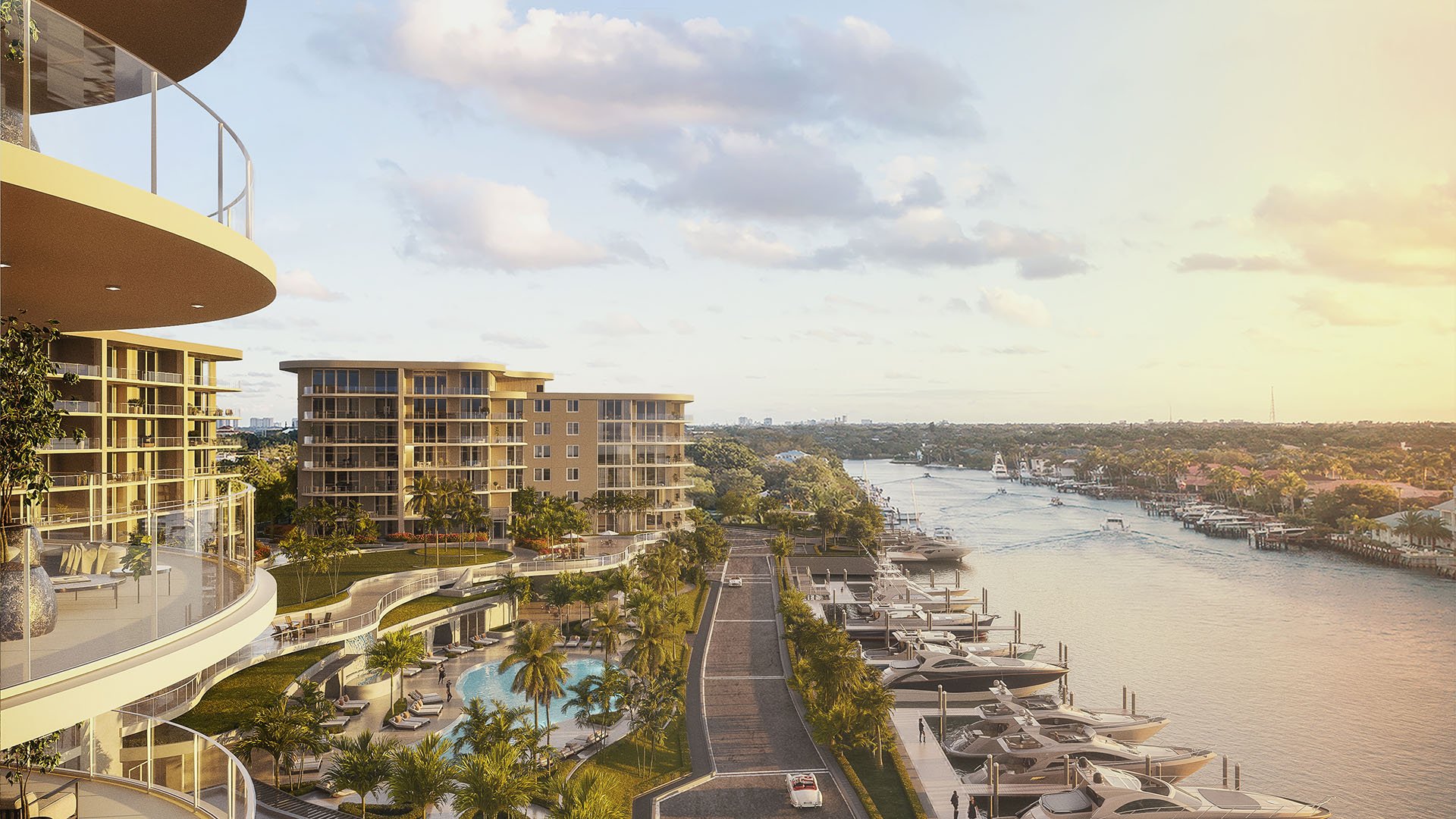
In Palm Beach Gardens, waterfront luxury real estate is often acquired for qualities that are not fully visible in a walk-through: privacy, dockage, water access, view corridors, and the quiet confidence that the property can be enjoyed as expected. Title review is where those expectations meet the recorded record.
A polished residence may present beautifully, but the title commitment, survey, recorded easements, and closing documents reveal the legal architecture beneath the lifestyle. For a buyer evaluating a canal-front estate, a residence near a marina, or a condominium with curated water access, the essential question is not simply whether title can be insured. It is whether the exceptions, restrictions, and recorded rights align with the way the buyer intends to live.
That distinction matters in the upper tier. At projects such as The Ritz-Carlton Residences® Palm Beach Gardens, purchasers are not only buying square footage. They are evaluating a complete waterfront experience, including access, service, maintenance, privacy, and the quality of the surrounding environment. Title review should be approached with the same level of refinement.
The first question in any title review is deceptively simple: what estate, parcel, or unit is being insured? For a single-family waterfront home, that means confirming the legal description, ownership interest, and any parcels or appurtenant rights expected to transfer. For a condominium, it means understanding the unit, any assigned or deeded parking, storage, dock rights, use rights, and the governing documents that define the owner’s privileges.
Buyers should ask the title professional and real estate attorney to explain the difference between insured ownership and practical use. A boat slip may be deeded, assigned, licensed, leased, or governed by association documents. Each structure carries different implications for transferability, control, cost, and resale. The same applies to water access, private pathways, seawall maintenance obligations, and shared facilities.
The goal is to avoid vague comfort. A luxury buyer should leave title review knowing exactly what is owned, what is merely used by permission, what can be transferred, and what could change after closing.
Many title commitments include exceptions. Some are ordinary. Others deserve close attention because they can shape privacy, improvement rights, maintenance burdens, or future marketability. Waterfront buyers should ask for a plain-language explanation of each exception rather than accepting recorded instruments as background noise.
Key questions include: does any easement allow another party to cross, maintain, access, drain, or service a portion of the property? Do utility, drainage, access, or conservation-related rights affect the area near the water? Are there recorded covenants that limit exterior changes, docks, seawalls, lifts, landscaping, lighting, or rentals? Are there unpaid liens, open permits, judgments, mortgages, assessments, or association charges that must be cleared before closing?
For buyers comparing Palm Beach Gardens with nearby waterfront markets, the same discipline applies. A residence such as Alba West Palm Beach may involve a different ownership structure than a private estate, yet the title questions remain elegant in their consistency: what rights are included, what limitations are recorded, and what obligations will survive closing?
On waterfront property, the survey is not a decorative closing attachment. It is the spatial counterpart to title. It helps reconcile the legal description with visible improvements, boundary lines, encroachments, easements, fences, walls, driveways, docks, seawalls, and other site features.
A buyer should ask whether the survey is current, whether it reflects existing improvements, and whether the title insurer will delete or modify standard survey exceptions based on an acceptable survey. The review should address whether any improvements appear outside the boundary, whether neighboring improvements intrude, and whether recorded easements align with what exists on the ground.
The water’s edge deserves particular attention. Title review should not assume that a beautiful lawn, dock, or seawall automatically sits within unencumbered ownership. The buyer’s team should explain what the recorded documents and survey collectively show, and where additional legal, engineering, or permitting review may be prudent.
Waterfront luxury is often defined by the elements that frame the residence: the seawall, dock, lift, slip, shoreline, and access route. Each should be reviewed through both a title lens and a practical ownership lens. Ask whether any dock or slip right is referenced in the legal description, a separate instrument, condominium declaration, association document, or other agreement.
For a buyer whose lifestyle depends on boating, ambiguity is not acceptable. Ask who maintains the dock or seawall, who pays for repairs, whether any shared access exists, and whether the right can be sold, assigned, leased, or transferred with the property. Ask whether there are recorded agreements with neighbors, associations, or prior owners. Ask whether any pending or open matters could affect closing, financing, insurance, or future improvements.
This level of review is equally relevant across South Florida’s waterfront spectrum. A buyer studying Forté on Flagler West Palm Beach, a private Palm Beach residence, or a Palm Beach Gardens home with direct water orientation should evaluate whether the lifestyle promised in the presentation is supported by the recorded documents.
In luxury condominiums and planned communities, title review should include the declaration, bylaws, rules, amendments, budgets, assessments, and any documents that define owner rights. These documents can shape pets, leasing, alterations, guest access, dock use, parking, storage, staff access, and waterfront amenities.
Ask whether there are pending amendments, special assessments, resale approval requirements, right-of-first-refusal provisions, transfer fees, or use restrictions. Ask whether any waterfront amenity is owned by the association, a private club, a separate entity, or individual owners. Ask whether membership is mandatory, optional, transferable, or subject to separate approval.
The most valuable review is not merely legal. It is practical. If a buyer intends to renovate, entertain, house staff, keep multiple vehicles, use a vessel, or maintain a second-home rhythm, the documents should be read against that lifestyle. Waterfront and waterview ownership often carries elevated expectations, and those expectations should be tested before the deposit becomes vulnerable.
A sophisticated buyer does not wait until the eve of closing to understand title. Title findings can influence price, contract terms, closing timing, escrow arrangements, seller obligations, and post-closing comfort. If an issue arises, the question is whether it can be cured, insured over, accepted with context, or addressed through a closing condition.
Buyers should ask their counsel which matters are standard, which are curable, which require seller action, and which may affect long-term value. A minor utility easement may be routine. A vague waterfront use right, unresolved lien, encroachment, or limitation on dock transferability may deserve sharper scrutiny.
In refined markets such as Palm Beach and West Palm Beach, presentation often moves faster than documentation. Residences such as Palm Beach Residences appeal to buyers who value discretion and setting, but even the most elegant acquisition benefits from a rigorous title conversation. Luxury is not only what is seen. It is what can be relied upon after closing.
Before removing contingencies or moving toward closing, a waterfront buyer should be able to answer several core questions. What exactly am I acquiring? What rights touch the water, dock, slip, access, parking, storage, and common facilities? What exceptions will remain on the title policy? Which recorded restrictions affect improvements, leasing, exterior changes, or boating use? Does the survey support the same story as the title commitment? Are there open liens, assessments, permits, or obligations that must be resolved? What matters will survive closing, and how will they influence resale?
The best title review does not make a purchase feel smaller. It makes the decision feel more certain. In Palm Beach Gardens, where waterfront living is as much about ease as elegance, that certainty is one of the quietest luxuries a buyer can acquire.
What is the first title question for a Palm Beach Gardens waterfront buyer? Ask what property interest is being insured and whether it includes all expected rights, such as dock, slip, access, parking, or storage rights.
Is a title commitment enough without a survey? Not usually for a careful waterfront purchase. A survey helps connect the legal description to the physical property and visible improvements.
Why do easements matter so much on waterfront property? Easements can affect access, utilities, drainage, maintenance, privacy, or use of areas near the water, even when they are not obvious during a showing.
Should a buyer ask about dock ownership separately? Yes. Dock or slip rights may be deeded, assigned, licensed, leased, or governed by association documents, and each structure carries different implications.
Can title review reveal unpaid obligations? Yes. The process can identify liens, mortgages, judgments, assessments, or other recorded matters that may need to be cleared before closing.
Do condominium documents belong in title review? Yes. Declarations, bylaws, rules, amendments, and related documents can define what an owner may use, alter, lease, or transfer.
What should buyers ask about seawalls? Ask who maintains them, who pays for repairs, whether obligations are shared, and whether any recorded agreements affect responsibility.
Can title exceptions affect resale value? They can. Exceptions that limit use, create uncertainty, or affect access may become meaningful to future buyers, lenders, or insurers.
When should title review begin? It should begin early enough for counsel to identify issues, request cures, negotiate protections, or advise whether a matter is acceptable.
Is title review a substitute for legal advice? No. Title review should be coordinated with qualified counsel, especially when waterfront rights, associations, docks, or unusual exceptions are involved.
For a tailored shortlist and next-step guidance, connect with MILLION.
If branded residences are on your mind — as a home or as an allocation — we would be glad to share what we are seeing, privately.
Begin a quiet conversation