A collector-minded look at The Delmore Surfside, focusing on private-gallery living, art-aware interiors, due diligence and the design questions sophisticated buyers should verify before treating a residence as a serious canvas.
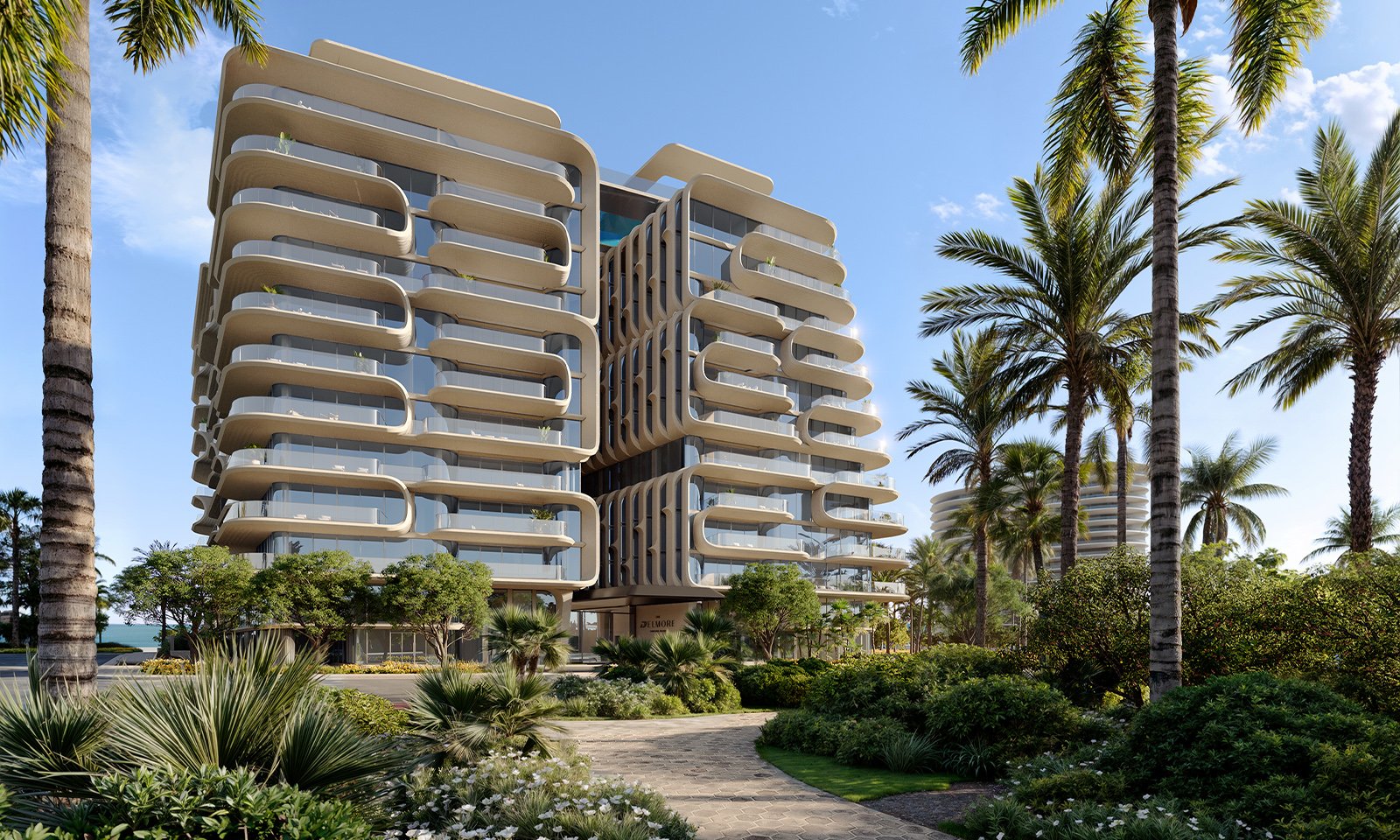
For a certain South Florida buyer, a residence is no longer judged only by its view, finishes or address. It is judged by how gracefully it can hold a life of objects: paintings, sculpture, collectible design, photography, books, textiles and commissioned pieces that require space, discretion and long-term planning. Through that lens, The Delmore Surfside becomes especially interesting.
The project sits within Surfside’s luxury oceanfront residential market, where privacy and coastal refinement can matter as much as spectacle. For art collectors and interior designers, the more relevant question is not whether a building announces itself as a gallery. It is whether the residence could become one, once the owner, designer, art adviser, lighting consultant and building team have verified the practical conditions.
That distinction is essential. The Delmore Surfside should be evaluated for its design potential, not through assumptions about museum-grade infrastructure. Serious buyers should confirm technical details before planning significant installations, particularly where valuable or sensitive works are involved.
A collector-friendly residence begins with proportion. Wall runs, ceiling heights, structural transitions, window placement and circulation paths determine what can be installed, where it can be seen and how a room can breathe around it. In an oceanfront residence, glazing is a luxury, but it also raises questions about glare, ultraviolet exposure and the balance between view and conservation.
At The Delmore Surfside, collectors may want to study how principal living areas, arrival sequences and private corridors could support rotating displays. A generous entry may suit a single powerful work. A quieter hall may accommodate photography or works on paper if light exposure can be managed. A living room with strong sightlines may allow art to interact with the oceanfront setting, while more intimate rooms may better serve pieces that benefit from controlled illumination.
The most successful private collections in residential settings rarely feel like showrooms. They feel edited, lived-in and intentional. That is where The Delmore’s appeal may lie for buyers who want a home that can absorb art without forcing the collection to compete with the architecture.
For Design & Architecture professionals, a residence like The Delmore Surfside may read as a promising canvas for a highly tailored interior. The opportunity could include custom millwork, integrated lighting scenes, specialized wall treatments, concealed hanging systems, built-in display niches or flexible furniture plans that allow a collection to evolve.
Yet customization is never only a creative question. It is also a governance question. Designers and buyers should verify alteration rights, approval processes, construction rules, building access protocols and any limits on penetrations, electrical work or ceiling modifications. If a future owner envisions large-scale sculpture, heavy wall-mounted works or specialty lighting, those plans should be discussed early with the appropriate project and building representatives.
New-construction buyers sometimes assume a blank slate is automatically flexible. In practice, the best outcomes come from aligning the design brief with project documents long before installation day. That is especially true when art, insurance requirements and building operations intersect.
Oceanfront living is emotionally powerful because it brings horizon, air and reflection into daily life. For collections, those same qualities require discipline. Glare can alter how a painting is perceived. Direct sun can affect certain materials. Large glass exposures may influence temperature consistency. Coastal humidity and salt air make HVAC stability and interior detailing worth careful review.
The Delmore Surfside may appeal to buyers who want the serenity of Surfside with the ability to create a layered, art-aware home. But before placing significant works, collectors should ask specific questions: How will window treatments manage light? Are there opportunities for layered lighting scenes? Can HVAC performance support stable interior conditions? Are there locations within the residence that offer reduced exposure for more sensitive pieces?
These are not minor details. They determine whether a home can host art beautifully for a season, or responsibly for years.
Surfside offers a quieter frame than the broader Miami conversation. Its appeal is coastal, residential and deliberately refined. Buyers considering The Delmore Surfside may also be familiar with other Surfside addresses, including Ocean House Surfside, Arte Surfside and The Surf Club Four Seasons Surfside, each part of the area’s luxury residential landscape. The point is not to rank them here, but to recognize Surfside as a market where architecture, privacy and proximity to the water carry unusual weight.
For collectors, that discretion can be valuable. A residence that does not feel overly theatrical may allow art and design to take the lead. A well-planned Surfside home can be both retreat and salon, equally suited to quiet mornings, private viewings and carefully hosted evenings.
Before treating The Delmore Surfside as a collector’s residence, buyers should verify the operational details that determine what is feasible. Elevator dimensions matter for large works. Delivery access matters for crates, installers and conservation teams. Building rules matter for drilling, hanging, staging and after-hours work. Insurance requirements may affect how art is transported, stored temporarily and installed.
Lighting should be evaluated beyond simple brightness. Collectors should ask how natural and artificial light can be layered, dimmed and directed. Designers should consider whether wall surfaces can accommodate specific hanging systems and whether art can be protected during future maintenance or renovations.
Privacy is another form of infrastructure. A significant collection benefits from controlled access, thoughtful circulation and a plan for service personnel. The most elegant collector residences make logistics invisible, but they achieve that invisibility through planning, not assumption.
The Delmore Surfside is likely to appeal to buyers who see a residence as an authored environment. That owner may not want a purely decorative apartment. They may want a home where architecture, furniture, art and the oceanfront setting are composed as one continuous experience.
A designer might approach the residence by mapping zones: public rooms for statement works, quieter rooms for contemplative pieces, protected locations for sensitive media and flexible areas for future acquisitions. The resulting home could feel less like a conventional luxury condo and more like a private collection in residential form.
The same thinking may resonate with buyers who study branded, architectural or design-forward residences across South Florida, from Fendi Château Residences Surfside to other highly finished coastal properties. Still, The Delmore’s collector appeal will depend on verified spatial, technical and service details. The right question is not simply “Is it beautiful?” It is “Can it support the way this owner lives with art?”
For the ultra-premium buyer, art compatibility is part of a broader lifestyle calculation. The best residence is not the one with the most claims. It is the one whose proportions, controls, privacy and rules can be aligned with the owner’s intentions.
The Delmore Surfside may suit collectors and designers precisely because it invites that level of scrutiny. It can be read as a contemporary Surfside residence with the potential for private-gallery living, provided the buyer verifies the technical conditions that serious collections deserve.
Is The Delmore Surfside specifically marketed as an art collector building? Buyers should not assume specialized collector infrastructure unless it is confirmed in project documents. The safer lens is design potential and careful verification.
What should art collectors examine first? Wall space, ceiling heights, glazing, light control, privacy and HVAC stability should be reviewed before planning major installations.
Can designers customize interiors at The Delmore Surfside? The residence may interest designers as a custom canvas, but alteration rights and approval procedures should be verified in writing.
Is museum-grade lighting confirmed? Museum-grade lighting should not be assumed. Buyers should ask what lighting systems, dimming capabilities and controls are available or permissible.
Why does oceanfront exposure matter for art? Oceanfront homes can introduce strong light, glare and climate considerations. Window treatments, UV strategies and stable cooling should be assessed.
Should buyers ask about elevator dimensions? Yes. Large paintings, sculpture and crated works require practical delivery paths, elevator capacity and clear building access rules.
How important is privacy for a collection? Privacy can be essential, especially for high-value works. Controlled access and discreet service circulation help protect both owners and objects.
Does Surfside suit design-focused buyers? Surfside can appeal to buyers seeking a refined coastal setting with a residential character. The area supports a quieter luxury sensibility.
Can The Delmore Surfside work for rotating collections? It could, if the residence offers suitable wall conditions, lighting flexibility and installation permissions. Buyers should verify those points before purchase.
What is the main takeaway for collectors? The Delmore Surfside may be compelling as a private-gallery residence, but its suitability depends on confirmed spatial, technical and operational details.
If you'd like a private walkthrough and a curated shortlist, connect with MILLION.
If branded residences are on your mind — as a home or as an allocation — we would be glad to share what we are seeing, privately.
Begin a quiet conversation