A buyer-oriented view of why private or effortless beach access remains a defining luxury real estate attribute in South Florida, shaping daily life, underwriting discipline, and long-term ownership strategy.
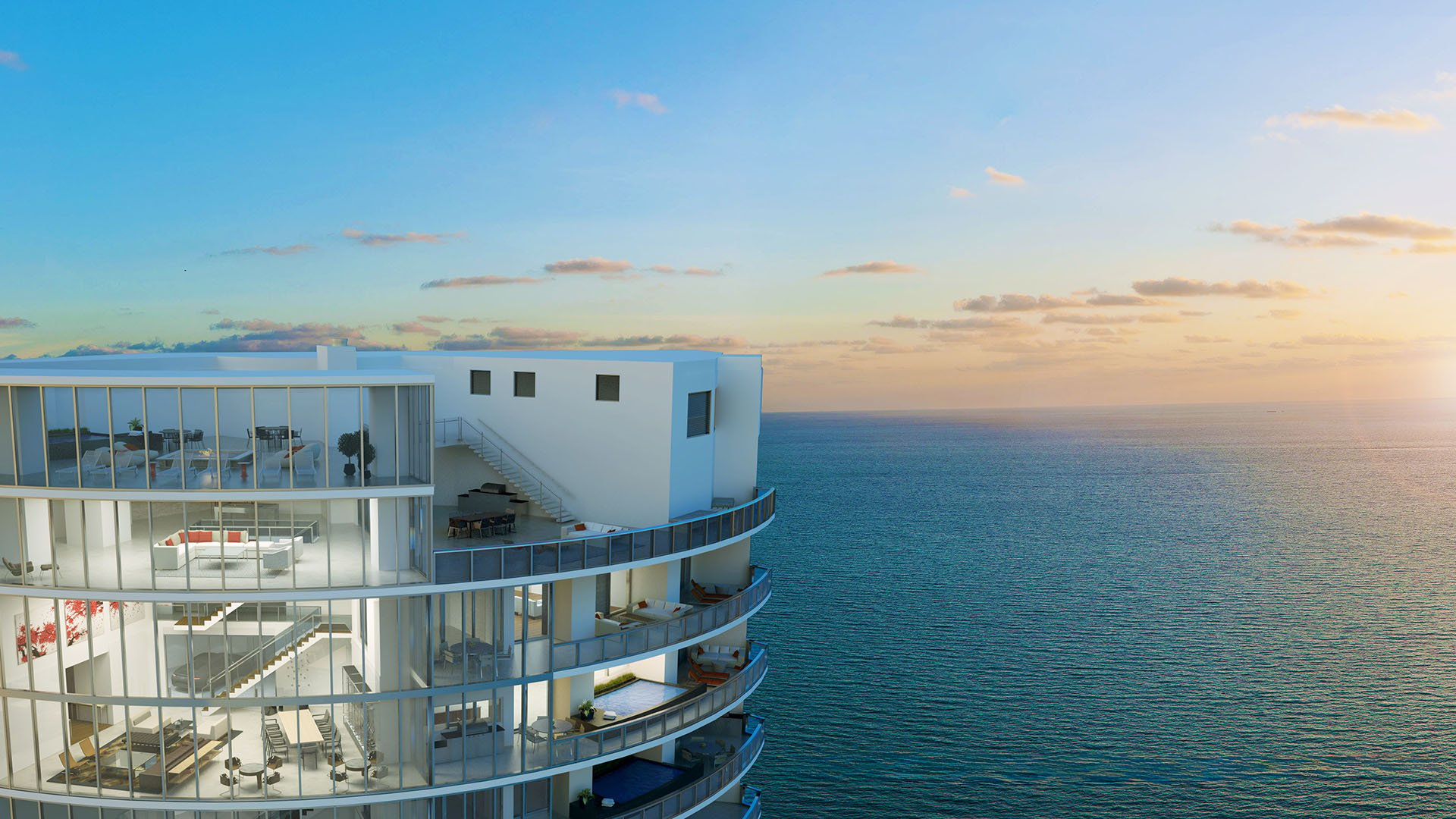
For South Florida’s luxury buyer, beach access is not a postcard feature. It is a daily operating system. It shapes how mornings begin, how guests are hosted, how children and pets use a residence, and how naturally a second home enters the family rhythm. In 2026, the sharper question is not whether the view is beautiful. It is whether the property makes the beach feel private, immediate, and genuinely usable.
That distinction matters. A residence can sit near the sand without delivering the quiet choreography discerning owners expect. The highest-functioning beach-access properties solve for arrival, shade, storage, service, security, and the simple pleasure of leaving the elevator without planning an outing. They compress time. They remove friction. They turn a natural asset into a daily privilege.
The balance-sheet case follows the lifestyle case. When an attribute is both emotionally compelling and difficult to replicate, it becomes central to ownership strategy. Beach access belongs in that category. It is not merely an amenity line on a brochure. It is a form of protected utility, especially when paired with architecture, privacy, wellness programming, and a location that supports life beyond the shoreline.
Beach access buys time, and time is the luxury most owners are trying to protect. It allows a resident to swim before calls, walk at dusk without logistics, and host guests without turning leisure into transportation. In a primary residence, that ease can shape daily wellness. In a second home, it can determine whether the property is truly used or simply visited.
This is why buyers should look beyond proximity. The evaluation should include how one moves from residence to sand, whether the path feels calm, whether beach service is intuitive, and whether the building’s public spaces support the same level of discretion as the private home. A beautiful lobby matters less if the beach experience feels congested or improvised.
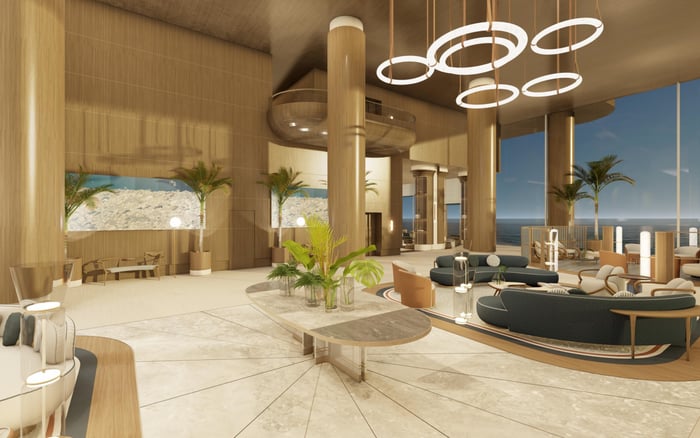
In Miami Beach, 57 Ocean Miami Beach speaks to the appeal of residences where the ocean is not an occasional excursion but part of the everyday setting. The most successful ownership experiences make that transition feel natural, from morning routines to late-afternoon returns.
On a balance sheet, beach access should be evaluated as an attribute that can support durable demand. It is not a guarantee of performance, and sophisticated buyers should resist any simplistic assumption that sand alone protects value. The more precise view is that beach access can strengthen an asset when paired with quality, livability, strong design, and a location that remains desirable across market cycles.
The underwriting question is practical: if the market becomes more selective, what will make this residence easier to own, easier to enjoy, and easier to explain to the next buyer? A direct relationship to the beach can help answer that question, but only when the rest of the property supports the promise. Floor plan, outdoor space, building condition, privacy, parking, services, and neighborhood context all matter.
Investment discipline in this category requires separating emotional pull from structural advantage. A dramatic view may create the first impression. Usable access, thoughtful maintenance, and a building culture aligned with quiet luxury are what often sustain the ownership experience. The best buyers do not simply pay for the Atlantic. They pay for the controlled way the Atlantic enters daily life.
The modern beach-access buyer is increasingly focused on the moments between the residence and the water. Is there a graceful place to pause? Is there a sense of privacy when returning from the beach? Are towels, loungers, showers, and storage handled with the polish expected at this price point? These details may seem operational, but they define whether a property feels complete.
South Florida’s most compelling coastal addresses understand that the beach is both public landscape and private ritual. The residence must create a threshold between the two. That threshold may be architectural, landscaped, serviced, or simply well-managed. When it works, owners feel the ease of resort living without surrendering the intimacy of home.
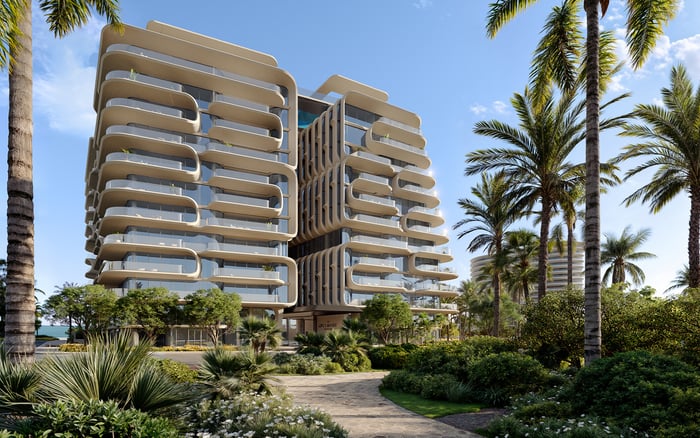
In Surfside, The Delmore Surfside reflects the continued pull of low-key coastal living for buyers who want the beach experience to feel refined rather than theatrical. Surfside remains a useful lens for this conversation because it underscores how scale, discretion, and neighborhood character can shape the perceived value of access.
Not all beach access serves the same owner profile. Miami Beach often appeals to buyers who want cultural energy, dining, design, and the sea in one ownership proposition. Sunny Isles tends to attract those who prioritize vertical views, full-service living, and a more resort-like residential rhythm. Surfside offers another register entirely, with a quieter sense of coastal privacy.
That is why the right answer is rarely “beachfront” in the abstract. It is beachfront for a particular life. A buyer who entertains frequently may weigh arrival and hospitality differently from a buyer seeking restoration. A family may prioritize storage, safety, and ease of movement. A collector may care more about privacy, staff circulation, and climate-controlled interiors after a day outside.
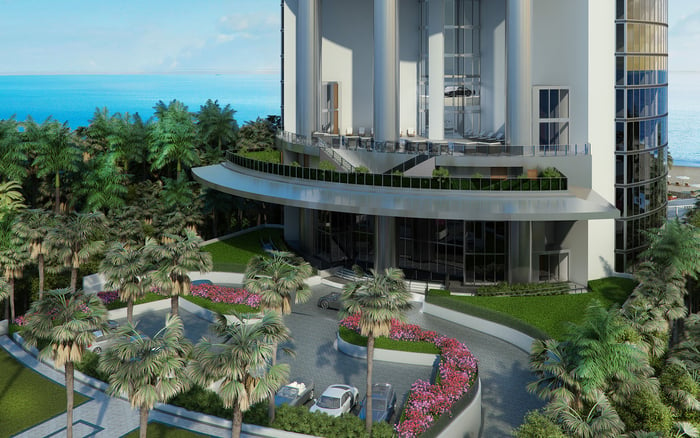
In Miami Beach, The Perigon Miami Beach sits within the broader appeal of ocean-oriented living where architecture and beach access are considered together. In Sunny Isles, Bentley Residences Sunny Isles points to a different expression of coastal luxury, one centered on branded design, height, and a highly serviced lifestyle.
A disciplined buyer should begin with use. How often will the beach matter in practice? Will the residence be occupied seasonally, full-time, or as a flexible family base? Is the owner seeking solitude, activity, wellness, entertaining, or a combination of all four? The answer changes the underwriting.
Next comes physical and operational quality. Walk the route from the residence to the sand. Study how the building handles wet returns, deliveries, guests, pets, and beach equipment. Consider whether the pool deck, fitness areas, spa spaces, and lounges complement the shoreline or merely compete with it. The best coastal properties create a sequence of experiences rather than a collection of features.
Finally, evaluate exit clarity. A future buyer should be able to understand the property’s advantage quickly. Beach access is most powerful when it is legible: a clear relationship to the water, a coherent building identity, and a lifestyle that can be described without exaggeration. In a selective market, clarity is an asset.
The strongest beach-access purchase is not made out of urgency. It is made with a calm understanding of how the residence will perform in daily life. South Florida rewards buyers who can distinguish glamour from utility. The most enduring homes are rarely the loudest. They are the ones that make exceptional living feel effortless.
For 2026, the case is therefore balanced. Beach access can justify attention, and in the right property it can justify conviction. But it should be evaluated through the same lens as any serious acquisition: quality, scarcity, usability, operating cost, privacy, and future marketability. When those elements align, the beach is no longer just a view. It becomes part of the asset.
Is beach access enough to justify a premium? Not by itself. The strongest case combines access with design quality, privacy, service, and a location that supports daily life.
Should I prioritize direct oceanfront or nearby beach access? It depends on how you live. Direct access favors immediacy, while nearby access may suit buyers who prefer neighborhood character or a different building type.
What should I inspect during a private showing? Walk the full route from residence to sand. Pay attention to privacy, service areas, storage, showers, elevators, and the return experience.
Is beach access more important for a primary home or second home? It can matter for both. Primary owners gain daily wellness, while second-home owners benefit from ease, memory-making, and reduced planning.
How does investment thinking apply to beach access? Treat access as one part of the thesis. It should support usability and future appeal, not replace disciplined review of the entire property.
Does Surfside offer a different beach-access experience? Yes. Surfside often appeals to buyers who want a quieter coastal setting with a more discreet residential atmosphere.
Why do buyers compare Miami Beach and Sunny Isles? They offer different versions of coastal luxury. Miami Beach emphasizes cultural proximity, while Sunny Isles often emphasizes height, views, and service.
Are branded residences automatically better for beach access? Not automatically. Branding can add service language and design identity, but the physical beach experience still needs to be tested.
What is the biggest mistake beach-access buyers make? Focusing only on the view. The better analysis includes the path to the beach, building operations, privacy, and long-term livability.
What is the best way to shortlist comparable options for touring? Start with location fit, delivery status, and daily lifestyle priorities, then compare stacks and elevations to validate views and privacy.
To compare the best-fit options with clarity, connect with MILLION.
If branded residences are on your mind — as a home or as an allocation — we would be glad to share what we are seeing, privately.
Begin a quiet conversation