A buyer-oriented guide to treating a South Florida second home as a flexible lifestyle asset, with attention to usage calendars, rental optionality, building rules, tax planning, and operating discipline.
For the South Florida luxury buyer, a second residence is no longer judged solely by its view, finish level, or proximity to a favorite dining room. In 2026, the sharper question is how gracefully a home moves through the owner’s calendar. A winter retreat, long-weekend base, family gathering place, remote-work setting, and selectively rented asset may all be the same address, provided the ownership structure is designed with discipline.
That is the essence of seasonal-use flexibility. It is not a promise that every property can do everything. It is the practice of choosing a residence that gives the owner more than one clear way to use it. The strongest second-home strategy begins before the contract, with a candid view of personal travel patterns, family needs, building rules, local expectations, carrying costs, and the level of privacy the owner wants to preserve.
South Florida rewards this type of planning because its appeal is not confined to a single month or a single buyer profile. A residence that works for quiet winter occupancy may also work for shoulder-season visits, guest stays, or a future transition to longer personal use. The better strategy is not maximum monetization. It is maximum optionality without compromising lifestyle.
Every second-home buyer should underwrite three calendars. The first is the owner calendar: when the family will realistically use the residence, who will come, how long they will stay, and what must be ready when they arrive. The second is the building calendar: association policies, service schedules, guest procedures, renovation windows, elevator access, and any limitations that affect occupancy or leasing. The third is the market calendar: periods when demand may feel stronger, quieter intervals when personal use may be preferable, and moments when maintenance can be handled with less disruption.
When these calendars align, the property feels effortless. When they conflict, even a beautiful residence can become administratively heavy. A buyer who expects spontaneous use should prioritize ease of arrival, secure access, reliable management, and a plan for personal belongings. A buyer who expects selective leasing should understand approval timelines and house rules before assuming income will be available exactly when desired.
The mistake is treating flexibility as an afterthought. It should be part of the acquisition brief, alongside architecture, exposure, parking, storage, terrace depth, and service culture.
A residence can appear flexible in marketing language while operating quite differently in daily life. Building rules shape what flexibility actually means. Minimum lease terms, guest registration, pet policies, service access, move-in procedures, and owner-reservation practices can all affect how easily a second home adapts to changing use.
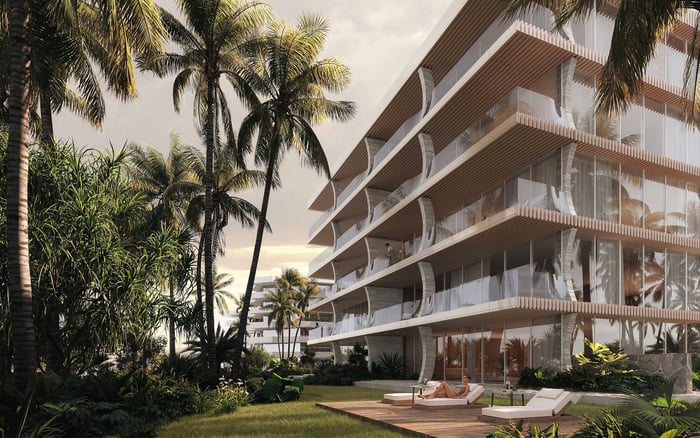
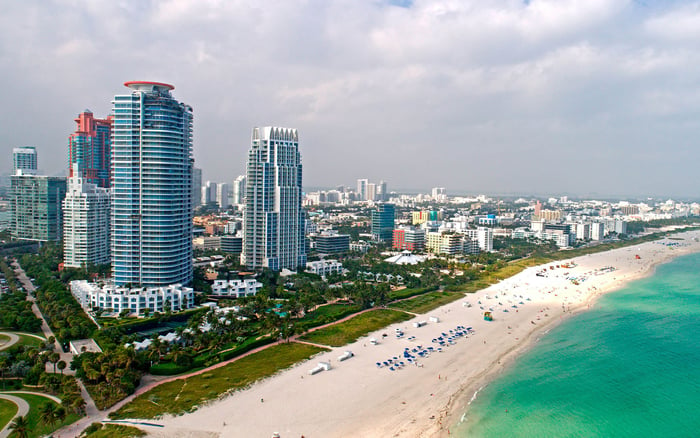
In Brickell, for example, a buyer considering St. Regis® Residences Brickell may be weighing a more urban pattern of ownership, with dinners, business meetings, airport access, and cultural events woven into the stay. On Miami Beach, The Perigon Miami Beach may appeal to buyers who want their seasonal plan centered on a coastal rhythm. In West Palm Beach, Alba West Palm Beach belongs in a different lifestyle conversation, one that may prioritize a quieter pace, Palm Beach access, and a refined seasonal routine.
The common thread is not sameness. It is fit. A flexible second-home plan should match the building’s operating culture to the owner’s intended use. The most elegant strategy is one that does not require constant exceptions.
Short-term rentals can be part of a seasonal-use plan, but they should not be confused with a complete investment thesis. Rules can vary by building, municipality, association, and insurance structure. Even where leasing is possible, a luxury owner should ask whether the rental pattern is consistent with the residence’s finishes, privacy expectations, staffing model, and long-term value proposition.
There is a difference between rental optionality and rental dependency. Optionality gives the owner another lever. Dependency forces the asset to perform in a narrow way. The latter can create pressure to accept dates, guests, and wear patterns that may not align with how the owner wants the home to live.
A more resilient investment approach is to model several use cases. One may involve no rentals at all. Another may involve limited seasonal leasing. A third may involve longer stays that reduce turnover. The point is not to predict the future perfectly. It is to avoid buying a property that only works under a single assumption.
Seasonal-use flexibility also intersects with tax and residency planning, but those decisions should be handled with qualified advisors before purchase. The number of days used personally, the way a residence is held, the treatment of expenses, and the owner’s broader financial profile can all matter. The role of the real estate strategy is to create clean records and practical choices, not to substitute for legal or tax guidance.
Operating discipline is equally important. A second home needs a written plan for access, repairs, storm preparation, housekeeping, deliveries, owner storage, vendor authorization, and emergency contact procedures. The more flexible the use pattern, the more important the management layer becomes. A residence that shifts between family use, guest use, and potential rental periods needs systems that protect the asset without making ownership feel burdensome.
This is where service-oriented buildings and well-run residences often justify closer consideration. At The Ritz-Carlton Residences® Pompano Beach, the broader question for a buyer is not simply where the residence sits on the map. It is whether the ownership experience can support the level of care, discretion, and predictability the family expects.
A practical underwriting process begins with a personal-use statement. Write down the months, holidays, and family events that matter most. Then identify the dates the owner is willing to give up, if any. This simple exercise often clarifies whether the residence is primarily a private retreat, a hybrid asset, or a future primary home in waiting.
Next, test the rules. Ask direct questions about lease terms, guest approvals, insurance expectations, association procedures, pets, storage, deliveries, and service access. A beautiful floor plan does not compensate for a governance structure that conflicts with the owner’s use case.
Then evaluate liquidity and adaptability. If life changes, can the residence still make sense? Could it become a longer seasonal stay? Could it accommodate adult children, parents, or extended guests? Could the owner reduce rental exposure without damaging the financial logic? The best South Florida second homes are not merely purchased for a season. They are selected to remain relevant through several versions of the owner’s life.
Finally, protect the experience. Luxury buyers often spend enormous energy selecting finishes and views, then underinvest in the operating plan. A second home should be arrival-ready. The refrigerator, climate control, linens, terrace furniture, technology, and transportation details all contribute to whether the property feels like a sanctuary or a project.
Seasonal-use flexibility is not about doing more for its own sake. It is about preserving choice. In 2026, the better second-home strategy is the one that lets an owner enjoy South Florida with fewer compromises, clearer rules, and a residence that can elegantly support both presence and absence.
What does seasonal-use flexibility mean for a second home? It means selecting a residence that can support more than one use pattern, such as personal stays, guest visits, or limited rental periods.
Is a flexible second home always a rental property? No. Rental potential may be useful, but the primary goal is optionality that supports the owner’s lifestyle and long-term plans.
Why do building rules matter so much? Building rules determine how guests, leases, vendors, pets, and access are handled, which can directly affect real-world flexibility.
Should buyers prioritize location or operating ease? Both matter. The strongest choice pairs the desired neighborhood with a building culture that matches the owner’s intended use.
Can short-term rentals improve a second-home strategy? They can, when allowed and carefully managed, but they should be evaluated with rules, insurance, privacy, and wear in mind.
How should a buyer think about tax treatment? Tax planning should be reviewed with qualified advisors before purchase, especially when personal use and rental use may both occur.
What makes a residence easier to own seasonally? Clear access procedures, reliable management, storage, vendor coordination, and arrival-ready maintenance all help simplify ownership.
Is Brickell suitable for seasonal ownership? Brickell can suit buyers who want an urban South Florida base with dining, business, and cultural access as part of the stay.
Does a flexible strategy require sacrificing privacy? Not necessarily. Owners can preserve privacy by limiting guest use, avoiding rentals, or choosing buildings with discreet procedures.
What is the biggest mistake second-home buyers make? The most common mistake is buying for a single ideal season without testing how the property performs across the full ownership calendar.
For a tailored shortlist and next-step guidance, connect with MILLION.
If branded residences are on your mind — as a home or as an allocation — we would be glad to share what we are seeing, privately.
Begin a quiet conversation