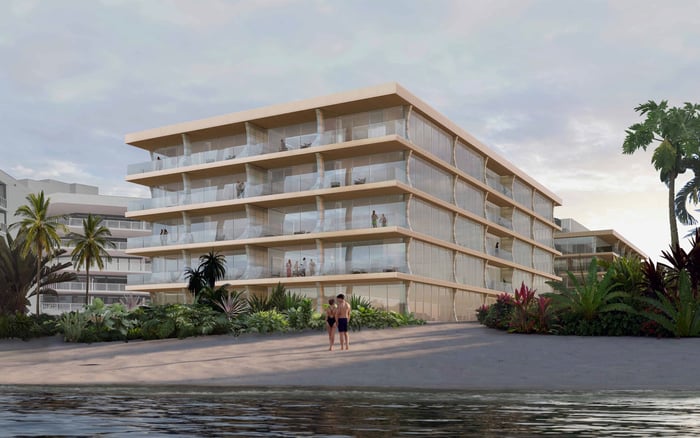
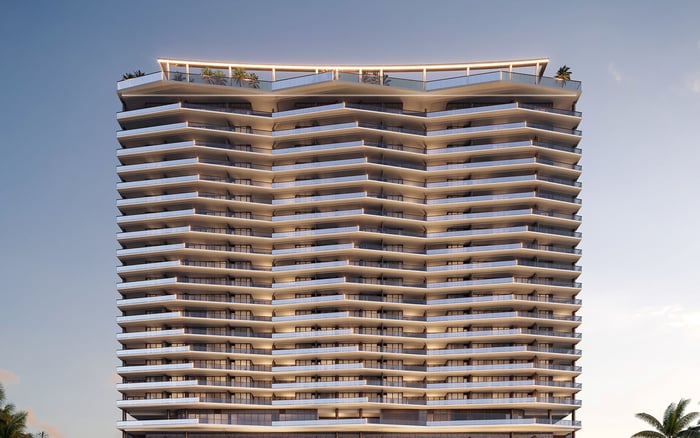
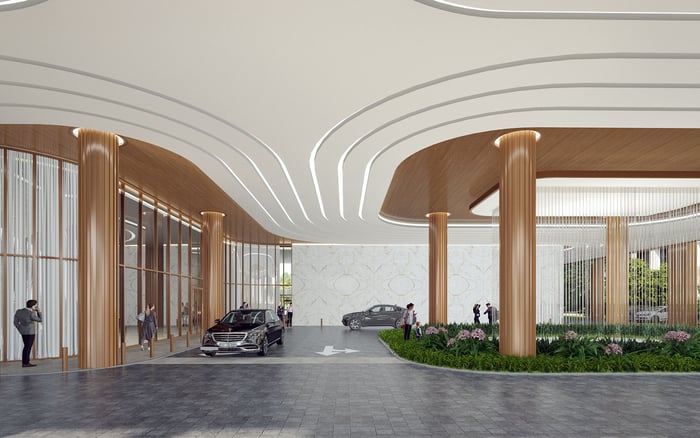
A discreet buyer guide to comparing Maison D'Or South Flagler and Nora House West Palm Beach through the lens of beach-service convenience, lobby privacy, and documented daily operations.
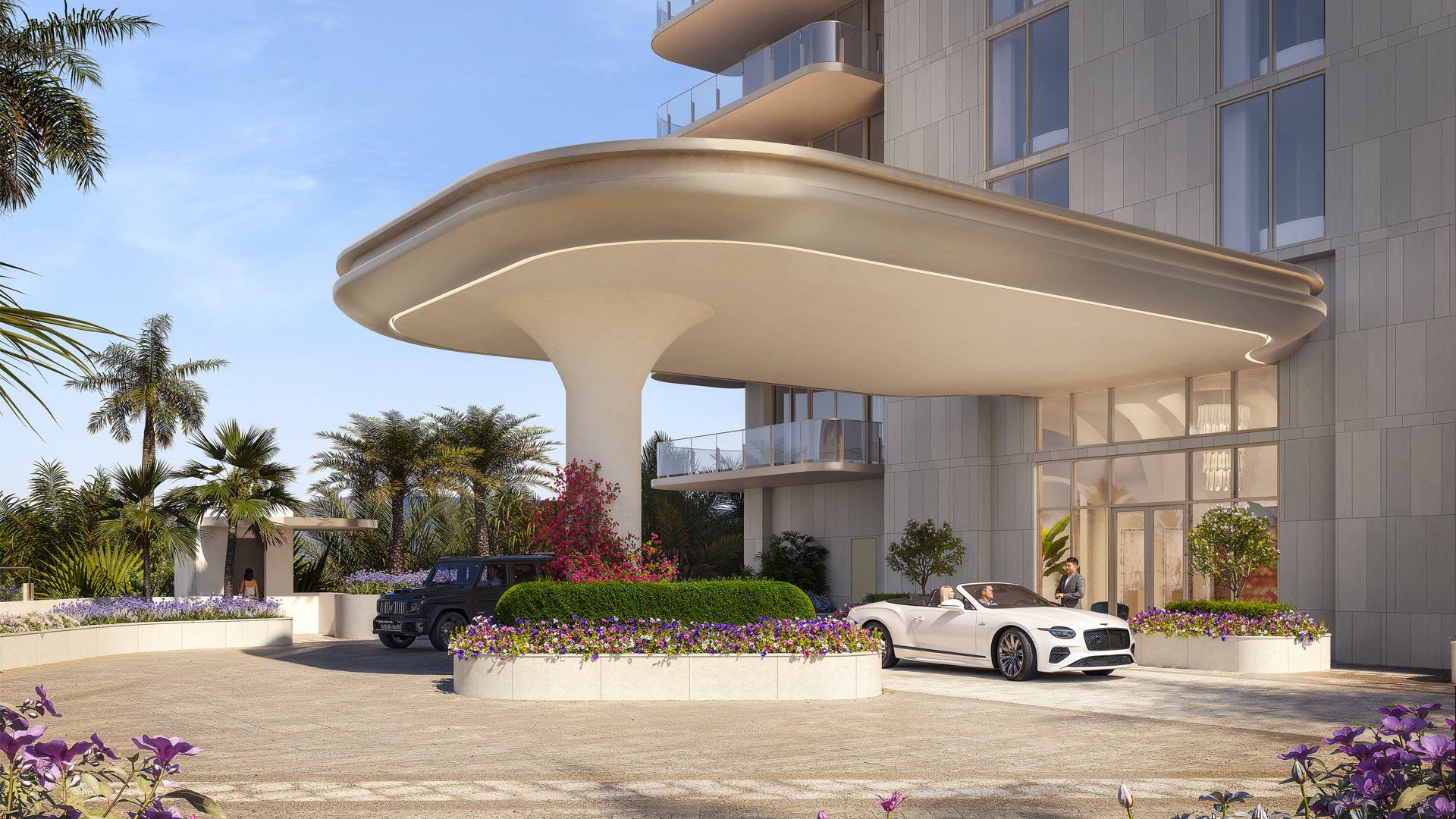
For buyers weighing Maison D'Or South Flagler against Nora House West Palm Beach, the most responsible answer is also the most useful: do not crown either residence on lifestyle language alone. A buyer seeking beach service without constant lobby theater is not shopping for a logo, a dramatic entrance, or a busy hospitality scene. That buyer is shopping for reliable, quiet execution.
The conversation begins with Maison D'Or South Flagler because it sits directly within the West Palm Beach buyer set for this comparison. But that presence alone does not establish the details that matter most: beach-service logistics, staffing model, privacy controls, pricing, amenity access, lobby operations, or the daily feel of arrival and departure.
Nora House West Palm Beach belongs in the discussion because buyers are actively comparing it with Maison D'Or for a specific lifestyle profile: close-to-the-water convenience, refined service, and a residential atmosphere that does not feel performative. A buyer touring Nora House West Palm Beach should ask the same questions, in the same order, and require the same written clarity before deciding.
The best fit is the residence that can document how it handles beach access, beach setup, transportation, guest traffic, staff handoff, package movement, valet rhythm, food delivery, private arrivals, and visitor control. If those answers remain incomplete, the better residence has not yet been identified.
In South Florida luxury real estate, “beach service” is often used loosely. For a serious buyer, it should be translated into practical questions. Is there a defined beach arrangement? Is setup handled by staff, a club, a third party, or the resident? Is transportation required? Are chairs, umbrellas, towels, food, water, and return service included, reserved, or requested separately? What happens on holidays, weekends, and peak-season days?
The phrase “without lobby theater” requires the same precision. Some buyers enjoy a lively arrival sequence with visible staff, guests, restaurant energy, and a polished social pulse. Others want a quieter residential threshold, where the front desk knows them, valet flow is efficient, and the lobby is not the building’s main event.
For this buyer, privacy is not the absence of service. It is the opposite: service that is present, trained, and unobtrusive. The most elegant buildings make the complicated parts disappear. Beach bags are anticipated. Cars arrive without ceremony. Guests are screened without friction. Deliveries do not stack up in the wrong place. A lobby can be beautiful, but it should not feel like a stage every time a resident comes home.
In practical search language, the criteria are West Palm Beach, beach access, boutique privacy, new-construction expectations, second-home convenience, and Palm Beach adjacency. Those labels are useful, but they are not substitutes for written operational detail.
A buyer comparing these two residences should begin with the service promise, then work backward into architecture and lifestyle. This is counterintuitive because most luxury buyers are first shown renderings, finishes, views, and amenity language. Those matter, but they do not answer the central question here.
For Maison D'Or, the starting point is its West Palm Beach positioning. That supports basic project identification, but it does not prove a service advantage over Nora House. A buyer should request current materials that define what residents actually receive, who provides it, when it is available, and whether any beach-oriented service is deeded, licensed, contractual, club-based, seasonal, or discretionary.
For Nora House, the same standard should apply. A buyer should not accept vague phrasing such as “beach lifestyle,” “resort-inspired,” or “curated service” as proof of daily convenience. The right question is not whether the residence sounds beach-adjacent. The right question is what happens at 10:30 a.m. on a Saturday when the family wants to leave the apartment, avoid a scene, reach the sand, and be comfortably set up without making five calls.
The buyer should also separate public-facing energy from the resident-only experience. A building can have a striking lobby and still function quietly if circulation is well planned. Conversely, a restrained lobby can feel chaotic if valet, deliveries, guests, staff, and residents all converge at the same pinch point. The better fit is the one that demonstrates calm under pressure.
West Palm Beach is evolving into one of South Florida’s most closely watched luxury residential markets, but its appeal is different from Miami Beach, Sunny Isles, or Brickell. The buyer here often wants cultural access, marina proximity, Palm Beach convenience, and a more composed residential cadence. They may want energy nearby, but not necessarily inside the lobby.
That is why neighboring choices matter. A buyer considering Maison D'Or or Nora House may also study Alba West Palm Beach for a broader sense of the area’s new-residence direction, or Forté on Flagler West Palm Beach when the conversation turns toward Flagler Drive positioning. Others may compare the feel of Shorecrest Flagler Drive West Palm Beach when evaluating how different buildings frame privacy, arrival, and waterfront expectations.
The point is not that any one of these residences answers the Maison D'Or versus Nora House question automatically. The point is that West Palm Beach buyers should think in systems. Location, service, staffing, approach sequence, elevator privacy, guest management, beach logistics, and amenity access all shape the actual residential experience.
If a buyer wants the most discreet answer today, Maison D'Or South Flagler cannot be declared superior simply because it is easier to identify within the West Palm Beach set. Nora House cannot be declared superior on aspiration alone. The right conclusion is conditional: choose the residence that provides the clearest documented pathway from private home to beach setup, with the least exposure to public traffic and the fewest handoffs.
Maison D'Or may appeal to a buyer already focused on South Flagler and studying that corridor closely. Nora House may appeal to a buyer who wants to test a different West Palm Beach residential proposition. But neither should be treated as the default winner until the buyer has seen the service matrix, operating rules, arrival plan, amenity access terms, and any relevant residential documents.
For a primary resident, the key issue is repetition. A small friction point becomes significant when experienced every day. For a second-home buyer, the issue is reliability. Service should be intuitive after weeks away, not dependent on remembering the right person to text. For a privacy-driven buyer, the issue is exposure. The fewer moments spent in mixed-use congestion, the more luxurious the home will feel.
The residence that wins this comparison is the one where the buyer can visualize a normal day, not just a launch event. Wake up, request the beach plan, move through the building quietly, return without a lobby audience, host guests without operational awkwardness, and end the day feeling that the building protected time rather than consumed it.
Ask for the current service description in writing. Ask who controls beach-related arrangements, whether access is included, and what is subject to change. Ask how residents reach the beach, how equipment is handled, and whether peak-season demand changes the experience.
Then ask about the lobby. How many entry points are there? Where do guests wait? How are deliveries routed? Is there a separate service path? Are elevators shared with amenity visitors or commercial traffic? How does valet operate when multiple residents arrive at once?
Finally, ask to experience the building rhythm at different times of day. A morning visit can feel serene while a dinner-hour arrival may reveal congestion. The buyer who wants luxury without lobby theater should judge the residence when it is under pressure, not when it is staged.
Which residence is the better fit for beach service? The better fit is the one that can document the specific beach-service arrangement, including access, staffing, setup, timing, and any limits.
Can Maison D'Or be declared better than Nora House today? Not on the available project-level facts alone. The decisive details involve service operations, not just project identity.
Can Nora House be declared better than Maison D'Or today? Not without the same operational clarity. Buyers should require written answers before making that conclusion.
What does lobby theater mean in this context? It refers to visible social traffic, guest congestion, valet drama, delivery clutter, and a lobby experience that feels performative rather than private.
Is a dramatic lobby always a problem? No. A dramatic lobby can still feel discreet if circulation, staffing, resident access, and guest control are handled with precision.
What should beach-focused buyers ask first? Ask who provides beach service, what is included, how reservations work, and how the experience changes during peak season.
Why is written service detail so important? Because lifestyle language can be broad. Written detail shows whether the promise is operational, contractual, or merely aspirational.
Is West Palm Beach a good fit for privacy-minded buyers? It can be, especially for buyers seeking Palm Beach proximity with a composed residential cadence, but building operations still matter.
Should second-home buyers weigh this differently? Yes. Second-home buyers should prioritize consistency, staff memory, simple access, and service that works smoothly after time away.
What is the safest buyer strategy? Compare both residences through documented service, arrival privacy, guest management, and real daily use rather than presentation alone.
If you'd like a private walkthrough and a curated shortlist, connect with MILLION.
If branded residences are on your mind — as a home or as an allocation — we would be glad to share what we are seeing, privately.
Begin a quiet conversation