A buyer-focused editorial on evaluating House of Wellness Brickell through the lens of recovery, performance, privacy, operations, and long-term daily livability.
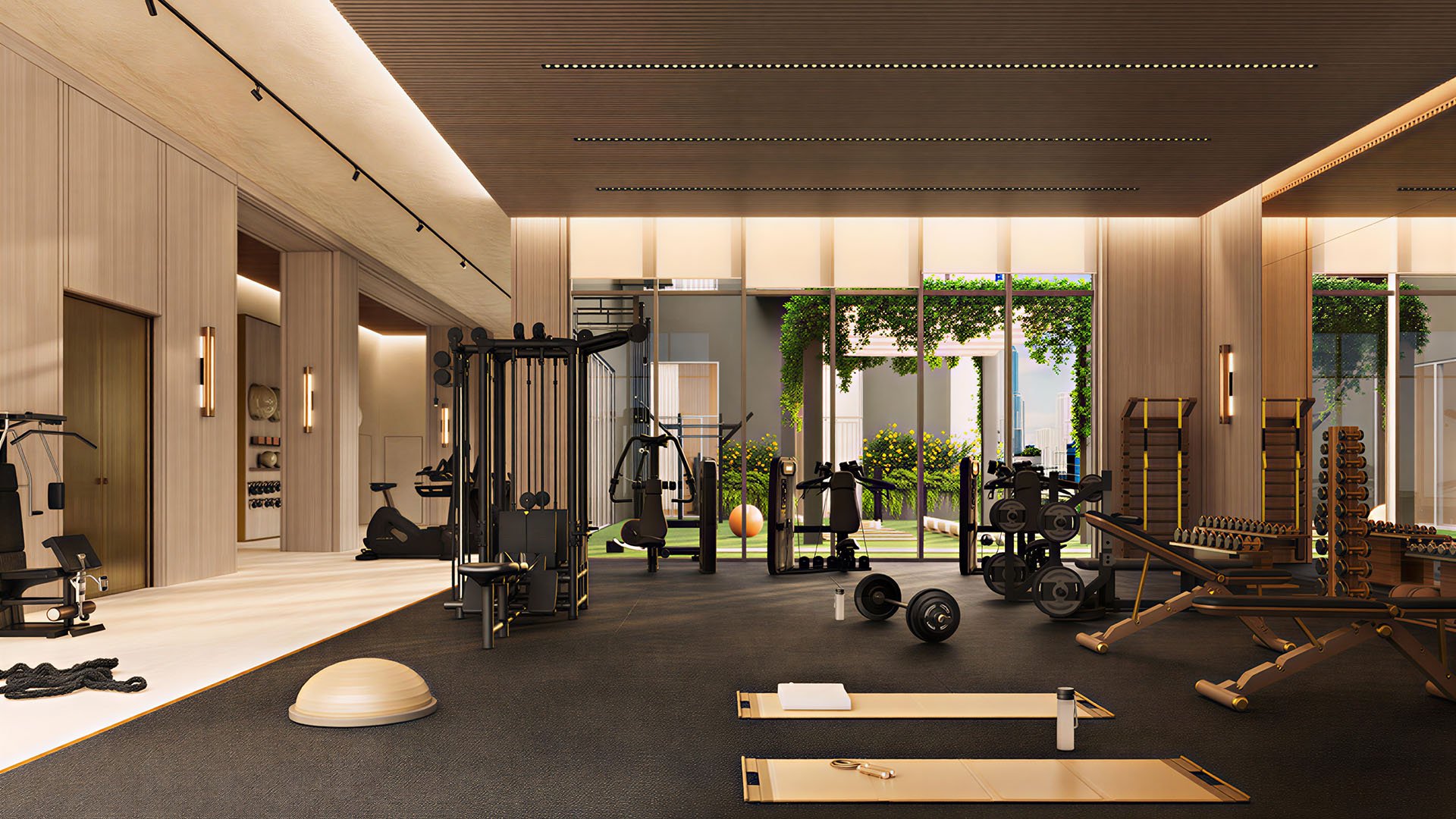
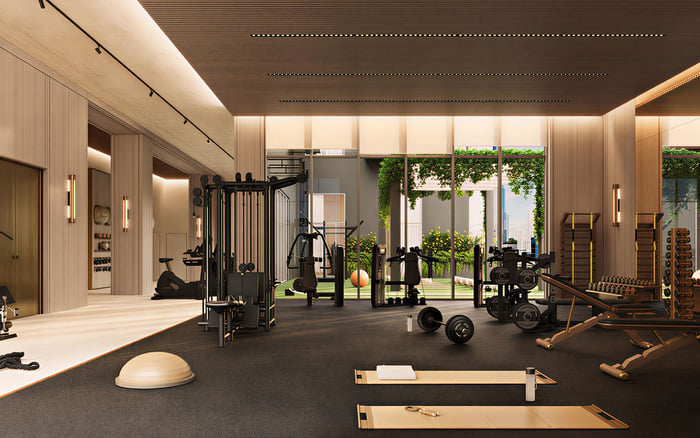
For a certain South Florida buyer, wellness is no longer a weekend appointment or an occasional hotel spa ritual. It has become part of the architecture of daily life. The appeal of House of Wellness Brickell is best understood through that shift: a residence positioned for buyers who want recovery, movement, reset, and performance close to the elevator, not across town on a crowded calendar.
In Brickell, that distinction matters. The neighborhood attracts buyers who want energy, convenience, restaurants, waterfront access, and airport reach. The next layer is more personal. Can the building support sleep, training, decompression, privacy, and physical longevity with the same seriousness it gives to arrival sequence and views?
That is the right lens for evaluating House of Wellness Brickell. Rather than reducing the conversation to amenity counting, buyers should ask whether the wellness proposition feels operationally credible. Recovery infrastructure only has value when it is easy to use, discreetly managed, and integrated into the rhythm of the residence.
The strongest wellness buildings are not merely beautiful. They are organized around behavior. Buyers should consider how naturally a morning workout, post-flight reset, quiet swim, or late-evening decompression session would fit into ordinary life. In that sense, wellness is less about indulgence than friction removal.
A gym that requires planning is different from one that becomes part of the day. A treatment room that feels exposed is different from one that protects privacy. A pool designed for actual use is different from a visual centerpiece. Recovery areas separated from social spaces can support a different mood than amenities designed primarily for entertaining.
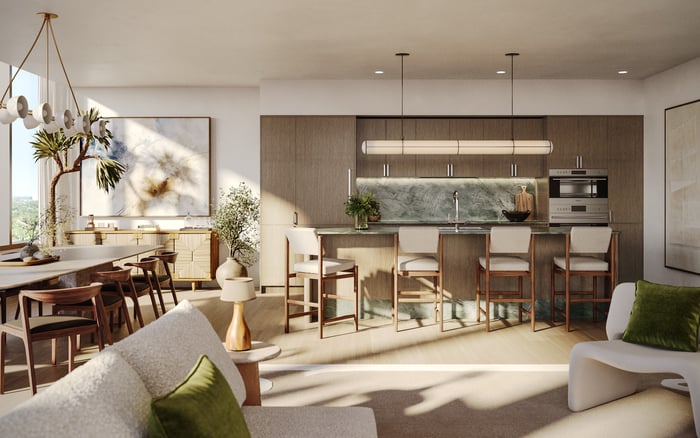
This is where floor plan logic becomes important. The residence itself should support the same performance mindset as the amenity program. Buyers may look for rooms that allow a true sleep environment, space for in-home stretching or equipment, storage for active routines, and a kitchen layout that supports daily discipline rather than occasional hosting alone. The wellness promise begins outside the unit, but it is sustained inside it.
The wellness buyer in Brickell is not simply an athlete. It may be a frequent traveler who wants to recover quickly after long-haul flights. It may be a principal moving between meetings who wants privacy between public obligations. It may be a couple dividing time between Miami and another global city, using the residence as a warm-weather base for training and restoration.
For some, new construction is attractive because it can reflect contemporary expectations around air, light, circulation, service, and amenity programming. For others, pre-construction allows an earlier look at how the building intends to organize lifestyle infrastructure before the market fully prices its daily utility. In either case, buyers should remain disciplined. Branding and vocabulary matter less than whether the residence will actually improve the week.
This is also why House of Wellness Brickell belongs in a broader Brickell conversation rather than an isolated wellness category. A buyer comparing it with 2200 Brickell or Baccarat Residences Brickell may not be deciding only between buildings. They may be deciding between different ways of living in the same urban district: quieter routines, more hospitality-driven polish, a stronger wellness identity, or a more classic luxury condominium experience.
Recovery amenities can be seductive in renderings, but the real question is access. Buyers should ask how often spaces will be usable at desirable times, how reservations will be managed, how staff will support the experience, and whether the environment encourages repeat use. The most valuable wellness infrastructure is not the most photogenic. It is the most dependable.
Privacy is equally central. High-net-worth residents are often sensitive to exposure, especially around health, training, recovery, and body work. The building should make it easy to move from residence to amenity to lobby without turning personal routines into social theater. That may influence where amenities sit, how circulation is organized, and how sound and sightlines are handled.
There is also a distinction between social wellness and performance wellness. Social wellness is beautiful, relaxed, and communal. Performance wellness is more focused: recovery, movement, consistency, and measurable personal improvement. The most compelling residential concepts understand both, but buyers should decide which matters most. A building can be elegant and still fail a performance-minded resident if the programming is too ornamental.
South Florida has become increasingly receptive to residences that frame health as a luxury category. The idea is not confined to Brickell. In Bay Harbor Islands, The Well Bay Harbor Islands speaks to a quieter, wellness-oriented residential mood. In Coconut Grove, The Well Coconut Grove points to the same desire in a more village-like setting.
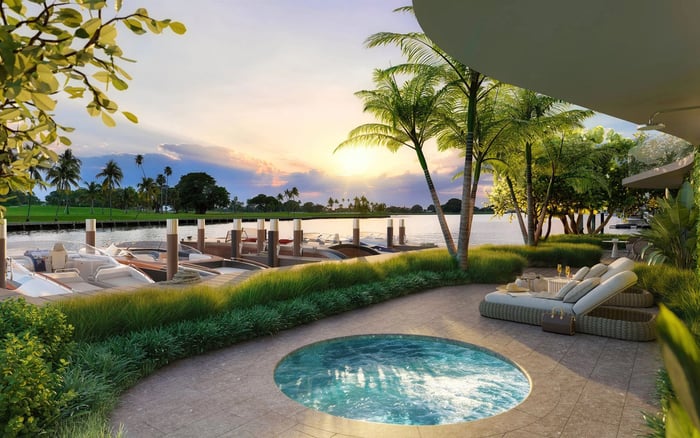
Brickell’s version is distinct because it must work within a denser, more vertical, more intensely urban lifestyle. A wellness residence here has to counterbalance the neighborhood’s pace. It should offer calm without requiring withdrawal from the city. It should let residents live near restaurants, offices, cultural venues, and the waterfront while preserving a private internal world designed around recovery and performance.
That duality is the essential promise. The buyer does not necessarily want a retreat removed from the action. The buyer wants the ability to perform within the action, then recover without leaving the building.
A serious buyer should approach House of Wellness Brickell with a focused set of questions. What is the daily operating experience intended to feel like? How will wellness spaces be scheduled, staffed, maintained, and protected from overuse? Are the amenities designed for occasional novelty or recurring routines? How does the residence itself support sleep, quiet, food preparation, movement, and storage?
Financially, buyers should also consider whether wellness infrastructure has durable appeal. South Florida luxury buyers continue to reward buildings that translate lifestyle into practical utility. Yet utility must be authentic. A building that helps a resident save time, maintain routines, recover from travel, host discreetly, and live with greater ease may hold a different kind of relevance than one relying solely on spectacle.
The best purchase decision will combine emotional resonance with operational clarity. If House of Wellness Brickell aligns with a buyer’s actual day, not an imagined version of self-improvement, it can become more than an address. It can become a private system for living well in one of Miami’s most demanding neighborhoods.
What should buyers ask first about House of Wellness Brickell? Start with how the wellness experience will function day to day, including access, privacy, scheduling, and staffing.
Is a wellness-focused residence only for athletes? No. It can suit travelers, executives, families, and second-home owners who value recovery, sleep, movement, and routine.
Why does Brickell make sense for performance-oriented living? Brickell combines urban intensity with convenience, so in-building recovery can reduce friction for residents with demanding schedules.
How should buyers compare wellness amenities? Look beyond labels and assess whether spaces are private, usable, well managed, and aligned with real daily habits.
Does the residence itself matter as much as the amenity program? Yes. Floor plans, quiet zones, storage, kitchen function, and natural light can all influence how wellness is lived at home.
What is the risk of buying into a wellness concept? The main risk is choosing a concept that is visually appealing but operationally weak or inconvenient to use regularly.
How does House of Wellness Brickell compare with other Brickell projects? Buyers should compare lifestyle priorities, including wellness identity, service style, location preferences, and residence layouts.
Should pre-construction buyers evaluate wellness differently? Yes. They should study how the promised experience is intended to operate, not only how it appears in early materials.
Can wellness infrastructure support long-term value? It can when it delivers genuine daily utility, privacy, and ease rather than relying on short-lived amenity trends.
Who is the best fit for House of Wellness Brickell? The best fit is a buyer who wants Brickell access while making recovery, performance, and personal maintenance part of everyday life.
For a tailored shortlist and next-step guidance, connect with MILLION.
If branded residences are on your mind — as a home or as an allocation — we would be glad to share what we are seeing, privately.
Begin a quiet conversation