Upgraded appliance packages can be one of the most negotiable, high-impact line items in a South Florida pre-construction contract, but only if you treat them like a construction scope, not a showroom conversation. This guide breaks down how developers structure “standard” versus “upgrade” offerings, when leverage is highest, and which contract language protects your outcome from model-home drift, substitutions, and installation gaps.
In South Florida pre-construction, appliances sit at the intersection of buyer emotion and developer economics. The showroom presentation is aspirational; the developer’s back end is operational-procurement schedules, vendor pricing tiers, standardized installation details, and substitution risk.
That mix is exactly why appliances can be more negotiable than structural changes, and sometimes more workable than headline price. A developer may defend the published number to protect comps and sales momentum, yet enhance your interior deliverable through an upgraded package, an allowance, or a credit that preserves the pricing narrative.
For buyers, the goal is not simply “better brands.” It’s certainty: what you select is what gets installed, it fits the cabinetry and rough-ins, and it arrives on time with the correct warranty and commissioning. This is especially relevant in design-forward neighborhoods like Brickell and Miami-beach, where an integrated kitchen is part of the lifestyle promise.
Most conflicts start with a term that never gets pinned down. “Upgraded appliance package” can mean any of the following:
A different brand, but the same tier within that brand
A higher series within the same brand, with better features but similar dimensions
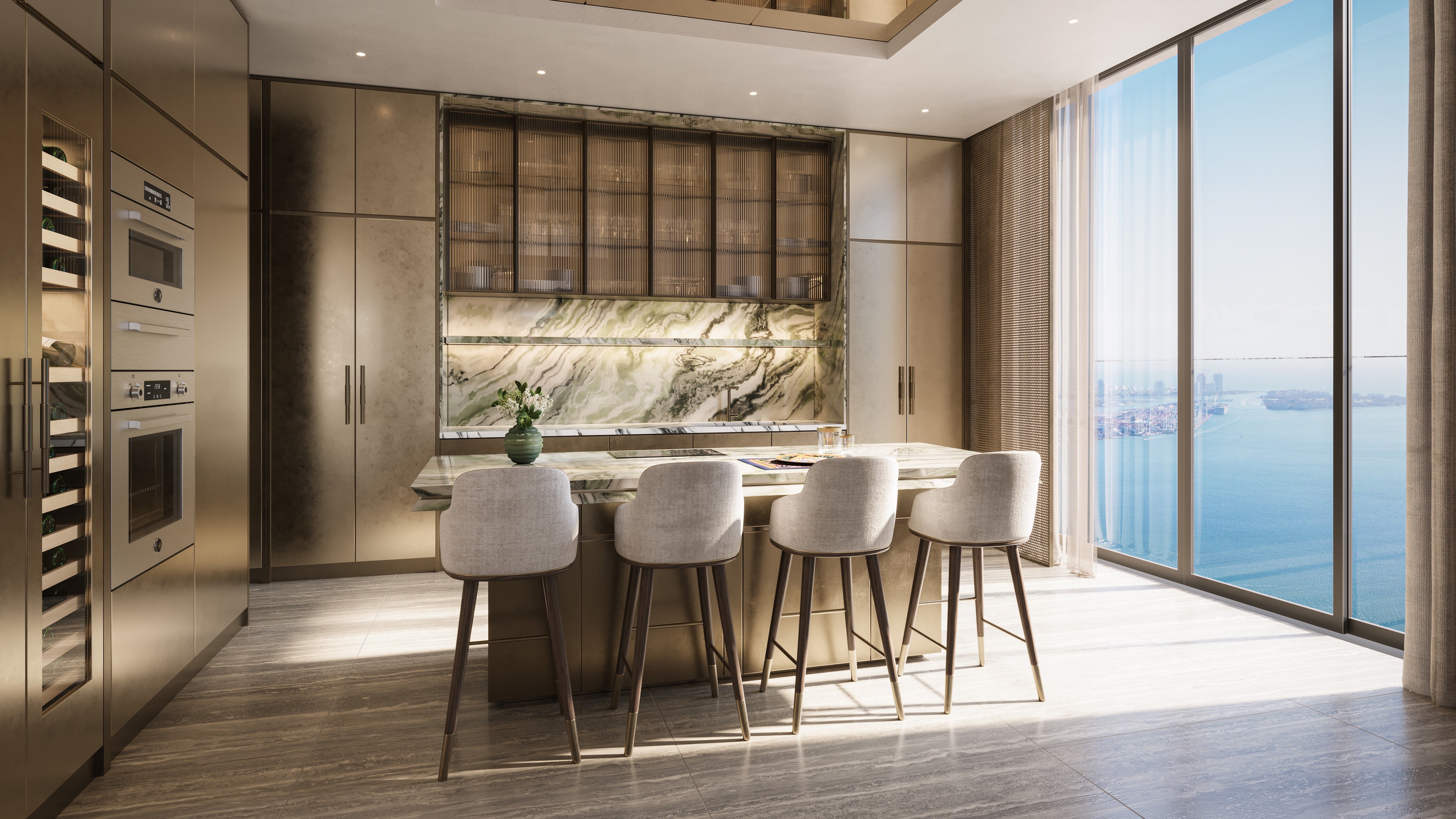
A fully integrated package with panel-ready fronts and upgraded ventilation
A larger configuration (wider cooktop, larger refrigerator, column setup)
A package that changes electrical, plumbing, or ducting requirements
Before you negotiate, convert the upgrade from a vibe into a scope. Ask for specificity in writing around:
Exact manufacturer, series, and model numbers (or a clearly bounded successor clause)
Configuration (counter-depth, columns, under-counter beverage, speed oven, etc.)
Finish and handle requirements, especially for integrated/panel-ready units
Venting: recirculating versus ducted, and who provides the duct path
Installation inclusions: trim kits, water line, shutoffs, anti-tip devices, and test/commissioning
Warranty handoff: who is the warranty holder and how service is initiated
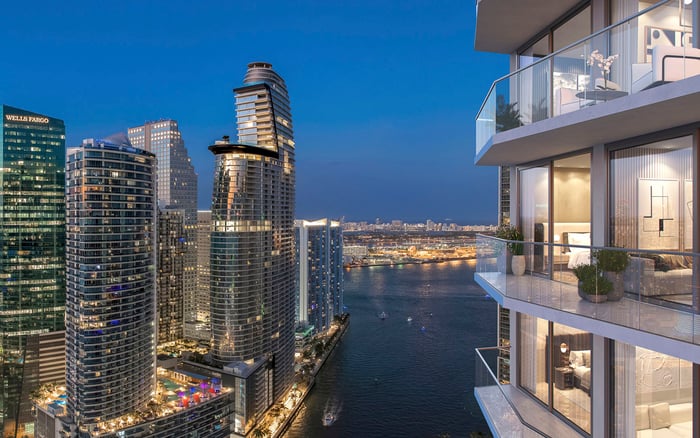
If you are looking at a design-led tower such as 2200 Brickell, precision matters because kitchens are often integrated into a broader millwork concept. Appliance adjustments can cascade into cabinetry, panel dimensions, ventilation, and clearances.
In pre-construction, leverage isn’t evenly distributed. It shifts with the sales cycle and the building’s procurement calendar.
Three moments tend to offer the most room:
Early commitment, when the developer wants velocity. If you buy during the earliest releases, the sales team often has flexibility to add value without changing price.
Inventory pressure. If a stack, exposure, or floor band needs attention, appliance upgrades can differentiate your contract from the next buyer’s without rewriting the entire pricing grid.
Contract and design deadlines. As the project moves from marketing to build execution, developers become more rigid on change orders-but they also become more motivated to reduce buyer uncertainty. A clean, enforceable appliance exhibit limits later disputes.
Strategically, negotiate upgrades at the same time you negotiate contract exhibits. The earlier appliances are tied to contract language, the less they read like a favor and the more they function as deliverable scope.
Developers respond best to proposals that protect their process while delivering your outcome. These structures are typically easier to approve than a vague request for “top-tier appliances.”
Your strongest position is to attach a schedule to the contract. Even if model numbers evolve, you can define boundaries: same brand and series or better; equal or greater MSRP; equal or better energy and performance; and no dimensional changes without written approval.
This is where luxury buyers often win: you’re not asking for special procurement-you’re asking for clarity. Many pre-construction contracts reserve broad substitution rights for the developer. Your objective is to narrow those rights for the kitchen suite.
If the developer will not lock model numbers, request an appliance allowance that is explicitly usable within their vendor program. The allowance should state:
Dollar amount applied to appliance upgrades
Whether it is pre-tax or includes sales tax and delivery
Deadline and selection process
What happens if your selection exceeds allowance
An allowance keeps the developer’s procurement channel intact while giving you real control.
Sometimes the developer won’t allow any deviation from the “standard package,” often due to bulk procurement or service strategy. In that scenario, a credit can still work-but only if what you’re giving up is clearly defined.
If the standard package is described generically, the credit becomes difficult to value. Push for language that specifically defines the standard appliances you will receive, then negotiate a credit that reflects your decision to replace post-closing.
In ultra-premium kitchens, the difference between “fine” and flawless is often ventilation, noise, panel alignment, and commissioning. If a developer won’t move on brand or tier, negotiate installation-level improvements:
Proper hood specification and ducting responsibility
Acoustic targets for dishwasher and ventilation where available
Better trim and panel integration requirements
Onsite commissioning and punch-list standards
In coastal buildings like 57 Ocean Miami Beach, this approach is especially valuable because kitchens are often open to living areas-comfort is as much about sound and airflow as it is about features.
Pre-construction contracts commonly allow substitutions due to supply shifts. The issue is the phrase “or equal,” which can be interpreted broadly by the developer and narrowly by the buyer.
Rather than fighting the concept of substitution, define it.
Ask your counsel to consider provisions that address:
Substitution standard: “equal or better” defined by objective criteria (series, MSRP, capacity, decibel rating where applicable)
Dimensional integrity: no changes that impact cabinetry, panels, or rough-ins without buyer approval
Disclosure requirement: substitution notice within a set timeframe
Remedy: credit or upgrade to meet the defined standard if substitutions occur
The goal isn’t to litigate. It’s to prevent the slow drift where “upgraded” becomes “available at time of purchase,” and your selections are treated as aspirational rather than binding.
Appliances touch cabinetry, countertops, electrical load, plumbing locations, and sometimes HVAC. A common luxury-buyer mistake is treating appliances as a late-stage finish. In reality, they’re a coordination item.
To protect your budget and outcome:
Confirm panel-ready requirements early, including panel thickness and fastening method
Verify cut sheets align with cabinetry drawings before approvals are final
Confirm water filtration, icemaker lines, and shutoff access locations
For gas versus electric cooking, confirm the building’s infrastructure before assuming flexibility
Clarify who provides and installs specialty items like built-in coffee systems or wine columns
In a vertical lifestyle market like Downtown and Brickell, many buyers prioritize a turnkey handoff. But turnkey only happens when appliances are coordinated like construction-not curated like a showroom moment.
A flat “no” often means “not in that form.” If you align with the operational constraint, you can still capture value.
If procurement is locked, the developer may still have an approved alternate within the same brand family, with the same dimensions and rough-ins. Frame your request as a “no-change-order upgrade” to reduce friction.
Developers often have easier pathways for concessions that don’t affect construction: storage, parking preferences, closing cost contributions, or design-center credits. If appliance upgrades are blocked, pursue value that supports your overall plan.
If you plan to replace appliances after closing, negotiate:
Delivery and removal coordination rules
Temporary certificates and move-in conditions
Protection requirements for elevators and corridors
Access for installers and timing for building approvals
In places like Sunny-isles and Aventura, where owners often split time between residences, the ability to execute upgrades cleanly post-closing can be as important as the upgrade itself.
Luxury appliances aren’t only about performance. They’re also about serviceability in a high-rise and resilience in a coastal environment.
Even without changing brands, you can negotiate outcomes that matter locally:
Confirm stainless or panel-ready selections align with corrosion exposure expectations
Prioritize quieter dishwashers and ventilation for open-plan entertaining
Clarify warranty service logistics in a condominium setting
Ensure replacement access is feasible: tight corridors, elevator size, and cabinetry clearances
For buyers considering resort-oriented residences like 2000 Ocean Hallandale Beach, service logistics and installation quality can be the difference between a seamless second-home experience and persistent friction.
Before you execute the contract, make sure you have clear answers-in writing-to the questions below:
What is the exact “standard” appliance package, and where is it defined?
What is the upgrade pathway: exhibit, allowance, or design-center selection?
Are substitutions allowed, and under what objective standard?
Do appliance changes impact cabinetry, panels, ventilation, or electrical scope?
Who installs, who commissions, and who warrants the equipment?
What is the selection deadline, and what happens if you miss it?
In pre-construction, the most expensive appliance upgrade is the one you thought you bought.
Can I negotiate appliance upgrades without changing the purchase price? Often yes, because developers may prefer value-adds that preserve headline pricing and comps.
Should appliance model numbers be in the contract? Ideally yes, or at least a tightly defined “equal or better” substitution standard in an exhibit.
Is a design-center selection sheet legally binding? It can be, but only if the contract makes it an enforceable exhibit rather than a courtesy memo.
What is the safest alternative if the developer will not lock models? A defined allowance usable through the developer’s vendor program can create clarity and control.
Do integrated, panel-ready appliances change my negotiation approach? Yes, because panels, ventilation, and cabinetry tolerances make substitutions riskier.
Can I request better ventilation instead of a higher-tier cooktop? Yes, and it is often a high-impact upgrade for comfort, noise, and cooking performance.
If substitutions happen, what should the remedy be? A credit or an upgrade that meets objective criteria like series, MSRP, and capacity is typical.
When is the best time to ask for upgrades? As early as possible, ideally while contract exhibits are still being finalized.
What if I plan to replace appliances after closing? Negotiate logistics: access rules, protection requirements, and coordination so the swap is smooth.
Do appliance upgrades affect resale value? They can, but the bigger value is a coherent, serviceable kitchen that reads as truly turnkey.
For a tailored shortlist and next-step guidance, connect with MILLION Luxury.
If branded residences are on your mind — as a home or as an allocation — we would be glad to share what we are seeing, privately.
Begin a quiet conversation