From branded high-rises to wellness-first design, South Florida’s luxury market is entering a more selective, design-driven phase. This editorial maps ten buyer-visible trends and how they show up across Miami, Miami Beach, Brickell, Sunny Isles, and West Palm Beach, with practical takeaways for primary homes, second homes, and long-term holds.
South Florida’s ultra-premium buyer in 2026 isn’t shopping for “more.” They’re shopping for better: better service, better design, better acoustics, better air, better privacy, better arrival, and a building that feels composed on a Tuesday as much as it does on a holiday weekend.
The shift is subtle but consequential. You see it in the questions buyers ask on a first tour, the due diligence they require before signing, and the way they separate two seemingly similar residences. The headline: luxury has become operational. A beautiful lobby is table stakes; what matters is how the building performs in real life.
Below are ten trends shaping the South Florida market right now, with a focus on what’s visible to an end user-and what it signals for long-term value.
1. Branded residences move from novelty to default expectation
Buyers increasingly treat hospitality DNA as a proxy for predictability: staffing, service culture, and a curated aesthetic that ages well. The appeal isn’t the logo-it’s the day-to-day cadence that feels effortless.
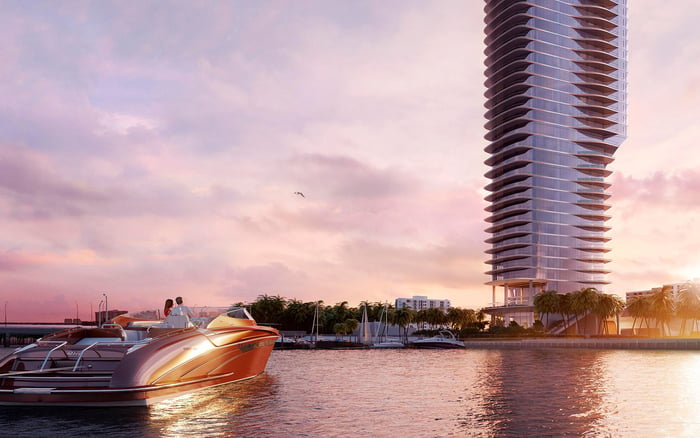
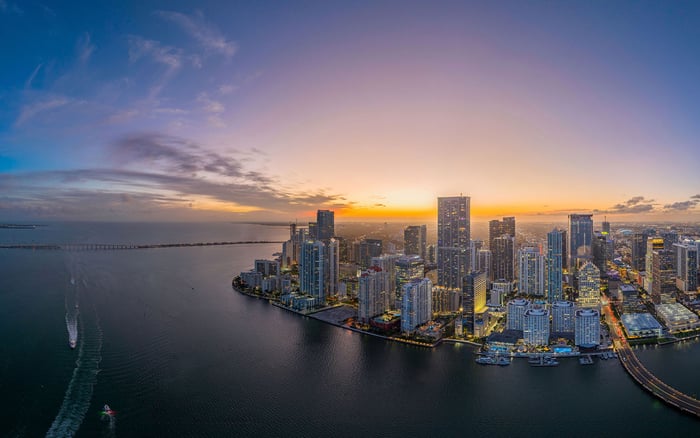
In Brickell, this brand-led approach has become part of the neighborhood’s identity, with buildings designed to deliver a consistent “arrival to residence” experience.
2. The new definition of “views” includes privacy and sightlines
A panorama still sells, but sophisticated buyers read a view the way architects do: what can be built in front of it, what faces back toward you, and how outdoor space is shaped to avoid exposure. Corner conditions, setbacks, and protected edges are increasingly prized.
This is one reason certain oceanfront and waterfront addresses keep commanding attention even as inventory expands.
3. Wellness becomes architectural, not amenity-driven
Wellness is evolving beyond a spa room and a gym. In 2026, it’s built into circulation, materials, and indoor environmental quality. Buyers ask about daylight, sound attenuation, filtration, and whether the building’s shared spaces support calm rather than crowds.
This trend is especially pronounced in Bay Harbor and Coconut Grove, where a slower rhythm aligns naturally with wellness-first living.
4. “Resilience premium” pricing quietly strengthens
Storm-readiness, elevated systems, hardened envelopes, and operational planning are no longer background considerations-they’re underwriting criteria. Even when details vary by property, buyers gravitate toward buildings and communities that feel engineered for continuity.
The resilience premium isn’t always a line item; it shows up in how quickly well-prepared properties transact and how confidently buyers commit.
5. Inventory bifurcates: exceptional sells, average negotiates
The market is increasingly two-speed. Residences with strong fundamentals, thoughtful layouts, and a coherent building experience tend to hold attention. “Me-too” offerings can linger-and invite negotiation.
For sellers, the lesson is straightforward: presentation matters, but it can’t compensate for compromised floor plans, awkward exposures, or underwhelming common areas.
6. Buyers favor turnkey, but only when the finishes are timeless
Turnkey is attractive-but only when it reads as enduring rather than trendy. In the luxury tier, buyers want to move in quickly without inheriting loud design decisions. Natural palettes, high-quality millwork, and restraint win.
Projects that lean into a calm, editorial sensibility feel especially aligned with this preference, including residences such as 2200 Brickell, where buyer expectations often center on elevated, livable design rather than theatricality.
7. Outdoor space shifts from “balcony” to true living room
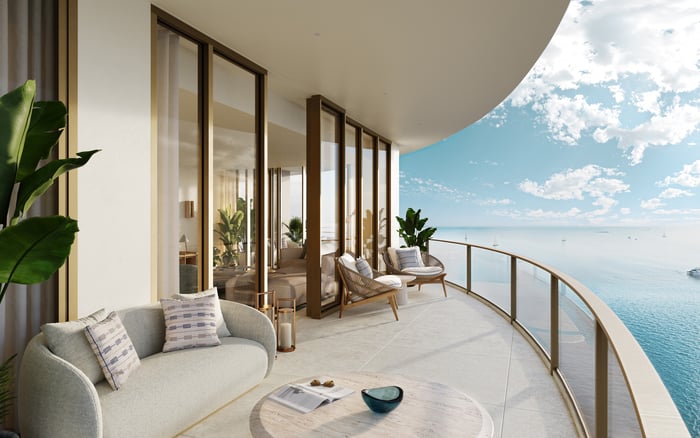
A narrow ledge is no longer a luxury marker. Buyers want outdoor rooms-depth for seating, dining, and a sense of enclosure. They also want usable outdoor space that isn’t punished by wind or exposure.
Along the ocean, this drives demand for layouts that treat terraces as primary living area rather than an accessory. It’s one reason oceanfront product in Miami Beach remains a lifestyle anchor, particularly when the building experience is quiet, private, and design-led.
8. Micro-neighborhoods gain power: walkability and daily convenience
In 2026, “location” is less about a broad city and more about a five-minute radius. Buyers want coffee, fitness, dining, and a sense of neighborhood that reduces friction. That preference supports submarkets with a clear lifestyle script: Brickell for urban ease, Miami Beach for coastal culture, Sunny Isles for vertical oceanfront living, and West Palm Beach for a refined, low-key city pace.
In Miami Beach, ocean-adjacent living that balances serenity with access continues to resonate, and residences like 57 Ocean Miami Beach reflect the broader move toward boutique-scale luxury.
9. The bar rises for amenity programming and shared-space design
Luxury buildings are becoming more like private clubs, but the difference is curation. Buyers respond to amenity spaces that are architecturally considered: intimate lounges, purposeful work areas, and wellness zones that feel like destinations.
In Sunny Isles, the competition to deliver a complete, resort-caliber ecosystem is particularly visible, with projects such as Bentley Residences Sunny Isles signaling how much the market values both experience and identity.
10. Capital prioritizes trophy land and coastline adjacency
Across South Florida, capital continues to concentrate around irreplaceable attributes: true oceanfront, protected waterfront, and premier urban cores. The most durable premiums are still attached to land that can’t be replicated.
In Hallandale, for example, beachfront addresses that deliver privacy and service remain a persistent draw for second-home buyers, and 2000 Ocean Hallandale Beach is emblematic of that “limited supply, high lifestyle utility” equation.
Brickell’s luxury arc is increasingly about livability at height: a refined arrival sequence, discreet service, and residences that function as real homes. The neighborhood resonates most when a building delivers calm interiors against an energetic city backdrop.
Miami Beach remains a separate universe: more emotional, more tactile, more lifestyle-led. Here, buyers tend to pay for the feeling of being slightly removed. Ocean proximity matters, but so does how a building buffers you from the public sphere.
Sunny Isles continues to attract buyers who want uncompromising ocean views and amenity completeness. As towers compete, differentiation is less about square footage and more about the total ownership experience.
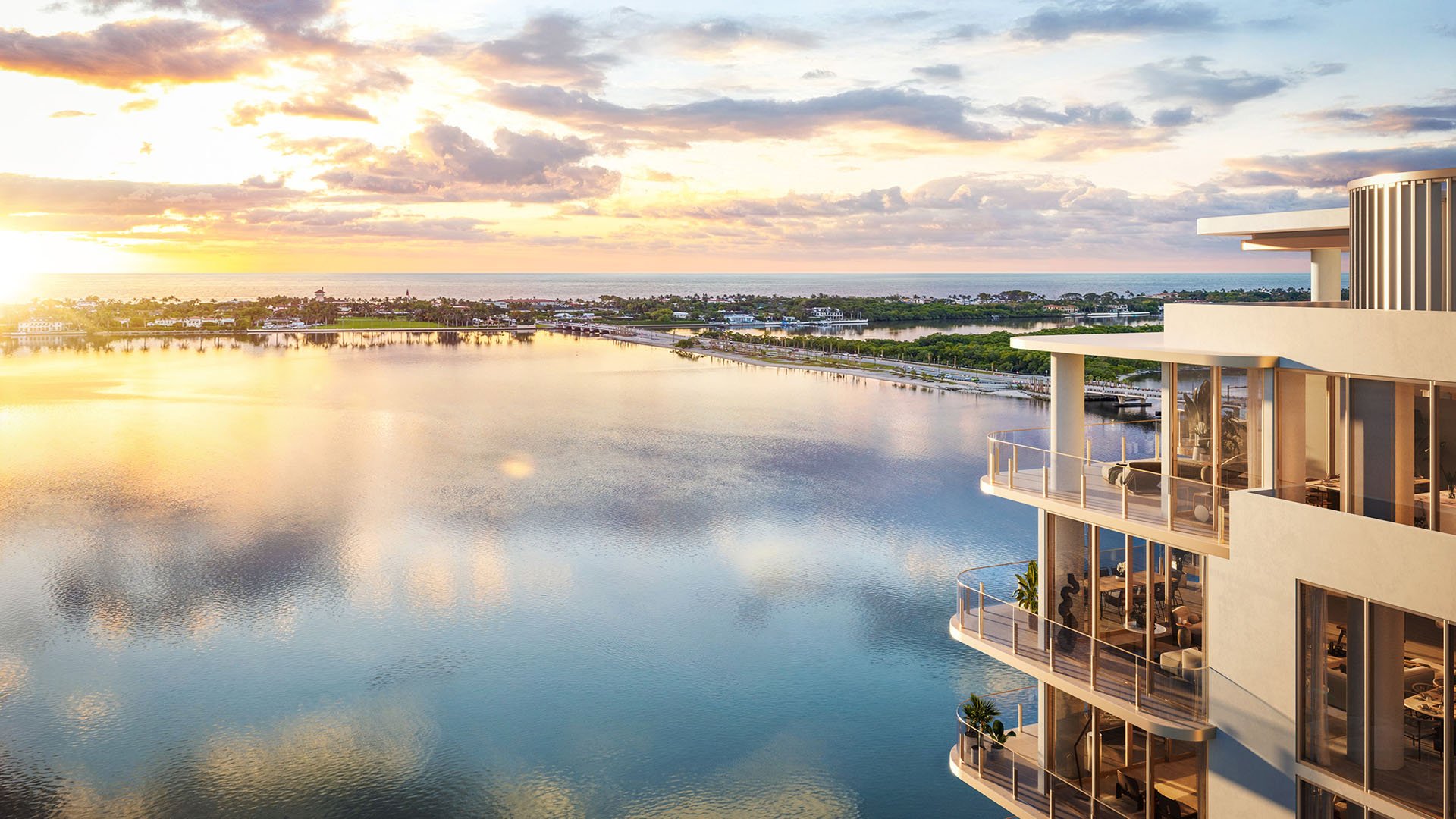
West Palm Beach is increasingly part of the same luxury conversation, but with a different cadence. Buyers who value culture, walkability, and a sense of domestic scale are leaning north-especially when they can secure a residence that feels both private and connected.
For buyers comparing intracoastal positioning, Maison D'Or South Flagler and The Bristol Palm Beach are common reference points when underwriting water views, privacy, and daily convenience.
Beyond aesthetics, 2026 buyers probe for operational confidence. Expect detailed conversations around:
Privacy: elevator strategy, corridor design, and how arrivals are managed.
Noise: glazing, mechanical placement, and the acoustic reality of amenity decks.
Air and light: how interiors feel over a full day, not just at sunset.
Governance: whether rules and culture support a true residential environment.
For second-home and investment-minded buyers, the questions extend to rental posture and long-term policies. Even when short-term rentals aren’t the intent, clarity matters.
Timelessness in a coastal environment is a discipline. The most enduring residences typically share a few traits: calm materials that handle humidity gracefully, cabinetry and stone that read quietly expensive, and layouts that privilege circulation.
A practical tell is whether the home feels composed without staging. If a residence needs elaborate furnishing to hide proportion issues, the fundamentals may not be strong enough for long-term satisfaction.
For buyers, the opportunity is selectivity. When the market offers choice, you can prioritize what truly improves daily living: privacy, service, wellness, and a building that performs. For sellers, the message is to compete on reality, not adjectives: condition, layout, and the overall experience of the property.
In South Florida’s ultra-premium tier, value tends to follow the residences that are hardest to replicate: prime land, thoughtful architecture, and a standard of living that feels effortless.
What is the biggest luxury real estate trend in South Florida for 2026? Branded, service-forward living is expanding, with buyers prioritizing predictability and daily ease.
Are buyers still paying premiums for oceanfront homes? Yes, especially when privacy, terrace usability, and building operations reinforce the lifestyle.
Is Brickell still a top choice for luxury condo buyers? Brickell remains compelling for walkability and convenience, particularly in refined, livable towers.
What do luxury buyers mean by “wellness” now? It increasingly refers to light, air quality, acoustics, and calming shared spaces, not just a gym.
Do turnkey residences outperform renovated fixer-uppers in 2026? Turnkey can win when finishes are timeless; buyers are cautious with loud or overly specific design.
How important is privacy in high-rise living? It is central, with buyers focused on arrival, elevator strategy, and sightlines from neighboring units.
Are amenities still a major driver of value? Yes, but only when they feel curated and residential, not like a crowded resort.
What neighborhood factors matter most beyond the city name? Buyers increasingly evaluate a five-minute radius for daily convenience, calm, and lifestyle fit.
Does resilience affect pricing in coastal properties? Properties that feel engineered for continuity often command stronger confidence and steadier demand.
How should buyers compare two similar luxury buildings? Look at operations, privacy, noise, and how the building feels on an ordinary day, not just the brochure.
To compare the best-fit options with clarity, connect with MILLION Luxury.
If branded residences are on your mind — as a home or as an allocation — we would be glad to share what we are seeing, privately.
Begin a quiet conversation