A discreet, buyer-oriented guide to planning and executing a custom safe installation in a pre-construction Miami condominium, from contract language and structural coordination to delivery, privacy, and insurance readiness.
In South Florida’s ultra-prime condominium market, a custom safe is less about spectacle and more about quiet continuity. The goal isn’t simply to own a high-security box-it’s to integrate it so seamlessly that it reads as architecture: aligned with millwork reveals, concealed behind finished panels, and supported by structure that was planned, not improvised.
Pre-construction is the rare window when logistics are simpler, the aesthetic outcome is cleaner, and the privacy profile can be tighter. Once a unit is delivered, you’re working around finished stone, completed flooring, strict elevator rules, and neighbors. Before turnover, you can coordinate structure, backing, electrical, and access routes as part of the broader build-out conversation.
For buyers selecting residences in districts like Brickell, the most effective approach is to treat the safe like a kitchen appliance or an AV rack: specify it early, coordinate it across trades, and document it carefully-with discretion built in from day one.
The logistics start with a single decision: is the safe a standalone piece of equipment, or a built-in element of the residence? In a luxury condo, the right answer is usually “built-in.” That choice dictates everything that follows.
Key decisions to lock in early:
Capacity and use-case: Watches and jewelry often require compartmentalization; documents require interior height; mixed storage benefits from modular interiors.
Weight and anchoring: Heavier units typically demand more planning around slabs, walls, and finished flooring. Even lighter units benefit from intentional anchoring so they don’t become a liability.
Concealment strategy: Behind wardrobe panels, inside a dedicated millwork cabinet, or integrated into a dressing room wall. “Hidden” should still be ergonomic-you want access without disrupting your daily routine.
Environmental considerations: Humidity is a reality in coastal living, so owners often prioritize interiors that support stable storage conditions, along with thoughtful placement away from wet walls or mechanical conflicts.
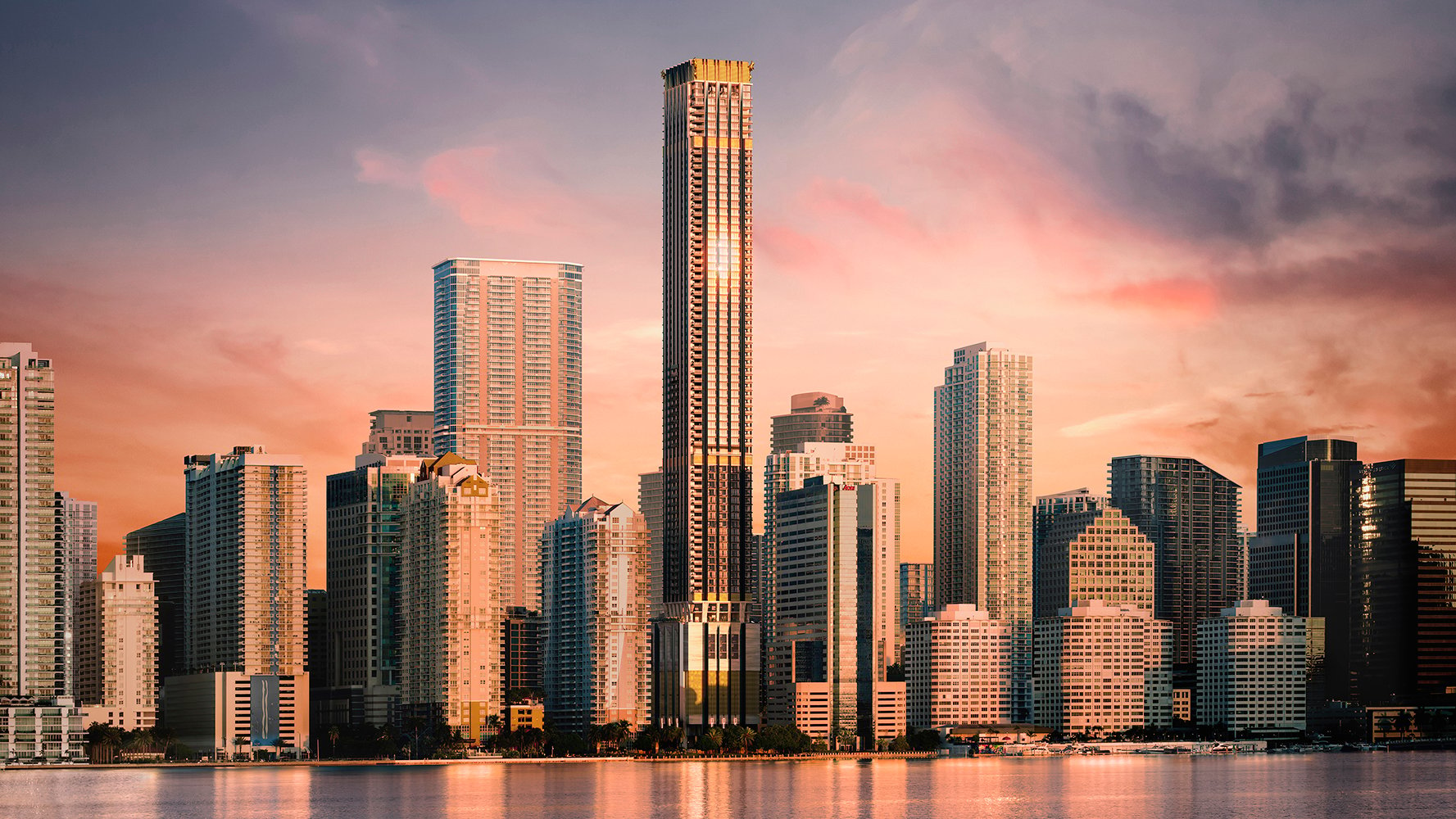
If you are purchasing in a full-service tower such as 2200 Brickell, the design language tends to reward restraint. A safe aligned to the residence’s millwork palette and reveals will read as intentional-not added.
Condominium governance is the quiet gatekeeper of your timeline. While details vary by property, most pre-construction and newly delivered buildings enforce some combination of:
Approved contractor requirements (insurance, licenses, background checks)
Working hours and noise limitations
Elevator reservations and protective padding requirements
Debris removal rules and prohibition on staging in corridors
Limits on drilling, coring, or changes to fire-rated assemblies
The practical takeaway: don’t purchase a safe based solely on aesthetics or brand until you have clarity on what the building will allow and what the developer turnover process looks like. A safe that requires complex slab anchoring, for example, may face deeper review than one designed for wall integration with planned backing.
This is also the stage where you decide whether installation will be handled:
Before closing as part of a developer-managed customization path (rare, but sometimes possible)
Immediately after closing but before move-in, coordinated with your designer and general contractor
Later as a standalone project, which is often the least discreet and most disruptive option
In areas like Miami Beach, owners in design-forward buildings such as The Perigon Miami Beach often prioritize minimal visual clutter. Early millwork coordination becomes especially valuable, because concealment isn’t an afterthought-it’s the concept.
A safe is heavy, but the constraints that matter most are often invisible.
What to coordinate before walls close:
Backing and framing: If the safe is embedded into millwork or a niche, confirm the wall assembly can accept the load and the anchoring plan.
Avoiding prohibited penetrations: Fire-rated walls, acoustic assemblies, and waterproofing layers can be difficult-or impossible-to modify later without triggering approvals.
Clearances and swing: Door swing, handle projection, and service access for locks should be planned like any other piece of equipment.
Electrical and low-voltage: Many owners choose lighting, dehumidification accessories, or monitoring. Even if you don’t finalize electronics immediately, pre-wiring and a dedicated receptacle location keep options open.
Coordination with stone and tile: If the safe sits on or behind stone, sequencing matters. The safe often needs to be set before final cladding, with protective measures to prevent damage.
In pre-construction purchases, the most common failure isn’t technical-it’s timing. Owners decide late, then discover the only feasible location conflicts with plumbing chases, return air paths, or finished architectural elements.
Luxury buildings are engineered for move-ins, but not all are friendly to large, high-value deliveries. A custom safe may require special handling, and your building may restrict deliveries to specific windows.
A clean delivery plan should include:
A reserved path from loading zone to unit, including elevator dimensions, weight limits, and turning radii
Floor and wall protection in common areas, with responsibilities defined in advance
Staging strategy that avoids leaving a safe unattended in a garage or hallway
Chain-of-custody documentation if you’re managing valuable contents alongside installation
Discretion is also operational. If delivery becomes a spectacle, privacy is already compromised. That’s one reason many owners choose to integrate a safe during a broader interior project: the delivery blends into a larger flow of materials.
For buyers planning a high-rise lifestyle in Downtown or Brickell, residences like 888 Brickell by Dolce & Gabbana tend to attract owners who already manage art, collectibles, and fine jewelry. In that context, logistics aren’t just a checklist-they’re part of household operations.
A custom safe touches nearly every finish decision around it. Best practice is to treat it as a must-coordinate item in your interior schedule.
Typical sequencing considerations:
Design development: Select location and concealment method while closets and built-ins are being designed.
Rough-in phase: Install backing, framing, and any pre-wire needs.
Safe set: Place and anchor the safe before delicate finishes that would be at risk.
Millwork integration: Build panels, doors, and trim to conceal the safe without interfering with operation.
Final commissioning: Lock programming, testing, and owner training.
If your residence includes a dedicated dressing room or expansive closet volumes, the safe often belongs there-but not always. Some owners prefer a location closer to the primary suite entry for convenience; others prefer deeper concealment for privacy. A strong designer reconciles access with invisibility.
In Sunny Isles and other resort-oriented corridors, the safe is sometimes treated as part of a broader “lock-and-leave” strategy. Even with high-level building security, owners value an internal layer that is independent and personal.
In ultra-premium homes, logistics extend beyond construction.
Consider:
Who knows the safe exists, where it is, and how to operate it
Who has access during installation and commissioning, including subcontractors
How codes and keys are managed if you employ household staff
How the safe is referenced in invoices and work orders to limit unnecessary disclosure
Discreet owners often prefer minimal written descriptors, using a generic scope line item while communicating specifics verbally to a single point of contact. The objective isn’t secrecy for its own sake-it’s sensible compartmentalization.
For coastal residences in places like Hallandale and Fort Lauderdale, owners also weigh humidity control and storm-season contingencies as part of household readiness. The safe should be located where it remains accessible and protected, even when the building is operating on restricted services.
A safe is a physical object, but it also becomes part of your household risk framework. Without getting into policy specifics, owners typically benefit from maintaining:
Purchase documentation and specifications
Photographs of installation (kept privately)
A clear record of who performed the installation and when
A content inventory stored separately from the residence
This is also where resale enters the conversation. Some buyers view a safe as a value add-particularly when it’s architecturally integrated and doesn’t compromise closet function. Others prefer removal before marketing for privacy reasons. Planning early makes either path easier.
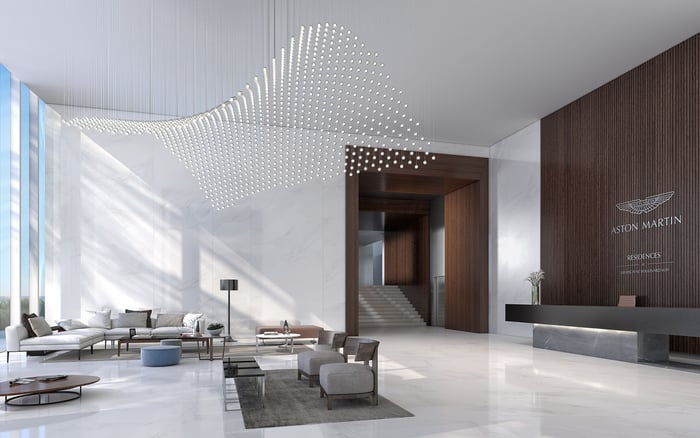
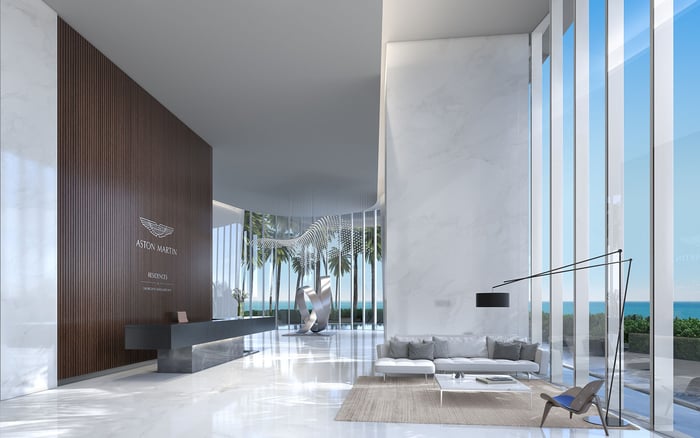
If your property is a design-led condominium such as Aston Martin Residences Downtown Miami, owners often favor solutions that preserve the original design intent. A safe seamlessly integrated into millwork can feel like a natural extension of the residence rather than a retrofit.
A safe installation becomes expensive and messy when early coordination is skipped. Watch for these common issues:
Choosing a safe before confirming elevator access, turning radii, and delivery windows
Selecting a location that conflicts with plumbing stacks, mechanical chases, or electrical panels
Underestimating the effect of door swing on closet usability
Anchoring or drilling that triggers approvals late in the process
Treating concealment as a decorative panel rather than an operational system that must open cleanly
The most refined outcome is usually the simplest: a well-chosen safe, quietly integrated, installed on schedule, and never discussed again.
Should I buy the safe before I close on a pre-construction condo? You can shortlist early, but it’s best to finalize after confirming building rules and delivery logistics.
Where is the most discreet location for a safe in a condo? Primary suite closets and dressing rooms are common because millwork can conceal the safe naturally.
Will installing a safe require condo association approval? Often yes, especially if anchoring, drilling, or work hours and elevator reservations are involved.
Can a safe be installed without damaging finished floors and stone? Yes, with proper sequencing and protection, but it’s easier when planned before final finishes.
Do I need electrical service for a custom safe? Not always, but many owners prefer optional power for lighting, accessories, or monitoring.
How long does a typical safe installation take? The physical install can be quick, but scheduling, approvals, and millwork integration add time.
Is it better to anchor a safe to the floor or a wall? It depends on the safe design and structure; the best plan is the one coordinated with the unit’s assemblies.
Can I conceal a safe behind a decorative panel? Yes-as long as the concealment doesn’t obstruct operation and is built as part of the millwork design.
Will a safe add resale value to my condo? Sometimes, especially when integrated discreetly, but some owners prefer removal for privacy at sale.
How do I keep the installation discreet in a high-rise? Use controlled delivery windows, limit who is informed, and coordinate installation within a broader interior scope.
When you're ready to tour or underwrite the options, connect with MILLION Luxury.
If branded residences are on your mind — as a home or as an allocation — we would be glad to share what we are seeing, privately.
Begin a quiet conversation