A buyer-focused framework for evaluating wellness-led Fort Lauderdale residences through building systems, coastal resilience, operations, and daily livability before prioritizing the view.
In Fort Lauderdale, the first seduction is often water: the Intracoastal, the Atlantic, a marina basin, a sunset over Las Olas. Yet a wellness-led residence should be judged before the view has a chance to argue on the building’s behalf. The most persuasive homes are not simply beautiful; they are technically considerate. They manage air, water, light, sound, humidity, materials, movement, nourishment, privacy, and community with intention.
That distinction matters in a coastal market where glass, terraces, and waterfront exposure can be both assets and stress tests. A residence on Fort Lauderdale Beach may offer a daily sense of horizon, but the wellness question is whether the building also controls glare, heat gain, moisture, noise, and storm exposure. Buyers comparing properties such as Four Seasons Hotel & Private Residences Fort Lauderdale should treat the tour as the beginning of due diligence, not the end of it.
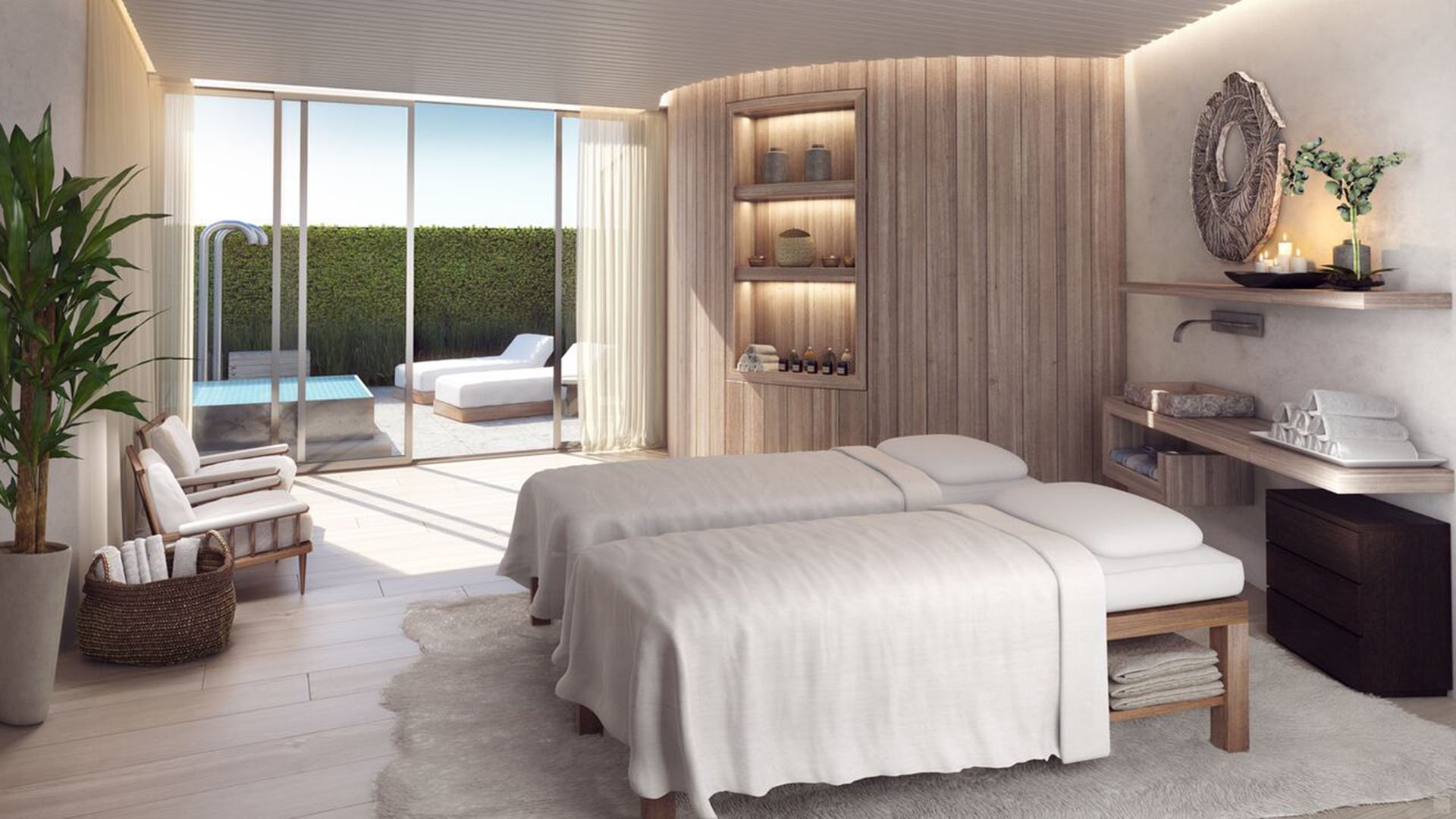
Wellness is often marketed as an atmosphere: pale stone, soft lighting, a serene spa, a cold plunge, a quiet lobby. Those elements can be lovely, but they are not sufficient. A credible wellness-led residence should be assessed at three levels: the individual unit, the shared building systems, and the surrounding neighborhood.
At the unit level, ask how the residence ventilates, filters, dehumidifies, shades, and insulates. At the building level, ask for HVAC specifications, filtration details, water-treatment approach, maintenance schedules, commissioning records, acoustic assemblies, material standards, and operating policies. At the neighborhood level, consider daily walkability, safe routes, access to parks, proximity to services, cultural amenities, and whether the setting supports movement without turning every errand into a drive.
A green-building claim can be valuable, but it should not be treated as a complete wellness program by itself. Environmental performance and human health performance overlap, yet they are not identical. The better question is not whether the brochure uses the word wellness, but whether management can show how the building performs after residents move in.
Indoor air deserves unusual attention in a luxury residence, making the mechanical room as relevant as the primary bath. Ask what type of filtration is specified, how fresh air is introduced, how filters are accessed, who maintains them, and whether the system design supports actual air-cleaning performance rather than simply placing a device in the marketing narrative.
In South Florida, humidity control is equally important. Buyers should ask how the building manages indoor conditions, moisture monitoring, and maintenance practices. That is not an abstract issue. In coastal residences, moisture intrusion and persistent humidity can affect comfort, finishes, and long-term confidence in the home.
For waterfront homes, the view often comes with greater exposure: wind-driven rain, salt air, terrace doors, and high glass ratios. When touring Auberge Beach Residences & Spa Fort Lauderdale or any ocean-adjacent property, a buyer should ask how the building manages condensation, dehumidification, exterior penetrations, and ongoing inspections. The most serene room is the one that stays dry, quiet, and balanced in August.
A wellness residence should clarify water quality at the building level, not merely promise filtered water at a kitchen fixture. Ask whether treatment is central or point-of-use, how maintenance is handled, and whether residents receive guidance on filter replacement. Luxury buyers are accustomed to selecting stone and millwork; water systems deserve comparable attention.
Light is just as nuanced. Expansive glass can create visual drama and emotional lift, but daylight should be judged for comfort as well as spectacle. Ask about glare control, shading, heat gain, and nighttime light exposure. Circadian-supportive lighting is not simply brighter lighting or warmer decorative lamps. It involves thoughtful placement, intensity, timing, and control.
Sound is another under-discussed wellness category. Fort Lauderdale’s most desirable settings often sit near bridges, beaches, restaurants, marinas, and traffic corridors. Before falling for a terrace, stand quietly in the primary suite, living room, and outdoor areas at different times of day if possible. Ask about glazing, wall assemblies, mechanical noise, elevator proximity, and amenity adjacencies. In a building such as Riva Residenze Fort Lauderdale, where water orientation is central to the lifestyle, acoustic privacy should remain part of the luxury equation.
Material selections matter because building products can influence indoor comfort. Buyers should ask about low-emitting finishes, adhesives, cabinetry, flooring, paints, and the documentation behind those selections. The goal is not to turn a purchase into a laboratory exercise, but to understand whether the developer and design team treated material health as a serious category.
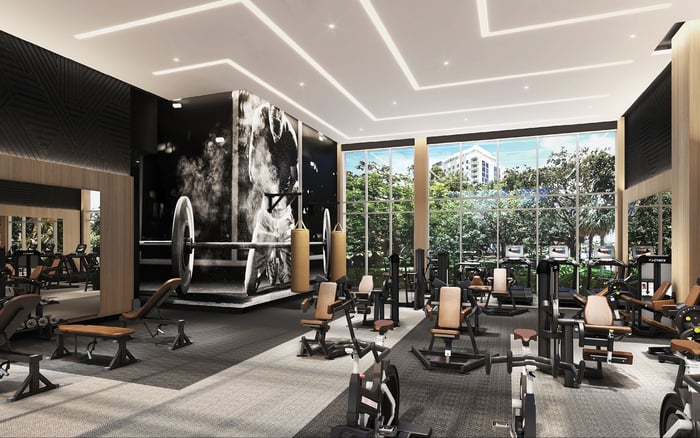
Movement should also be embedded into daily life. A gym is useful, but it is not the whole story. Are stairs visible and appealing? Is bike storage practical? Are walking routes safe and pleasant? Can residents reach services, dining, green space, and the waterfront without friction? Lifestyle value improves when movement is natural, not scheduled only as a workout.
Operations are where many wellness promises either mature or fade. Ask whether amenities are staffed, bookable, maintained, and programmed. A meditation room that is never managed, a spa that is hard to reserve, or a fitness facility without thoughtful upkeep can become décor. New-construction buyers should be especially attentive to the transition from sales presentation to building governance, because wellness depends on management as much as design.
For a river-oriented option such as Sixth & Rio Fort Lauderdale, the relevant question is how the building’s daily routines will support residents after opening: access, service protocols, maintenance, amenity scheduling, and the quality of shared spaces over time.
In Fort Lauderdale, resilience is not separate from wellness. Flooding, storm exposure, drainage, evacuation planning, impact protection, backup power, and insurance implications all affect long-term livability. Mapped flood hazards may be a starting point, but a serious buyer should go further and ask how the site, garage, lobby, mechanical systems, and critical infrastructure are protected.
A brilliant view can feel restorative, but it should not distract from practical coastal risk. Ask where generators are located, how elevators are supported during outages, what drainage strategy is in place, and how the building communicates with residents during storm events. For marina-connected living, including comparisons involving St. Regis® Residences Bahia Mar Fort Lauderdale, hurricane exposure and access planning belong in the first conversation, not the last.
Before committing, request documentation rather than reassurance. Ask for air-filtration specifications, humidity-control strategy, water-treatment details, lighting controls, acoustic assemblies, material-health policies, maintenance schedules, amenity operating plans, and resilience information. Then walk the neighborhood with the same discipline. Las Olas access, beach proximity, daily services, parks, cultural life, and safe pedestrian routes all contribute to whether a residence genuinely supports well-being.
The best Fort Lauderdale residence does not ask you to choose between beauty and performance. It gives the view its proper role: not as a substitute for due diligence, but as the reward for a building that has already earned your trust.
What is a wellness-led residence? It is a residence where health-supportive design is embedded in systems such as air, water, light, sound, materials, movement, comfort, and community.
Is a spa enough to make a building wellness-led? No. A spa can be valuable, but credible wellness depends on building-wide systems, maintenance, and operations.
Why is humidity so important in Fort Lauderdale? Persistent humidity can contribute to moisture concerns, so buyers should ask how the building keeps indoor conditions balanced.
What should I ask about indoor air quality? Ask for HVAC design, filtration approach, fresh-air strategy, maintenance access, and filter-replacement protocols.
Does green-building certification prove wellness performance? Not by itself. Environmental performance can support wellness, but buyers should still verify health-focused systems and operations.
How should I judge waterfront glass? Look beyond the view and ask about glare control, shading, heat gain, nighttime light exposure, and acoustic performance.
Why do acoustics matter in luxury residences? Noise from bridges, traffic, marinas, restaurants, and amenity areas can affect privacy, rest, and daily comfort.
What resilience questions should coastal buyers ask? Ask about flood exposure, storm planning, impact protection, backup power, drainage, evacuation, and insurance implications.
How do amenities prove real wellness value? They should be staffed, maintained, bookable, programmed, and practical enough to become part of daily life.
Should the neighborhood be part of the wellness review? Yes. Walkability, parks, daily services, cultural access, and safe routes can materially shape everyday well-being.
For a confidential assessment and a building-by-building shortlist, connect with MILLION.
If branded residences are on your mind — as a home or as an allocation — we would be glad to share what we are seeing, privately.
Begin a quiet conversation