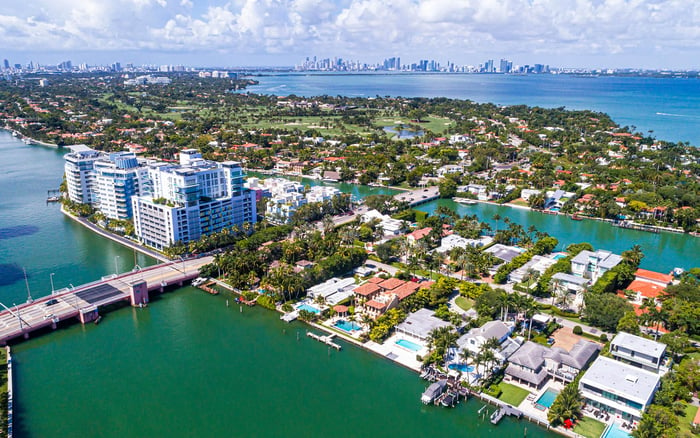
A South Florida trophy pied-à-terre can carry full-time ownership obligations even when used part-time. Buyers should review operating budgets, reserves, insurance, staffing, management contracts, branded-service structures, and assessment history before signing.

A pied-à-terre is, by nature, a secondary or temporary residence. In South Florida, that often means a Miami Beach apartment for winter weekends, a Brickell aerie between international flights, or a Sunny Isles Beach retreat opened for holidays and family gatherings. The lifestyle is intentionally light. The ownership obligation is not.
For the trophy buyer, the common mistake is assuming intermittent use should create intermittent cost. The better diligence posture is to assume that shared building expenses follow the ownership structure and governing documents, not the number of mornings an owner uses the spa, the number of laps swum in the pool, or the number of times a valet retrieves a car.
That distinction is especially important in amenity-rich buildings. A residence such as The Perigon Miami Beach may draw a buyer for its architectural pedigree and coastal setting, but the deeper financial question is how the building’s daily service experience is paid for, staffed, insured, maintained, and reserved against over time.
For a buyer, the operating budget is not administrative background noise. It is an early view into how the building converts lifestyle into recurring financial obligation.
A serious review should separate recurring amenity operations from longer-term capital planning. Recurring operations may include staffing, utilities, management, cleaning, landscaping, pool care, security, valet operations, front-desk coverage, fitness-area upkeep, elevator service contracts, amenity programming, and routine repairs. Capital planning focuses on larger replacement or repair needs that may not appear in the same way as everyday operations.
The distinction matters because a low monthly assessment can be misleading if it understates future needs or depends on optimistic operating assumptions. Conversely, a higher assessment may reflect a more transparent approach to staffing, insurance, reserves, and building systems. For buyer’s guides focused on the upper end of the market, the question is not simply whether an assessment is high or low. The question is whether it is credible.
South Florida’s luxury condominium market often borrows from hospitality. A branded or hotel-influenced residence can be desirable for a buyer who wants a lock-and-leave home that feels cared for even in absence. It can also make the operating budget feel more service-intensive than a traditional condominium.
In Brickell, where service-forward towers appeal to global owners, St. Regis® Residences Brickell illustrates the kind of residential environment where buyers should ask not only what the amenities are, but how they are staffed and funded. Concierge depth, brand standards, front-of-house staffing, food and beverage relationships, valet structures, and management agreements may all influence the owner cost profile.
None of this makes a trophy pied-à-terre less compelling. It simply makes the budget part of the architecture of the purchase. The service promise is only as durable as the operating plan behind it.
Before signing, buyers should ask their advisors to review the documents that explain how the building is expected to operate. The list may include the current or proposed operating budget, reserve approach, insurance information, management arrangements, amenity contracts, staffing assumptions, developer-related provisions where applicable, and any assumptions that change after turnover or stabilization.
In existing buildings, buyers should also ask about budget history, assessment history, insurance changes, major contracts, repair plans, and capital projects. The goal is not to turn a lifestyle purchase into an accounting exercise. The goal is to understand whether the lifestyle has been priced realistically.
For second-home buyers, this is where emotional clarity matters. A residence may function like a personal suite at a private resort, but the owner is still a participant in the building’s financial ecosystem.
Amenity budgets are only one side of the analysis. Buyers should also ask how the building plans for larger repairs, replacement cycles, exterior work, mechanical systems, waterproofing, windows, doors, roofs, life-safety systems, and other major components.
That framework should be front of mind when comparing new construction, recent deliveries, and established trophy towers. A waterfront building can offer some of South Florida’s most seductive views, but salt air, wind exposure, waterproofing, glazing, and exterior maintenance should all be reflected in responsible planning.
The strongest buildings tend to make capital planning part of the ownership conversation rather than an afterthought. For a part-time owner, that transparency can matter as much as the floor plan.
South Florida operating budgets are also shaped by insurance, staffing, and climate exposure. Buyers should ask how insurance assumptions are built into the budget, whether coverage costs have shifted, and how the building prepares for storm-related protocols, cleanup, repairs, landscaping, emergency systems, and possible amenity downtime.
Labor is another predictable pressure in amenity-heavy buildings. Front-desk, valet, security, pool, spa, maintenance, housekeeping, and management functions can all influence the service experience and the budget supporting it.
In Sunny Isles Beach, where vertical luxury often pairs full-service living with ocean exposure, a buyer considering Bentley Residences Sunny Isles should be as curious about staffing models and coastal maintenance as about views and finishes.
A monthly assessment is only part of the cost story. Buyers should ask whether prior or pending special assessments have been discussed, what drove them, and whether they were tied to insurance, repairs, litigation, reserve shortfalls, storm work, facade issues, mechanical systems, amenity renovations, or deferred maintenance.
Ask whether the annual assessment history shows gradual, planned increases or abrupt corrections. A smooth lobby experience can mask a turbulent capital story.
This is particularly relevant when comparing buildings across neighborhoods. A buyer weighing Four Seasons Hotel & Private Residences Fort Lauderdale against a boutique bayfront property or a Miami Beach trophy should normalize the conversation around what is included, what is reserved, what is discretionary, and what could become a special assessment.
The disciplined pied-à-terre buyer does not ask, “Will I use these amenities enough?” The better question is, “Am I comfortable owning my share of this amenity ecosystem whether I am here or not?”
That question reframes the purchase. It transforms the budget from a monthly line item into a test of governance, planning, risk management, and service integrity. For South Florida’s ultra-premium buyer, the most important luxury may be predictability.
Does part-time use reduce my condominium assessments? Buyers should not assume that occasional use creates occasional cost. Review the governing documents and budget with advisors before signing.
What is the first budget document a buyer should review? Start with the current or proposed annual operating budget. Then compare it with reserves, insurance, contracts, and assessment history.
Why do amenities affect monthly costs so much? Pools, spas, valet, security, fitness areas, concierge desks, and common spaces can require staffing, utilities, maintenance, management, and insurance. The more service-intensive the building, the more important the budget review becomes.
Are reserves the same as operating expenses? No. Operating expenses address recurring needs, while reserves and capital planning address larger repair or replacement cycles.
Why are branded or hotel-influenced buildings different? They may emphasize service standards, hospitality-style staffing, and amenity programming. Buyers should understand how those expectations are funded.
Should new-construction buyers review budgets before closing? Yes. Estimated budgets, governing documents, and sales materials can help buyers understand projected cost exposure.
What makes waterfront buildings more complex? Coastal exposure can affect insurance, exterior maintenance, storm planning, waterproofing, and long-term capital needs. Those items should be part of the diligence conversation.
Do special assessments matter if the building looks pristine? Yes. Special-assessment history can reveal whether past costs were planned, deferred, or driven by unexpected repairs.
How should I compare two luxury buildings? Compare what is included, how services are staffed, how reserves are approached, and whether insurance assumptions look realistic. The goal is to compare the ownership ecosystem, not just the amenities list.
What is the best way to shortlist comparable options for touring? Start with location fit, delivery status, and daily lifestyle priorities, then compare stacks and elevations to validate views and privacy.
For a confidential assessment and a building-by-building shortlist, connect with MILLION.
If branded residences are on your mind — as a home or as an allocation — we would be glad to share what we are seeing, privately.
Begin a quiet conversation