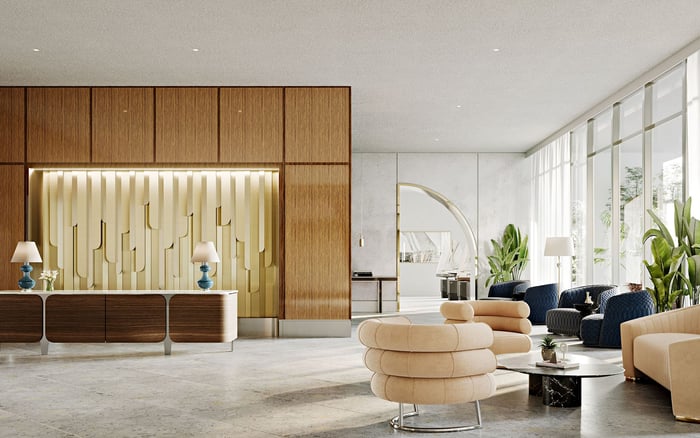
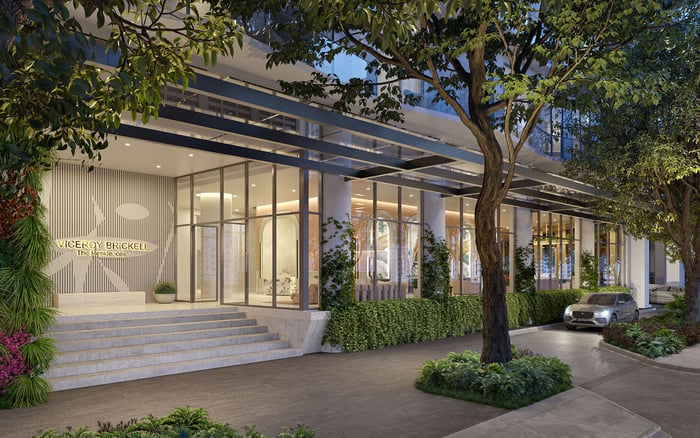
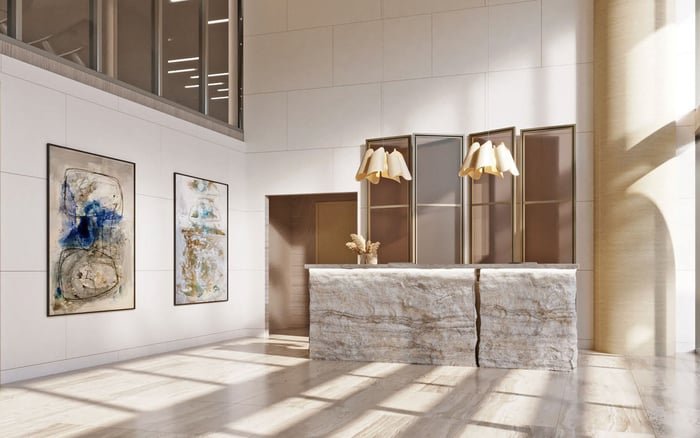
A buyer-focused look at House of Wellness Brickell and why refined operations, discreet service, intuitive circulation, and everyday ease may shape long-term luxury value more than visual drama alone.
In Brickell, spectacle is easy to recognize. A dramatic arrival, a photogenic lounge, a pool deck composed for sunset, and a wellness suite with the right vocabulary can all make a property feel compelling during a tour. Yet the more demanding luxury buyer eventually asks a quieter question: what happens on an ordinary Tuesday?
That is the useful lens for considering House of Wellness Brickell. The name naturally draws attention to health, restoration, and lifestyle, but the real measure of a wellness-oriented residence is not whether it can stage a beautiful amenity moment. It is whether the building makes daily life easier, calmer, and more consistent. Operational simplicity can be more valuable than spectacle because it is felt repeatedly, in small increments, by owners, guests, staff, and household teams.
For a South Florida buyer, this distinction matters. Brickell is a high-energy urban neighborhood, and the best residential experience is often the one that edits friction out of that energy. A residence may be visually impressive, but if reservations are cumbersome, elevator patterns feel strained, staff roles are unclear, or amenity access becomes performative rather than practical, the promise of calm begins to erode.
The luxury market has spent years expanding the amenity checklist. The result is a more sophisticated buyer. Owners are no longer impressed by volume alone. They want to know how amenities are managed, how many steps are required to use them, and whether the experience can remain graceful during peak demand.
This is where operational simplicity becomes a form of design. It is not minimalism for its own sake. It is the careful reduction of unnecessary decision points. A resident should be able to move from arrival to elevator, from residence to wellness space, and from guest reception to private hosting without having to decode the building each time. The best operations are almost invisible because they anticipate patterns of use.
In that sense, lifestyle is not a slogan. It is the cumulative effect of timing, staffing, circulation, acoustics, privacy, and etiquette. A wellness concept only succeeds when those elements support the owner rather than asking the owner to manage them.
When evaluating House of Wellness Brickell, a buyer should look beyond the renderable moments and focus on behavior. How does the property handle arrivals? Is the transition from public street to private residence intuitive? Are wellness spaces positioned and programmed in a way that encourages use, or do they feel like trophy rooms designed mainly for presentation?
The same question applies across the Brickell competitive set. At 2200 Brickell, buyers may compare the feeling of neighborhood integration and everyday access. At Cipriani Residences Brickell, the point of comparison may be hospitality discipline and how service translates from a celebrated name into residential routine. At ORA by Casa Tua Brickell, the conversation may center on social energy and how a building balances community with privacy.
None of these comparisons should be reduced to a contest of flash. The better question is which residence aligns with the owner’s rhythm. Some buyers want a quieter wellness sequence before the workday. Others want an address that can support entertaining without making home feel public. Others prioritize low-friction lock-and-leave ownership. Operational simplicity is the common denominator because it determines whether the promise survives real use.
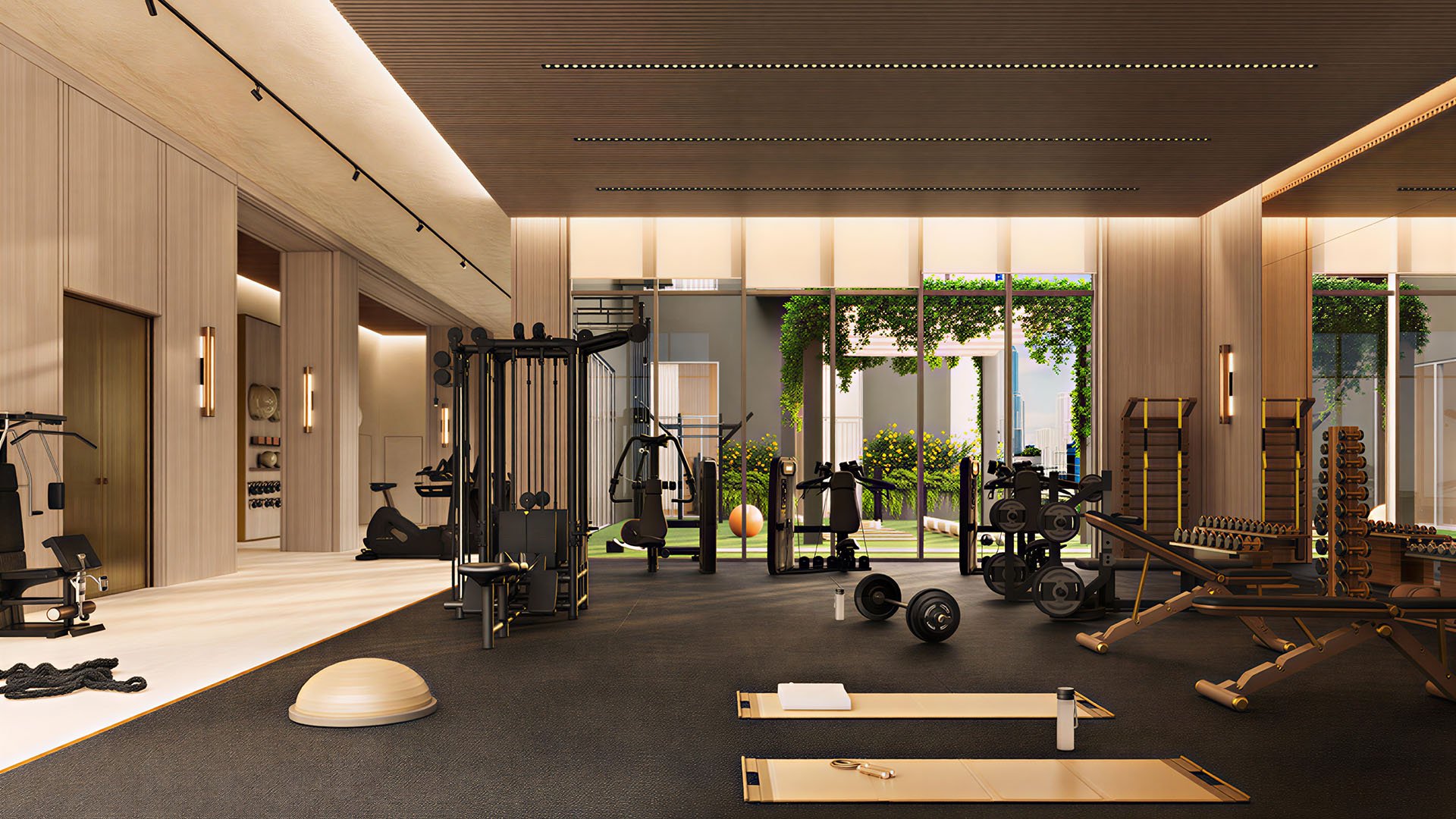
Wellness in residential real estate can be diluted when it becomes a catalogue of rooms. The strongest wellness environments tend to be legible. They create a clear path from intention to action. A resident should not need to negotiate layers of reservation rules, confusing access points, or competing uses just to maintain a routine.
For House of Wellness Brickell, the opportunity is to make wellness feel residential rather than theatrical. That means a building where health-oriented spaces are easy to understand, easy to schedule, and easy to return to. The luxury is not just having the space. It is trusting that the space will be available, maintained, and calm when it matters.
This is also why new-construction buyers increasingly ask operational questions earlier in the process. They are not only buying floor plans and finishes. They are buying future management decisions. A beautiful building with complicated operations can feel less luxurious over time than a more restrained building with excellent execution.
Brickell has become a natural setting for branded residences, with buyers weighing architecture, hospitality, food and beverage culture, wellness identity, and service language. Branding can add emotional clarity, but it can also create expectations that operations must satisfy every day.
That is why restraint can be powerful. A residence does not need to overwhelm the owner with constant programming to feel elevated. It needs to know when to appear and when to recede. The Residences at 1428 Brickell, for example, enters many buyer conversations around privacy, vertical living, and the desire for a highly refined urban address, making The Residences at 1428 Brickell a useful reference point for buyers who want sophistication without unnecessary noise.
The same principle extends beyond Brickell. The Well Coconut Grove speaks to the broader South Florida interest in wellness-led residential living, but the essential buyer question remains consistent: does the concept simplify life, or does it add another layer to manage?
Operational simplicity protects time. It also protects privacy, staff efficiency, household routines, and eventually investment logic. A residence that is easier to live in is often easier to recommend, easier to revisit, and easier to justify when compared with louder alternatives.
For end users, the value is immediate. The building feels composed. For second-home owners, the value is continuity. The residence can be left and reentered without friction. For family offices or advisors, the value is risk reduction. Fewer operational complexities can mean fewer points of irritation for the principal.
This does not mean spectacle has no place. South Florida luxury will always have room for drama, beauty, and arrival. But spectacle should be supported by systems. Without them, even the most photogenic amenity can become an underused promise.
A buyer considering House of Wellness Brickell should tour with a disciplined eye. Notice the spaces that are not meant to be photographed. Ask how the building will feel when guests arrive at the same time, when household staff need coordination, when wellness spaces are in demand, and when the owner wants privacy more than performance.
The most compelling residence may not be the one that says the most. It may be the one that removes the most friction. In Brickell, where intensity is part of the appeal, that kind of calm is not modest. It is strategic.
Why does operational simplicity matter in a luxury residence? It determines how gracefully the building functions after the initial tour. A simpler operation can make daily life feel calmer, more private, and more reliable.
Is House of Wellness Brickell mainly about amenities? The stronger lens is not amenities alone, but how easily residents can use them. Wellness depends on access, maintenance, privacy, and consistency.
What should buyers look for during a Brickell property tour? Buyers should watch arrival flow, elevator logic, staff coordination, and how intuitive the amenity areas feel. These details often reveal how the building will live.
Can a visually dramatic building still be operationally simple? Yes, if the drama is supported by disciplined service and clear circulation. The issue is not beauty, but whether beauty creates friction or removes it.
How does wellness real estate differ from traditional amenity design? Wellness real estate should support repeatable routines rather than isolated showcase moments. The experience must feel usable, not merely impressive.
Why compare House of Wellness Brickell with other Brickell projects? Comparisons help buyers understand differences in service tone, privacy, social energy, and daily convenience. The right choice depends on personal rhythm.
Do branded residences automatically offer better operations? Not automatically. A brand can set expectations, but the residential experience depends on execution, staffing, management, and restraint.
Is operational simplicity relevant for second-home owners? Very much so. Owners who come and go need a residence that is easy to reenter, maintain, and enjoy without unnecessary coordination.
How can simplicity support long-term value? A building that is easier to live in can remain more compelling over time. Durable satisfaction often comes from consistency rather than novelty.
What is the main takeaway for buyers considering this concept? Focus on how the residence will behave in real life. The best luxury often feels effortless because the complexity has been handled elsewhere.
When you're ready to tour or underwrite the options, connect with MILLION.
If branded residences are on your mind — as a home or as an allocation — we would be glad to share what we are seeing, privately.
Begin a quiet conversation