A buyer-focused guide to evaluating Las Olas and Fort Lauderdale Beach through the lens of protected view corridors, privacy, walkability, waterfront orientation, and long-term livability.
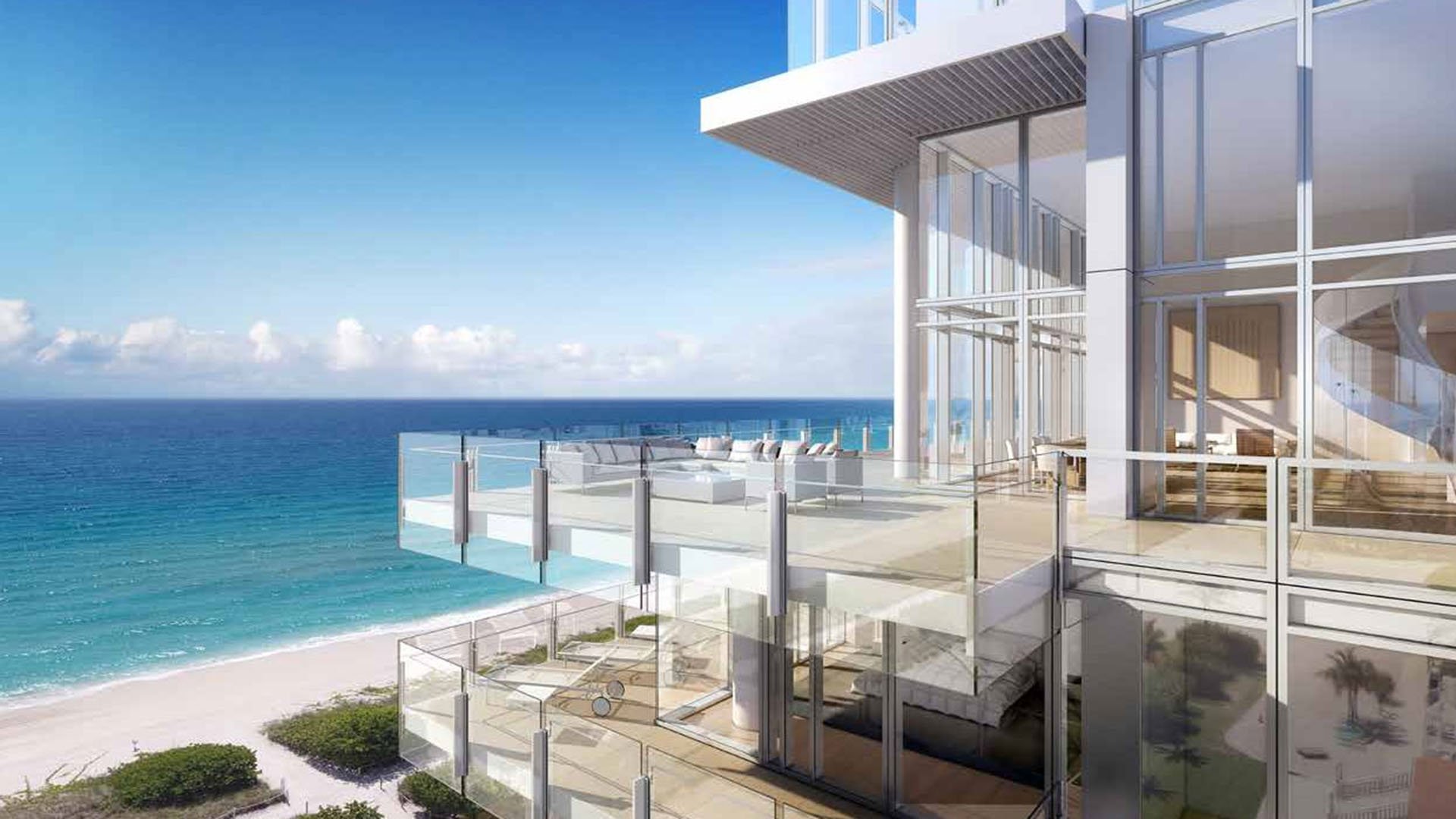
In Fort Lauderdale, the question is rarely whether a residence has a view. It is whether that view has staying power. For buyers weighing Las Olas against Fort Lauderdale Beach, protected view corridors can be the quiet distinction between a home that feels exceptional on day one and one that continues to feel considered years later.
A view corridor is not simply a pleasing angle from a balcony. It is the line of sight shaped by water, streets, parks, setbacks, building placement, neighboring parcels, and, in some cases, formal restrictions or planning controls. The strongest corridors feel open because something in the foreground is unlikely to change in a way that blocks the view. The weakest feel dramatic in a sales gallery but rely on airspace the buyer does not control.
This is where the Las Olas versus Fort Lauderdale Beach decision becomes more nuanced. Las Olas often appeals to buyers who want an urban waterfront rhythm, nearby restaurants, cultural convenience, marina life, and easy movement between city and coast. Fort Lauderdale Beach, by contrast, is more directly tied to sand, resort energy, ocean air, and the emotional value of waking up near the Atlantic. Both can be compelling. Neither should be evaluated by view labels alone.
For a high-value residence, the word protected deserves careful interpretation. A protected view may be created by a wide waterway, a public road, a park, a marina basin, a low-rise district, or a parcel whose future use is constrained. It may also be far less secure than it sounds. A buyer should distinguish between a view that is physically difficult to obstruct and one that is merely unobstructed today.
The first test is foreground control. If the view opens across water, a street, or another enduring civic space, the corridor may be more resilient. If the view depends on a vacant lot, a surface parking area, or an older low-rise property, the buyer should assume change is possible unless proven otherwise. The second test is angle. A direct view may be vulnerable if the neighboring parcel sits directly ahead. An oblique view across a diagonal waterway or broad urban opening can sometimes be more durable.
The third test is floor height. High-floor homes often gain longer sightlines, but height alone does not resolve every concern. A low obstruction in the foreground can still affect privacy, light, and perceived openness. Low-floor residences can be excellent when the corridor is tied to water, garden, or marina frontage. The goal is not the highest possible residence. The goal is the most defensible sightline for the way you live.
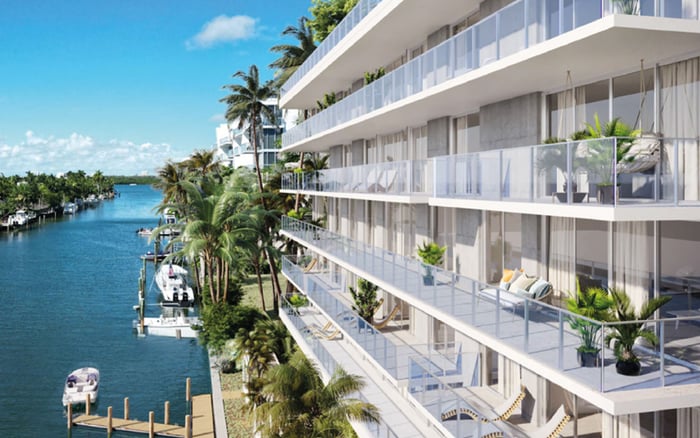
Las Olas is for the buyer who values texture. The experience is not only about looking outward. It is about moving easily between dining, galleries, riverfront paths, boating, and downtown conveniences. A waterview here may frame canals, river activity, skyline silhouettes, or a softer city-water composition rather than an uninterrupted ocean horizon.
That layered quality is precisely why view diligence matters. In a denser urban setting, the best outlooks often depend on diagonals, street alignments, water width, and the spacing between buildings. One residence may feel more private because its primary rooms are angled away from nearby towers. Another may offer a wider outlook from a modest elevation because the corridor follows a bend in the water or a broad civic opening.
Buyers considering Sixth & Rio Fort Lauderdale are typically thinking about the urban-waterfront side of Fort Lauderdale, where lifestyle value is measured in both proximity and perspective. In this context, a protected corridor is not only about resale language. It shapes everyday comfort: morning light, evening reflections, the sense of distance from neighboring residences, and the ease with which indoor rooms feel connected to the city.
Las Olas also rewards buyers who want to use their home frequently rather than only seasonally. The ability to step into a refined city routine can be as valuable as the view itself. For many, the right Las Olas residence feels less like a retreat from Fort Lauderdale and more like a private vantage point within it.
Fort Lauderdale Beach offers a different emotional proposition. Here, buyers are often drawn to the waterline, the beach routine, and the immedacy of the Atlantic environment. The view conversation becomes more elemental: ocean, sand, sky, sunrise, and the long horizon.
Yet beach views still require precision. A residence marketed as ocean-facing may have a primary exposure, a partial angle, or a view that changes significantly from room to room. The most valuable homes are not always the ones with the broadest single balcony moment. They are often the ones where the main living areas, primary suite, and outdoor spaces all participate in the view experience.
At Four Seasons Hotel & Private Residences Fort Lauderdale, the appeal naturally aligns with the beachside lifestyle: service, ease, and a polished coastal cadence. Nearby, Auberge Beach Residences & Spa Fort Lauderdale speaks to buyers who want the oceanfront setting to define the home’s daily identity. In both cases, the buyer’s work is to evaluate the precise sightline from the specific residence, not the general reputation of the address.
Fort Lauderdale Beach can also be more exposed in the best sense. The light is stronger, the air feels different, and the horizon creates a cleaner emotional read. But that openness comes with tradeoffs: more visitor energy, a stronger resort character, and a lifestyle that may feel less neighborhood-oriented than Las Olas.
The smartest approach is to compare specific residences through the same five questions.
First, what creates the view corridor? Water, roadway, park, setback, neighboring scale, and simple current vacancy each carry a different level of confidence. Second, which rooms benefit? A view from a terrace is pleasant. A view that anchors the living room, kitchen, primary suite, and arrival sequence is more meaningful. Third, how private is the view? A dramatic outlook can lose appeal if it places the home in direct visual conversation with another building. Fourth, how does the view perform at different times of day? Morning glare, afternoon shade, evening reflections, and nighttime city lights can all change the feeling of a residence. Fifth, what must be verified? Survey, title materials, zoning review, condominium documents, and professional planning guidance should all be part of the conversation when view durability is central to value.
This is the language of serious buyer guidance: do not buy the adjective, buy the geometry. Waterfront living and waterview living are not interchangeable. Waterfront may describe position. Waterview describes experience. Protected view corridors sit at the intersection of both.
A Las Olas buyer may prioritize a marina outlook, a river perspective, or a city-water blend that feels animated without becoming loud. The ideal residence may have a less obvious view but a better protected angle. It may also offer faster access to restaurants, business meetings, private clubs, and inland neighborhoods.
A Fort Lauderdale Beach buyer may prioritize horizon purity, beach access, and the emotional clarity of the ocean. The best choice may be the residence where the view is felt from deep inside the home, not only from the balcony edge. For some, the ocean itself is the protected corridor. For others, the more valuable arrangement is duality: beach energy outside, privacy and calm inside.
Projects such as St. Regis® Residences Bahia Mar Fort Lauderdale invite buyers to think about the meeting point of marina, beach, and service-driven living, while Riva Residenze Fort Lauderdale belongs in a different conversation about waterfront orientation and residential calm. The right comparison is not brand against brand. It is corridor against corridor, daily rhythm against daily rhythm, and exposure against privacy.
Choose Las Olas if your ideal view is part of a broader city-water lifestyle, with walkability, dining, boating culture, and a more layered urban setting. Choose Fort Lauderdale Beach if the horizon, resort atmosphere, and immediate coastal routine are central to the way you want to live.
In both places, the premium buyer should ask the same question: what protects the feeling I am paying for? If the answer is clear, documented, and visible from the rooms that matter most, the residence deserves serious consideration. If the answer is vague, treat the view as current enjoyment rather than permanent value.
Is a protected view corridor the same as an ocean view? No. An ocean view describes what you see, while a protected corridor addresses why that view may remain open.
Is Las Olas better than Fort Lauderdale Beach for privacy? It depends on the specific building, floor, exposure, and neighboring parcels. Las Olas can offer privacy through angled water and city views, while beach residences can offer distance through the horizon.
Should I prioritize height when buying for views? Height can help, but it is not the only factor. A lower residence with a durable water or park corridor may be more satisfying than a higher home with uncertain foreground conditions.
What should I verify before relying on a view claim? Review building orientation, neighboring parcels, governing documents, survey information, and planning context with qualified professionals.
Does waterfront always mean better views? Not always. Waterfront describes location, while the quality of the view depends on angle, distance, privacy, and what sits across the water.
Can a waterview be more valuable than a direct ocean view? For some buyers, yes. A layered waterview with privacy, movement, and protected openness can be more livable than a more obvious but exposed view.
Is Fort Lauderdale Beach only for seasonal owners? No. It can work beautifully for full-time residents who want a coastal routine, service, and immediate access to the beach environment.
Is Las Olas more convenient for daily living? Many buyers value Las Olas for its walkable urban rhythm, dining access, and connection to broader Fort Lauderdale routines.
Should project branding influence my decision? Branding matters for service, design, and operations, but the specific residence, view corridor, and privacy should drive the final decision.
What is the safest way to compare two residences? Stand in the main rooms at the same time of day, study the exact sightlines, and verify what could change in front of them.
For a discreet conversation and a curated building-by-building shortlist, connect with MILLION.
If branded residences are on your mind — as a home or as an allocation — we would be glad to share what we are seeing, privately.
Begin a quiet conversation