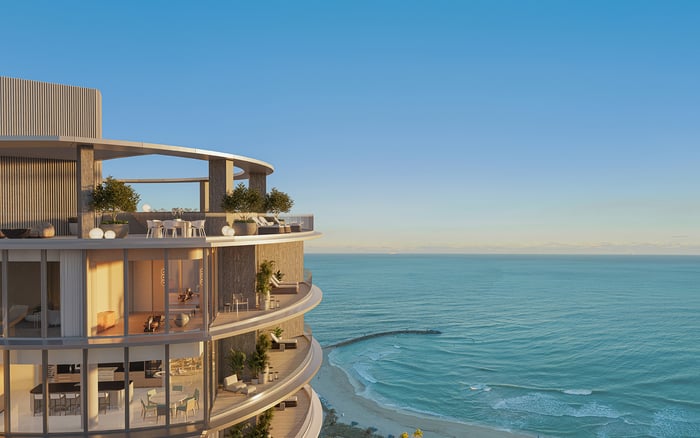
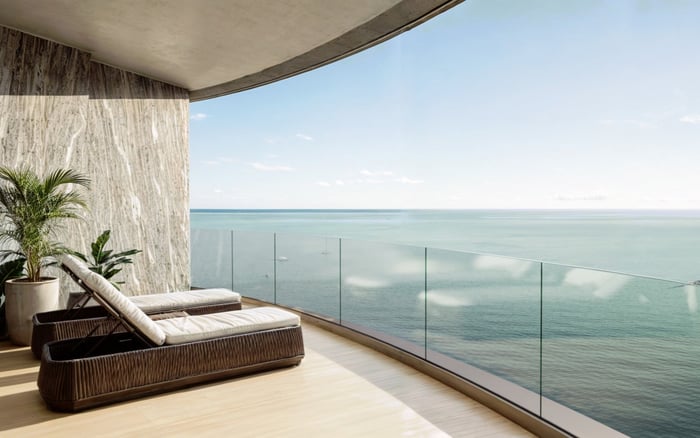
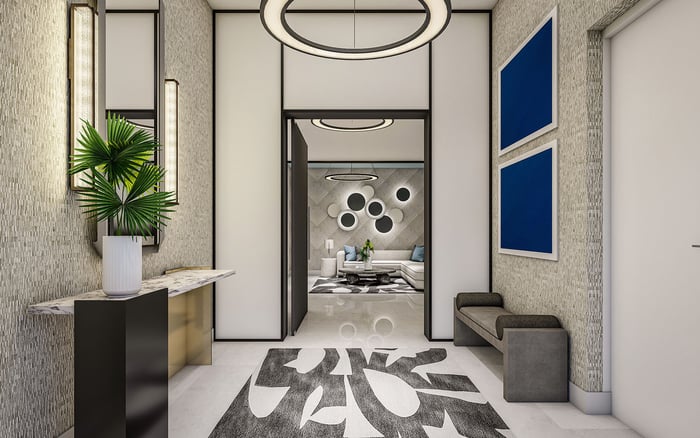
A discreet buyer’s guide to evaluating wellness-led residences in Bal Harbour, from air, light, privacy and service culture to the difference between true daily wellness and amenity theater.
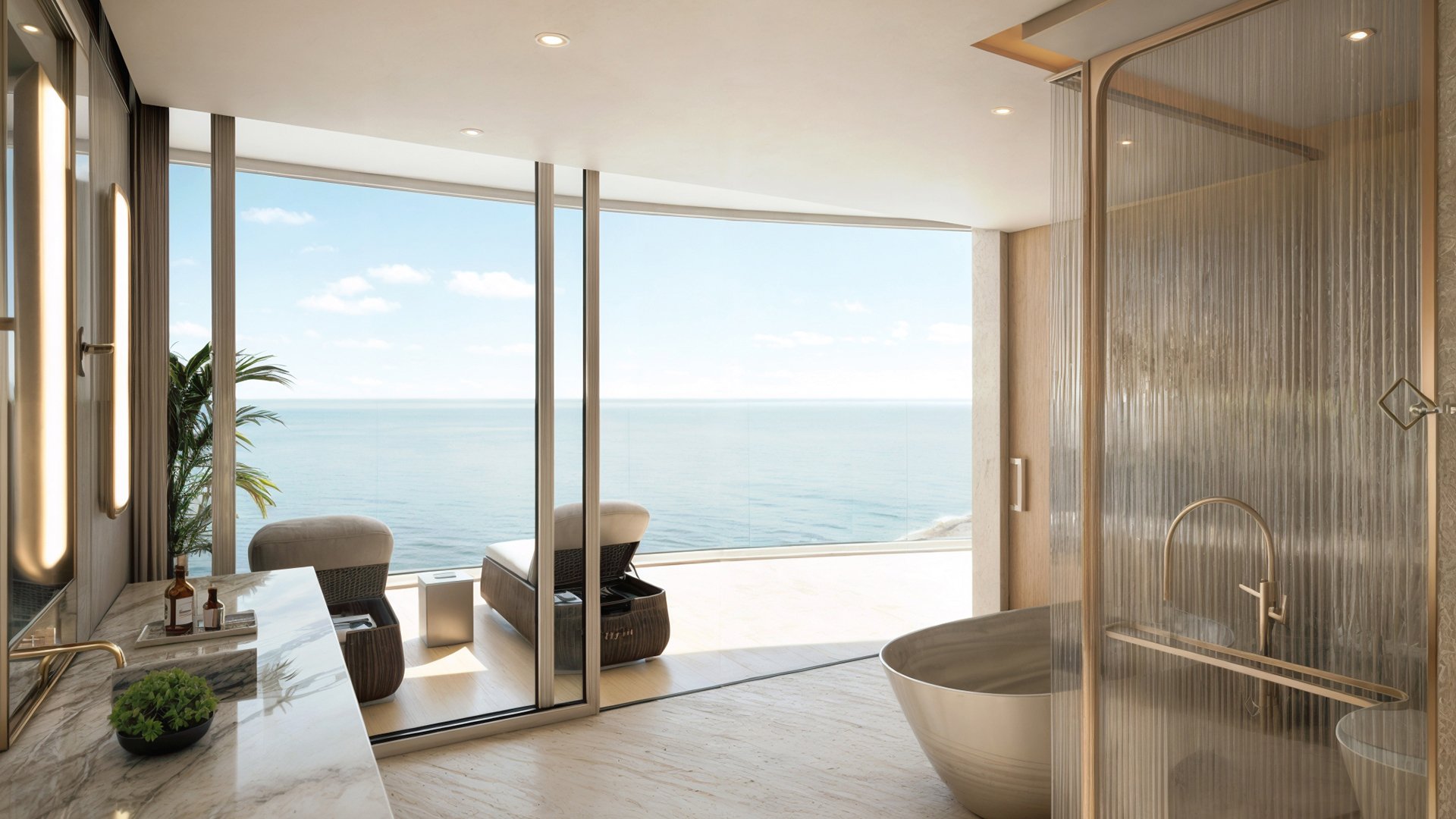
The most persuasive residence in Bal Harbour is often the one that quiets the room before it reveals the view. Ocean, sky and horizon matter, of course. They are part of the emotional charge of buying here. But a wellness-led residence should not depend on the balcony as its primary argument. It should support sleep, privacy, movement, recovery, hosting and retreat long after the first sunset has passed.
For the ultra-premium buyer, the question is not whether a building has a spa. The question is whether wellness has been considered as a daily residential system. That system begins at arrival, continues through the lobby, elevator, corridor and residence, then extends into amenity spaces without making daily life feel performative.
In Bal Harbour, where discretion and waterfront living carry particular weight, the strongest evaluation begins with restraint. Walk slowly. Listen. Notice transitions. Ask whether the home feels calm before anyone begins describing its amenities.
A wellness-led building is not defined by the longest menu of features. It is defined by the coherence between architecture, operations and private life. A dramatic fitness room may photograph beautifully, yet matter less than quiet bedrooms, intuitive circulation, shaded outdoor space and air that feels clean after a long day.
When considering Rivage Bal Harbour, or comparing it with established oceanfront addresses such as Oceana Bal Harbour, resist the temptation to start with the most cinematic vantage point. Begin with the residence plan. Are public and private zones clearly separated? Can guests be entertained without disturbing bedroom wings? Does the primary suite feel like a retreat, or merely a larger room with a view?
True wellness is also operational. A spa floor that becomes congested at peak hours is not restorative. A pool deck without a sense of personal space can compromise the promise of calm. Ask how residents move through shared areas, how appointments are managed and whether service is polished without becoming intrusive.
Buyers often speak about light as a visual preference. In a wellness-led home, light is a physiological and emotional asset. Look for daylight that is generous without being harsh. Consider how morning and afternoon exposure will affect the rooms used most often. A dazzling living room may not compensate for a bedroom that feels overexposed, under-shaded or visually busy.
Air is less visible, but just as important. Ask about ventilation, filtration, humidity management and the building’s approach to indoor comfort. In South Florida, wellness is partly the art of making the transition between tropical exterior and controlled interior feel graceful rather than abrupt.
Acoustics deserve equal attention. Stand in the bedroom. Pause in the corridor. Listen near the elevator lobby. A wellness residence should lower the nervous system, not ask the owner to adjust around mechanical noise, corridor traffic or amenity spillover. Silence is rarely marketed as aggressively as a view, but over time it may be the greater luxury.
The best Bal Harbour homes support multiple states of living. They should allow a formal dinner, a quiet morning, a post-travel reset and a family weekend without forcing the same mood onto every room. That requires more than square footage. It requires hierarchy.
Look closely at thresholds. Is there a proper sense of arrival inside the residence? Is storage sufficient for a life that may include seasonal wardrobes, wellness equipment, beach items and travel gear? Are terraces usable as outdoor rooms, or do they function mainly as viewing platforms?
In wellness-led design, the bathroom becomes more than a finish package. It should support ritual. The closet should reduce friction. The kitchen should work for both private routine and staffed entertaining. These details are not glamorous in the sales gallery, but they shape the lived experience.
In Bal Harbour, privacy is not an accessory. It is central to the purchase. A residence may be visually spectacular and still fail if sightlines expose daily life too easily. Study views from neighboring buildings, pool decks, arrival areas and adjacent terraces. Ask what can be seen at night when interiors are illuminated.
Privacy also concerns social choreography. Does the building allow owners to move from car to residence with ease? Are service routes thoughtfully separated? Can wellness appointments, deliveries, guests and staff be handled without turning the lobby into a stage?
This is where boutique scale, elevator design and staffing culture become part of the wellness conversation. The most refined buildings do not simply protect property. They protect energy.
A serious buyer should compare Bal Harbour with adjacent luxury pockets without assuming one geography answers every need. Surfside offers its own quieter rhythm, and projects such as The Delmore Surfside can help frame how newer coastal living is being interpreted just south of Bal Harbour. Nearby, The Well Bay Harbor Islands gives buyers another lens for considering how wellness language translates into residential expectation.
The comparison is not about declaring one address superior. It is about calibrating lifestyle. Some buyers want direct oceanfront drama. Others prefer a more sheltered daily pattern with easy access to the same luxury ecosystem. A sophisticated search should include both the headline view and the quieter question: where will the owner feel most restored on an ordinary Tuesday?
First showings are emotional. Second showings reveal discipline. Return at a different time of day if possible. Revisit the bedroom, not only the terrace. Walk the amenity level without rushing. Ask how the building feels when residents are actually using it.
Bring a wellness checklist, but keep it personal. Sleep quality, privacy, temperature comfort, natural light, outdoor usability, fitness habits, recovery rituals, staff access, guest flow and pet routines may all matter differently depending on the owner. A residence that is wellness-led for one buyer may be inconvenient for another.
The view should still move you. In Bal Harbour, it would be strange if it did not. But the right residence will do something rarer. It will continue to feel considered after the view becomes familiar.
What is a wellness-led residence? It is a home where design, privacy, air, light, acoustics, amenities and operations support daily well-being rather than simply presenting a spa as a feature.
Should the ocean view be the deciding factor in Bal Harbour? No. The view is important, but sleep quality, privacy, layout, service flow and daily comfort should carry equal weight.
How can a buyer judge wellness during a showing? Move slowly through the residence, listen for noise, observe light, test privacy and study how naturally the home supports routine.
Are wellness amenities enough to justify a premium? Not by themselves. The premium is stronger when amenities are supported by thoughtful architecture and a calm operating culture.
Why are acoustics so important in a luxury residence? Quiet affects rest, concentration and privacy. A beautiful home that feels noisy may not deliver true wellness over time.
How does waterfront living affect the wellness experience? Waterfront living can provide openness, light and visual calm, but it must be balanced with shade, privacy and interior comfort.
Should buyers compare Bal Harbour with Surfside? Yes. Surfside can offer a useful comparison for buyers deciding between oceanfront presence, neighborhood rhythm and residential scale.
What should I ask about building operations? Ask how amenities are reserved, how staff manage privacy, how service routes work and how resident flow is handled at busy times.
Can an older building still feel wellness-led? Yes, if the residence is quiet, private, well maintained and thoughtfully planned. Wellness is not limited to new construction.
What is the best way to shortlist comparable options for touring? Start with location fit, delivery status, and daily lifestyle priorities, then compare stacks and elevations to validate views and privacy.
To compare the best-fit options with clarity, connect with MILLION.
If branded residences are on your mind — as a home or as an allocation — we would be glad to share what we are seeing, privately.
Begin a quiet conversation