For buyers who measure luxury by how a home performs when conditions turn difficult, Arte Surfside deserves a disciplined look. The right evaluation is less about spectacle and more about privacy, access, systems, staff protocols, service continuity and the calm daily rhythm of Surfside.
In South Florida, the best residences are judged not only by what they deliver on a clear winter afternoon, but by how they perform when the weather becomes inconvenient. Storm-day livability is the quiet luxury standard many buyers now consider before finishes, views or entertaining spaces. It asks a simple question: if the city slows down, can the home still feel composed, private and functional?
That is why Arte Surfside belongs on the shortlist for buyers thinking beyond postcard ownership. The point is not to assume details that require building-level verification. The point is that Arte Surfside sits within a category of residences where a serious buyer can, and should, examine the lived experience of sheltering in place with the same rigor usually reserved for floor plans and closing costs.
For the ultra-premium buyer, storm-day livability is not a fear-based topic. It is about continuity. Can residents move through the property without needless friction? Are arrival, service, storage, communications and resident support handled with discretion? Does the residence make a difficult day feel smaller, quieter and easier to manage? Those questions now define the coastal South Florida buyer conversation.
Surfside carries particular appeal for buyers who want proximity to Miami Beach and Bal Harbour without the tempo of larger urban districts. That lifestyle preference matters on ordinary days, and it matters even more when conditions are less than ideal. A buyer prioritizing storm-day livability should consider how daily needs, family logistics, staffing, vehicle movement and access to trusted services would function during a period of disruption.
The area also invites comparison. A buyer considering Arte Surfside may naturally look at The Delmore Surfside, Fendi Château Residences Surfside or Eighty Seven Park Surfside to understand how different buildings frame privacy, scale, services and coastal living. Those comparisons should remain practical. In a storm-day context, the most important residence is not always the most theatrical one. It is the one whose building culture, physical planning and operating rhythm align with the buyer's household.
Surfside also forces a buyer to distinguish romance from resilience. An Oceanfront or Waterfront setting can be deeply compelling, but storm-day due diligence should look beyond the view. Buyers should ask how the property manages access, building staffing, loading areas, package handling, guest protocols, elevators, parking, communication and post-weather recovery. The more valuable the home, the more valuable that operational clarity becomes.
A proper evaluation of Arte Surfside should be specific, documented and unemotional. Buyers should ask for the building's current hurricane preparation procedures, resident communication practices, insurance context, reserve posture where applicable, generator capabilities if any, flood-related planning, elevator protocols, staffing plans and policies for vendors, deliveries and guests during severe weather periods. None of those items should be treated as secondary.
The best question is not simply, "Is the building prepared?" A more useful question is, "What exactly happens from the first notice through the final restoration of normal operations?" Buyers should understand who communicates, how often updates are sent, what areas are secured, how residents are expected to prepare terraces and openings, how parking is handled and what rules apply to non-resident personnel.
Interior planning also belongs in the conversation. Even without relying on unverified unit-specific details, a buyer can evaluate whether a residence has the storage, layout, circulation and privacy needed for a multi-day stay indoors. Families may prioritize separate work areas and calm secondary rooms. Seasonal owners may care more about lock-and-leave simplicity. Collectors may focus on environmental controls and secure placement of valuables. Pet owners may evaluate the building's approach to movement, service access and indoor routines.
Boutique residential living is often associated with intimacy, privacy and architectural character. In storm-day conditions, the value of a Boutique setting depends on execution. A smaller residential environment can feel calmer and more personal, but only when protocols are clear and the service team is experienced. Buyers should therefore examine not only the residence, but the operating culture around it.
That means asking how management communicates with residents, how the association or ownership structure handles preparedness, what expectations exist for absentee owners and how quickly common areas return to ordinary function after a weather event. These are not glamorous questions, but they are luxury questions. The highest expression of service is often invisible because it removes uncertainty before it becomes stress.
For buyers touring Arte Surfside, the best showing may not be the most seductive one. It may be the one that includes a candid conversation about storm preparation, access control and building operations. A refined residence should perform with grace when the owner is present, when the owner is away and when the household is operating under constraints.
Arte Surfside should not be evaluated in isolation. It belongs within a wider coastal set that may include Surfside, Bal Harbour, Miami Beach and selected barrier-island addresses. A buyer who wants a highly curated coastal life may compare Arte with The Surf Club Four Seasons Surfside for service culture, nearby residential rhythm and personal fit. The goal is not to name a universal winner. The goal is to define the correct ownership environment for a specific household.
For one buyer, storm-day livability may mean extensive staff coordination and family comfort. For another, it may mean a highly secure second home that can remain orderly during long absences. For another, it may mean a residence where pets, private chefs, assistants and visiting relatives can function without overwhelming the floor plan or the building team.
This is where Arte Surfside earns its place on the shortlist: it prompts the right conversation. It is a serious coastal candidate for buyers who want to test a residence through real-life scenarios rather than marketing language. The buyer who asks better questions will see the building more clearly.
Before making a decision, buyers should request documents and direct answers around building readiness, insurance, maintenance, reserves where relevant, access procedures, staff roles, water intrusion protocols, emergency communications and post-storm vendor coordination. Legal, insurance and engineering advisors should review technical matters. A luxury advisor should translate those findings into lived experience.
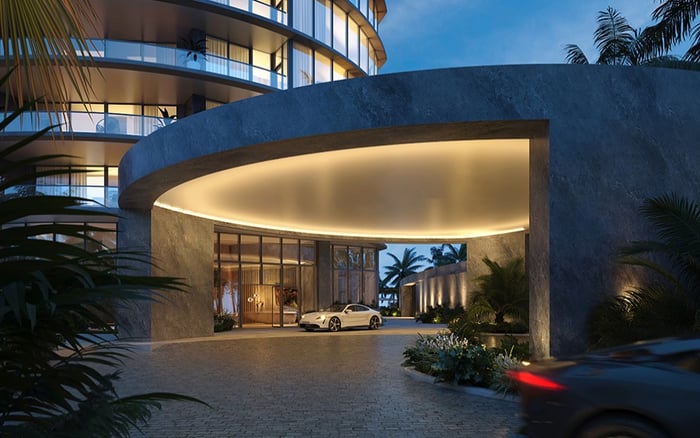
During a private tour, buyers should also walk the practical path of daily life. Where does the car enter? How intuitive is arrival? How dependent is the household on elevators? Where do deliveries flow? How would a guest, nurse, chef, assistant or pet caregiver move through the property if conditions were imperfect? Does the home still feel serene when the exterior world is less cooperative?
The answers may reinforce Arte Surfside as the right fit, or they may lead a buyer toward another building. Either outcome is useful. In the ultra-premium market, certainty is part of the asset. The best purchase is the one where the beauty of the residence is matched by confidence in its day-to-day and storm-day performance.
Why should storm-day livability matter to luxury buyers? It measures how well a residence supports privacy, comfort and continuity when weather or access conditions are less than ideal.
Does Arte Surfside automatically meet every storm-day criterion? Buyers should verify building-specific systems, policies and documentation directly before drawing conclusions.
What should I ask about first? Start with hurricane procedures, resident communications, access control, staffing plans, insurance context and building operations.
Is Surfside a practical area for storm-conscious buyers? Surfside can be compelling for buyers seeking a quieter coastal rhythm, but each building must be evaluated on its own merits.
How should I compare Arte Surfside with other Surfside properties? Compare service culture, privacy, operating protocols, access, storage, parking and the way each building manages disruption.
Are views the most important factor in an Oceanfront purchase? Views matter, but storm-day livability depends more on systems, planning, building management and resident experience.
Should seasonal owners evaluate storm-day livability differently? Yes. Seasonal owners should focus on lock-and-leave procedures, absentee communication and post-weather reporting.
What role do advisors play in this review? Legal, insurance, engineering and real estate advisors can help separate aesthetic preference from operational risk.
Can a Boutique building be better during storms? It can feel calmer and more personal when management is strong, but buyers should confirm protocols rather than assume.
What is the main reason to shortlist Arte Surfside? It gives serious buyers a strong coastal candidate for testing privacy, daily function and storm-day ownership priorities.
When you're ready to tour or underwrite the options, connect with MILLION.
If branded residences are on your mind — as a home or as an allocation — we would be glad to share what we are seeing, privately.
Begin a quiet conversation