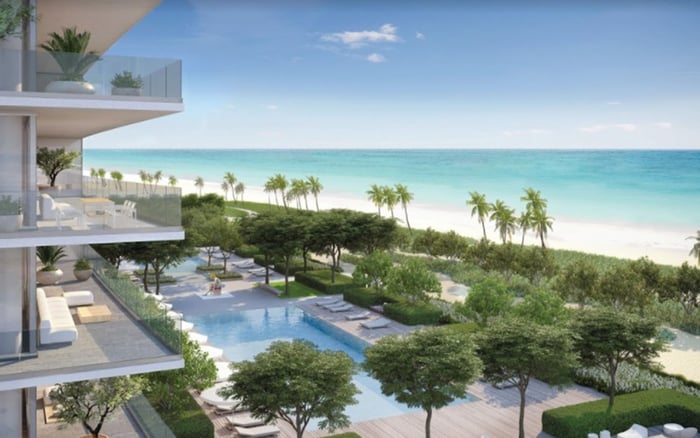
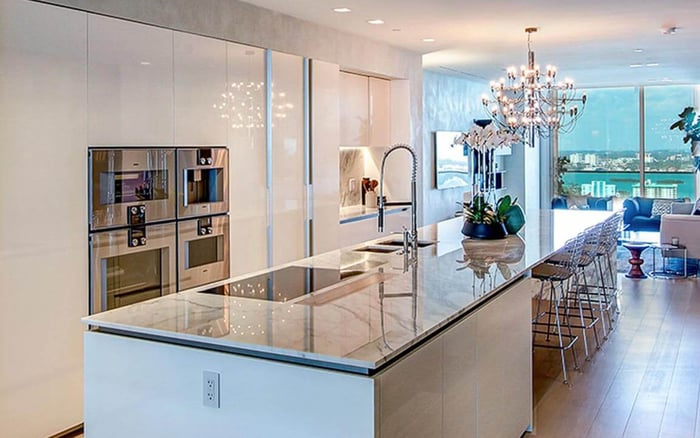
A buyer-focused look at Rivage Bal Harbour operating obligations, from assessments and reserves to insurance, staffing, amenities, and document review.

For buyers considering Rivage Bal Harbour, the central question is not simply whether the residence meets a desired standard of design, privacy, and oceanfront living. It is whether the ownership structure, once the building is delivered and operating at full luxury scale, aligns with the buyer’s long-term view of cost, service, and control.
Rivage Bal Harbour sits within Bal Harbour’s ultra-luxury condominium tier, a market where expectations are exacting. Owners are not only buying private square footage. They are joining an association responsible for funding the shared life of the building: staff, insurance, amenity care, vendor contracts, reserves, coastal maintenance, and the steady replacement of systems that allow a high-touch property to feel effortless.
That distinction is especially important for pre-construction buyers. A proposed budget can be useful, but it remains an estimate rather than a mature operating history. A sophisticated buyer should treat the early budget as a diligence starting point, not a final answer.
In the ultra-premium segment, purchase price often dominates the conversation. Yet carrying cost is what defines the ownership experience over time. Projected monthly assessments, reserve contributions, insurance premiums, possible special assessments, staffing costs, and amenity operations can materially shape the total cost of ownership.
A luxury condominium operating model is different from that of an ordinary residential building. Concierge programs, valet, security, pool and beach services, spa and fitness operations, cabana programs, dining-related services, and guest support can create recurring costs even for owners who are in residence only part of the year. The building may feel hotel-like, but the financial responsibility ultimately belongs to the association and, through it, the owners.
This is where Rivage should be underwritten as a luxury operating platform. The question is not whether a service is desirable. The question is whether the documents and projected budget clearly identify who pays for it, how the obligation may rise, and whether the association can change service levels after turnover.
A key diligence task is separating fixed obligations from variable costs. Fixed obligations may be embedded in the declaration of condominium, bylaws, association articles, management agreements, amenity agreements, or vendor contracts. These can include services the association is required to maintain, regardless of how often a particular owner uses them.
Variable costs are different. They may rise after delivery as insurance markets change, staffing needs become clearer, coastal maintenance requirements emerge, or vendors reprice contracts. A new building begins with modern systems, but no building is exempt from future reserve funding for elevators, roof, facade, mechanical systems, pool areas, and other shared components.
Cost-allocation formulas matter as well. They determine how common expenses are divided among unit owners, which can be especially important in buildings with varied residence sizes or distinctive amenity structures. Buyers should understand whether expenses are allocated by unit percentage, square footage, another formula, or a combination reflected in the governing documents.
Rivage belongs in a Bal Harbour frame, not a generic Miami condominium comparison. Buyers evaluating projected carrying costs should consider other ultra-luxury properties in the same coastal universe, including Oceana Bal Harbour, rather than comparing Rivage against conventional towers with less intensive service expectations.
The location brings undeniable appeal: privacy, ocean proximity, and a residential atmosphere that has long attracted buyers who value discretion. It also brings operating realities. South Florida coastal condominium insurance can be a major budget driver. Hurricane exposure, salt-air maintenance, facade care, pool-area upkeep, mechanical-system protection, and coastal infrastructure all deserve serious attention.
That does not make the proposition less compelling. It makes the underwriting more exacting. For the right buyer, a refined oceanfront residence in Bal Harbour is precisely the point. The obligation is to understand the financial architecture supporting that lifestyle before signing.
Many Rivage buyers may be seasonal, international, or second-home owners. For them, a critical question is whether costs are usage-based or mandatory for all owners. In many luxury buildings, owners may pay for the platform even when they are not personally using the pool, spa, concierge, cabana, dining, valet, or guest-service programs.
This can be entirely appropriate if the owner values seamless readiness. A residence that is maintained, staffed, secured, and prepared for arrival has a cost structure. But the distinction should be clear. Buyers should ask whether any restaurant, club, cabana, guest-suite, valet, concierge, or management agreement creates fixed costs for the association.
Comparable ultra-luxury coastal buildings, from Arte Surfside to The Delmore Surfside, reinforce the broader point: in the top tier, the building’s ongoing service promise is part of the asset. That promise requires funding, governance, and long-term reserve discipline.
The essential reading stack includes the declaration of condominium, bylaws, association articles, estimated operating budget, reserve schedule, and any amenity, service, management, or vendor agreements. Buyers should not treat these documents as formalities. They are the financial constitution of the building.
Focus first on assessment authority. How are regular assessments calculated? How can they increase? What process governs special assessments? What happens if the initial budget proves too low after delivery? Then review reserve funding. Are reserves addressed for major shared components, and how flexible is the association’s approach to funding replacements over time?
Developer subsidy terms and turnover timing also deserve attention. If early budgets rely on temporary support, buyers should understand when that support ends and what the association budget may look like afterward. If certain service levels are established before turnover, buyers should know whether the owner-controlled association can modify them later.
For buyers, this is the portion of diligence that separates an elegant purchase from a durable ownership decision. The goal is not to suppress the luxury experience. It is to confirm that the luxury experience is financially transparent.
A practical underwriting approach begins with three scenarios: the developer budget as presented, a higher-cost insurance scenario, and a fully stabilized service scenario after the association has lived with staffing, vendor, and maintenance realities. No buyer needs to invent numbers, but every buyer should ask counsel and advisors to stress-test the categories.
Insurance should be reviewed as its own line of inquiry. South Florida coastal condominium premiums can materially affect association budgets, and the range of future outcomes is worth discussing before contract decisions become emotional. Reserve adequacy should receive similar treatment, particularly because new construction does not eliminate future replacement obligations.
The strongest comparison set is not broad new construction across Miami. It is the ultra-luxury coastal class, where buyers also evaluate privacy, service density, amenity breadth, and long-term governance. That is why pricing and trends analysis should focus on carrying-cost realism, not just recent sales narratives.
Is Rivage Bal Harbour only a purchase-price decision? No. Buyers should evaluate total ownership cost, including assessments, reserves, insurance, staffing, amenities, and potential special assessments.
Why are developer budgets not enough on their own? In a pre-construction building, the budget is an estimate rather than a proven operating history. It should be tested against future insurance, staffing, and maintenance realities.
Which documents should buyers review first? Start with the declaration, bylaws, association articles, estimated operating budget, reserve schedule, and any amenity or service agreements.
Why does the oceanfront location affect obligations? Coastal exposure can influence insurance costs, hurricane planning, salt-air maintenance, facade care, and shared infrastructure upkeep.
Can part-time owners still pay for full amenities? Yes. Amenity-heavy buildings may create mandatory obligations for all owners, even those who use the residence seasonally.
What service agreements deserve special attention? Buyers should ask about restaurant, club, cabana, guest-suite, valet, concierge, management, and other vendor agreements that may create fixed costs.
Do new buildings still need reserves? Yes. Modern systems reduce some early concerns, but owners still fund future needs such as elevators, roof, facade, mechanical systems, and pool areas.
How should Rivage be compared with other buildings? Compare it with other ultra-luxury Bal Harbour and coastal properties, not ordinary condominium buildings with lighter service models.
What is an assessment escalation risk? It is the possibility that regular assessments increase after delivery as actual operating, insurance, staffing, or reserve needs become clearer.
What is the safest buyer framing for Rivage? Underwrite it as a luxury operating platform as well as a private residence, with attention to both lifestyle value and long-term obligations.
For a confidential assessment and a building-by-building shortlist, connect with MILLION.
If branded residences are on your mind — as a home or as an allocation — we would be glad to share what we are seeing, privately.
Begin a quiet conversation