A discreet look at Arte Surfside through the lens of collector living, from privacy and scale to wall planning, cultural access, and the evolving Surfside luxury conversation.
For the art collector, the defining luxury in a residence is rarely a single amenity. It is control: over light, privacy, guest flow, security, storage, proportion, and the daily experience of living with meaningful objects. In that context, Arte Surfside belongs in a very specific conversation: not the loudest version of Miami luxury, but one of its most edited.
Surfside holds particular appeal for buyers who want proximity to Miami’s cultural energy without living inside its constant performance. The address suggests a slower rhythm, a more residential cadence, and a preference for discretion. For collectors, that distinction matters. A home is not only where art is displayed. It is where art is protected, rotated, discussed, lent, photographed, and lived with over many years.
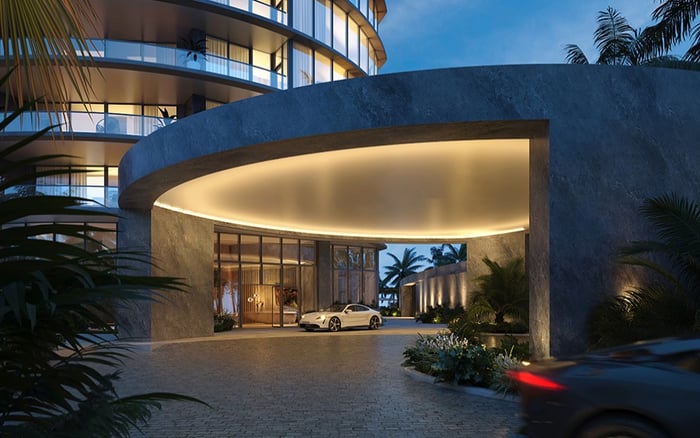
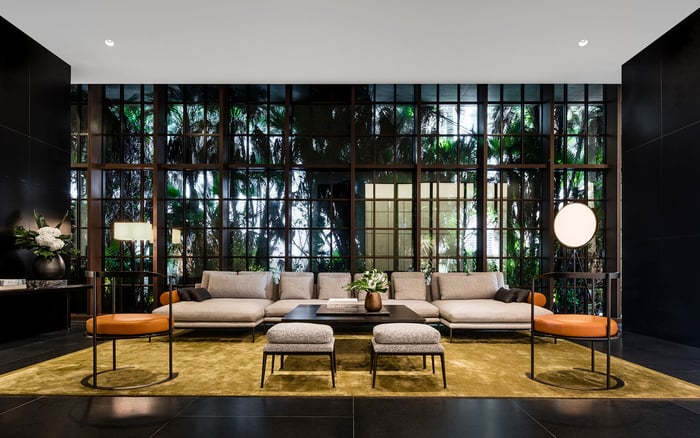
Arte Surfside fits this conversation because the collector buyer is often seeking a building that feels less like a stage and more like a private gallery with residential warmth. The question is not whether a property impresses at first glance. It is whether it remains calm, legible, and useful after the first year of ownership.
Surfside occupies a rare lane within South Florida luxury. It is close to Bal Harbour, Miami Beach, and the broader cultural orbit of Miami, yet it maintains a softer residential identity. That balance is especially relevant to collectors who may attend major cultural events, entertain visiting curators or friends, and still want the home itself to feel sheltered.
During Art Basel season, many buyers are reminded that South Florida is no longer just a resort market. It is a cultural marketplace, a design marketplace, and an increasingly serious residential base for people whose lives involve art, objects, architecture, fashion, and philanthropy. The strongest homes for this audience do not simply provide square footage. They express a point of view.
This is where Surfside becomes more than a beach location. It offers a setting in which the residence can serve as retreat, salon, and private archive. A collector may spend one evening at a dinner in Miami Beach and the next morning reviewing works in a serene room where the ocean, the architecture, and the art are not competing for attention.
Design & Architecture is not an ornamental category for this buyer. It is part of the acquisition logic. A collector will study wall spans, ceiling heights, structural rhythm, elevator arrival, corridor width, window placement, and the relationship between natural and controlled light. These are not minor details. They determine whether important works can be installed with confidence.
A successful collector residence does not need every wall to become a display wall. In fact, restraint is often preferable. What matters is the hierarchy of moments. One room may be designed around a major painting. Another may hold sculpture. A hallway may become a sequence of quieter works on paper. A dining area may be planned for conversation, not clutter.
This is the larger lens through which Arte Surfside should be evaluated. The art collector is not simply buying a condominium. The buyer is asking whether the building supports a way of living where design decisions remain disciplined. In this sense, the surrounding competitive set is less about direct imitation and more about different interpretations of prestige. Fendi Château Residences Surfside speaks to fashion-inflected residential identity, while The Surf Club Four Seasons Surfside carries the language of resort heritage and hospitality. Each appeals to a different version of refined coastal ownership.
Boutique living has become an important filter for buyers who collect seriously. A smaller residential environment can feel more personal, less exposed, and more consistent with the way collectors often prefer to move through the world. Privacy is not only about being unseen. It is about limiting friction.
For art-led living, that may include a more graceful arrival sequence, fewer casual interactions in shared spaces, and a building culture that understands discretion. It may also shape how owners entertain. A collector’s dinner is rarely about volume. It is about atmosphere, seating, lighting, acoustics, and the ability to guide guests through a home without making the evening feel overproduced.
The boutique appeal also extends to daily routine. A residence that feels composed on an ordinary Tuesday can be more valuable than one that only performs well during an event. Buyers should consider how the home functions when works are being moved, when a designer is revising a room, when family is in residence, or when the owner wants absolute quiet.
Oceanfront living introduces both opportunity and discipline. Water views can be extraordinary, but they can also dominate interiors if the architecture does not manage them carefully. For collectors, the ideal is not to diminish the view. It is to create balance between the horizon and the work.
That balance depends on how rooms are proportioned and how light enters the residence. Direct glare may be difficult for certain works. Reflected light, afternoon exposure, and large expanses of glass all require careful planning. Serious buyers should think early about shading, UV management, climate control, and the possibility of rotating works seasonally.
Nearby, Eighty Seven Park Surfside offers another example of how Surfside can appeal to design-conscious residents who want a softer coastal edge. The point for buyers is not to select a building by image alone. It is to understand how each residence mediates between nature, architecture, privacy, and display.
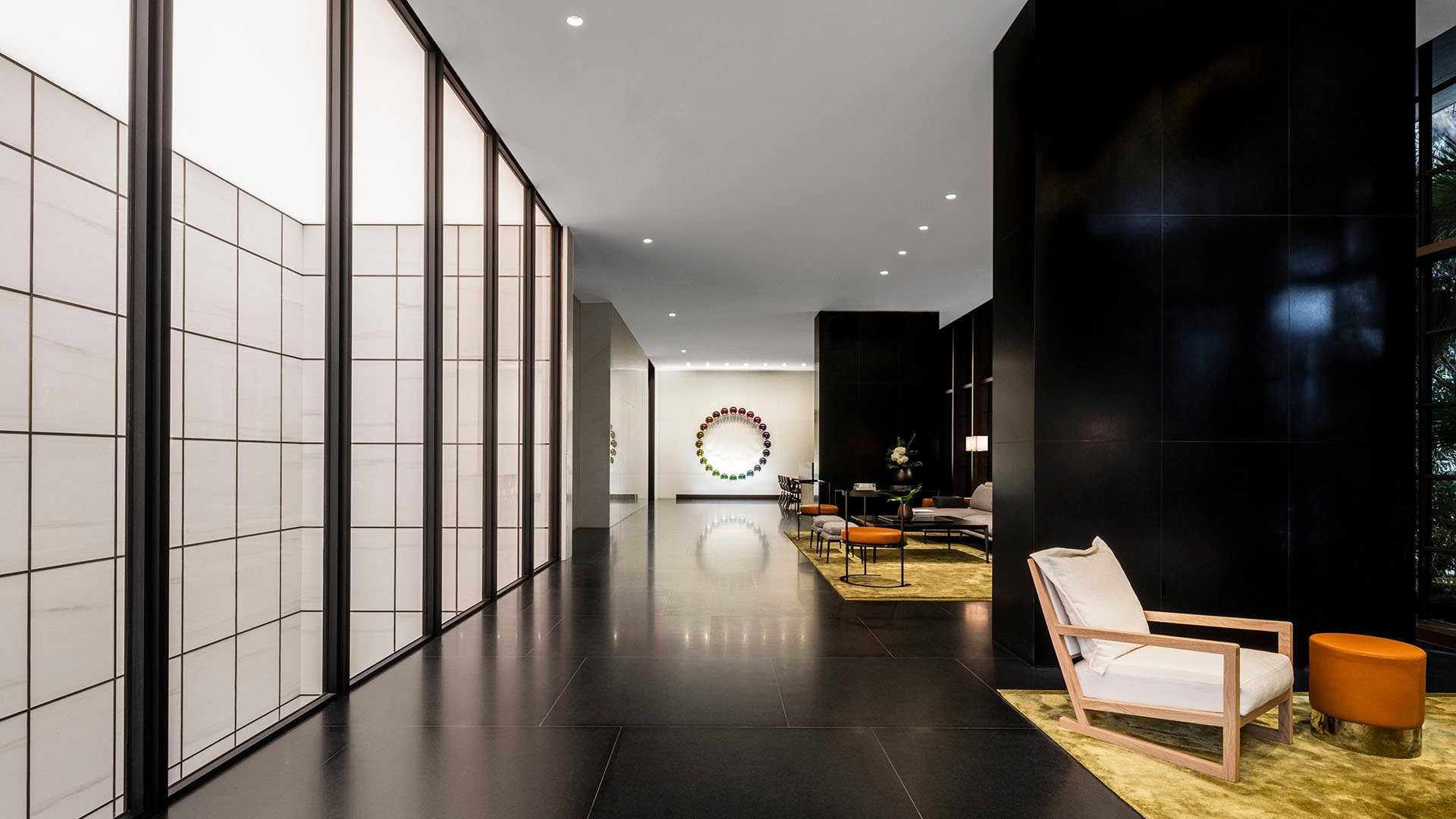
Arte Surfside’s role in the collector conversation is tied to its sense of restraint. A collector comparing Surfside options may look at several questions. Does the residence feel calm enough for important work? Can the owner host without compromising privacy? Are the public areas polished but not theatrical? Does the building feel like it will age with taste rather than chase a moment?
This is where The Delmore Surfside may enter the same mental map for buyers evaluating newer or future-facing expressions of Surfside luxury. The collector is not always comparing like for like. Sometimes the comparison is philosophical. One building may feel more intimate, another more expansive, another more service-led. The right answer depends on how the buyer lives with art.
For some, the ideal residence is a pristine backdrop. For others, it is a layered interior where inherited objects, contemporary acquisitions, and commissioned design all coexist. Arte Surfside is most compelling when considered through that second lens: a setting for a personal world, not merely a finished product.
The first consideration is light. Buyers should walk the residence at different times if possible and study how sunlight moves through the rooms. The second is wall logic. Large works need more than blank space. They need breathing room, viewing distance, and architectural alignment.
The third is service access. Even a modest collection may require periodic installation, conservation visits, packing, or movement. The fourth is climate stability. South Florida’s beauty comes with humidity, sun, and salt air, so interiors should be planned with preservation in mind. The fifth is discretion. The best collector residence protects not only the art, but the owner’s life around it.
Finally, buyers should consider whether the building’s personality will complement the collection. A highly expressive interior may suit certain owners, while others will prefer a quieter canvas. In Surfside, the most successful choice is often the one that lets the owner’s eye take precedence.
Art collector living in Surfside is not about turning a home into a museum. It is about creating a residential environment where serious objects can exist naturally within daily life. The kitchen still needs to work. The terrace still needs to invite morning coffee. The living room still needs to feel comfortable when no guests are present.
That is why Arte Surfside remains relevant to the conversation. It represents a version of luxury that rewards close reading. The appeal is not only location or design presence. It is the possibility of living with art in a way that feels composed, private, and deeply personal.
For South Florida buyers, this may be the next stage of sophistication. The most meaningful residence is not the one that announces wealth most loudly. It is the one that understands silence, proportion, and the value of a well-placed wall.
Why is Arte Surfside relevant to art collector living? It sits within a Surfside luxury conversation where privacy, restraint, and architectural clarity matter to buyers who live with meaningful collections.
What should collectors prioritize in a Surfside residence? Light control, wall space, climate planning, discreet service access, and a calm arrival experience should all be evaluated early.
Is Oceanfront living appropriate for art collections? It can be, provided the interiors are planned for glare, UV exposure, humidity, and careful placement of sensitive works.
Why does Boutique scale appeal to collectors? Boutique environments can offer a more private and controlled daily experience, which often aligns with the collector mindset.
How does Surfside differ from busier Miami neighborhoods? Surfside offers proximity to cultural destinations while maintaining a quieter residential rhythm that many collectors prefer.
Should buyers compare Arte Surfside with other Surfside properties? Yes, because each building expresses a different balance of privacy, service, design character, and coastal lifestyle.
Does Design & Architecture affect art display? Absolutely. Proportion, ceiling height, wall placement, window rhythm, and circulation all shape how art can be experienced.
Can a collector residence still feel comfortable? The best ones do. A successful collector home supports daily living while giving important works space and dignity.
When should an art advisor or designer be involved? Ideally before purchase or early in due diligence, so display, preservation, and installation needs can be assessed clearly.
What is the best way to shortlist comparable options for touring? Start with location fit, delivery status, and daily lifestyle priorities, then compare stacks and elevations to validate views and privacy.
For a tailored shortlist and next-step guidance, connect with MILLION.
If branded residences are on your mind — as a home or as an allocation — we would be glad to share what we are seeing, privately.
Begin a quiet conversation