A discerning buyer’s guide to evaluating service, privacy, architecture, governance, and daily livability in Coral Gables condominium towers before being seduced by a sweeping outlook.
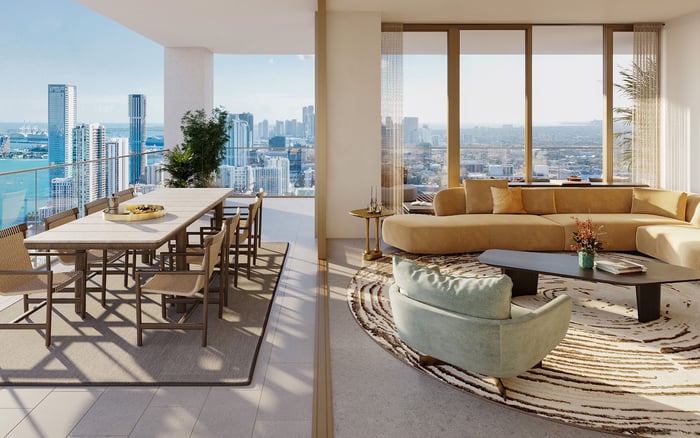
A beautiful view can make a buyer forgive almost anything during a first showing. In Coral Gables, that is exactly why it deserves discipline. The skyline, treetops, golf course edges, and distant bay light all carry emotional force, but a full-service tower is not purchased for a single moment at the glass. It is purchased for the way it functions every morning, every evening, and every time a guest, driver, delivery, housekeeper, trainer, or family member moves through the building.
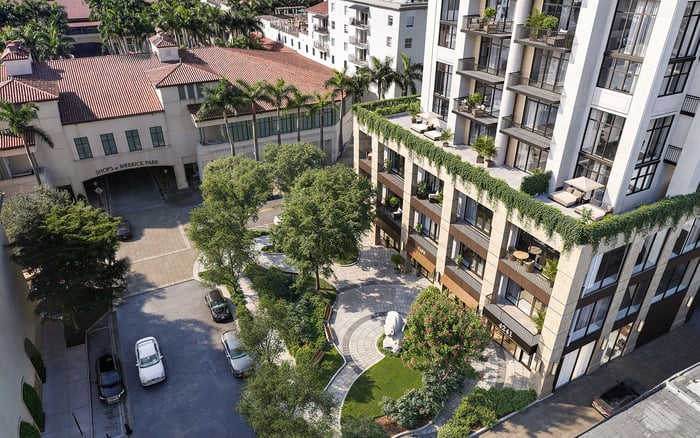
The strongest Coral Gables condominium addresses tend to combine grace with restraint. They do not need to announce luxury loudly. They reveal it through proportion, privacy, maintenance, staffing, and the quiet confidence of an arrival that never feels improvised. For buyers comparing Ponce Park Coral Gables, The Village at Coral Gables, and Cora Merrick Park, the question is not simply which residence photographs best. It is which building will remain composed after the novelty of the view becomes part of daily life.
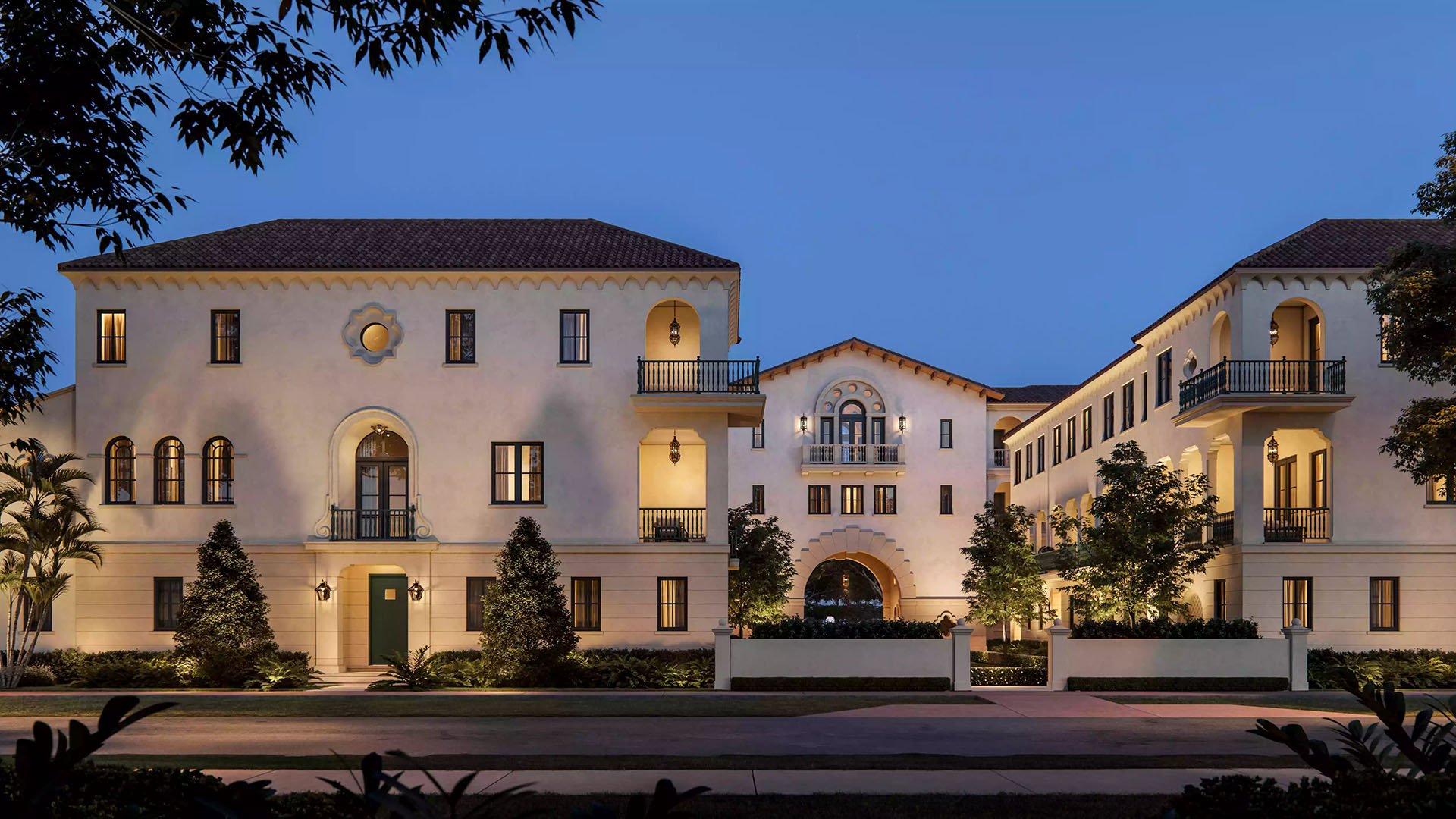
Before stepping onto the terrace, slow down at the curb. The arrival sequence is often the most honest preview of a tower’s service culture. Is there a clear distinction between residents, guests, valet, rideshare, service vendors, and deliveries? Does the porte cochere feel protected from weather and congestion? Is the lobby beautiful in a way that supports daily use, not just marketing photography?
A full-service tower should make complicated living feel simple. That requires intuitive circulation, calm staff interaction, discreet package handling, and guest management that does not turn the front desk into a bottleneck. A buyer accustomed to private clubs, hotels, and staffed homes will quickly recognize when a building has been designed around real movement rather than decorative ceremony.
In Coral Gables, where privacy and neighborhood character matter deeply, the best arrivals feel residential rather than theatrical. They provide ease without feeling public, polish without feeling commercial, and security without creating a defensive mood.
The phrase full-service can mean many things. A buyer should ask what is actually staffed, what is outsourced, what is available around the clock, and what requires advance scheduling. Concierge, valet, receiving, maintenance coordination, security, amenity attendants, and management responsiveness all shape the lived experience.
Look beyond the amenity menu and study the operating philosophy. Can staff anticipate repeat preferences? Is there a clear procedure for private events? How are contractors approved and supervised? What happens when two residents need the same service at the same time? Luxury is not the promise that nothing will go wrong. Luxury is the presence of systems that keep small issues from becoming visible burdens.
This is where many buyers separate a handsome building from a genuinely residential one. A tower may have a compelling view, but if the service rhythm is thin, inconsistent, or overly dependent on a few personalities, the experience can feel fragile. Full-service should be institutional enough to endure and personal enough to feel human.
Views often draw the eye outward, but privacy is found in the plan. Study elevator access, corridor length, foyer depth, bedroom placement, staff entries, and the relationship between entertaining spaces and private rooms. A gracious residence should allow someone to receive guests without exposing the entire home.
In a true luxury tower, the elevator moment matters. Private or semi-private access, a well-scaled vestibule, and a logical transition into the main living area can change the feeling of the residence. The best layouts offer both openness and control. They allow the view to unfold rather than forcing it to compensate for awkward planning.
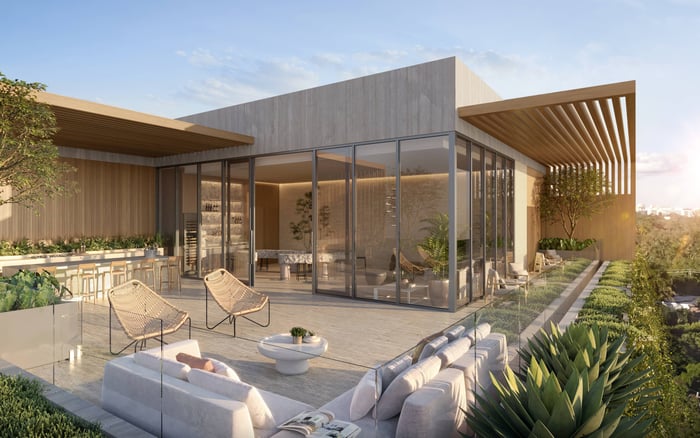
Balconies and terraces deserve the same scrutiny. A large outdoor space is only valuable if it is usable. Consider depth, exposure, shade, furniture placement, privacy from neighboring residences, and whether outdoor living is comfortable at the times of day you will actually use it. A spectacular overlook that is too hot, too windy, or too exposed may function more as a postcard than a room.
In a market that prizes newness, endurance is the more sophisticated standard. Coral Gables has a strong architectural identity, and a tower that belongs here should be judged not only by finish quality, but by proportion, material discipline, landscape integration, and how it meets the street.
New-construction can offer current systems, contemporary planning, and fresh amenity concepts, but the buyer’s task is to separate timeless design from fashionable styling. Ask whether the exterior will age gracefully, whether the lobby materials can be maintained, and whether the common areas feel appropriate to the neighborhood. A building may be visually striking on opening day yet less convincing if its design depends on novelty rather than balance.
For buyers who also compare nearby Coconut Grove and Brickell options, projects such as Four Seasons Residences Coconut Grove and The Residences at 1428 Brickell can help frame how different neighborhoods interpret service, skyline, privacy, and amenity scale. Coral Gables should not imitate those markets. Its advantage is composure, greenery, cultural depth, and a more measured form of prestige.
Amenity packages can be seductive, particularly when they include wellness, dining, lounges, pools, treatment rooms, work areas, and entertainment spaces. The better question is not how many amenities exist, but how often you would use them and whether they are managed with the same care as the residences.
A pool should be evaluated for sun, shade, seating density, privacy, towel service, noise, and the transition from elevator to deck. A fitness center should be assessed by ceiling height, equipment spacing, ventilation, and whether it can serve residents at peak hours. A residents’ lounge should feel like an extension of home, not a rental venue waiting to happen.
Lifestyle programming also requires judgment. Some buyers want a social building with curated gatherings and active common spaces. Others want discretion, quiet, and the ability to live beautifully without being continually engaged. The best tower is not the one with the longest amenity list. It is the one whose lifestyle matches your own.
A full-service tower is also a shared financial and operational enterprise. Elegant stone, fine millwork, and panoramic glass cannot compensate for weak governance. Before becoming attached to a residence, review association structure, budget discipline, reserve planning, insurance posture, maintenance standards, rental policies, pet rules, guest protocols, and procedures for alterations.
This is not merely administrative. Governance shapes resale liquidity, resident culture, and the day-to-day feeling of the building. A tower with clear rules and consistent enforcement can feel more effortless because expectations are understood. A building with vague policies may depend too heavily on negotiation, personalities, or informal exceptions.
The most refined purchase decisions often come down to what is least visible during a tour. Mechanical care, staffing depth, board culture, and long-term maintenance all influence whether a building continues to feel premium after the sales gallery language fades.
Coral Gables is not a generic high-rise market. Its appeal is tied to civic beauty, mature landscaping, cultural life, dining, private clubs, schools, offices, and access to Miami without surrendering entirely to Miami’s pace. The right tower should amplify that character rather than dilute it.
That is why buyers should think in layers. The first layer is the residence itself: light, plan, ceiling feel, terrace, finishes, and view. The second is the building: service, amenities, security, parking, maintenance, and resident culture. The third is the neighborhood: walkability, traffic patterns, dining habits, school runs, airport access, and weekend routines.
A view belongs mostly to the first layer. A truly successful purchase satisfies all three. In Coral Gables, daily luxury is often less about spectacle and more about continuity. The building should make life feel more settled, not merely more elevated.
Should I prioritize the best view in a Coral Gables tower? Prioritize the best complete residence. A view is valuable, but service, privacy, plan quality, and governance usually determine long-term satisfaction.
What does full-service really mean in a luxury tower? It should mean reliable staffing, thoughtful guest handling, secure access, maintenance coordination, and a management culture that reduces friction.
How can I tell if a lobby is genuinely functional? Watch how people move through it. The best lobbies manage residents, guests, deliveries, and staff discreetly, without congestion or confusion.
Are amenities more important than square footage? Not usually. Amenities enhance daily life, but a well-planned residence with privacy and proportion remains the foundation of value.
Why does governance matter before making an offer? Governance affects costs, rules, maintenance, rentals, alterations, and the overall resident culture of the building.
Is new-construction always preferable in Coral Gables? New-construction can be compelling, but buyers should still evaluate architecture, service depth, maintenance planning, and neighborhood fit.
How should I compare Coral Gables with Coconut Grove or Brickell? Compare lifestyle first. Coral Gables often appeals to buyers seeking refinement, greenery, privacy, and a more composed daily rhythm.
What is the biggest mistake buyers make during a showing? They step directly to the windows. A better tour begins with arrival, staff interaction, elevator sequence, and floor plan logic.
Can a beautiful terrace be impractical? Yes. Exposure, depth, shade, wind, privacy, and furniture placement determine whether a terrace functions as real living space.
How should lifestyle influence my final choice? Choose the tower whose service, amenities, resident culture, and neighborhood routine match how you actually live.
If you'd like a private walkthrough and a curated shortlist, connect with MILLION.
If branded residences are on your mind — as a home or as an allocation — we would be glad to share what we are seeing, privately.
Begin a quiet conversation