A discreet buyer’s guide to Coconut Grove for California entrepreneurs weighing South Florida as a refined personal, family, and business base.
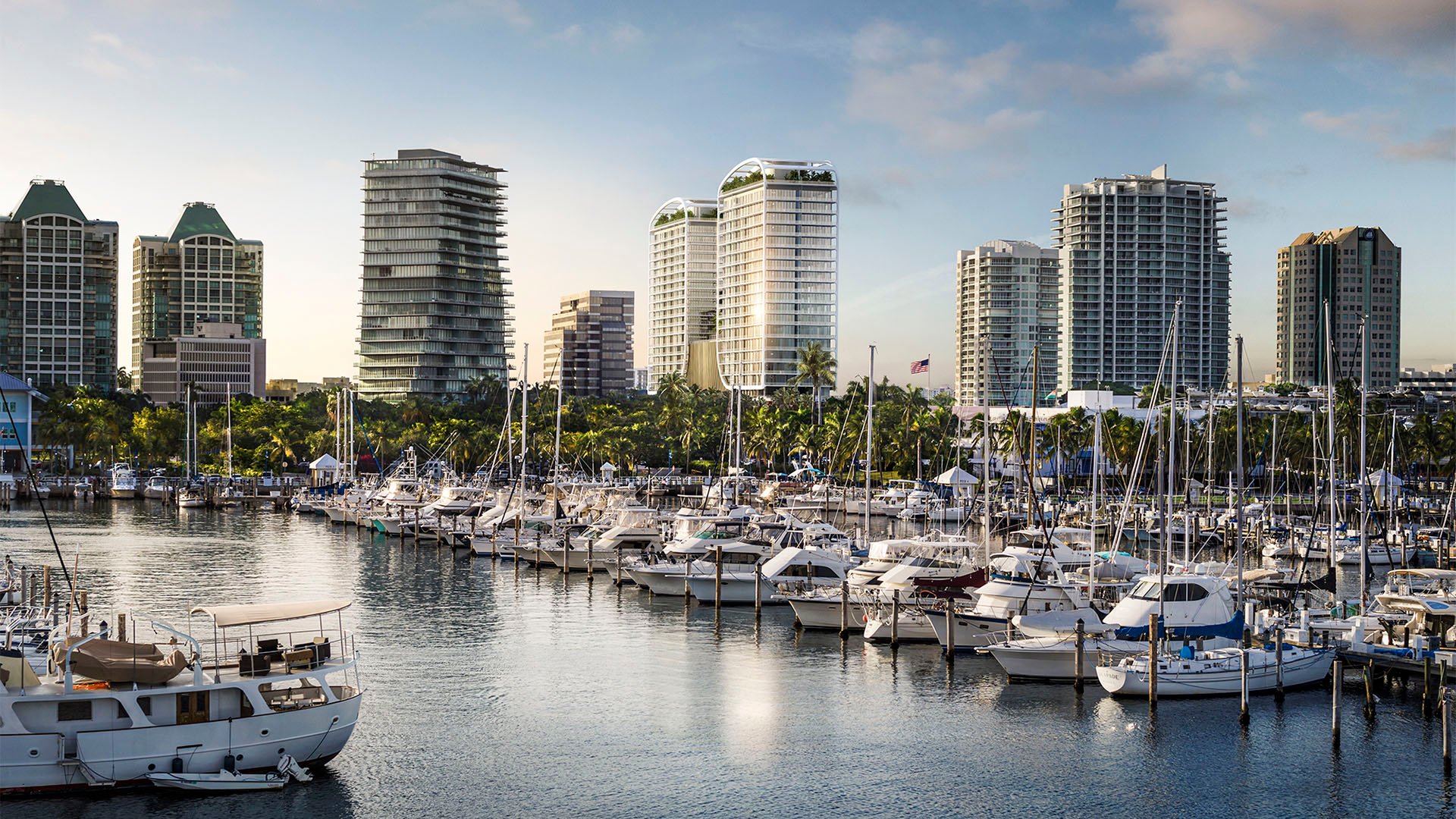
For California entrepreneurs evaluating South Florida, Coconut Grove offers a compelling proposition: a refined base that feels residential, design-forward, and connected without requiring a move into Miami’s most visibly corporate districts. The appeal is not simply sunshine or waterfront atmosphere. It is the possibility of shaping a daily life that supports work, family, privacy, and recovery in equal measure.
The Grove’s strongest advantage is its tone. It reads less like a stage set and more like a true neighborhood, which matters to founders who already live publicly through capital raises, boardrooms, product launches, and social visibility. A South Florida residence should not merely photograph well. It should make the owner’s week easier, quieter, and more intentional.
For many West Coast buyers, the question is not whether Miami has enough energy. It is whether there is a place within that energy where one can live with discretion. Coconut Grove answers with a softer cadence than Brickell while remaining part of Miami’s broader business and cultural orbit.
Entrepreneurs tend to evaluate property differently from purely seasonal buyers. They look for optionality. A residence may need to function as a primary home, a second home, a family gathering point, and a setting for trusted partners. It must feel polished without becoming performative.
That is why Coconut Grove’s boutique and wellness-oriented residential language is so relevant. Projects such as The Well Coconut Grove speak to buyers who want health, calm, and daily restoration to sit at the center of the ownership experience. For a founder accustomed to compressed schedules and cross-country demands, the ability to reset at home is not ornamental. It is operational.
Privacy is equally important. California entrepreneurs often arrive with a mature understanding of design, service, and security. They may not need the tallest tower or the loudest amenity deck. They may prefer controlled access, elegant common areas, thoughtful layouts, and a residence that can support both solitude and selective entertaining.
Brickell remains essential to the conversation because many business, finance, dining, and private meeting patterns in Miami converge there. Yet living in Brickell is not the only way to benefit from it. Some buyers want adjacency rather than immersion, especially when their days already carry enough intensity.
Coconut Grove can serve as that balancing point. It allows the owner to engage with Brickell when the calendar requires it, then return to a setting that feels more personal. For some entrepreneurs, that separation becomes one of the most valuable luxuries in the purchase.
This does not diminish Brickell’s role. It sharpens the decision. A buyer considering 2200 Brickell may be prioritizing urban immediacy and a highly connected downtown lifestyle. A Grove buyer may be prioritizing calm, greenery, and a more residential expression of Miami. The best choice depends less on prestige than on how the owner actually lives from Monday morning through Sunday evening.
Many California buyers arrive with an established eye for architecture, materials, landscape, and light. They are accustomed to homes that blur indoor and outdoor living, and they often respond to environments where wellness, nature, and design are integrated rather than treated as separate amenities.
Coconut Grove’s appeal is strongest when viewed through that lens. The neighborhood’s luxury narrative is not only about square footage. It is about atmosphere, restraint, and the feeling of returning to a setting that does not compete with the owner’s professional life.
Residences such as Arbor Coconut Grove fit naturally into a conversation about boutique living, while Four Seasons Residences Coconut Grove introduces the appeal of established hospitality sensibility in a residential context. The buyer should look closely at service style, privacy protocols, parking flow, terrace usability, and how common spaces will feel during peak social moments.
New-construction can be especially attractive when it reduces friction. For entrepreneurs, the premium is often less about novelty and more about predictability: modern systems, contemporary layouts, current finishes, and governance structures that align with a low-maintenance ownership plan.
Waterfront property in South Florida carries an emotional charge, but the most sophisticated buyers treat it as one factor within a larger ownership thesis. Views, exposure, privacy, maintenance, insurance considerations, and lifestyle patterns all deserve careful review.
In Coconut Grove, the waterfront conversation should be practical as well as poetic. Does the residence support quiet mornings, focused work, and evening decompression? Does the terrace feel usable, or merely impressive? Does the building’s culture align with the owner’s preference for discretion?
For buyers who want a more secluded residential profile near the Grove’s sphere, Vita at Grove Isle may enter the discussion as part of a broader lifestyle comparison. The right answer is rarely universal. It depends on whether the buyer wants the social convenience of a neighborhood setting, the serenity of a more tucked-away address, or a blend of both.
A California founder’s move into South Florida is often a household decision, not a solo real estate purchase. Spouses, children, visiting relatives, executive assistants, advisors, and business partners may all influence what works in practice. The residence must support the invisible logistics of life.
That includes guest accommodations, work-from-home flexibility, storage, arrival experience, building rules, pet policies, and the ease of managing the property when the owner is traveling. Lifestyle is not only restaurants and views. It is whether the home removes decisions from a demanding week.
The surrounding map also matters. Coral Gables may be part of the buyer’s dining, school, club, or professional orbit, while Brickell may remain important for business meetings. Coconut Grove can operate as a refined midpoint in that personal geography, especially for those who want a residential identity without stepping away from Miami’s momentum.
The strongest purchase strategy begins with routine. A buyer should walk through a normal week and identify where the residence must perform: early calls, workouts, children’s schedules, partner dinners, visiting investors, quiet weekends, and periods of travel. Then the building and floor plan can be judged against reality rather than imagination.
Governance deserves equal attention. Review association structure, rental rules if relevant, service expectations, reserve posture, renovation limitations, and the character of the resident community. Luxury is most durable when the building’s operating culture matches the owner’s temperament.
For California entrepreneurs, Coconut Grove is not merely an escape from one coast to another. It can be a considered South Florida platform, one that offers access without overexposure, elegance without excess, and a daily rhythm capable of supporting serious work and a full private life.
Is Coconut Grove a good fit for California entrepreneurs? It can be, particularly for buyers who want a calmer South Florida base with access to Miami’s business and cultural life.
Why might a founder choose Coconut Grove instead of Brickell? Coconut Grove may appeal to buyers who prefer a more residential setting while still keeping Brickell within their broader routine.
What type of residence works best for an entrepreneur? Prioritize privacy, efficient layouts, strong service, work-from-home flexibility, and a building culture that feels discreet.
Should buyers prioritize new-construction? New-construction can reduce maintenance friction, but the stronger priority is whether the residence supports the owner’s actual lifestyle.
Is waterfront ownership always the best choice? Not always. Waterfront value should be weighed against privacy, usability, maintenance, and how often the setting will be enjoyed.
How important is lifestyle in this decision? Very important, because the right home should improve daily rhythm rather than simply serve as a trophy asset.
Can Coconut Grove work as a second-home base? Yes, if the building’s rules, service model, and security profile support periods of absence and easy returns.
What should buyers compare before choosing a project? Compare floor plans, service standards, governance, arrival experience, terrace use, parking, and privacy.
Does Coral Gables factor into the Grove decision? Often it can, since some buyers consider nearby dining, schools, clubs, and family routines as part of the ownership map.
How should a California buyer begin the search? Start with lifestyle requirements, then narrow by building culture, location preference, and long-term ownership goals.
When you're ready to tour or underwrite the options, connect with MILLION.
If branded residences are on your mind — as a home or as an allocation — we would be glad to share what we are seeing, privately.
Begin a quiet conversation