Major collector fairs influence how affluent buyers evaluate Midtown Miami homes, from art-ready interiors and entertaining flow to cultural proximity and discreet ownership needs.
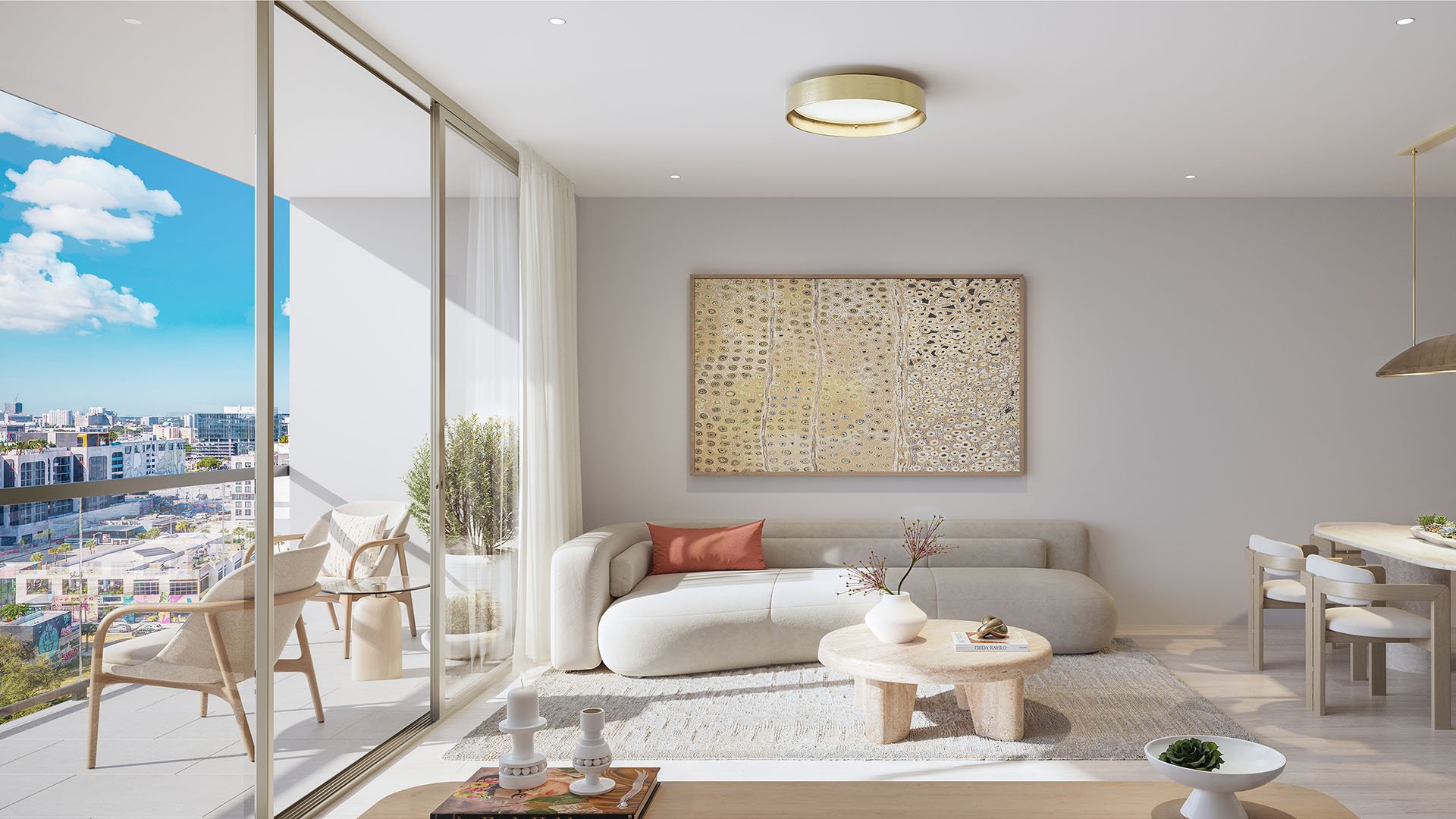
Major collector fairs do more than draw a polished crowd to Miami. They sharpen taste, reset expectations and remind affluent buyers that a residence can operate as private gallery, hospitality venue and cultural base in a single setting. For Midtown Miami, positioned between the Design District, Wynwood, Edgewater and Downtown Miami, that influence is especially visible in how buyers evaluate space.
A collector moving through exhibitions, dinners, studio visits and private previews often returns to the home search with more exacting questions. Is there wall depth for important works? Can lighting be tuned without flattening texture? Are ceilings and circulation generous enough for sculpture, large-scale photography or a dinner for patrons after an opening? Does the building feel connected to the cultural map while preserving discretion?
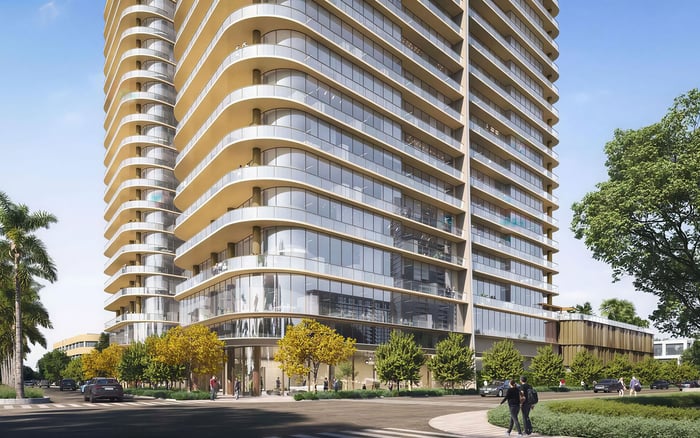
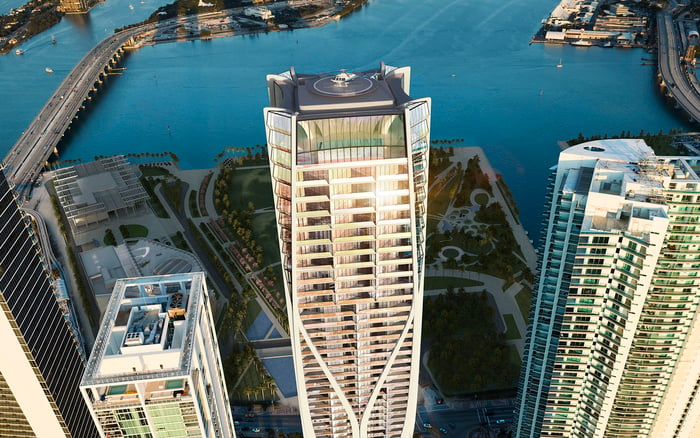
This is where Midtown Miami becomes compelling. It is not simply a midpoint on a map. It is a residential lens through which buyers can balance creative proximity, design literacy and daily livability. Projects such as Miami Design Residences Midtown Miami speak directly to that mindset, placing the home within a neighborhood conversation shaped by art, interiors, fashion and architecture.
For many luxury buyers, “gallery-like” no longer means white walls and minimal furniture alone. It describes a practical set of conditions that allows art to live properly. Buyers may study natural light, but they also ask how it can be controlled. They want expansive walls, but not at the expense of storage. They want open plans, yet still need intimate rooms where a single painting or object can anchor the mood.
Collector fairs make these details more urgent. After seeing museum-scale presentations and carefully staged design objects, buyers become more sensitive to proportion. A narrow hallway, overly reflective surface or awkwardly placed vent can feel more consequential when the home is expected to support a serious collection.
This is also where Design & Architecture become inseparable from value. The best residences for collectors are not merely attractive. They are calibrated. They allow art to be installed, rotated and protected without making the apartment feel like a showroom. In Midtown Miami and its surrounding districts, that calibration can become a deciding factor for buyers comparing otherwise similar luxury homes.
During collector week, residences are often imagined less as retreats from the city and more as private stages within it. A buyer may picture breakfast with an advisor, an afternoon viewing with friends, cocktails before dinner in the Design District or a late return from Wynwood. The residence needs to absorb those rhythms elegantly.
That shifts attention toward arrival sequence, elevator privacy, kitchen placement, acoustics and the relationship between indoor space and terrace. A large living room matters, but so does how guests enter it. A terrace matters, but only if it can support conversation rather than simply frame a view. Service access, parking experience and building staff culture can quietly determine whether a home feels effortless during a demanding social calendar.
Branded Residences often enter this conversation because they can signal a coherent hospitality standard. Not every buyer wants a branded address, and not every branded address is automatically suited to a collector’s life, but the category highlights a broader demand: residences that treat hosting, privacy and design continuity as part of the ownership experience. Nearby examples such as Kempinski Residences Miami Design District show how the language of hospitality and cultural location can overlap in the buyer’s imagination.
A serious collection changes how a buyer reads a floor plan. Closets are not only for clothing. Secondary rooms may become archives, framing zones or secure storage. Climate sensitivity, wall systems and the ability to move works in and out of the residence without friction can become meaningful parts of the decision.
Even buyers who are not yet major collectors may think aspirationally after a week of fairs. They may not need museum-level infrastructure, but they want the home to grow with their collecting habits. That can mean flexible dens, well-proportioned corridors, less visual clutter and mechanical systems that support consistent comfort.
In Midtown Miami, this practical layer matters because the neighborhood attracts buyers who may use the residence intensely during cultural moments and more quietly during the rest of the year. The apartment must feel alive for entertaining, yet composed enough for daily living. That duality is central to the collector-oriented home.
Collector fairs intensify the importance of location, but not always in the obvious way. Some buyers want to be steps from galleries and design showrooms. Others prefer a short drive and a more residential frame. Midtown Miami benefits because it can offer proximity without asking every owner to live directly inside the busiest social circuit.
The Design District gives the area a luxury retail and design context. Wynwood adds an art-driven edge. Downtown Miami contributes performing arts, dining and a broader urban skyline. Edgewater adds waterfront adjacency and a softer residential rhythm. Together, these nearby districts allow Midtown Miami buyers to tailor their cultural life without sacrificing convenience.
This is why a residence just outside the densest fair traffic can feel more valuable than one inside it. The buyer gains access, but also control. That balance is central to the Lifestyle appeal of Midtown Miami. It lets owners participate in the city’s most visible cultural moments while preserving a sense of private retreat.
The most attractive residence during fair week is not always the most livable home after the tents come down. Buyers should think beyond mood and examine the operational realities of ownership. How will art be delivered? Are there freight elevator considerations? Can large works clear corners and doorways? Does the building allow the degree of privacy the owner expects when hosting or receiving shipments?
Lighting deserves particular scrutiny. Strong daylight can be seductive in a sales gallery, but collectors often need layered, adjustable illumination. Wall space should be evaluated with furniture placement in mind, not in isolation. A long wall loses value if the only logical sofa position interrupts the viewing distance.
Buyers should also consider whether the building’s amenity culture supports their preferred social pattern. Some owners want a lively building with lounges, dining and a network of neighbors. Others want the amenity level without the social exposure. The right choice depends on how public or private the owner wants their cultural life to be.
For those willing to look just beyond Midtown, projects such as EDITION Edgewater and Frida Kahlo Wynwood Residences illustrate how adjacent neighborhoods can broaden the search while preserving access to the same cultural orbit.
Luxury real estate is partly about measurable attributes, but it is also about narrative. A home with art-ready proportions, refined hosting capacity and proximity to Miami’s cultural core can be easier to understand at the top of the market. Buyers remember the apartment not only for its finishes, but for the life it makes possible.
Collector fairs reinforce that narrative because they bring international attention to the city’s design and art ecosystem. For Midtown Miami, the opportunity is to translate that temporary intensity into durable residential value. A well-chosen home should not depend on one week of the year. It should feel relevant because the buyer’s habits, relationships and aspirations continue after the fair calendar quiets.
That is the more sophisticated way to view cultural proximity. It is not about chasing spectacle. It is about choosing a residence that can host beauty, protect privacy and make participation in the city’s creative life feel effortless.
Why do collector fairs influence luxury-home priorities in Midtown Miami? They sharpen buyer attention around art display, entertaining flow, lighting, storage and proximity to cultural districts.
Is Midtown Miami a good base for collectors? It can be, especially for buyers who want access to the Design District, Wynwood and Downtown Miami while maintaining residential privacy.
What interior features matter most for art collectors? Buyers often prioritize generous walls, controlled lighting, flexible rooms, secure storage and easy circulation for installation.
Should collectors avoid too much natural light? Not necessarily, but they should look for ways to control glare and protect works while preserving the atmosphere of the home.
How important is terrace space for fair-season entertaining? Terrace space can be valuable when it supports conversation, views and flow from the main living areas.
Do Branded Residences appeal to collector-minded buyers? They may appeal when the brand adds hospitality discipline, privacy, service consistency and a coherent design experience.
What should buyers ask about art deliveries? They should understand elevator access, loading logistics, building procedures and whether large works can move easily through the residence.
Can Wynwood or Edgewater work as alternatives to Midtown Miami? Yes, nearby neighborhoods can offer different atmospheres while keeping buyers close to Miami’s cultural circuit.
Is Design & Architecture a resale consideration? It can be, because well-proportioned, art-ready homes often communicate quality quickly to sophisticated buyers.
How should a buyer balance cultural access and privacy? The best choice offers convenient access to events while preserving a calm, secure and highly personal home environment.
For a confidential assessment and a building-by-building shortlist, connect with MILLION.
If branded residences are on your mind — as a home or as an allocation — we would be glad to share what we are seeing, privately.
Begin a quiet conversation