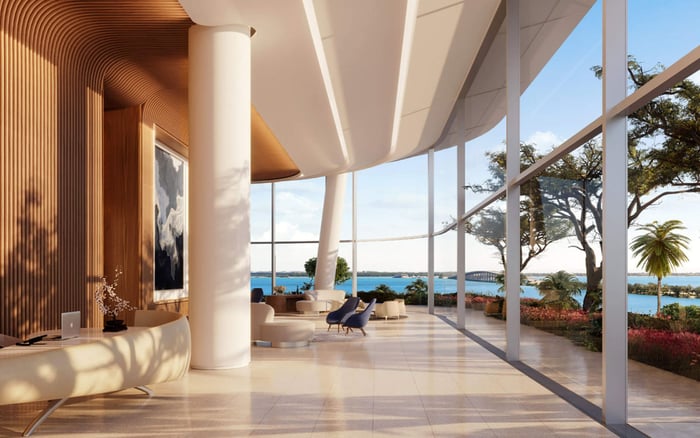
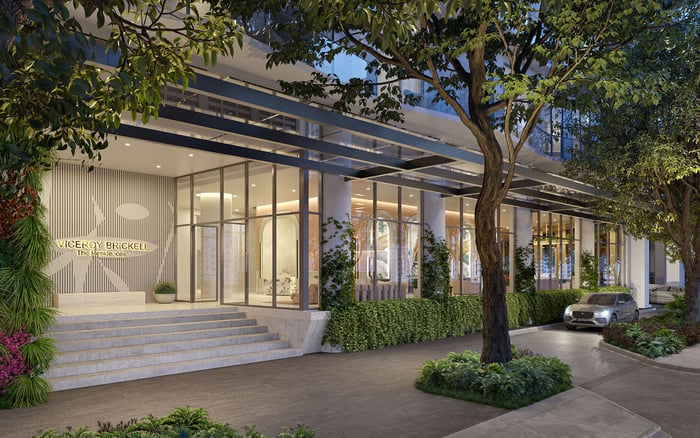
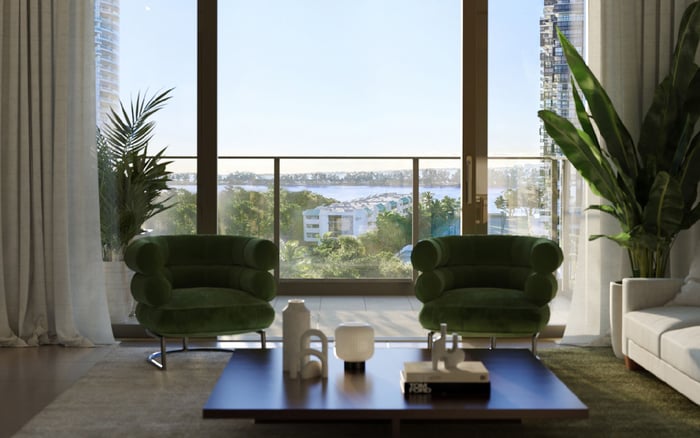
A discreet buyer’s guide for Brooklyn residents considering Brickell boutique residences, focused on privacy, floor plans, service, terraces, governance, and long-term fit.
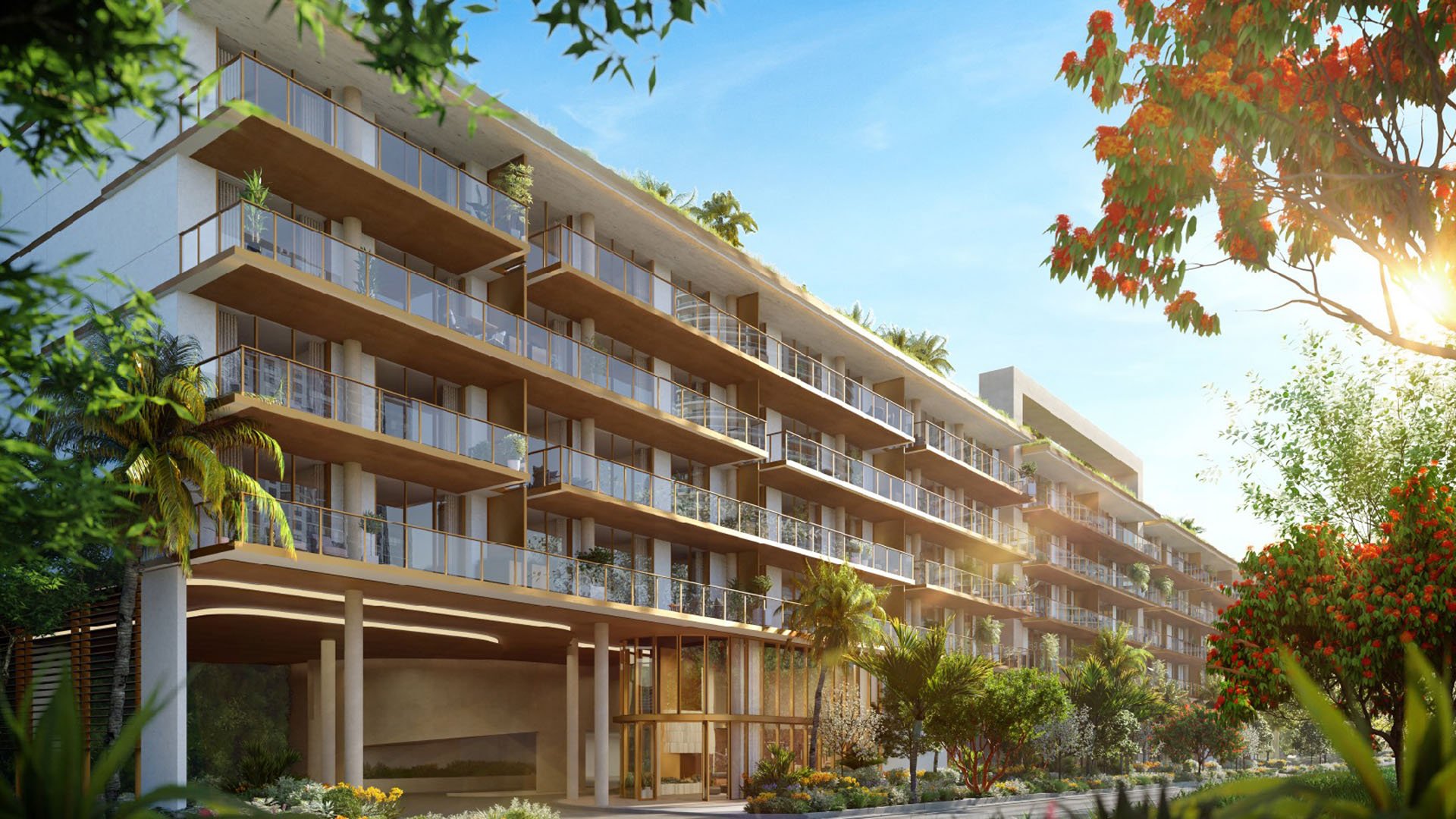
For a buyer arriving from Brooklyn, Brickell can feel both familiar and entirely new. The familiar part is density, energy, vertical living, and the premium placed on a polished daily routine. The new part is the relationship to light, water, outdoor space, valet arrival, private amenities, and the building itself as a complete lifestyle environment.
This is where the boutique residence becomes compelling. Boutique does not simply mean small. It means a building should feel intentionally scaled, legible, and personal. The right choice is less about chasing the loudest address and more about understanding how a residence will live at 7 a.m., how it will receive guests at 8 p.m., and how gracefully it will handle seasons of heavy use, travel, work, entertaining, and privacy.
In Brickell, that decision deserves particular care. A buyer comparing 2200 Brickell with larger-format towers is not only comparing architecture. They are comparing pace, intimacy, elevator experience, arrival choreography, amenity culture, and the subtle difference between being part of a skyline and having a home within it.
The word boutique is often used loosely, so define it before the first showing. For some buyers, it means fewer residences and a quieter lobby. For others, it means a more residential amenity program, lower friction at elevators, or a staff culture that recognizes residents without turning service into performance.
A useful test is simple: does the building make daily life easier without making it feel staged? A strong boutique residence should offer privacy at the threshold, efficient access from car to home, and spaces that feel calm even when the building is active. It should also have common areas that suit the way you actually live, not the way a brochure imagines you might live.
For Brooklyn buyers used to brownstone stoops, loft buildings, converted warehouses, and neighborhood restaurants, the transition to Brickell should not erase character. The best purchase preserves a sense of personal rhythm while adding the benefits of a managed residential environment.
Views matter in Brickell, but the floor plan is the more disciplined place to begin. A skyline or water view can seduce quickly; a compromised plan reveals itself slowly. Look for proportion, storage, bedroom separation, kitchen utility, privacy between entertaining and sleeping areas, and the way light moves through the residence.
Brooklyn buyers often have a sophisticated eye for volume and adaptability. Bring that same scrutiny here. A residence should allow for work, guests, dining, art, and quiet retreat without relying on furniture tricks. The most expensive square footage is the space that looks impressive but does not support daily use.
When evaluating a residence at The Residences at 1428 Brickell, for example, do not reduce the conversation to height or outlook. Ask how the entry sequence feels, where coats and luggage live, whether a secondary bedroom can serve multiple phases of life, and whether entertaining can happen without exposing the private rooms of the home.
A successful move is not only geographic. It is behavioral. The buyer who loves a weekend walk, a favorite coffee ritual, and a layered neighborhood should consider how Brickell will support those patterns. The question is not whether the district is active. The question is whether your specific building position, entrance, parking flow, and surrounding streets support the version of lifestyle you want.
Some buyers want to leave the car untouched for days. Others want quick access to a private garage routine and immediate departure. Some care most about dining proximity. Others value a quiet return after a long flight. These are not secondary preferences. They shape how a residence feels after the novelty fades.
The strongest tours happen twice: once during the polished appointment window, and once in the buyer’s imagination at ordinary times. Picture grocery delivery, a visiting family member, a stormy evening, a late meeting, a dog walk, a rideshare pickup, and a quiet Sunday. If the building still works in those moments, it deserves serious consideration.
Luxury service in a boutique residence should feel anticipatory, not intrusive. Arrival should be smooth. The lobby should not feel like a hotel unless that is expressly the desired atmosphere. The staff-to-resident experience should protect privacy, simplify logistics, and make the building feel cared for.
This is especially important for buyers moving from Brooklyn buildings where discretion is part of the culture. In Brickell, amenities can be extensive, but a long list of features is not the same as a refined service experience. Ask how packages are handled, how guests are announced, how valet functions during peak periods, and how amenity reservations are managed.
At Cipriani Residences Brickell, a buyer may naturally focus on the name and ambiance. The more revealing questions are operational: how does the building separate public energy from private life, how does staff communication work, and how does the residence feel when the social areas are active?
Terrace living is one of the most meaningful differences between many New York and South Florida purchases. But not all outdoor space performs equally. Depth, privacy, orientation, wind, shade, furniture usability, and connection to the interior all matter.
A terrace should be evaluated as a true room, not a decorative ledge. Can it host breakfast without becoming a production? Is it usable in more than one season or time of day? Does it connect naturally to the living area, or does it feel visually appealing but practically detached?
For many Brooklyn buyers, outdoor space has emotional value because it replaces the stoop, roof deck, courtyard, or neighborhood park as a personal release valve. In Brickell, a well-planned terrace can become the quietest luxury in the home: private air, controlled views, and a daily reminder that the move was not only financial, but sensory.
The most elegant residence can be undermined by weak governance. Buyers should look beyond finishes and ask about the association, rules, maintenance culture, reserve planning, rental policies, pet policies, insurance considerations, and the long-term cost of operating the building.
This is not the glamorous part of the search, but it is one of the most important. Boutique buildings can offer intimacy, but intimacy also means each owner’s share of responsibility matters. A disciplined review helps determine whether the building is not only beautiful, but durable.
New-construction purchases add another layer. Review deposit structure, timelines, closing conditions, customization policies, and the transition from developer control to resident governance with qualified legal and financial advisors. The goal is not to slow momentum. It is to ensure the romance of the purchase is matched by a clear ownership framework.
Brickell gives buyers a range of identities to consider. Some residences lean toward pure privacy. Others emphasize hospitality, design, wellness, or dining culture. The right match depends on how much identity you want your building to project.
A buyer considering ORA by Casa Tua Brickell may be drawn to a lifestyle-forward sensibility, while another buyer may prefer a quieter residential posture. Neither is inherently better. The distinction is personal: do you want your building to feel socially animated, discreetly residential, or somewhere between the two?
For Brooklyn buyers, this can echo the difference between living above a beloved neighborhood corridor and living on a calm residential side street. Brickell offers both moods, but they should be chosen consciously.
Even if the purchase is primarily personal, resale logic should be present from the beginning. The most resilient residences tend to have coherent plans, credible building operations, thoughtful amenity scale, and a clear identity that future buyers can understand quickly.
Avoid overpaying for features that are impressive but narrow in appeal. Prioritize quality of light, privacy, livability, service, and the building’s ability to age gracefully. A boutique residence should feel distinctive, but not so idiosyncratic that the buyer pool becomes unnecessarily small.
The Brooklyn-to-Brickell move is ultimately about alignment. The best residence will not ask you to become someone else. It will refine what already matters: privacy, design, convenience, neighborhood energy, and a home that feels composed the moment the elevator opens.
Is Brickell a good fit for a Brooklyn buyer seeking a boutique residence? It can be, particularly for buyers who want vertical living, services, privacy, and a walkable daily routine within an urban setting.
What should I evaluate first in a boutique Brickell building? Start with floor plan quality, arrival sequence, elevator experience, service culture, and governance rather than view alone.
Does boutique always mean a smaller building? Not necessarily. Boutique should refer to scale, privacy, atmosphere, and resident experience, not simply the number of homes.
How important is a terrace in Brickell? It can be central to the value of the residence if it is deep, usable, private, and naturally connected to the interior.
Should I prioritize new-construction or resale? Both can work. New-construction offers a fresh ownership experience, while resale may allow a buyer to understand the building’s real operating rhythm.
What service questions should I ask during a tour? Ask about valet flow, packages, guest access, amenity reservations, staff communication, and how privacy is protected.
How should Brooklyn buyers think about lifestyle in Brickell? Translate existing habits into local routines, including walking, dining, working from home, hosting guests, and airport departures.
Are branded residences the right choice for every buyer? No. A branded identity can be compelling, but the best choice depends on whether the atmosphere matches your preferred level of visibility.
What makes a Brickell residence more durable for resale? Efficient plans, privacy, strong operations, coherent design, and a clear building identity all help future buyers understand the value.
What is the best way to shortlist comparable options for touring? Start with location fit, delivery status, and daily lifestyle priorities, then compare stacks and elevations to validate views and privacy.
For a discreet conversation and a curated building-by-building shortlist, connect with MILLION.
If branded residences are on your mind — as a home or as an allocation — we would be glad to share what we are seeing, privately.
Begin a quiet conversation