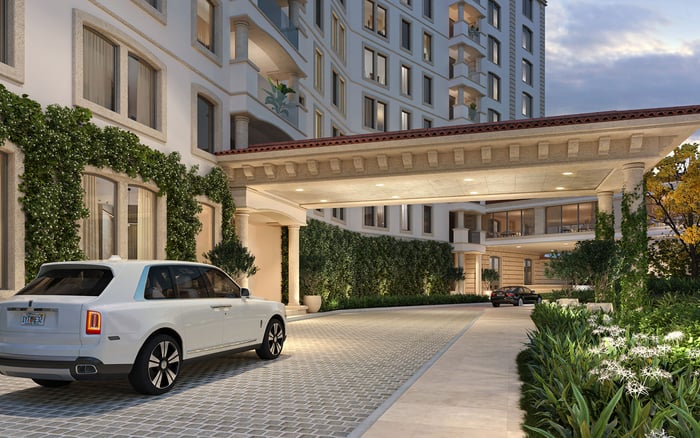
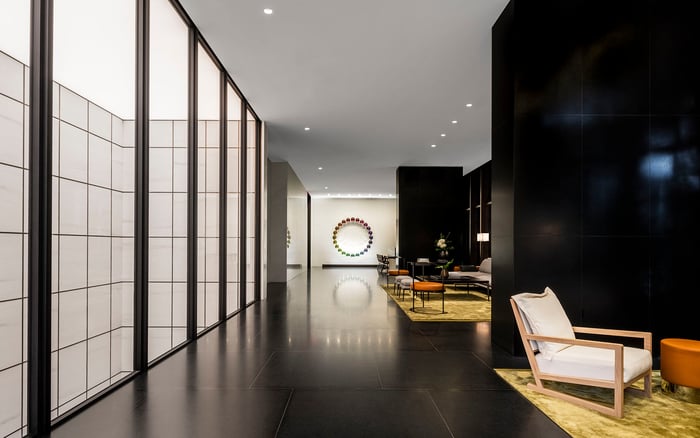
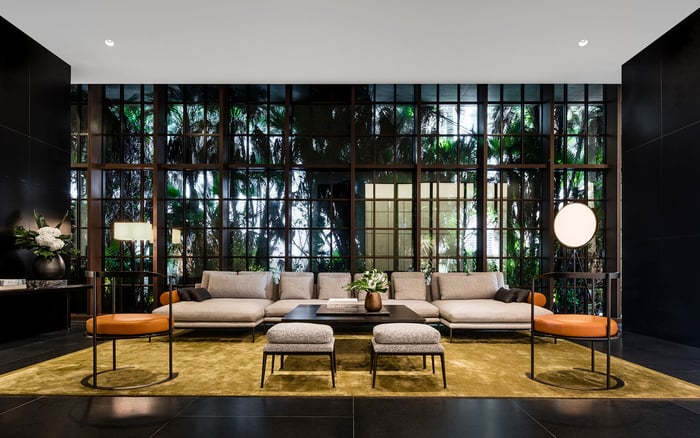
Fendi Château Residences Surfside stands out because it reads less like a seasonal escape and more like an oceanfront residential base within the Surfside, Bal Harbour, and Miami Beach luxury corridor.
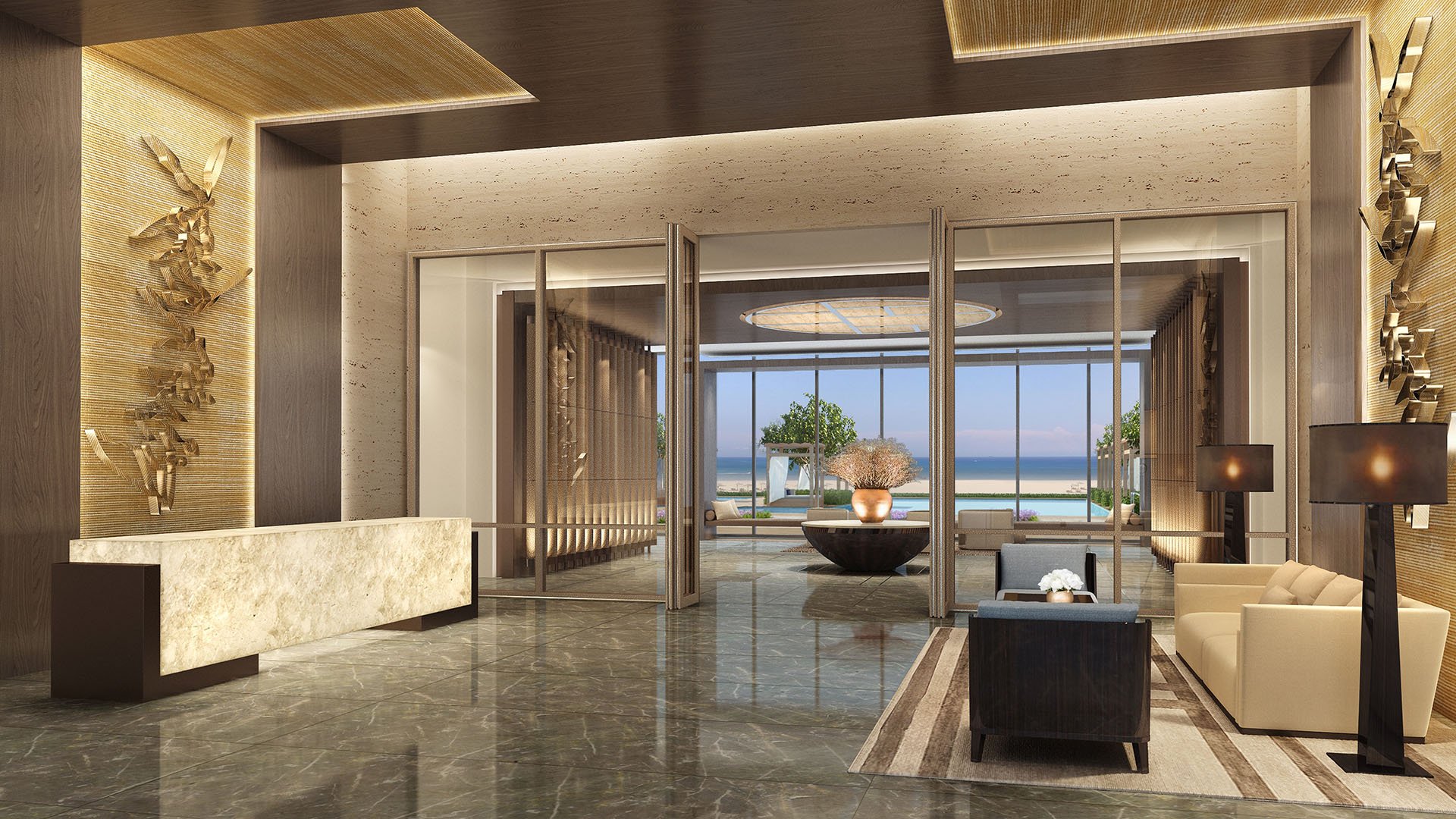
For many South Florida buyers, the most valuable coastal address is not simply the one that performs during the peak winter season. It is the address that remains useful when the calendar quiets, family routines resume, and the beach becomes part of daily life rather than an occasional indulgence. That is the lens through which Fendi Château Residences Surfside should be understood.
Fendi Château Residences Surfside is a branded ultra-luxury oceanfront residential project in Surfside, positioned along the Miami to Bal Harbour coastal corridor. Its appeal rests on architecture, services, brand identity, and micro-location. Rather than treating the Atlantic as scenery for a short holiday, the project frames oceanfront living as a year-round residential condition.
That distinction matters. A vacation property can feel spectacular for a week, yet less convincing for extended use. A true residential base needs a quieter rhythm, practical access to neighboring luxury districts, and enough design consistency to support repeat use by owners, guests, and multiple generations of family. Fendi Château’s positioning speaks directly to that need.
Surfside occupies a specific place on the South Florida luxury map. It is close to Bal Harbour and Miami Beach, but it does not carry the same tourism-heavy atmosphere associated with the busiest parts of Miami Beach. For buyers who want the ocean without a constant resort mood, that balance is central.
The Surfside setting gives the property access to a broader luxury corridor while preserving a more residential identity. Owners can move north toward Bal Harbour or south toward Miami Beach, then return to an address that feels calmer and more contained. In practical terms, the home can serve not only as a winter retreat, but also as a setting for longer stays, work-from-residence periods, and family visits that do not depend on the peak-season social calendar.
This is also why Surfside has become a meaningful comparison point among ultra-premium coastal residences. Buyers looking at The Surf Club Four Seasons Surfside, Arte Surfside, or The Delmore Surfside are often evaluating more than finishes. They are studying the tone of the neighborhood, the feel of the beachfront, and how naturally a property can support life across the full year.
Oceanfront is often treated as a seasonal amenity in Miami, but at Fendi Château the beachfront orientation is better understood as a daily asset. The view, the Atlantic light, and the immediate relationship to the sand do not become less relevant after the busiest winter months end. For a buyer using the residence as a regular base, those qualities can shape mornings, remote work patterns, family routines, and evening quiet.
The building’s beachfront orientation and views are non-seasonal advantages. They do not rely on events, nightlife, or short bursts of visitor demand. They rely on geography. That is a more durable form of luxury because it supports private use first.
This separates Fendi Château from properties whose value proposition depends more heavily on resort-style energy. There is a place for hospitality-driven ownership in Miami, but the Surfside model is different. It favors a residential cadence, which can be especially attractive to high-net-worth buyers who want consistency rather than constant activation.
The Fendi name gives the project an additional layer of recognition, but the more important question is how that branding functions for the owner. In Branded Residences, the strongest appeal is not simply the logo. It is the expectation of design language, service standards, and a coherent identity from arrival to private living space.
Fendi Château’s branded-residence positioning is part of its appeal to buyers seeking consistency, services, and design identity. For a primary-residence user or an owner spending months at a time in South Florida, that consistency matters. It reduces ambiguity, gives the property a defined atmosphere, and helps a family understand what the residence is meant to be, not just how it appears in a brochure.
The same logic explains why branded and design-led residential projects across the region are increasingly evaluated as lifestyle infrastructure. A buyer considering Surfside may also study neighboring coastal references such as Rivage Bal Harbour, not because every address serves the same purpose, but because each sits within a broader conversation about design, services, and long-term usability.
The Surfside to Bal Harbour corridor is a concentrated ultra-luxury residential micro-market. Its strength is not only its waterfront. It is the way proximity works. Fendi Château sits within Surfside while remaining connected to Bal Harbour and Miami Beach, creating a residential base that can flex with different owner needs.
For a couple, that may mean quiet weekdays and an easy move into neighboring districts when desired. For a family, it may mean accommodating different generations with different routines. For an owner who uses the residence as a primary home, it may mean avoiding the feeling of living inside a seasonal destination while still remaining close to the full Miami Beach luxury ecosystem.
That flexibility is why the address reads as useful beyond peak season. The value proposition is not built around one moment of the year. It is built around location, privacy, oceanfront access, and a branded residential framework that can support extended stays.
For buyers evaluating Fendi Château Residences Surfside, the first question should be use case. If the goal is a hotel-like pied-à-terre that comes alive mainly during winter, the calculus is different. If the goal is a residence that can support real time in Miami, the project’s quieter Surfside setting becomes more compelling.
The second question is family structure. The address is described as suitable for extended stays, primary-residence use, and multi-generational family usage. That requires a different standard of evaluation. Circulation, privacy, routine, and service expectations become as important as view corridors.
The third question is neighborhood preference. Surfside offers proximity without full immersion in the more tourism-driven stretches of Miami Beach. That does not make it detached from the market. It makes it selective. For a certain buyer, selectivity is precisely the point.
What is Fendi Château Residences Surfside? It is a branded ultra-luxury oceanfront residential project in Surfside, Florida, within the Miami to Bal Harbour coastal corridor.
Why is the address useful beyond peak season? It is positioned as a residential base rather than only a vacation property, making it relevant for extended stays and primary-residence use.
How does Surfside differ from busier parts of Miami Beach? Surfside is presented as quieter and more residential while still offering access to Bal Harbour and Miami Beach.
What role does the oceanfront setting play? The beachfront orientation and Atlantic views are treated as daily residential advantages, not only seasonal amenities.
Is Fendi Château part of the Branded Residences category? Yes, its branded-residence positioning is tied to design identity, services, and consistency for high-net-worth buyers.
Why is Bal Harbour relevant to the address? Bal Harbour helps anchor the surrounding luxury corridor while Fendi Château remains situated in Surfside.
Does the project appeal to multi-generational families? Yes, the address is described as suitable for multi-generational family usage as well as extended stays.
Is oceanfront living the main advantage? Oceanfront living is central, but the value also comes from architecture, services, brand identity, and micro-location.
How should buyers compare it with resort-style properties? Buyers should decide whether they want a residential cadence or a property more dependent on peak tourist energy.
Is Fendi Château Residences Surfside best viewed as a second home or primary base? It can support second-home use, but its positioning is especially relevant for buyers seeking a true residential base.
When you're ready to tour or underwrite the options, connect with MILLION.
If branded residences are on your mind — as a home or as an allocation — we would be glad to share what we are seeing, privately.
Begin a quiet conversation