A discreet buyer’s guide to evaluating terrace drainage in South Florida luxury residences, with practical questions for Miami, Fort Lauderdale, and Palm Beach tours.

In South Florida, the terrace is often the room that sells the residence. It frames the water, extends the entertaining plan, and gives a high-rise home its sense of daily resort living. Yet for a discerning buyer, a terrace is not only about scale, exposure, glass railings, or summer kitchens. It is also about where water goes when the weather turns.
Drainage is one of those details that feels invisible when it performs and disproportionately important when it does not. A beautifully staged balcony can lose much of its appeal if water gathers near doors, stains stone, overwhelms planters, or leaves furniture sitting in damp corners. The point is not to become an engineer during a showing. The point is to recognize which signs deserve a second look, which questions should be asked early, and which items belong in professional review before closing.
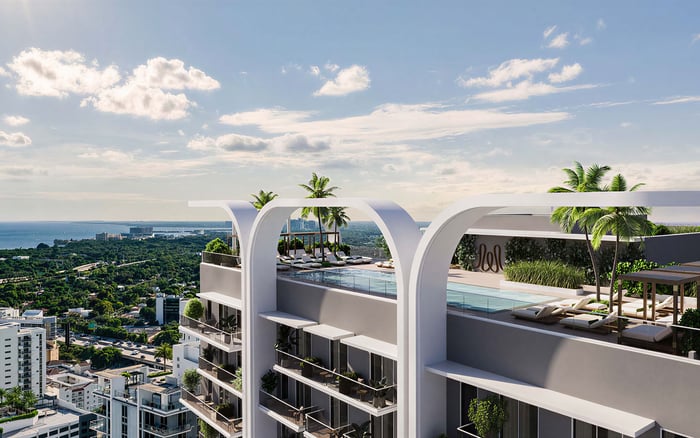
In Miami, especially in vertical neighborhoods such as Brickell, terrace drainage should be considered alongside exposure and elevation. A buyer touring St. Regis® Residences Brickell may naturally focus on skyline drama, bay orientation, and interior finish packages. Drainage belongs in that same conversation because elevated outdoor space can experience rain differently than a garden-level patio.
The first question is simple: does the terrace appear to move water away from the living areas? Look at thresholds, door tracks, corners, low points, and any visible drains or scuppers. Surface slope may be subtle by design, but water should not be directed toward the residence. If the terrace has built-in planters, outdoor kitchens, or pedestal pavers, ask how water is collected below or around those elements.
A second Miami consideration is maintenance access. Elegant terraces often conceal the practical components that keep them functioning. That can be good design, provided drains remain accessible for cleaning and inspection. Buyers should not assume that a sleek surface means a simple system. The more complex the terrace program, the more important it is to understand how drainage is serviced.
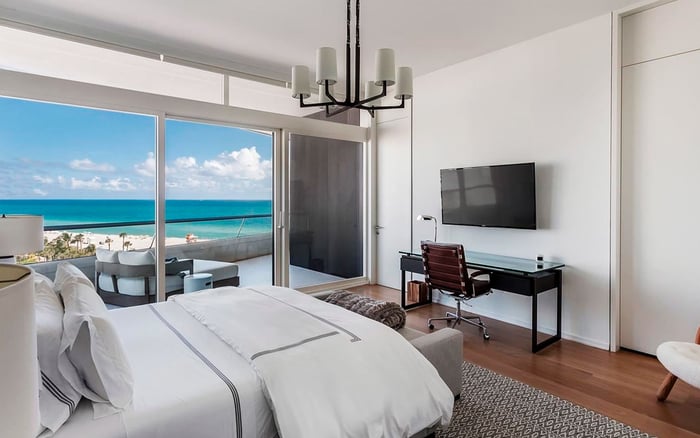
Oceanfront living adds another layer of scrutiny. At 57 Ocean Miami Beach, or in any beachfront context, buyers tend to read a terrace as an extension of the sand, horizon, and wellness lifestyle. That is precisely why drainage deserves attention: exterior finishes near the coast work hard, and water movement can influence how gracefully they age.
Look for discoloration around drains, mineral patterns, uneven pavers, swollen wood elements, or persistent dark areas in grout lines. None of these observations automatically signals a defect, but each is worth discussing. A terrace that dries evenly generally tells a different story than one with isolated wet pockets.
Furniture planning also matters. Deep seating, planters, and sculptural tables can block water paths if they are placed without regard to outlet locations. For buyers who entertain outdoors, it is wise to ask whether the terrace layout has been considered as a working surface, not simply a decorated one.
Fort Lauderdale’s luxury market is deeply connected to water, boating, and open-air living. At Four Seasons Hotel & Private Residences Fort Lauderdale, the terrace experience is part of a broader coastal lifestyle conversation. For buyers, the practical question is how that outdoor space performs after frequent use, cleaning, and rain.
Drainage should be evaluated from both ownership and association perspectives. Which components are part of the private residence, and which are maintained by the condominium or building? Who clears blocked drains? What alterations are allowed if an owner wants to add planters, decking, screens, or exterior furnishings? These questions are not glamorous, but they protect the glamorous experience.
During a walkthrough, pay attention to transitions. Water marks beneath railings, staining below planters, and residue near sliding doors can reveal patterns. If the terrace is large, ask whether there are multiple drainage points and whether any one area has a history of holding water.
Palm Beach and West Palm Beach buyers often place a premium on discretion, finish quality, and architectural restraint. At The Ritz-Carlton Residences® West Palm Beach, or when comparing residences along the broader Palm Beach corridor, terrace drainage should be viewed as part of long-term stewardship.
The right questions are measured. Has the terrace surface been modified? Are pavers original or replaced? Is there a history of water intrusion at thresholds? Are drains shared, private, visible, or concealed? If a residence includes extensive landscaping, ask how irrigation and stormwater are separated or managed. A refined terrace should not require constant owner intervention to remain presentable.
Palm Beach buyers should also consider how outdoor areas will be used seasonally. A terrace that hosts dinners, artful container gardens, or quiet morning coffee has different stress points than one used only occasionally. Drainage should support the lifestyle, not dictate it.
The best terrace review is part visual, part documentary, and part professional. Visually, look for slope direction, outlet locations, stains, patched surfaces, cracked grout, loose pavers, and water lines at door thresholds. If the showing happens shortly after rain, use the moment to observe whether water is still sitting in corners.
Documentary review is equally important. Condominium rules, maintenance obligations, alteration guidelines, and insurance responsibilities can matter as much as visible condition. If a terrace has been upgraded, ask for approvals and records. If it contains built-ins, ask who installed them and whether drainage paths were preserved.
Finally, bring in qualified professionals when appropriate. A luxury purchase should not rely on guesswork. The goal is not to eliminate every risk, but to understand the system before emotion and velocity overtake judgment.
Why does terrace drainage matter in a luxury condo? It protects finishes, thresholds, furnishings, and the long-term enjoyment of outdoor space.
Can I judge drainage during a dry showing? You can identify clues, but a professional review is advisable if stains, slope issues, or patched areas appear.
What is the first thing to inspect on a terrace? Start at the doors and thresholds, then follow the surface toward drains, corners, and railings.
Are planters a drainage concern? They can be, especially if they block outlets, retain water, or add weight without proper review.
Who maintains terrace drains in a condo building? Responsibility varies by condominium documents, so buyers should confirm this before closing.
Does a larger terrace mean more drainage risk? Not necessarily, but larger outdoor areas often require more deliberate drainage planning and maintenance.
Should I ask about past water intrusion? Yes. Prior threshold leaks, repairs, or recurring pooling should be understood before purchase.
Can outdoor furniture affect drainage? Yes. Heavy furniture, rugs, and planters can redirect water or cover drainage points.
Is drainage different near the ocean? Coastal settings can be harder on finishes, so even drying and clean water paths are especially valuable.
When should I hire a specialist? Hire one when you see staining, ponding, altered surfaces, or any uncertainty about responsibility.
For a confidential assessment and a building-by-building shortlist, connect with MILLION.
If branded residences are on your mind — as a home or as an allocation — we would be glad to share what we are seeing, privately.
Begin a quiet conversation