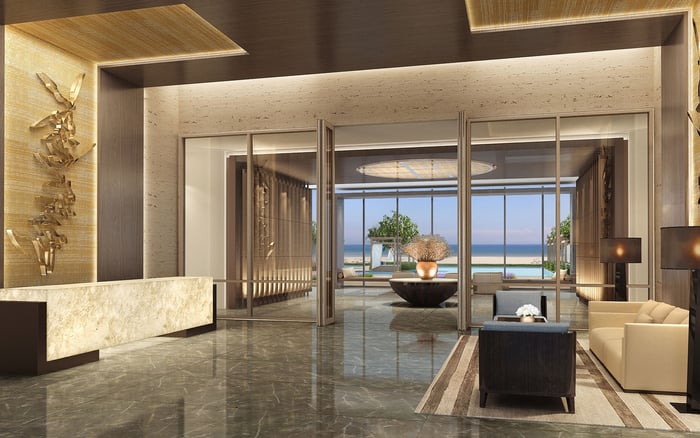
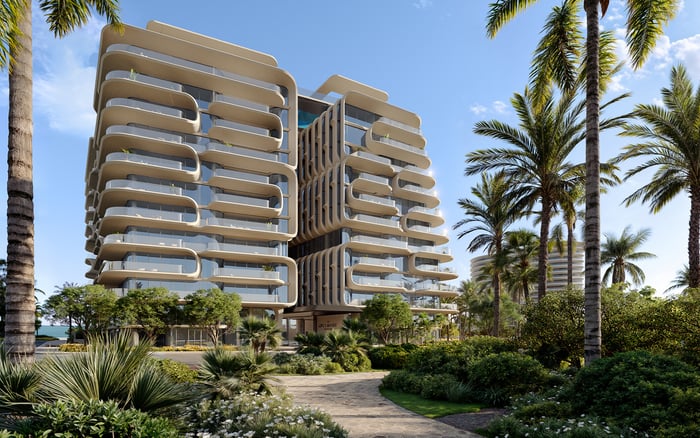
For South Florida’s 2026 luxury buyer, sound transfer is becoming a defining due diligence question, shaping how residences are compared, toured, and ultimately valued.
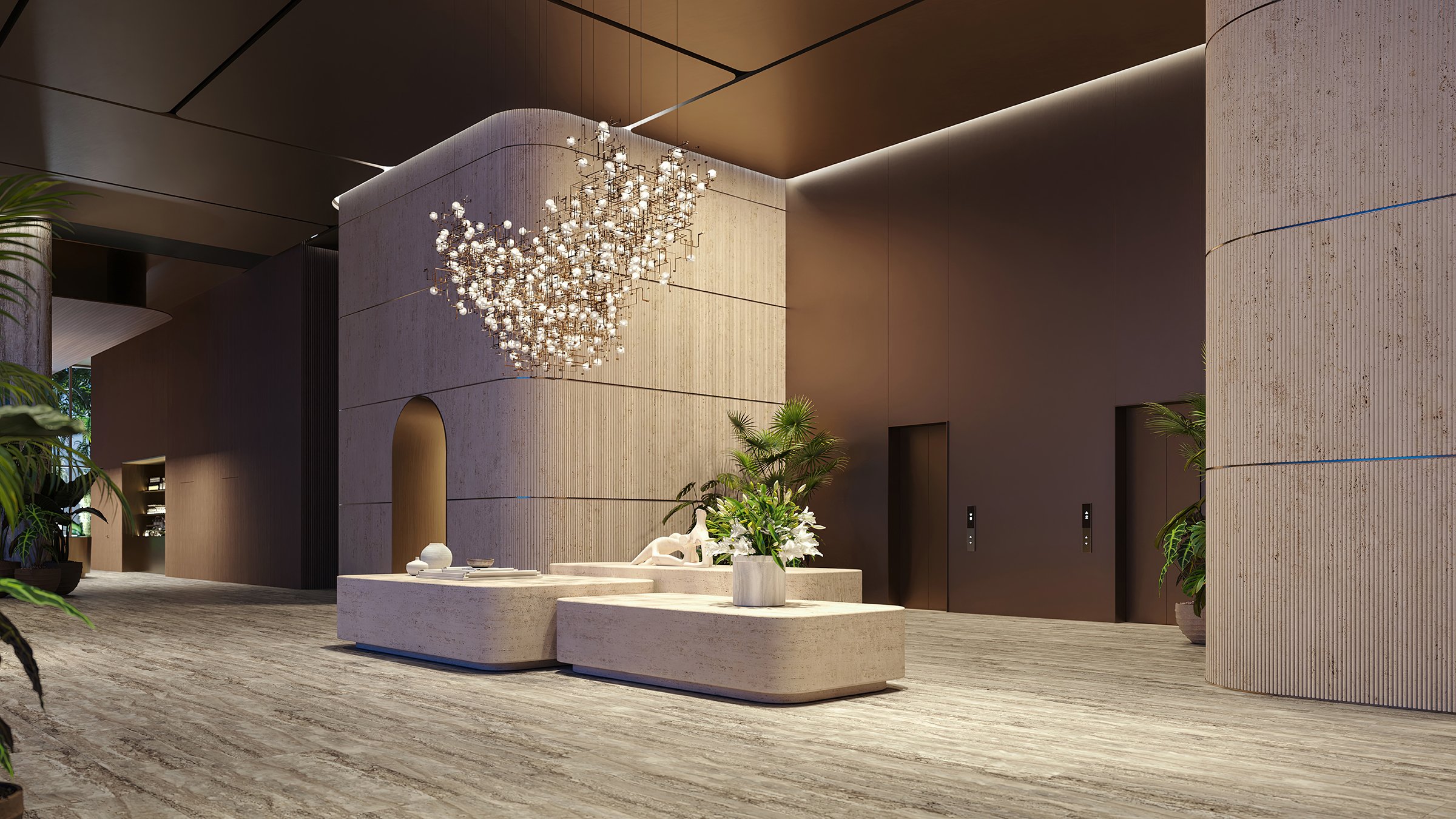
In South Florida’s luxury market, the most sophisticated buyers are no longer evaluating a residence by view, finishes, ceiling height, or brand name alone. Increasingly, they are asking a quieter, more technical question: how does this home live when the doors are closed, the city is moving, and the building is fully occupied?
Sound transfer sits at the intersection of design, construction, lifestyle, and long-term satisfaction. It is not always apparent during a model residence tour, yet it can define the daily experience of ownership. A buyer may love the morning light, the stone, the private elevator entry, and the terrace proportion, but if footsteps, pool activity, traffic, elevator movement, or mechanical vibration intrude, the residence begins to feel less private than its price suggests.
For 2026, the question is becoming more precise. Buyers are not simply asking whether a home is quiet. They are asking what kind of sound is present, where it originates, when it is most noticeable, and whether the residence’s design delivers the acoustic privacy expected at the top of the market.
Sound transfer is often discussed too casually. In practice, luxury buyers should separate four categories before making a judgment.
The first is airborne sound, which includes voices, music, televisions, dogs, and activity from adjacent residences or common areas. The second is impact sound, usually associated with footsteps, dropped objects, or movement above. The third is exterior sound from traffic, nightlife, boats, wind, construction, or beach activity. The fourth is building-system sound, including elevators, generators, pumps, garage ventilation, and mechanical rooms.
Each category has a different source and a different implication. A residence may feel insulated from exterior traffic yet still transmit impact noise from above. Another may have an excellent view corridor but sit near an amenity deck, porte cochère, service area, or equipment zone. Acoustic comfort requires listening, not assuming.
For buyers comparing dense urban locations such as Brickell, a tour of The Residences at 1428 Brickell or other high-rise offerings should include more than a sunset view appointment. It should include questions about adjacency, vertical stacking, glazing, mechanical placement, and how the residence performs when the neighborhood is operating at its normal rhythm.
New construction often brings modern planning, fresh materials, contemporary glazing, and current building systems, but it should not be treated as an automatic guarantee of silence. Acoustic performance depends on the full assembly of the residence, including floors, ceilings, demising walls, window systems, doors, penetrations, and mechanical layout.
A buyer should also distinguish between privacy and quiet. A private elevator entry may create a strong arrival sequence, while the bedrooms still require careful review of wall adjacencies. A dramatic terrace may offer extraordinary outdoor living, while wind exposure or nearby amenity programming may influence how that outdoor space sounds at different times of day.
This is especially relevant in branded and design-forward buildings, where buyers may understandably focus on architecture, service, finishes, and views. Those elements matter, but acoustic experience is part of luxury in the most literal sense. It determines whether a residence feels composed when it is being lived in, not merely photographed.
A floor plan is more than a spatial diagram. It is an acoustic map.
Bedrooms against elevator cores, bathrooms backing onto neighboring living rooms, primary suites below terraces, and living areas adjacent to amenity spaces can all change how a residence feels. Conversely, thoughtful separation between entertaining areas and sleeping zones can create a more composed daily rhythm.
Buyers should study what sits above, below, beside, and behind the residence. A beautiful line on a floor plate can be affected by the unseen spaces around it. In luxury towers, the most compelling stack is often the one that combines view, exposure, light, and acoustic logic.
In Miami Beach, where buyers may compare residences by ocean proximity, lifestyle access, and design character, a project such as The Perigon Miami Beach can become part of a broader conversation about how plan orientation, terrace placement, and bedroom positioning support privacy. Oceanfront living is deeply desirable, but the acoustic experience should be considered with the same discipline as the view.
The traditional luxury tour often emphasizes arrival, amenity, view, and finish. A more complete 2026 tour adds time and listening.
Buyers should stand quietly in the primary bedroom, not just the living room. They should close terrace doors, pause near the entry, listen by the glazing, and ask what spaces border the residence. They should revisit at a different hour if the first showing took place during a calm period. A residence can perform differently during morning traffic, evening activity, weekend amenity use, or windy conditions.
This does not mean buyers should expect absolute silence. South Florida is a coastal, urban, highly social market. The goal is not an anechoic chamber. The goal is controlled sound, predictable sound, and sound that does not undermine the intended lifestyle.
In Sunny Isles, where height, water views, and resort-style living often define the decision set, buyers considering Bentley Residences Sunny Isles or comparable coastal towers should think carefully about how vertical living, exterior exposure, and amenity culture align with their personal tolerance for activity and atmosphere.
Sound transfer is not only about comfort. It is also about future marketability.
A residence that feels calm, private, and well separated from unwanted noise can be easier to understand the moment a buyer enters. Acoustic quality supports the emotional certainty high-end buyers seek. It helps a home feel restful, secure, and complete.
This matters because luxury buyers often make decisions through subtle impressions. They may not be able to name every technical reason a residence feels better, but they can sense when a space has composure. A quiet bedroom, a calm living room, and a terrace that feels usable rather than exposed can shape perception quickly.
In Surfside, where discretion and scale are central to the buyer psychology, The Delmore Surfside represents the kind of address buyers may evaluate through both architectural presence and residential calm. The Delmore Surfside is not merely a name to compare on paper; it is a reminder that in the ultra-luxury tier, the experience between the walls can be as important as the exterior statement.
The best question is not, “Is it soundproof?” That word is too absolute and often unhelpful. A better question is: “What are the likely sound sources for this specific residence, and how are they addressed by the building, floor plan, and location within the tower?”
That question invites a more serious conversation. It asks the sales team, advisor, or representative to consider actual adjacencies and conditions rather than broad assurances. It also gives the buyer a framework for comparing options across different neighborhoods and building types.
For 2026, the most prepared buyers will treat acoustic comfort as part of core diligence, alongside view protection, service model, maintenance structure, parking, storage, and outdoor space. Quiet is not a decorative feature. It is part of the architecture of daily life.
What does sound transfer mean in a condominium? It refers to sound moving between residences, from exterior areas, or through building systems into the home.
Is a newer luxury building always quieter? Not automatically. Acoustic comfort depends on design, assemblies, adjacencies, glazing, and building systems.
What should I listen for during a showing? Listen for footsteps, voices, traffic, elevators, amenity activity, mechanical hum, and terrace-door performance.
Should I tour a residence more than once? If acoustic privacy is important, a second visit at a different time of day can be very useful.
Are higher floors always quieter? Not always. Higher floors may reduce some street noise but can still experience wind, mechanical, or vertical transfer.
Can furniture improve sound comfort? Furnishings, rugs, and window treatments may soften interior acoustics, but they do not replace strong construction fundamentals.
Why do bedrooms deserve special attention? Bedrooms are where unwanted noise is most disruptive, particularly at night and early morning.
What questions should I ask about the floor plan? Ask what is above, below, beside, and behind the residence, especially near bedrooms and living areas.
Does oceanfront living change the sound equation? Yes, coastal settings can include wind, waves, terraces, pool decks, and beach activity that should be assessed in person.
Is sound transfer a resale consideration? Yes, a residence that feels calm and private can create stronger buyer confidence during future showings.
For a discreet conversation and a curated building-by-building shortlist, connect with MILLION.
If branded residences are on your mind — as a home or as an allocation — we would be glad to share what we are seeing, privately.
Begin a quiet conversation