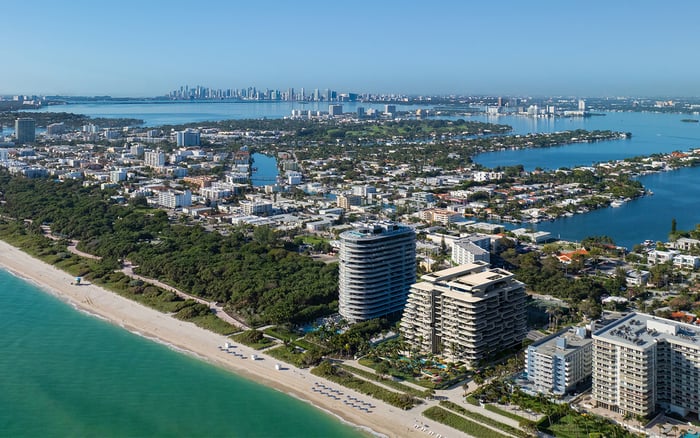
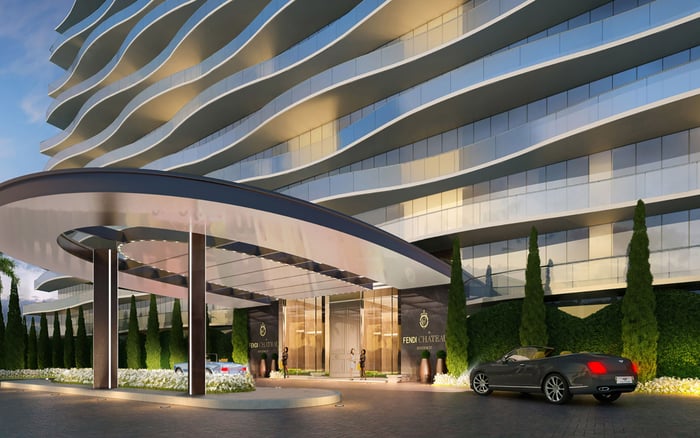
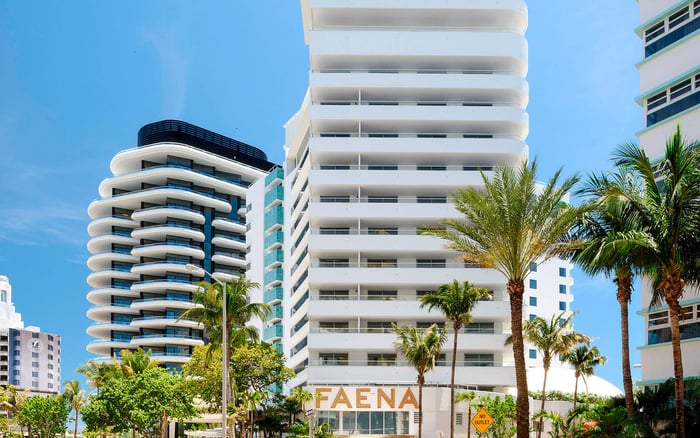
A buyer-focused comparison of Fendi Château Residences Surfside and The Delmore Surfside, framed around terrace function, view quality, and long-term maintenance exposure rather than name recognition.
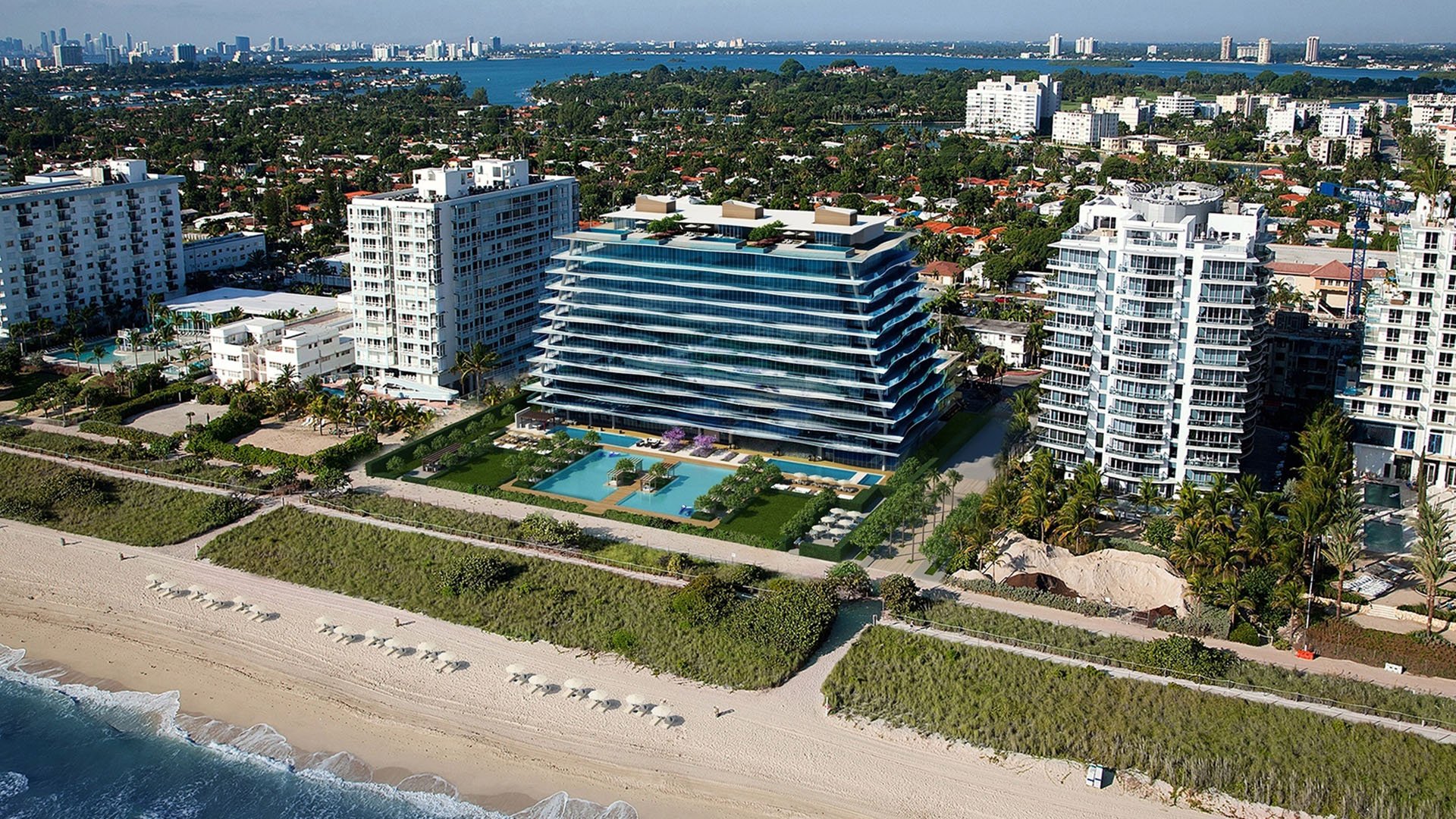
In Surfside, brand recognition can be seductive. A celebrated name can make a residence feel pre-qualified before a buyer has studied balcony depth, sun angle, exterior exposure, or the way a view performs at different times of day. Yet the more disciplined comparison between Fendi Château Residences Surfside and The Delmore Surfside begins somewhere less theatrical and more consequential: how the home will actually live.
For ultra-prime buyers, the question is not simply which address feels more glamorous. It is whether the residence supports the daily rituals that justify an oceanfront purchase: morning coffee outdoors, shaded lunches, sunset entertaining, storm-season confidence, privacy from neighboring buildings, and the durability of the building envelope. A trophy residence that is admired more than it is used can become a costly mismatch.
The better lens is practical luxury. In this context, Surfside is not merely a location. It is a test of proportion, exposure, restraint, and long-term ownership comfort.
A large terrace can photograph beautifully and still underperform. Usability depends on depth, cover, wind behavior, furniture layout, privacy, door placement, and whether the outdoor zone feels naturally connected to the interior living room. Buyers often focus on square footage, but the more important question is whether the terrace can support real life without constant compromise.
At Fendi Château Residences Surfside, the name may invite an expectation of fashion-led polish. At The Delmore Surfside, the conversation may feel more architectural or residential, depending on the buyer’s priorities. In either case, a terrace should be walked as a room, not admired as an amenity line. Can a dining table sit without blocking circulation? Is there shade during the hours the owner is most likely to be home? Does the railing preserve seated views, or does the view only reveal itself when standing?
A terrace that works in January may feel different in August. Wind, humidity, reflected light, and salt air all influence whether outdoor living feels effortless or ceremonial. The buyer who plans to entertain frequently should also consider service routes, kitchen proximity, and how guests move between indoor and outdoor zones. In the Surfside luxury set, including Arte Surfside, the finest outdoor spaces are not merely expansive. They are calm, legible, and easy to furnish.
Waterview is one of the most overused words in coastal real estate because it can conceal meaningful differences. A direct ocean outlook, an angled ocean glimpse, a layered coastal panorama, and a view partially filtered by neighboring structures are not the same ownership experience. The quality of a view should be judged by permanence, width, privacy, foreground condition, glare, and how it reads from the principal rooms.
In a comparison of Fendi Château Residences Surfside and The Delmore Surfside, buyers should stand in the living area, primary suite, kitchen, and terrace, then ask how often the view becomes part of daily life. A spectacular outlook from one corner may matter less than a quieter, more consistent view from the places where the owner actually sits, cooks, reads, and wakes up.
Height can help, but it is not automatically superior. Higher floors may offer more horizon and less foreground interruption, while lower floors may feel more intimate with the beach and vegetation. The most desirable choice depends on whether the buyer values drama, privacy, softness, or connection to the shoreline. View quality is also emotional. Some owners want endless blue. Others prefer the composition of ocean, sand, sky, and architecture.
This is why comparing with other Surfside references such as Eighty Seven Park Surfside can be useful. Not to imitate another purchase, but to sharpen the eye. The best buyers learn to distinguish view volume from view usefulness.
Oceanfront living comes with beauty and obligation. Salt, wind, sun, moisture, and storm preparation can influence the long-term cost and rhythm of ownership. Maintenance exposure is not a reason to avoid the coastline. It is a reason to understand the coastline before making an emotional decision.
The exterior architecture, balcony systems, glazing, mechanical exposure, drainage logic, and material choices all deserve close attention. A residence with extensive outdoor surfaces may deliver exceptional lifestyle value, but it may also require a more serious maintenance mindset. Buyers should ask how terrace finishes age, how railings are maintained, how water is managed, and whether outdoor furniture must be frequently protected or replaced.
The same discipline applies inside the residence. Direct sun can affect flooring, millwork, fabrics, and art placement. Salt air may influence hardware and door systems. A home designed for full-time coastal use should feel resilient, not precious. Luxury does not mean avoiding maintenance. It means knowing what maintenance is required and deciding whether the lifestyle return is worth it.
This is especially relevant for second-home owners. If the residence will sit vacant for periods, management, inspection routines, and service access become part of the purchase decision. The more exposed the home, the more important it is to plan ownership as carefully as acquisition.
There is nothing wrong with valuing a name. Branding can signal design intention, service culture, and market identity. In South Florida, branded and design-forward residences often attract buyers who want a clearer aesthetic proposition. The mistake is allowing the name to answer questions that only the physical residence can answer.
Fendi Château Residences Surfside carries a distinctive identity by name alone. The Delmore Surfside presents its own positioning within the Surfside market. But neither should be evaluated only through mood, renderings, or social cachet. The stronger purchase is the one whose floor plan, exposure, outdoor life, and maintenance profile align with the buyer’s actual habits.
A useful exercise is to imagine the brand name removed from the brochure. Which residence would still win on plan clarity, terrace usability, view quality, privacy, and operational ease? Which one would feel better on a quiet Tuesday morning, not just during a showing? Which one would age more gracefully for the way the owner intends to live?
The same restraint applies across the broader coastal market, from Surfside to Bal Harbour and Miami Beach. Even an address with major recognition, such as The Surf Club Four Seasons Surfside, ultimately succeeds for an individual buyer only if the physical residence supports the owner’s routines.
A buyer prioritizing terrace life should focus on functional outdoor depth, shade, furniture logic, and the ease of moving between kitchen, living room, and exterior space. This buyer should be wary of terraces that read well in plan but feel exposed, windy, or difficult to furnish.
A buyer prioritizing views should compare sightlines from seated positions, not just from the glass. The most satisfying view may not be the broadest. It may be the one that feels private, balanced, and present throughout the day.
A buyer prioritizing low-friction ownership should think carefully about maintenance exposure. Oceanfront homes are rewarding, but they are not passive assets. The right building team, service structure, and owner habits can make the difference between pleasure and fatigue.
For the most discerning buyers, the ideal residence will balance all three. It will have a terrace that is used often, a view that improves daily life, and a maintenance profile that feels proportionate to the reward. That balance is more enduring than branding alone.
Should I choose Fendi Château Residences Surfside because of the brand? The brand may help frame the aesthetic, but the final decision should depend on terrace function, view quality, privacy, and ownership comfort.
What is the most important terrace question to ask? Ask whether the terrace can be furnished and used comfortably during the hours you will actually be home.
Is a larger terrace always better in Surfside? No. A smaller terrace with better shade, privacy, and wind protection can be more valuable in daily use than a larger but exposed one.
How should I compare views between the two buildings? Evaluate the view from seated positions in the main living areas, bedrooms, and terrace, not only from the window line.
Does oceanfront ownership require more maintenance planning? Yes. Salt air, wind, sun, and moisture make maintenance strategy an important part of any coastal purchase.
Is The Delmore Surfside better for buyers who dislike overt branding? It may appeal to buyers who want to evaluate the residence through architecture, usability, and privacy rather than name recognition.
Should second-home buyers be more cautious about exposure? Yes. If a home will be vacant for periods, service access, inspections, and weather preparation become especially important.
Can a lower floor have a better view experience than a higher floor? Sometimes. Lower floors may offer a stronger connection to sand, landscape, and shoreline, while higher floors may offer more horizon.
What should art collectors consider in these residences? They should study direct sun, humidity management, wall placement, and how glazing affects sensitive works and furnishings.
What is the best way to decide between the two? Remove the branding from the decision and choose the residence that best supports how you will live, entertain, and maintain the home.
For a tailored shortlist and next-step guidance, connect with MILLION.
If branded residences are on your mind — as a home or as an allocation — we would be glad to share what we are seeing, privately.
Begin a quiet conversation