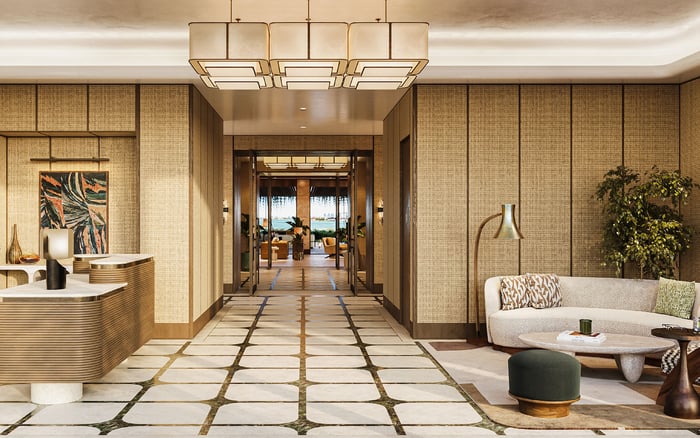
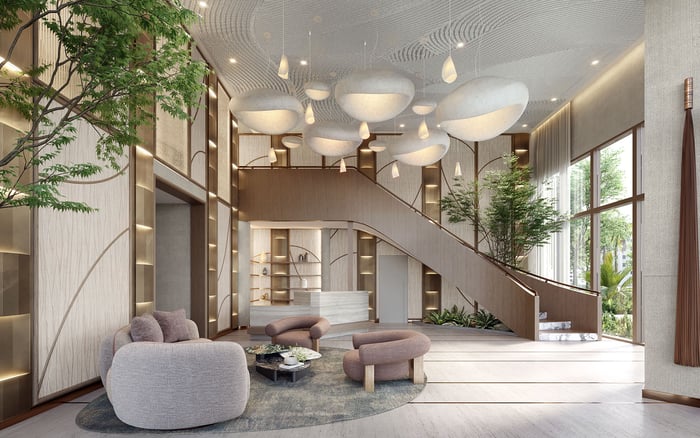
A practical luxury-buyer framework for distinguishing primary residence, second-home, and seasonal-use priorities before purchasing in South Florida.

In South Florida, the costliest mistake is not overpaying for the right home. It is buying the wrong home for a life that exists only on paper. A primary residence, a second home, and a seasonal-use property can all look similar in a polished presentation: water views, refined finishes, private amenities, and immediate access to the coast. Yet each category makes a different demand of the owner.
A primary residence must perform every day. A second home must make arrival feel effortless and departure feel secure. A seasonal residence must support longer stays, guests, quiet periods, and extended absence without becoming an operational burden. Before a buyer studies floor plans or negotiates terms, the first decision is behavioral: how often the residence will be used, who will use it, and what level of management feels acceptable when no one is there.
A primary residence should be judged by the hours between sunrise and bedtime, not only by the view at cocktail hour. The right home makes ordinary days smoother: parking, deliveries, school routes, wellness routines, dog walks, grocery access, elevator wait times, and the ability to host without disrupting private family life.
For buyers considering Brickell, the appeal often lies in dense urban convenience and a polished vertical lifestyle. A residence such as The Residences at 1428 Brickell may belong in the conversation for buyers who want a Miami setting paired with a residential standard that feels intentional rather than transient.
The primary-residence lens also changes how space is valued. A spectacular formal room may matter less than a quiet office, generous storage, service access, a second family area, or a bedroom layout with long-term flexibility. In a full-time home, small frictions compound. The question is not simply whether the residence is beautiful. It is whether it reduces the number of decisions required to live well.
Second-home planning begins with a different emotional promise. The residence should compress the distance between travel and relaxation. A buyer should be able to arrive late, unpack quickly, entertain with ease, and leave without feeling the property will demand attention from another state or country.
In Miami Beach, buyers often compare residences through the lens of leisure, privacy, and the ability to host family or friends without turning every visit into a production. Shore Club Private Collections Miami Beach is the kind of name that may enter the discussion when the buyer’s brief is less about weekday commuting and more about a refined coastal base.
For a second home, services matter because the owner is not always present. Building staff, package handling, maintenance coordination, security protocols, housekeeping access, and clear guest rules can determine whether the property feels liberating or cumbersome. The strongest second homes are not necessarily the largest. They are the ones that make ownership feel graceful from afar.
Seasonal-use properties sit between a full-time home and a retreat. They may be occupied intensely for part of the year, then sit quiet for months. That pattern changes the buying criteria. Storage becomes more important. Guest accommodations require more thought. Outdoor areas, sun exposure, air circulation, and durable finishes become part of the practical conversation.
Coconut Grove often appeals to buyers who want a softer residential cadence with access to the city but a more gardened, village-like rhythm. The Well Coconut Grove may fit into a comparison for buyers who are thinking not only about where they will sleep, but how they will spend long winter mornings, family visits, and extended stays.
Seasonal buyers should also define who carries responsibility when the home is empty. Some owners prefer a staffed building with predictable procedures. Others want a single-family atmosphere and are comfortable arranging private management. Neither approach is inherently superior. The correct choice is the one that matches the owner’s appetite for oversight.
The most disciplined buyers answer four questions before they begin touring seriously. First, how many nights per year will the property realistically be occupied? Second, will the residence be used mainly by owners, immediate family, guests, or a rotating mix? Third, what level of staff, building service, or private management is expected? Fourth, is the purchase being made for lifestyle only, or does future resale flexibility also carry weight?
These questions create a useful filter. A full-time family may prioritize storage, parking, and daily convenience. A second-home buyer may value arrival sequence, concierge support, and a calm lock-and-leave experience. A seasonal owner may prefer generous entertaining space, guest separation, and maintenance systems that function quietly in the background.
Tax treatment, financing structure, insurance assumptions, and homestead considerations can vary by ownership profile and personal circumstances. They should be discussed early with qualified advisers, not retrofitted after the ideal residence has already captured the imagination.
The visible purchase price is only one part of the decision. Carrying costs can feel very different depending on how the home is used. A primary residence may justify higher recurring costs if it meaningfully improves daily life. A second home may require services that protect the owner’s time. A seasonal property may need private management, periodic inspections, specialty maintenance, and preparation before each stay.
Association dues, insurance, utilities, repairs, staff access, furnishings, technology systems, and reserve expectations should be reviewed through the use-case lens. A buyer present year-round may notice and resolve small issues personally. An owner who visits intermittently needs systems and people in place before problems appear.
The most elegant ownership experience is often the one with the fewest surprises. A residence that is slightly less dramatic, but more predictable to operate, may be the better luxury.
South Florida’s luxury map rewards precision. Brickell is not a substitute for Coconut Grove. Miami Beach is not interchangeable with West Palm Beach. Each offers a different version of privacy, pace, access, and social rhythm.
For buyers drawn north, West Palm Beach can offer a distinct sense of refinement, cultural access, and a quieter daily pattern. The Ritz-Carlton Residences® West Palm Beach may enter the conversation for those comparing a sophisticated city lifestyle with a more measured tempo than Miami’s urban core.
The right area should match the owner’s most repeated behavior, not the most cinematic weekend. If the home will be used every day, choose for routine. If it will be used occasionally, choose for ease of arrival and emotional reward. If it will be used seasonally, choose for comfort over time.
Before buying, write a one-page ownership brief. Label the intended use: primary, second home, or seasonal. List the top five non-negotiables, the top five conveniences, the acceptable management burden, and the expected visitor pattern. Then tour only properties that respect that brief.
Luxury real estate is most powerful when it is honest. The residence should not force a new identity onto the owner. It should support the life already taking shape, with enough beauty, service, and permanence to make that life feel effortless.
What is the first question to ask before buying? Ask how many nights per year you will realistically use the home. That answer usually clarifies whether the property is primary, second home, or seasonal.
Is a primary residence always the most practical choice? Not always. A primary residence should serve daily routines, while a second or seasonal home may be judged more by arrival experience, privacy, and low-maintenance ownership.
Why does use type affect the search? Use type changes the importance of location, services, storage, guest space, security, and carrying costs. The same residence can be excellent for one purpose and inefficient for another.
Should tax planning happen before or after finding a property? It should happen early. Buyers should review domicile, financing, homestead, and ownership-structure questions with qualified advisers before committing.
What matters most in a second home? Ease of arrival, lock-and-leave confidence, building services, and guest readiness are often central. The home should feel restful, not operationally demanding.
What matters most in a seasonal-use property? Seasonal buyers should focus on storage, guest flow, maintenance during absence, and comfort for longer stays. Management plans are as important as finishes.
Is a larger residence always better for seasonal use? No. A well-planned smaller residence can outperform a larger one if it is easier to manage and better aligned with how the owner actually lives.
How should buyers compare different South Florida areas? Compare areas by routine, access, privacy, pace, and service expectations. The best neighborhood is the one that supports the property’s real use case.
Can one property serve all three roles? Sometimes, but compromise is likely. Buyers should decide which role dominates and let that priority guide the final choice.
What is the best way to shortlist comparable options for touring? Start with location fit, delivery status, and daily lifestyle priorities, then compare stacks and elevations to validate views and privacy.
For a confidential assessment and a building-by-building shortlist, connect with MILLION.
If branded residences are on your mind — as a home or as an allocation — we would be glad to share what we are seeing, privately.
Begin a quiet conversation