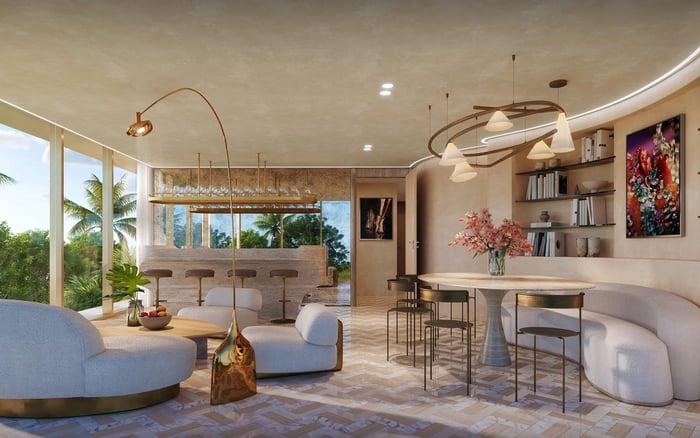
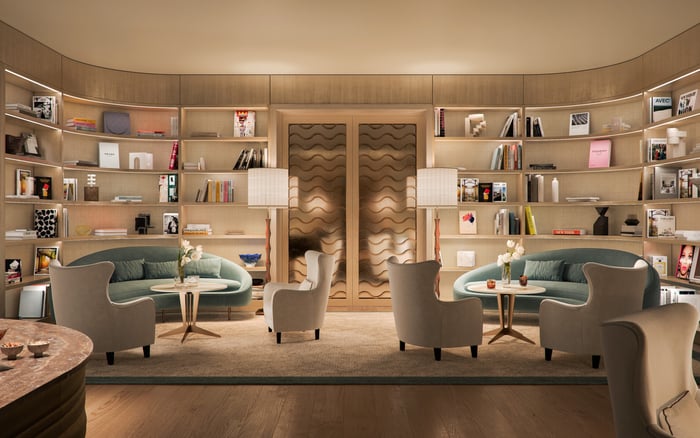
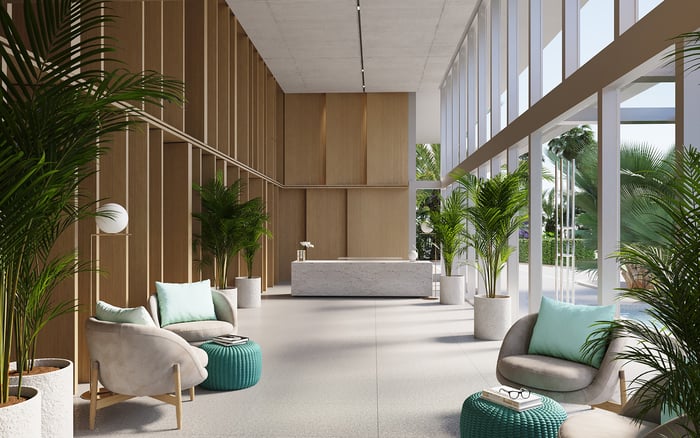
Miami luxury condo buyers increasingly evaluate wellness amenities as daily infrastructure, weighing spa, recovery, fitness, privacy, circulation, and long-term livability alongside views and finishes.
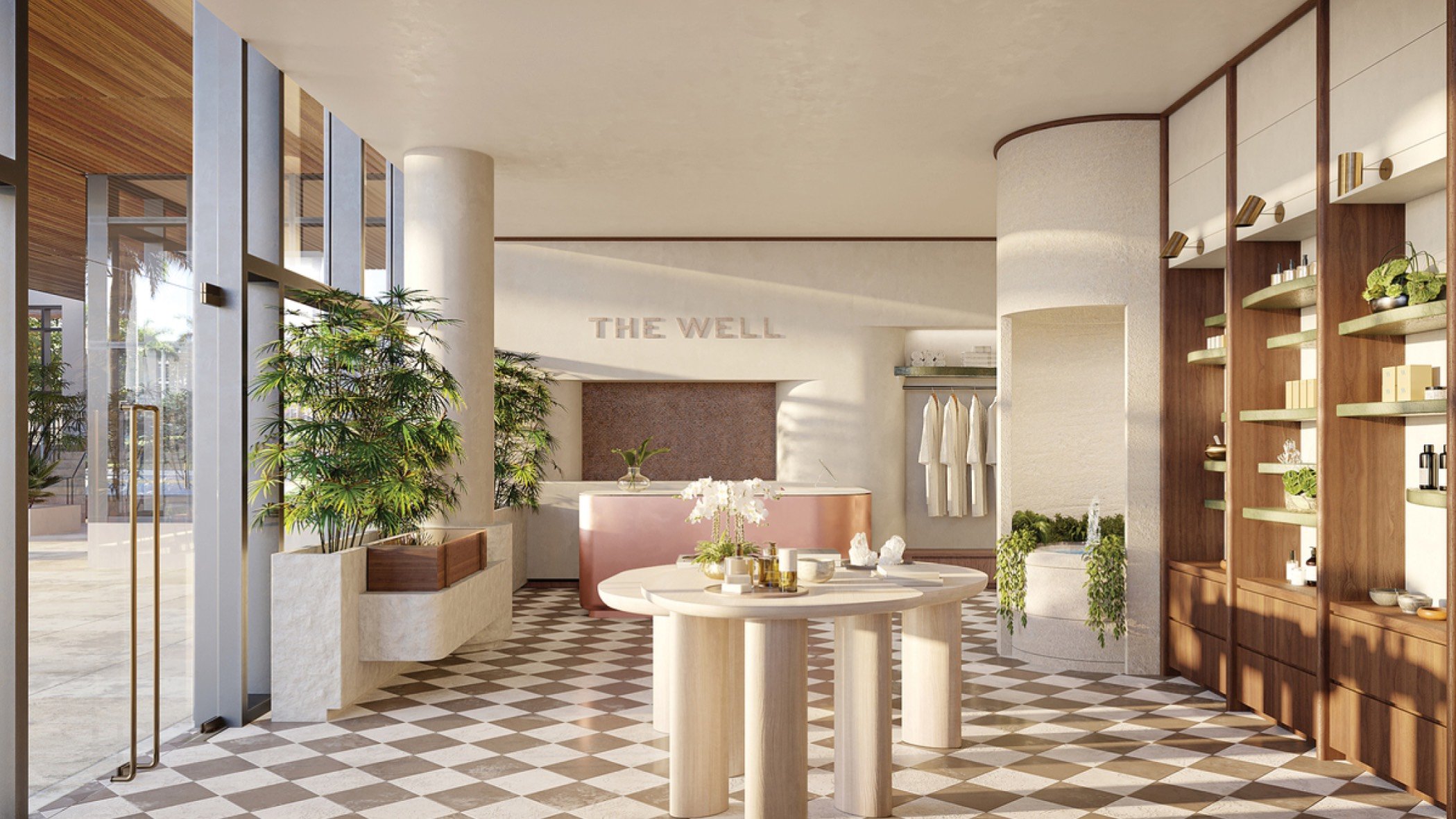
In Miami’s luxury condominium market, wellness is no longer a soft amenity tucked behind the pool deck. It has become daily infrastructure: the sequence of spaces, services, and private rituals that shape how residents recover from travel, train before work, decompress after dinner, and maintain energy in a climate defined by sun, water, and motion.
For the ultra-premium buyer, the question is not whether a building has a spa or fitness center. It is whether the wellness environment operates with the discretion and reliability of a private residence. The most compelling buildings treat recovery, movement, and restoration as part of the residential plan, not as a marketing flourish. That distinction matters in Miami, where owners may divide time between continents, entertain frequently, and expect the building to remove friction from daily life.
A previous generation of condominium amenities was often judged by scale: the largest gym, the most dramatic pool, the most photographed lounge. Today, sophisticated buyers focus more on choreography. Can one move from elevator to training room without crossing a crowded social area? Is there a quiet place to stretch, breathe, or take a call after a session? Does the spa feel private enough for weekly use, not merely impressive enough for a single tour?
The language of wellness has also matured. Buyers now ask about recovery as much as exertion, and about calm as much as spectacle. A strong amenity floor balances active and passive uses: fitness, movement, treatment, thermal experiences, quiet rooms, outdoor air, shade, and water. The best examples feel less like a club and more like a private extension of the home.
This shift is especially visible in Brickell, where density and professional pace intensify the value of controlled, restorative space. At The Residences at 1428 Brickell, the conversation around luxury naturally intersects with time efficiency: the ability to live, work, train, and reset without surrendering privacy or crossing the city.
For discerning buyers, wellness begins before the treatment room. It starts with arrival. A serene porte cochère, intuitive elevator sequence, and graceful transition from lobby to private amenity zones can set the tone for the entire experience. If a resident must navigate noise, confusion, or social congestion before reaching a wellness space, the promise of restoration is already compromised.
Privacy is equally important. Miami’s luxury buyers often include public figures, entrepreneurs, collectors, and families who value controlled access. They may want a trainer, therapist, or guest to enter efficiently without turning a personal routine into a public event. Wellness spaces that support discretion become more than amenities; they become instruments of lifestyle continuity.
Programming is the next layer. A beautiful gym with limited operational thought can feel static. A more sophisticated building considers how residents use time: early workouts, mid-day recovery, post-flight resets, family fitness, and quiet evening rituals. The building does not need to be theatrical. It needs to be dependable, elegant, and easy to use.
Miami’s wellness expectations change by neighborhood. Brickell buyers often seek efficiency, vertical convenience, and refuge from pace. In this context, wellness amenities should feel like a private reset button within the financial and cultural core. St. Regis® Residences Brickell sits naturally within that conversation, where service culture and urban living meet the desire for calm.
On the beach, the wellness equation becomes more elemental. Light, air, water, and outdoor transition matter as much as interior spa programming. A beachfront or near-beach residence can turn walking, swimming, and open-air recovery into part of the routine. For buyers considering The Perigon Miami Beach, the broader appeal is not only the residence itself, but the way Miami Beach living can support a slower, more sensory daily rhythm.
Bay Harbor Islands and Coconut Grove suggest another version of wellness: quieter, more residential, and often more connected to neighborhood scale. The Well Bay Harbor Islands and The Well Coconut Grove point to a buyer mindset that values restoration as a central part of home selection, rather than a secondary perk. For taxonomy-minded buyers, the lifestyle map may include Brickell, Miami Beach, and other enclaves, but the underlying question is consistent: which address supports the way one actually lives?
One common mistake in evaluating wellness amenities is treating spa, fitness, and recovery as interchangeable. They are related, but they require different design logic.
Fitness spaces benefit from energy, ceiling height, durable materials, equipment variety, and circulation that supports movement. A serious resident will notice whether there is room for functional training, whether machines are crowded, and whether the space feels motivating at different times of day.
Spa spaces require a different tempo. They should encourage quiet, privacy, and a sense of separation from the rest of the building. Lighting, acoustics, material warmth, and transition zones matter. A spa that is visually impressive but acoustically busy may not become part of a resident’s weekly rhythm.
Recovery is the bridge between the two. It is where luxury buyers are paying closer attention: stretching areas, treatment rooms, calm lounges, water rituals, and places that help the body downshift. In a city where travel, heat, social life, and work intensity often overlap, recovery is not indulgence. It is maintenance.
Wellness amenities can influence desirability because they speak to daily utility. Views remain powerful. Architecture and finishes still matter deeply. But in the ultra-luxury segment, buyers are often choosing among multiple beautiful residences. The differentiator becomes how the building improves time, energy, privacy, and ease.
A well-designed wellness program may also support longer ownership satisfaction. Residents who use a building’s amenities several times a week build a deeper relationship with the property. They are less dependent on external clubs and appointments, less exposed to traffic, and more likely to experience the building as a complete environment. That emotional utility can be difficult to quantify, but it is central to the luxury decision.
Still, buyers should be selective. A render of a spa is not the same as a durable wellness operation. The strongest buildings consider staffing, access, cleanliness, maintenance, and how spaces will feel once the residence is fully occupied. A wellness amenity is only as valuable as its ability to perform quietly, consistently, and privately.
A polished tour can make every amenity look persuasive. The sharper approach is to imagine daily use. Walk the route from residence to gym. Consider whether the elevator sequence feels discreet. Ask where guests, trainers, and service providers would enter. Look for separation between social amenities and recovery spaces. Notice acoustics, ventilation, light, flooring, storage, and whether the layout supports both solitude and movement.
For families, the evaluation expands. Wellness may include safe outdoor areas, flexible fitness options, calm places for parents, and spaces that do not feel too precious for regular use. For seasonal owners, convenience becomes paramount. A building that allows immediate re-entry into routine after travel can feel materially more valuable than one with amenities that require effort to access.
The best wellness environments in Miami are not defined by excess. They are defined by intelligence. They make healthy routines easier to keep, private rituals easier to protect, and the residence itself feel more complete.
Why are wellness amenities so important in Miami luxury condos? They support daily routines in a city shaped by travel, heat, social life, and active living. For many buyers, they now influence livability as much as traditional amenity spaces.
What should buyers look for beyond a fitness center? Look for privacy, recovery areas, spa logic, outdoor calm, circulation, and ease of use. The best wellness spaces feel practical, not merely photogenic.
Are spa amenities more valuable than gym amenities? They serve different purposes. Fitness supports exertion, while spa and recovery spaces support restoration and long-term routine.
Does Brickell require a different wellness strategy? Yes. Brickell buyers often value efficiency, discretion, and immediate access to restorative space within a dense urban setting.
How does Miami Beach change the wellness experience? Miami Beach adds light, air, water, and outdoor movement to the wellness equation. The setting itself can become part of the routine.
Should seasonal owners prioritize wellness amenities? Yes, especially if they want to re-establish routines quickly after travel. Convenient in-building wellness can reduce dependence on outside appointments.
What makes a wellness amenity feel truly private? Controlled access, thoughtful elevator paths, acoustic separation, and discreet service flow all contribute to privacy.
Can wellness amenities affect resale appeal? They can strengthen buyer interest when they are well-designed, well-maintained, and genuinely useful in daily life.
Are branded wellness concepts always better? Not automatically. Execution, operations, privacy, and long-term maintenance matter more than branding alone.
How should I compare wellness-focused buildings? Tour them as if you live there already: test the route, imagine your schedule, and evaluate whether the spaces will be used often.
To compare the best-fit options with clarity, connect with MILLION.
If branded residences are on your mind — as a home or as an allocation — we would be glad to share what we are seeing, privately.
Begin a quiet conversation