For South Florida waterfront condo buyers, flood diligence should happen before contract or within a defined review period. The essential work is not simply asking whether a residence is on the water, but confirming the building’s mapped flood zone, insurance implications, lender requirements, and shared-element exposure.
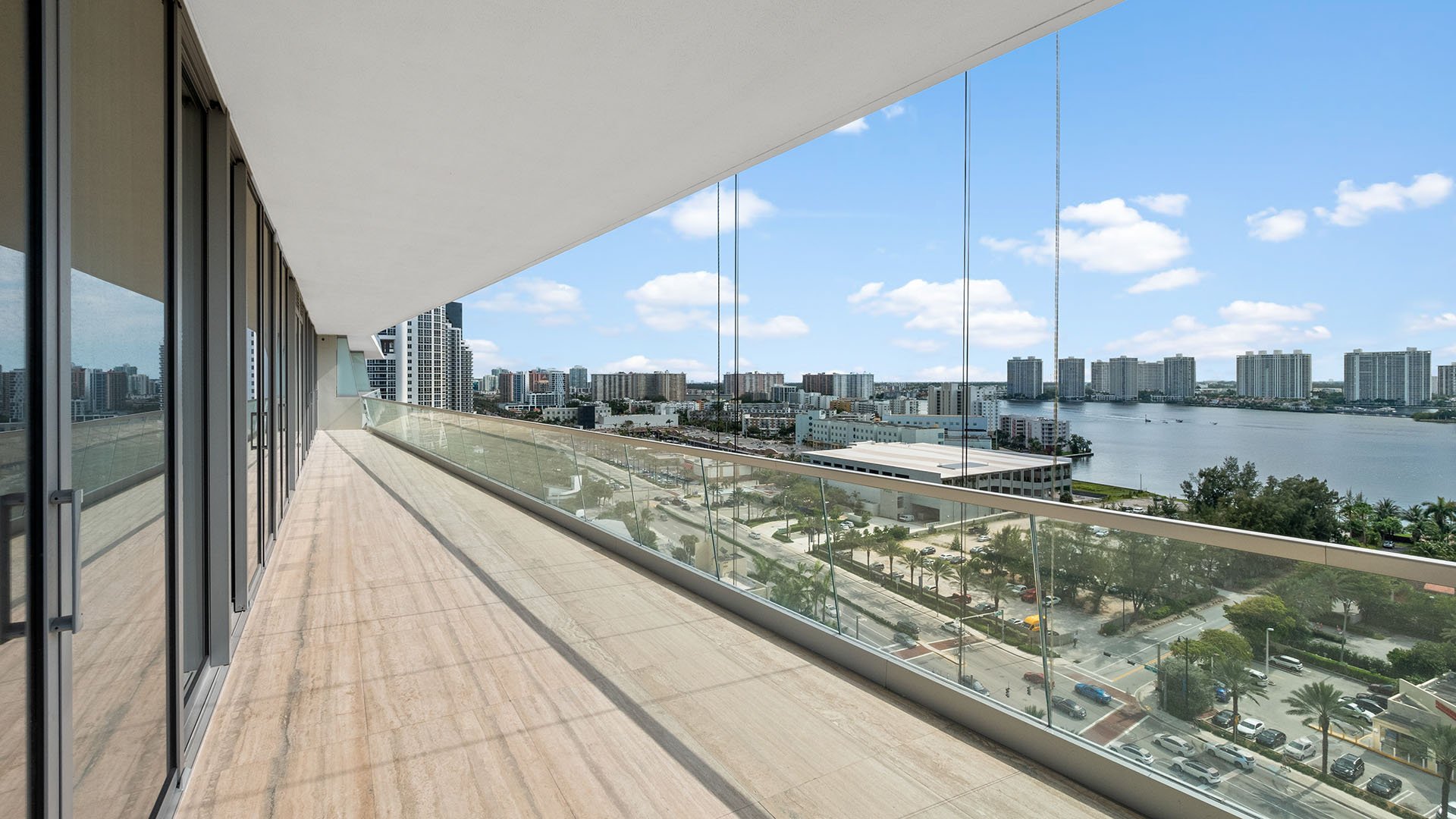
In South Florida, water is central to the luxury proposition. It frames the morning view, softens the skyline, and defines some of the region’s most coveted condominium addresses. Yet the same proximity that makes a residence feel rare also makes flood diligence a pre-contract priority. For waterfront buyers, especially those evaluating oceanfront, bayfront, riverfront, or intracoastal settings, the question is not simply whether a building is beautiful. It is whether the buyer understands the mapped flood exposure before deposits, financing deadlines, and inspection periods become consequential.
Flood disclosure should be treated as a discipline, not a formality. A buyer should verify the official flood-zone designation for the specific condominium building address, then consider how that designation may affect insurance, lender review, and long-term perception of risk. Marketing language such as “elevated,” “waterfront,” “resilient,” or “new construction” may provide context, but it is not a substitute for the official map panel and zone classification.
For buyers considering coastal residences such as 57 Ocean Miami Beach, the most elegant due diligence happens quietly and early. It gives the buyer time to evaluate the building, the unit, the association’s shared elements, and the financial implications without negotiating under unnecessary pressure.
Flood-zone review should begin with the exact condominium building address, not merely the neighborhood, island, or marketing district. A property one block away, or even another building within the same enclave, may sit in a different mapped condition. The correct search should identify the official flood map panel and the flood-zone designation applicable to the building.
The central distinction is whether the property lies inside a Special Flood Hazard Area. That classification generally indicates elevated flood risk and can influence how lenders, insurers, and buyers evaluate the property. Waterfront condominiums may also appear in V or VE zones, which are coastal high-hazard areas associated with wave action and storm-surge exposure. A and AE zones indicate high-risk flood areas where base flood elevations can be relevant to insurance and construction standards.
An X zone usually signals moderate or minimal mapped flood risk, but buyers should not mistake it for a guarantee. In a region shaped by tides, rain events, drainage systems, seawalls, and storm surge, lower mapped risk does not mean flood-proof ownership. For a refined buyer, the right posture is confidence without complacency.
The flood zone is not only a technical notation. It can become a financial signal inside the transaction. A lender may require flood insurance based on the mapped flood zone, and that requirement should be understood before a buyer waives contingencies or finalizes financing. If insurance costs, coverage terms, or association obligations alter the economics of ownership, the buyer should know while there is still room to respond.
This is especially important in the luxury tier, where the purchase price may be only one part of the ownership profile. Carrying costs, master policy considerations, association reserves, and future buyer sentiment all interact with how a building is perceived. A waterfront residence can remain highly desirable while still requiring precise risk review.
For example, buyers comparing urban waterfront living at Una Residences Brickell with coastal towers farther north should avoid assuming that one district’s flood condition describes another. Brickell, Miami Beach, Sunny Isles, Fort Lauderdale, Pompano Beach, and the barrier islands each require address-specific review.
A building’s elevation certificate, when available, can be an important document because elevation relative to the mapped flood standard may materially affect insurance evaluation. Buyers should request it early through the proper transaction channels and have the document reviewed by the appropriate insurance and advisory professionals.
The point is not to turn a luxury buyer into an engineer. It is to translate the property’s physical position into practical ownership questions. Where are the lowest enclosed areas? How does the building sit in relation to the mapped elevation? Are critical systems located in vulnerable areas? Does the association have information about prior mitigation, maintenance, or planned improvements?
At properties with direct coastal presence, such as Bentley Residences Sunny Isles, the value of early document review is not merely defensive. It helps the buyer understand the architecture of ownership: what belongs to the unit, what belongs to the association, and what must be protected at the building level.
Condominium flood diligence must extend beyond the private residence. The unit may sit high above grade, but the building’s shared elements can still carry meaningful exposure. Parking garages, lobbies, seawalls, mechanical rooms, elevators, loading areas, storage rooms, and ground-floor amenities are all part of the practical risk picture.
This distinction is crucial for buyers accustomed to evaluating interiors, views, finishes, and service. A high-floor residence may feel removed from flood concern, yet the building’s daily function depends on shared infrastructure. If a storm or flood event affects access, power, parking, or mechanical systems, the ownership experience can be affected even when the unit itself remains untouched.
Waterview condominium living therefore calls for two parallel reviews: the private residence and the collective asset. Buyers should ask how the association understands shared-element exposure, whether relevant documents are available, and how any insurance or maintenance issues are addressed within the condominium framework.
Official flood maps are a baseline due-diligence tool. They provide a starting point for understanding mapped risk, but they should not be treated as a complete forecast of future flood conditions. South Florida’s waterfront market is dynamic, and risk evaluation should be equally layered.
That does not mean buyers should become alarmist. The region’s finest buildings continue to attract sophisticated domestic and international purchasers precisely because water, design, and lifestyle remain central to the appeal. The goal is to buy with eyes open, not to eliminate every variable from coastal ownership.
For buyers evaluating resort-style coastal living at The Ritz-Carlton Residences® Pompano Beach or marina-adjacent opportunities such as St. Regis® Residences Bahia Mar Fort Lauderdale, the same principle applies: confirm the address, understand the zone, review shared elements, and clarify insurance before the contract becomes difficult to unwind.
Before signing, or during a clearly defined due-diligence period, a waterfront condominium buyer should verify the official flood-zone designation for the specific building address. The review should identify whether the property is in a Special Flood Hazard Area, whether the zone is V, VE, A, AE, X, or another mapped classification, and whether a lender will require flood insurance.
The buyer should also request the building’s elevation certificate if available, ask about shared-element exposure, and evaluate how the association’s documents, insurance structure, and physical plant align with the mapped risk. Timing matters. These questions are best asked before deposits become difficult to recover, not after the buyer is emotionally and financially committed.
The most sophisticated waterfront purchasers do not treat flood review as an obstacle to pleasure. They treat it as part of the privilege of buying well. In a market where views, service, and architecture command premiums, disciplined verification is one of the quietest forms of luxury.
Why should a waterfront condo buyer verify the flood zone before contract? The flood-zone designation can affect insurance, financing, and the buyer’s understanding of risk. Reviewing it early preserves flexibility.
Should the search use the neighborhood or the exact building address? The search should use the exact condominium building address. Nearby buildings or the broader island may not share the same mapped condition.
What is a Special Flood Hazard Area? It is an area generally treated as having elevated flood risk. Buyers should confirm whether the building falls inside one before proceeding.
What do V and VE zones suggest for coastal buyers? V and VE zones are coastal high-hazard areas associated with wave action and storm-surge exposure. They deserve careful insurance and building-level review.
What do A and AE zones mean? A and AE zones indicate high-risk flood areas. Base flood elevations may be relevant to insurance evaluation and construction standards.
Does an X zone mean the property is safe from flooding? No. X zones generally indicate moderate or minimal mapped flood risk, but they do not make a property flood-proof.
Why ask for an elevation certificate? If available, it can help evaluate the building’s elevation relative to the mapped flood standard. That can matter for insurance review.
Should a high-floor buyer still care about flood exposure? Yes. Shared elements such as garages, lobbies, mechanical rooms, seawalls, and amenities can affect the ownership experience.
Can a lender require flood insurance? A lender may require flood insurance based on the mapped flood zone. Buyers should clarify this before waiving contingencies.
What is the best way to shortlist comparable options for touring? Start with location fit, delivery status, and daily lifestyle priorities, then compare stacks and elevations to validate views and privacy.
For a tailored shortlist and next-step guidance, connect with MILLION.
If branded residences are on your mind — as a home or as an allocation — we would be glad to share what we are seeing, privately.
Begin a quiet conversation