A discreet buyer’s guide to evaluating wellness-driven residences in South Florida, with a practical lens on fitness rooms, spa spaces, recovery suites, privacy, operations, and long-term livability.
For a South Florida buyer, wellness is no longer a decorative phrase attached to a fitness room and treatment space. It is a measure of whether a residence can support daily performance, privacy, recovery, and ease. The question is not simply whether a building offers a gym, spa, or recovery suite. The sharper question is how those spaces perform when the building is fully alive: before school drop-off, after a long flight, during a quiet weekend, or between meetings in Brickell.
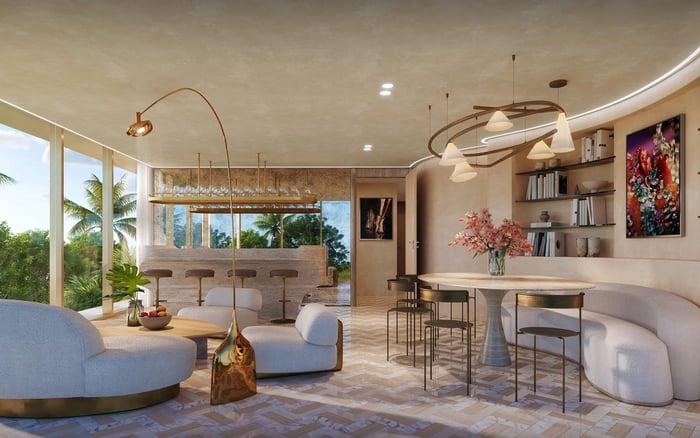
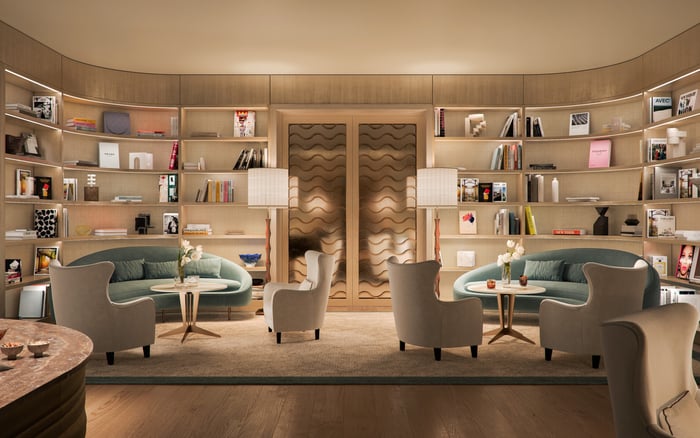
This is where the new wellness residence becomes a serious category. It asks buyers to compare atmosphere, operating logic, access, sound, light, staff coordination, and the relationship between private living space and shared amenity space. A polished room is only the opening note. The full composition depends on whether the experience feels intuitive.
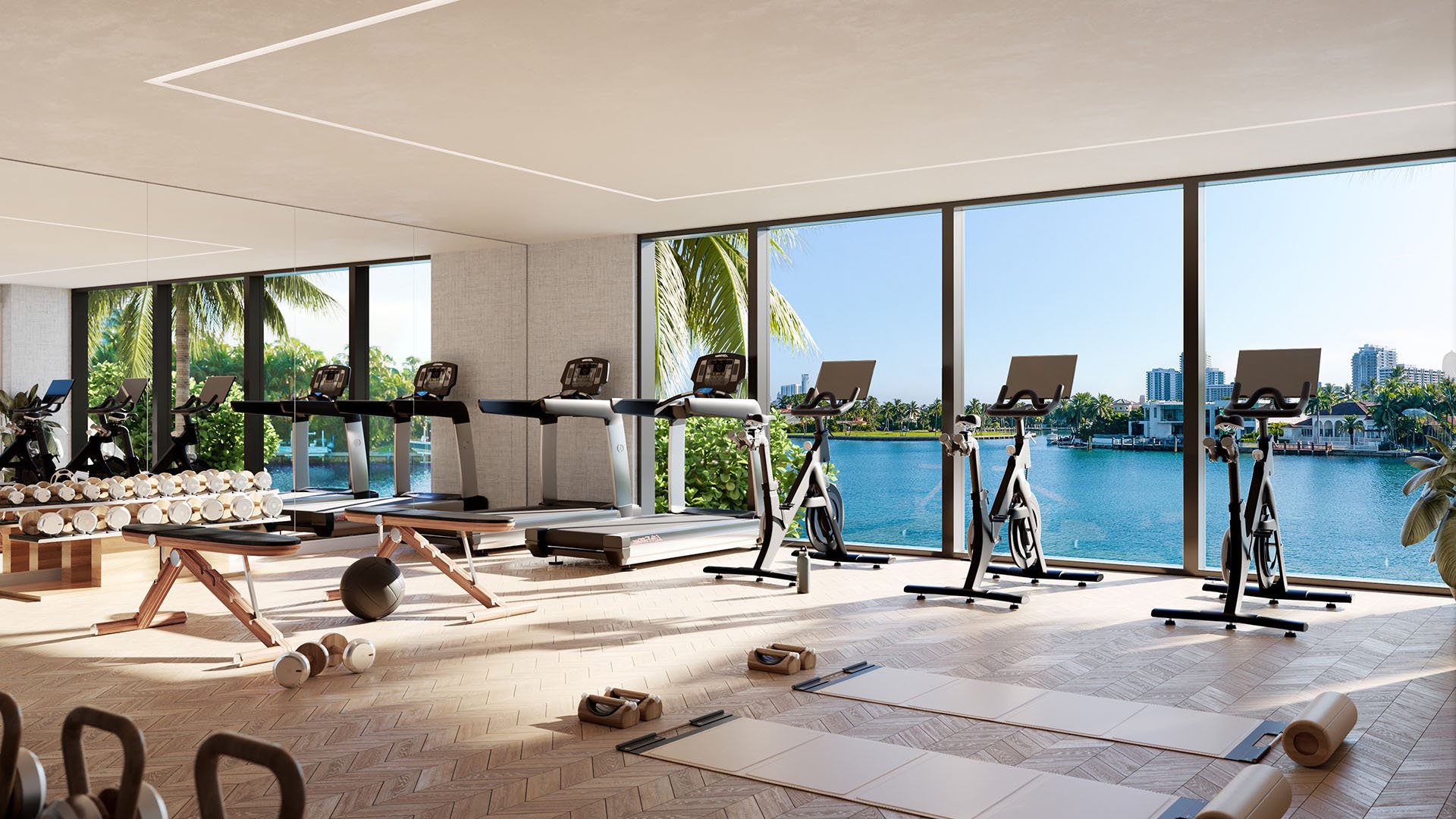
A residential gym should be assessed as an extension of the home. Buyers often walk in and look first for recognizable machines, mirrors, and views. Those details matter, but the deeper test is functional. Can two residents train at the same time without crowding one another? Is there room for stretching, mat work, strength training, and quiet mobility work? Does the space feel calm in the morning and composed in the evening?
In urban settings, a buyer considering The Residences at 1428 Brickell might consider how a wellness routine fits into a high-efficiency weekday. In this context, the best gym is not merely impressive. It is convenient enough to remove excuses, private enough to feel residential, and complete enough to replace an outside membership for most ordinary training days.
Lighting is another subtle marker. Harsh glare can make a technically expensive gym feel institutional, while thoughtful light can make a workout room feel connected to a broader wellness ritual. Ventilation, flooring, ceiling height, storage, and the route from elevator to gym all matter. The most elegant answer is usually the one that makes repeated use feel natural.
A spa amenity is easy to overstate and difficult to execute. Buyers should look beyond the initial impression and ask how the space will be reserved, cleaned, staffed, and experienced. A serene photograph is not the same as a serene routine. Privacy is the essential luxury: privacy before a treatment, through the transition afterward, and while moving through the building.
In Miami Beach, a residence such as The Perigon Miami Beach can prompt a useful question: does the wellness experience complement the coastal rhythm, or does it feel separate from it? The strongest spa environments are not necessarily the largest. They are the ones that understand sequence. Arrival should be quiet. Changing should be easy. Waiting should feel protected. The return to the residence should be dignified.
Buyers should also consider whether spa areas support both solo and social use. Some residents want a deeply private reset. Others value a relaxed shared ritual with family or close guests. A building that can accommodate both without making either feel compromised has a more durable wellness proposition.
Recovery is the most revealing part of the wellness conversation because it separates lifestyle marketing from daily function. A recovery suite can mean different things from one building to another, so buyers should not assume the label tells the whole story. Instead, ask what experience is actually being offered. Is the space designed for quiet decompression? Does it support post-training recovery, jet-lag recovery, or simply a calm reset after a demanding day?
At The Well Bay Harbor Islands, the idea of wellness invites buyers to think carefully about integration. A compelling residence should connect the resident’s home, daily schedule, and shared amenities into one discreet system. Recovery should not feel like an appointment with the building. It should feel like an effortless part of living there.
This is also where acoustics matter. A beautiful recovery room loses value if it is exposed to corridor noise, service movement, or social spillover. Ask how the space is positioned, how it is accessed, and whether its mood can hold even when the property is busy.
Wellness is not contained within the amenity floor. It is shaped by the pace of the neighborhood, the ease of arrival, the character of nearby streets, and the resident’s personal schedule. A buyer who wants sunrise ocean routines may compare differently from a buyer who wants a shaded village lifestyle or a short commute to financial and cultural centers.
In Coconut Grove, The Well Coconut Grove suggests a different wellness lens from a tower in a dense business district. The same is true for a buyer comparing Bay Harbor calm with Sunny Isles vertical ocean living. None is universally superior. The right answer depends on whether the surrounding environment reinforces the wellness habits the buyer already values.
For new-construction residences, the buyer should ask how wellness has been planned from the beginning rather than inserted as a late amenity. The difference can be felt in circulation, ceiling heights, locker areas, outdoor connections, and the way private elevators or corridors meet shared spaces. When these details align, wellness becomes quiet architecture rather than a branded room.
The most refined wellness spaces depend on operations. Reservation policies, guest rules, cleaning standards, staff discretion, and maintenance routines all affect the experience. A gym with excellent equipment can disappoint if it is crowded at predictable hours. A spa can lose its calm if scheduling is awkward. A recovery area can feel less exclusive if it lacks thoughtful control.
This is especially relevant when comparing branded or service-forward residences. A buyer considering St. Regis® Residences Sunny Isles may naturally examine how service culture, privacy, and amenity access work together. The more premium the residence, the more important these invisible systems become.
Buyers should ask practical questions during a tour. How many residents are expected to use the wellness areas at peak times? Are guests permitted, and under what conditions? Can treatments or trainers be arranged privately? Where does one wait? Where does one change? How often are areas refreshed? The answers will reveal whether the building understands wellness as hospitality or merely as inventory.
The strongest wellness residence is not necessarily the one with the longest amenity menu. It is the one that matches the buyer’s actual life. For a frequent traveler, recovery and privacy may outrank social amenities. For a family, flexible fitness space and easy access may matter more than a formal treatment room. For an owner who entertains selectively, discretion and guest flow can be decisive.
A useful framework is simple. First, identify the three routines that matter most. Second, test whether the building supports those routines without friction. Third, compare how the amenity spaces feel in sequence rather than separately. Fourth, consider whether the neighborhood extends the wellness experience or interrupts it. Finally, look for restraint. In the ultra-premium market, the most persuasive spaces often whisper rather than announce.
What is the first wellness amenity buyers should evaluate? Start with the gym because it is usually the most frequently used wellness space and reveals how well the building supports daily habits.
How should buyers compare residential spas? Focus on privacy, reservation flow, changing areas, acoustic comfort, and whether the experience feels calm before and after treatment.
What makes a recovery suite meaningful? A meaningful recovery suite offers quiet, controlled space that supports decompression rather than simply adding another labeled amenity.
Should buyers prioritize size or design quality? Design quality usually matters more because circulation, light, sound, and privacy determine whether residents will actually use the space.
How does neighborhood choice affect wellness living? The surrounding pace, commute pattern, outdoor environment, and arrival experience can either reinforce or disrupt a wellness routine.
Are branded residences automatically stronger for wellness? Not automatically. Buyers should examine service standards, access policies, staffing, and how wellness spaces operate day to day.
What should families look for in wellness amenities? Families should look for flexibility, easy circulation, durable finishes, and spaces that can serve different routines without conflict.
How can a buyer assess privacy during a tour? Walk the full path from residence to amenity and note elevator flow, corridor exposure, waiting areas, and transitions after use.
Do wellness amenities affect long-term livability? They can, especially when they replace outside memberships, reduce daily friction, and make the residence feel more complete.
What is the best sign of a well-planned wellness residence? The best sign is effortlessness: spaces that feel natural to use repeatedly, with privacy and service working quietly in the background.
For a tailored shortlist and next-step guidance, connect with MILLION.
If branded residences are on your mind — as a home or as an allocation — we would be glad to share what we are seeing, privately.
Begin a quiet conversation