A discreet buyer’s guide to evaluating Miami Tropic Residences by separating brand language from verifiable amenities, service commitments, operating structure, and long-term ownership value.
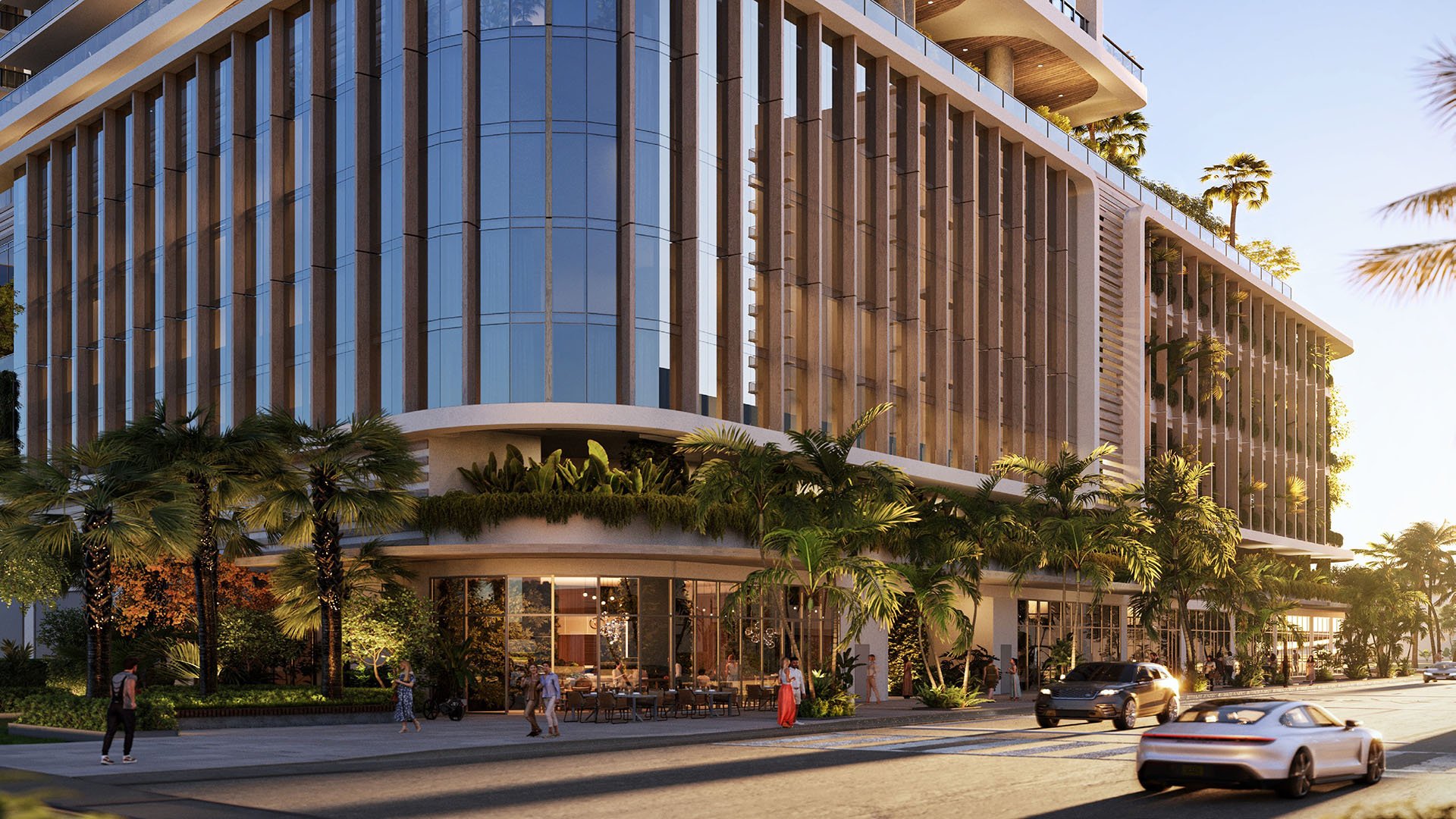
Lifestyle branding has become one of the defining languages of Miami luxury real estate. It can signal taste, hospitality, wellness, privacy, and access, but it should never stand in for buyer diligence. For Miami Tropic Residences, the essential task is to separate atmosphere from evidence: what is suggested by the lifestyle narrative, what is confirmed in project materials, and what will be governed by legal documents after closing.
That distinction matters because luxury is not only a visual experience. A beautiful rendering can establish aspiration, but an owner lives with elevator performance, amenity capacity, staffing standards, association budgets, maintenance rules, and the daily rhythm of the neighborhood. The stronger the lifestyle claim, the more carefully it should be tested against residence plans, amenity descriptions, the service model, purchase terms, and the long-term operating structure.
The first review should be practical. Compare the language used to describe the project with the floor plans, amenity descriptions, location information, and purchase terms available to buyers. If the sales narrative emphasizes hospitality, wellness, social life, privacy, or resort-style living, ask where those ideas appear in concrete form.
A buyer should know which amenities are scheduled for delivery, when they are expected to open, who will operate them, and whether access is included with ownership or subject to separate fees. If resident programming, concierge services, wellness offerings, or hospitality-style features are described, the key question is whether they are contractually defined or simply promotional. In pre-delivery environments, language can evolve; documents tend to reveal the true obligations.
This is not a cynical exercise. It is a luxury discipline. The most sophisticated buyers are not rejecting lifestyle branding. They are asking whether the brand experience can be executed, maintained, and funded at the level implied.
Amenity value is not determined by the longest list. It is determined by relevance, capacity, maintenance, staffing, and daily use. A feature that sounds impressive but is rarely used, difficult to book, understaffed, or costly to maintain may add less value than a smaller amenity that genuinely improves the resident experience.
For Miami Tropic Residences, buyers should consider how each lifestyle promise fits their actual routine. Does the amenity platform support full-time living, seasonal ownership, or a secondary-home pattern? Are spaces designed for quiet use, social gathering, wellness, family life, or entertaining? How many residents are likely to use the most desirable amenities at peak times? Who controls reservations, guest policies, and operating hours?
The operating question is equally important. A pool, terrace, wellness rooms, lounges, or concierge-style features require recurring care. Staff must be paid. Equipment must be maintained. Rules must be enforced. The long-term owner experience depends on whether the association budget, reserves, and management structure can sustain the lifestyle after turnover to owners.
In branded residential real estate, execution is the real brand test. Developer credibility matters because the promised experience depends on construction quality, delivery timing, amenity completion, and post-closing management standards. A buyer should request evidence of completed projects, resident satisfaction, and a track record for delivering promised amenities without major value-engineering compromises.
The question is not simply, “Is the concept attractive?” It is, “Can this team deliver the concept at the level being marketed?” That includes finishes, common areas, service hiring, transition planning, maintenance standards, and responsiveness once residents are in place.
Buyers should also examine disclaimers attached to marketing materials. Renderings, furniture, finishes, programming, and amenity concepts may be subject to change. The more central a lifestyle feature is to the purchase decision, the more important it is to confirm whether it is protected in the purchase documents or merely illustrative.
Lifestyle branding is strongest when it aligns with the neighborhood. A building can promise a refined residential atmosphere, but the surrounding context shapes the daily experience: transportation access, dining, recreation, shopping, cultural infrastructure, and the general pace of the area.
This is where comparison becomes useful. In Brickell, projects such as 888 Brickell by Dolce & Gabbana and Baccarat Residences Brickell help buyers consider how a high-design or brand-forward residence competes in a dense urban setting. The question is not which name is louder. It is which service model, location profile, amenity depth, and resale positioning best match the buyer’s life.
Other Miami comparisons can sharpen the analysis. A buyer evaluating wellness language may look at The Well Coconut Grove as part of a broader review of how health, calm, and programming are expressed in residential form. For a waterfront-adjacent urban lifestyle lens, Villa Miami can be considered as another point of reference. These comparisons are not substitutes for diligence, but they help define what the market is asking buyers to pay for.
The reservation agreement is only the beginning. Before committing, buyers should review the reservation agreement, condominium documents, estimated HOA fees, rental rules, cancellation rights, construction timeline, and all disclaimers connected to lifestyle claims. A polished sales gallery can create momentum, but the documents define risk.
Rental rules deserve special attention. If a buyer is considering investment potential, the ability to rent, the minimum rental period, guest policies, and building restrictions can materially affect ownership strategy. If the purchase is primarily for personal use, rental policy still matters because it shapes the resident population, lobby rhythm, and long-term building character.
HOA estimates should be understood not merely as a monthly cost, but as the financial engine of the lifestyle. Underfunded service expectations can lead to reduced programming, deferred maintenance, special assessments, or tension among owners. A building that promises a high-touch experience must have the financial architecture to support it.
Miami Tropic Residences should be evaluated as both a residence and an operating promise. The lifestyle story may be part of the appeal, but a commitment should rest on verifiable details: plans, specifications, service structure, budgets, legal documents, delivery expectations, and comparable market positioning.
The right buyer will ask precise questions before being moved by atmosphere. What is included? What is optional? What is staffed? What is protected by documents? What can change? Who pays to maintain the experience? How does the project compare with other Miami residences on price, location, amenity depth, service model, delivery timeline, and resale identity?
In the ultra-premium market, discretion is often more valuable than drama. The strongest residential decision is not the one made fastest. It is the one made with clarity, patience, and a precise understanding of how lifestyle branding becomes daily life.
What is the first step in evaluating Miami Tropic Residences? Start by separating the lifestyle promise from verifiable floor plans, amenity descriptions, location details, purchase terms, and legal documents.
Should lifestyle branding be treated as guaranteed value? No. Treat it as an added-value claim that must be supported by amenities, service standards, management structure, and budgets.
Are renderings enough to judge the project? No. Renderings should be supported by clear information on what will be delivered, when amenities open, who operates them, and whether access is included.
Why does developer credibility matter? The lifestyle experience depends on execution quality, amenity completion, construction delivery, and management standards after closing.
How should buyers judge amenities? Focus on likely daily use, capacity, staffing, maintenance needs, and relevance to your actual lifestyle rather than the number of features listed.
What documents should be reviewed before committing? Review the reservation agreement, condominium documents, estimated HOA fees, rental rules, cancellation rights, construction timeline, and disclaimers.
Why are HOA estimates important? They indicate whether the building may be able to sustain staffing, maintenance, reserves, programming, and the promised level of service.
Should Miami Tropic Residences be compared with other projects? Yes. Compare price, location, amenity depth, service model, delivery timeline, and resale positioning against competing Miami luxury residences.
Do rental rules affect lifestyle value? Yes. Rental policies can influence owner experience, building character, investment strategy, and long-term resident expectations.
What is the best mindset before committing? Be aspirational but precise, and confirm which lifestyle elements are documented, funded, staffed, and sustainable after owner turnover.
When you're ready to tour or underwrite the options, connect with MILLION.
If branded residences are on your mind — as a home or as an allocation — we would be glad to share what we are seeing, privately.
Begin a quiet conversation