A discreet buyer’s guide to evaluating how beachfront and city residences support post-beach recovery, from arrival sequence and privacy to terraces, pools, and evening transitions.
For South Florida buyers, beach recovery is not a spa cliché. It is a daily choreography: returning from salt air, heat, sand, sun, a swim, a boat, or a long lunch near the water, then becoming composed again before dinner, work, or sleep. The distinction between a beachfront residence and a city residence is not simply distance from the shore. It is how each home receives the body at the most transitional moment of the day.
A strong comparison begins with sequence. Where do you arrive? How private is the return from elevator to residence? Where do wet towels, beach bags, sunglasses, sandals, and sunscreen go before they touch the more formal rooms? Can the home move you from exposure to quiet without making the process feel improvised? In this sense, recovery is less about indulgence than friction.
Buyers often describe their priorities with terms such as Miami Beach, oceanfront, beach access, terrace, pool, and Brickell. Those words are useful, but they are only the beginning. The more refined question is how each setting edits the hours after the beach.
A beachfront residence has one natural advantage: immediacy. If your day is built around the water, the ideal home shortens the return from beach to shower, from sun to shade, from public shoreline to private interior. The best ritual feels unforced. You enter, release the day’s gear, rinse, hydrate, change, and re-emerge with little interruption.
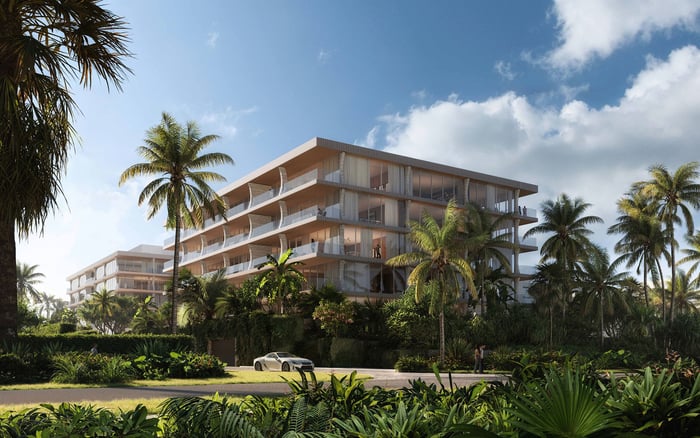
In a Miami Beach setting, buyers comparing a residence such as 57 Ocean Miami Beach should look beyond decorative drama and focus on the arrival rhythm after sand and salt. The practical questions are intimate: is there a generous entry point, a place to pause, and a route toward bathing areas that does not cut directly through the entertaining zone? Is the terrace useful in late afternoon, or merely photogenic? Does the home allow a swim-and-shower ritual before sunset without turning the residence into a staging area?
Beachfront living also rewards restraint. Too much glass without shade can make recovery feel exposed. Too many reflective surfaces can sharpen the light when the body is asking for calm. A serene palette, easy-to-maintain materials, and a clear division between casual and formal zones often matter more than ornamental gestures.
City residences compete differently. They may not deliver the same immediate beach-to-door transition, but they can offer a more controlled reset after a beach day. The ritual begins before the residence itself: valet, lobby, elevator, corridor, and entry. A city home is successful when it absorbs the friction of returning from the coast into an urban evening.
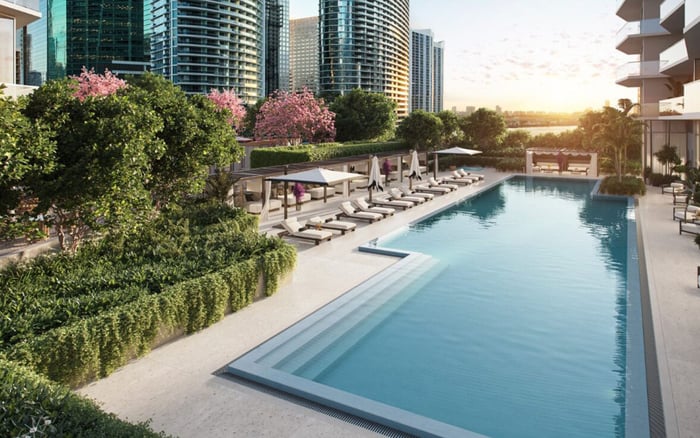
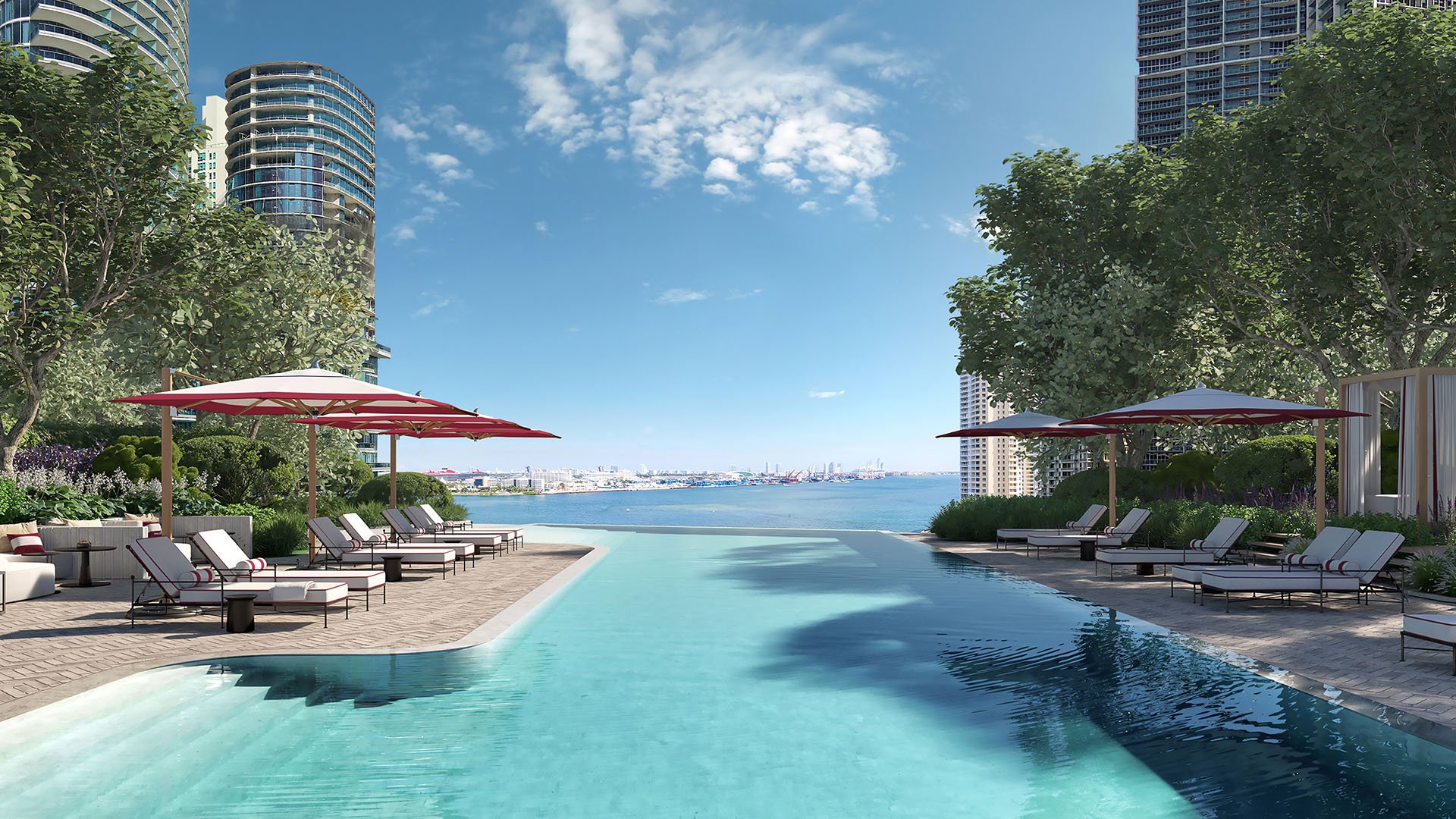
For Brickell buyers, the question is not whether a beach ritual can exist. It is whether the residence can transform a high-energy day into a composed night. In a building conversation that includes Baccarat Residences Brickell, comparison should center on privacy, acoustic separation, ease of arrival, and the ability to shift quickly from informal recovery to dinner, hosting, or work.
The city version of beach recovery is often more edited. You may want a cool, quiet entry, a discreet laundry strategy, a guest powder room that protects the private suite, and a primary bath that feels like a true decompression chamber. The residence should not pretend to be the beach. It should perform as the calm after it.
The most revealing test is the first 15 minutes after you return. Walk the route in your mind. In a beachfront home, imagine arriving with damp hair, a tote, sandals, a towel, and a phone that needs charging. In a city home, imagine the same items, plus the transfer from car to elevator and the change in tempo from coast to skyline.
Ask what happens first. If every object lands on the kitchen island, the design may not support the ritual. If the route to the shower crosses formal entertaining areas, the plan may be beautiful but not forgiving. If the terrace is the only decompression point, consider whether it works in heat, rain, wind, or after dark.
A residence such as The Perigon Miami Beach belongs in this kind of lifestyle comparison because the buyer’s true priority is not simply address prestige. It is whether the home can make repeated returns from the beach feel elegant rather than effortful.
Luxury recovery depends on privacy. That does not always mean isolation. It means the ability to choose when the day becomes visible to others. A beachfront residence may need privacy from beach traffic, neighboring terraces, or the casual exposure of resort-like surroundings. A city residence may need privacy from lobby movement, building circulation, and the social energy of the district.
The best homes create layers. A direct elevator experience may feel highly private, but it still needs a graceful threshold inside the residence. A generous foyer may feel ceremonial, but it should also serve the unscripted moments of daily life. In a city setting, buyers considering The Residences at 1428 Brickell can think in terms of transition: how quickly does the residence move from public intensity to private restoration?
Privacy also affects sleep. A beach day can be physically relaxed but sensorially full. After sun, sound, and motion, the evening environment should feel composed. Bedrooms should sit away from the most active living zones whenever possible, and bathing, closet, and sleeping areas should operate as a private suite rather than separate tasks.
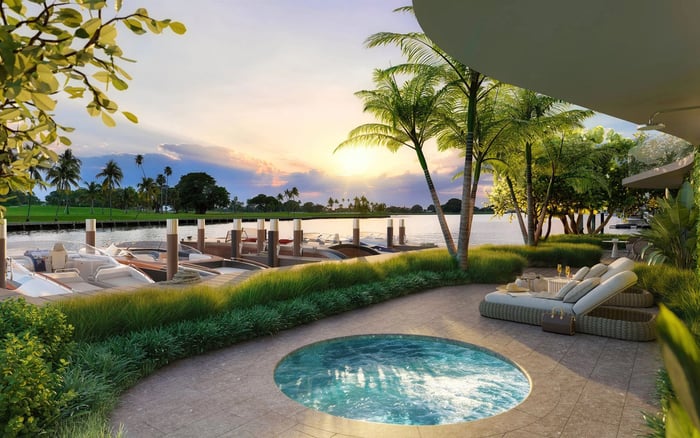
A compelling amenity program can enhance the ritual, but it should not compensate for a residence that is poorly sequenced. Pools, wellness rooms, lounges, treatment spaces, and terraces are most valuable when they extend a rhythm already present in the home. The private residence still needs to function beautifully on ordinary days, not only on days when staff, services, or reservations align.
This is especially important for buyers comparing coastal and bay-adjacent alternatives. A residence such as The Well Bay Harbor Islands may enter the conversation for clients who want recovery to feel integrated into daily living rather than reserved for special appointments. The key is not to count amenities. It is to ask whether they reduce decision fatigue.
There is no universal winner between beachfront and city residences. The better home is the one that matches your cadence. If your ideal day begins and ends by the water, a beachfront residence may feel emotionally and practically aligned. If your life moves between the beach, restaurants, offices, schools, flights, and evening commitments, a city residence may offer the sharper reset.
The highest form of South Florida living is not a single setting. It is a residence that understands how you recover. When the plan supports the body, the ritual becomes invisible. You return, reset, and the day continues with ease.
What is a beach recovery ritual in residential real estate? It is the sequence that helps a resident transition from sun, sand, water, and activity back into privacy, comfort, and composure at home.
Is a beachfront residence always better for post-beach recovery? Not always. Beachfront homes offer immediacy, while city residences can provide a more controlled and private reset after the coast.
What should buyers look for first? Start with the arrival path, storage, shower access, laundry logic, and whether the main living areas stay composed after a beach return.
Why does terrace design matter? A terrace can be a recovery room in the open air if it offers comfort, shade, privacy, and a usable connection to the interior.
How does Brickell compare with Miami Beach for this lifestyle? Brickell favors a city-to-evening reset, while Miami Beach favors immediate access to coastal routines and a shorter return from the shoreline.
Are amenities more important than the residence layout? Amenities matter, but they should support a strong private layout rather than make up for weak daily function inside the home.
What makes a primary suite effective for recovery? The best suites connect bathing, dressing, quiet, and sleep in a way that feels private and uninterrupted after an active day.
Should investors care about beach recovery rituals? Yes, because lifestyle fit can influence how naturally a residence appeals to discerning end users and second-home buyers.
Can a city residence still feel coastal? Yes, if the design prioritizes light, calm materials, water-oriented routines, and a graceful transition from outside energy to interior quiet.
What is the best way to shortlist comparable options for touring? Start with location fit, delivery status, and daily lifestyle priorities, then compare stacks and elevations to validate views and privacy.
For a discreet conversation and a curated building-by-building shortlist, connect with MILLION.
If branded residences are on your mind — as a home or as an allocation — we would be glad to share what we are seeing, privately.
Begin a quiet conversation