A discreet buyer’s guide to assessing South Florida luxury residences for long-term comfort, accessibility, privacy, and design integrity without sacrificing architectural elegance.

A residence suited to aging in place should never feel clinical. At the highest end of the South Florida market, the objective is not to retrofit a beautiful home after it becomes inconvenient. It is to select, shape, and furnish a residence so elegance and ease are already in quiet alignment.
For sophisticated buyers, this is less about visible accommodation than architectural intelligence. A well-planned home allows movement to feel natural, service to remain discreet, and daily rituals to unfold without friction. It protects independence while preserving the atmosphere that made the residence desirable in the first place.
In neighborhoods from Brickell to Miami Beach and Coconut Grove, the most compelling residences treat longevity as a luxury attribute. New construction can be especially appealing when it offers contemporary planning, modern vertical access, generous amenity programming, and the opportunity to make finish selections before habits become limitations.
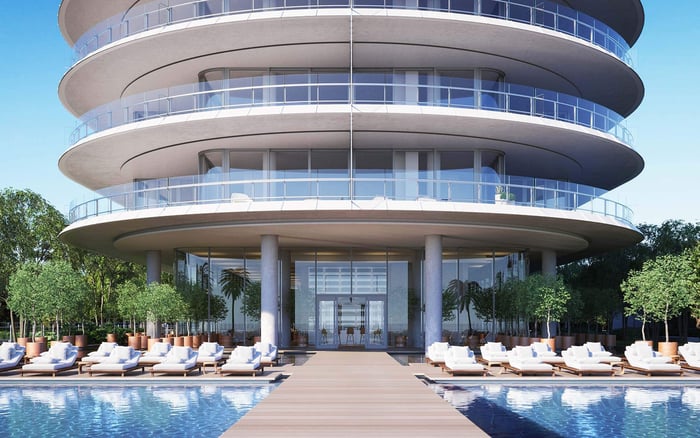
The first test begins before the front door. A graceful aging-in-place residence should offer an arrival sequence that feels dignified in every circumstance. Consider the path from valet, garage, private elevator, lobby, or porte cochère to the residence itself. The route should be intuitive, sheltered where possible, well lit, and free of awkward level changes.
Private elevator access, wide corridors, and an entry gallery with room for seating or a console can make daily life more comfortable without announcing why. In a condominium, assess how easily one can move from residence to lobby, parking, mail, amenities, and outdoor areas. Even the most beautiful home loses practicality if every outing requires negotiation.
For urban buyers who want walkability and services nearby, residences such as 2200 Brickell invite a useful conversation about how location and building format can support a lifestyle that remains active, social, and convenient over time.
Inside the residence, circulation is the quiet measure of long-term livability. Look for generous clearances between furniture groups, hallways that do not pinch, and rooms that can be navigated without sharp turns or raised thresholds. Open plans can be useful, but only when they remain well proportioned and acoustically comfortable.
Door swings matter. So do hallway widths, kitchen aisles, bath entries, laundry access, and the distance between the primary suite and the rooms used most often. A residence may photograph beautifully yet ask too much of its owner in daily movement.
Single-level living has particular appeal, but it is not the only answer. In a multi-level home, elevator planning is essential. In a high-rise, elevator reliability, lobby staffing, and service procedures become part of the residence’s functional luxury.
The primary bath is one of the most important rooms to evaluate. A timeless bath can be both glamorous and practical when its proportions are considered early. Curbless showers, thoughtful drainage, wide entries, integrated benches, hand showers, and blocking behind walls for future support can be executed with stone, plaster, bronze, and millwork rather than institutional hardware.
Avoid layouts that rely on narrow compartments, oversized tubs that dominate the room, or vanities with poor knee clearance and weak lighting. A beautiful bath should support grooming, bathing, and dressing with calm efficiency. Floors should feel secure underfoot, especially when wet, without compromising material quality.
If a residence is still in planning or customization stages, ask whether the developer or design team can accommodate discreet future-ready details. The most successful solutions are invisible until they are needed.
A kitchen that ages well is not merely large. It is organized. Appliances should be reachable without excessive bending or overhead stretching. Storage should be balanced among upper cabinetry, drawers, pantry space, and appliance garages. Islands should allow comfortable movement on all sides and provide seated space that feels intentional rather than improvised.
Consider where groceries enter the home, how staff or family members move through the kitchen, and whether the laundry room is accessible without passing through awkward private zones. Service areas are often overlooked in emotional purchases, yet they have an outsized effect on daily comfort.
For buyers who entertain, the best layouts separate presentation from preparation. This allows a formal evening to remain polished while the residence continues to function quietly in the background.
In South Florida, a terrace is not decoration. It is part of the living program. When evaluating an outdoor area, study the threshold from interior to exterior, the depth of the space, the flooring surface, wind exposure, shade, and whether furnishings can be arranged without blocking movement.
A shallow balcony may offer a view, but a deeper terrace can support dining, lounging, planting, and morning routines. For oceanfront or bayfront residences, the romance of the outlook should be balanced with practical questions about privacy, glare, and access.
Along the coast, projects such as The Ritz-Carlton Residences® Miami Beach and The Perigon Miami Beach are the kind of residences buyers may consider when weighing waterfront lifestyle, building services, and the long-term pleasure of indoor-outdoor living.
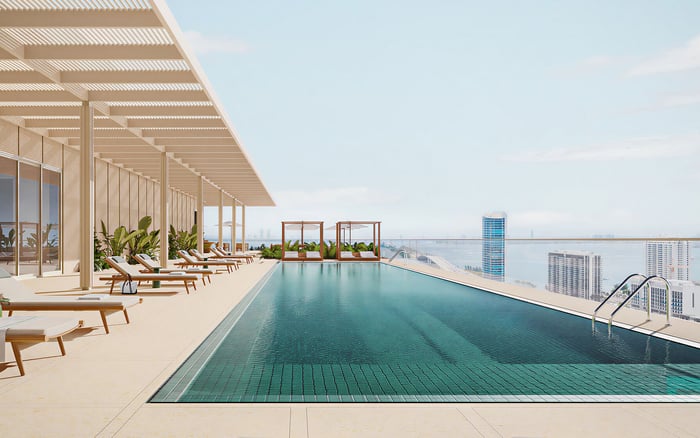
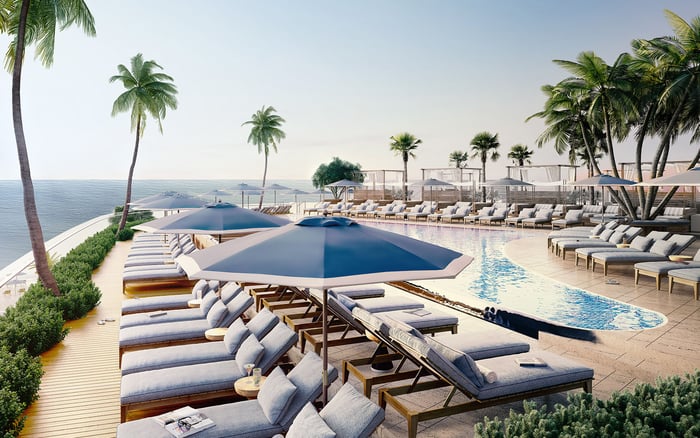
A residence is only one layer of the lifestyle. Building amenities can extend independence by placing wellness, social, and leisure experiences close at hand. A pool, fitness room, spa areas, salons, dining spaces, lounges, and guest accommodations may reduce the need for frequent off-site appointments or complex transportation.
The quality of operations matters as much as the amenities themselves. Ask how spaces are staffed, how reservations are managed, how guests are received, and whether the amenity level is easy to reach from the residence. A beautiful wellness suite that requires a complicated route will be used less often.
In quieter village-style settings, The Well Bay Harbor Islands offers a useful example of how wellness-oriented residential thinking can align with a more measured daily rhythm.
The most refined aging-in-place strategy is not to make a home look adapted. It is to make it adaptable. Choose millwork that can be modified, lighting that can be layered, hardware that feels substantial in the hand, and furnishings that allow generous passage. Rugs should be selected and installed with care. Seating should be deep enough for comfort but not so low that standing becomes difficult.
Lighting deserves special attention. Layer ambient, task, and accent lighting so the residence can shift from entertaining to quiet evening routines. Controls should be intuitive. Window treatments should be easy to operate. Technology should simplify life without turning the home into a control room.
In lush, design-conscious enclaves, Four Seasons Residences Coconut Grove represents the type of setting where buyers may think carefully about serenity, service, greenery, and long-term ease as part of one residential decision.
Before committing, walk the residence slowly and imagine an ordinary day. Where do you put down keys and packages? How far is the primary suite from the kitchen? Can two people pass comfortably in the hall? Is there a place to sit while dressing? Can the terrace be enjoyed without moving heavy doors or furniture? Are guest rooms flexible enough for caregivers, family, or live-in support if circumstances change?
Equally important, consider whether the building will remain suitable as needs evolve. Staffing, security, parking, elevators, maintenance responsiveness, and amenity access all contribute to a graceful long-term experience. The right residence should feel indulgent now and intelligent later.
What is the most important aging-in-place feature in a luxury residence? Seamless circulation is often the foundation. If arrival, hallways, bathrooms, and terraces are easy to navigate, many other refinements can be layered in gracefully.
Can an aging-in-place home still feel highly designed? Yes. The best solutions use proportion, materials, lighting, and concealed preparation rather than obvious adaptive devices.
Are condominiums better than single-family homes for aging in place? They can be, particularly when elevators, staff, security, and amenities reduce daily maintenance. The right choice depends on lifestyle, privacy needs, and preferred level of service.
Should buyers prioritize new construction? New construction may offer modern layouts and customization opportunities, but each residence should still be evaluated room by room for practical long-term comfort.
Why do bathroom details matter so much? Bathrooms combine water, movement, grooming, and privacy. A spacious, well-lit, low-threshold bath can support independence without sacrificing beauty.
How should outdoor areas be evaluated? Look beyond the view. Terrace depth, threshold height, shade, wind, privacy, and furniture layout determine whether the space will be used every day.
Do wellness amenities add real value for long-term living? They can, especially when they are easy to access and well operated. Convenience encourages consistent use and supports a more complete lifestyle at home.
What design choices should be avoided? Avoid tight passages, slippery flooring, overly low seating, complicated controls, and layouts that require frequent stairs or awkward turns.
Can a residence be prepared for future support without visible changes? Yes. Wall blocking, flexible rooms, generous clearances, and smart lighting can be planned discreetly long before they are needed.
When should aging-in-place considerations enter the buying process? They should be considered from the first showing. It is far easier to choose the right residence than to force elegance and function together later.
If you'd like a private walkthrough and a curated shortlist, connect with MILLION.
If branded residences are on your mind — as a home or as an allocation — we would be glad to share what we are seeing, privately.
Begin a quiet conversation