A buyer-focused comparison of Alana Bay Harbor Islands and The Ritz-Carlton Residences® Fort Lauderdale through the lens of household operations, privacy, arrival patterns, and daily residential rhythm.
For sophisticated South Florida buyers, the most consequential comparison is often not the most photogenic one. It is operational. How does the residence receive guests? How does a family move between school runs, airport departures, restaurant nights, dog walks, beach days, visiting parents, and domestic staff schedules? How visible does daily life feel? How much brand presence belongs inside a private routine?
That is the useful lens for comparing Alana Bay Harbor Islands with The Ritz-Carlton Residences® Fort Lauderdale. One sits conceptually on the low-rise, neighborhood-scale side of the buyer conversation. The other occupies the imagination of branded Fort Lauderdale waterfront living, where buyers tend to expect a more formal residential experience. The better choice is not universal. It depends on the household.
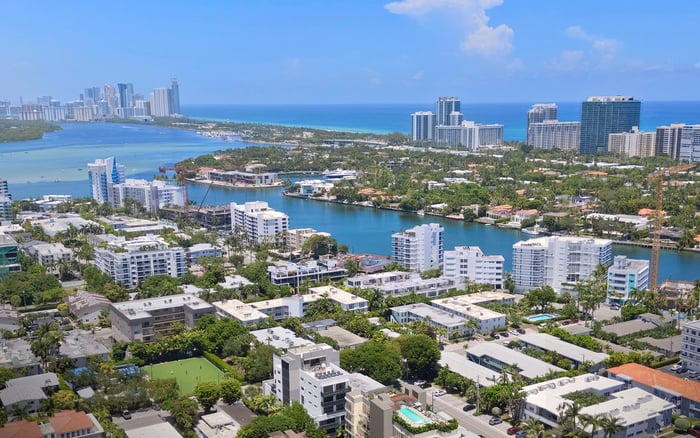
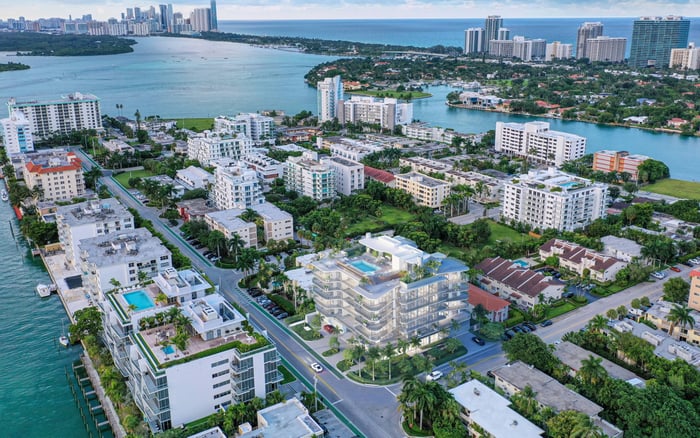
Alana Bay Harbor Islands is framed for buyers who want the quieter cadence of Bay Harbor Islands rather than the declarative posture of a skyline address. That distinction matters. A low-rise setting can feel more legible day to day: fewer moments of transition, a stronger sense of neighborhood presence, and a residential rhythm closer to a private address than a destination property.
For households that prioritize discretion, the Bay Harbor Islands proposition is not merely about scale. It is about emotional tempo. Morning routines can feel less theatrical. Arrivals can be less ceremonial. The residence becomes a base for family life, dining, schools, Bal Harbour, Surfside, Miami Beach, and the broader coastal circuit, without requiring every return home to feel like an entrance.
This is why some buyers who begin with Bay Harbor searches also study nearby residential options such as The Well Bay Harbor Islands and La Maré Bay Harbor Islands. The shared question is not simply which building has the most amenities. It is whether the island setting supports the buyer’s preferred pattern of life.
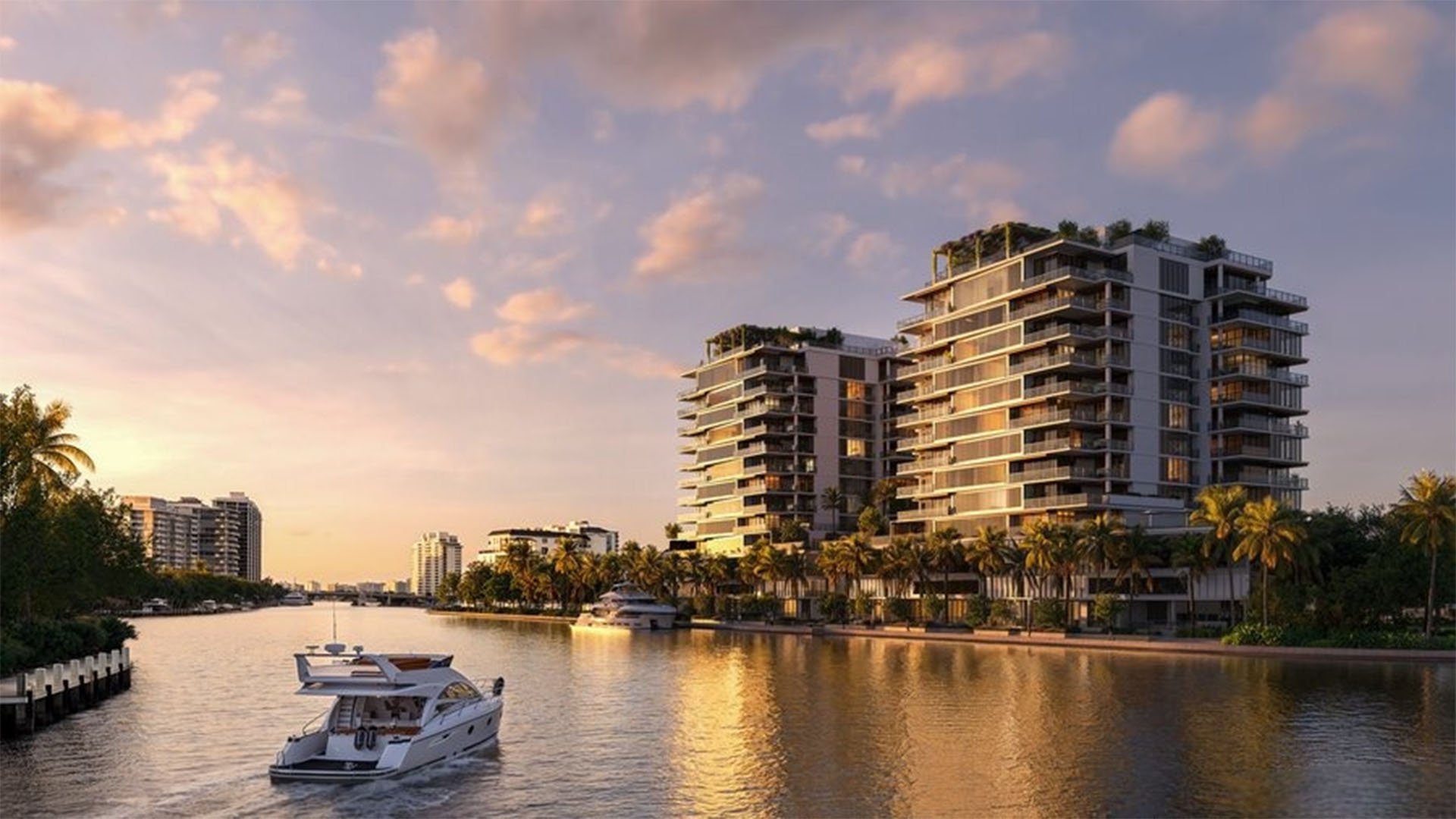
The Ritz-Carlton name naturally introduces a different expectation set. Buyers considering The Ritz-Carlton Residences® Fort Lauderdale are typically evaluating not only an address, but a branded-residence environment. That can be compelling for owners who value a more formal hospitality vocabulary, a recognizable name, and the psychological comfort of a globally familiar residential identity.
For household operations, however, brand should be treated as the beginning of diligence, not the conclusion. Service scope, residential governance, owner policies, staffing models, parking flow, guest protocols, pet rules, rental rules, and day-to-day building procedures should all be reviewed carefully in current materials before a buyer assumes how the property will operate. In the luxury segment, two buildings can both feel polished while functioning very differently behind the scenes.
Fort Lauderdale buyers may also compare the broader local field, including projects such as Riva Residenze Fort Lauderdale and other waterfront residences, to understand whether they prefer a branded hospitality posture, a more residential tone, or something between the two.
The most revealing questions are domestic. Does the household employ staff, and if so, how should they enter, park, circulate, and coordinate deliveries? Are guests frequent and informal, or curated and occasional? Is the residence a primary home, a seasonal base, or a second-home foothold? Will children, pets, grandparents, or live-in help shape the daily use of elevators, lobbies, service areas, and amenity spaces?
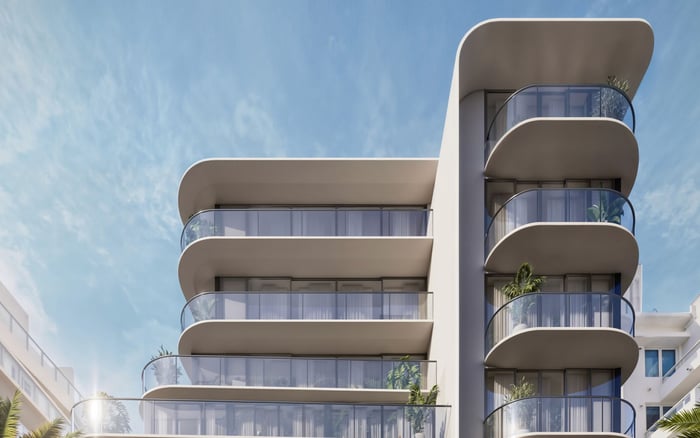
A buyer drawn to Alana may be responding to boutique scale, low-floors comfort, and the sense that new construction can still feel personal rather than grand. A buyer drawn to the Fort Lauderdale branded-residence model may be seeking a more visible residential identity and a larger sense of arrival. Neither instinct is wrong. The mistake is choosing on aesthetics alone.
In practice, the right residence is the one that makes ordinary life feel effortless. The wrong one is the one that photographs well but asks the household to adapt to a rhythm it does not actually enjoy.
Privacy is not only about square footage or security. It is about how often one is seen, how many people share transitional spaces, how predictable the building feels at different hours, and whether arrival creates calm or performance.
A low-rise neighborhood setting can appeal to owners who want fewer layers between car, lobby, elevator, and front door. It may also suit buyers who prefer recognizable neighbors and a more residential street presence. A branded Fort Lauderdale residence may appeal to those who like a more composed arrival sequence and the sense of being anchored in a recognizable luxury environment. The buyer’s temperament is central.
This comparison belongs in a vocabulary of Bay Harbor restraint, Fort Lauderdale energy, boutique expectations, low-floors comfort, and new-construction diligence. Those labels are not marketing decoration. They are clues to how the home may feel at 8 a.m., 6 p.m., and midnight.
The more affluent the buyer, the more important the operating documents become. Monthly obligations, association culture, reserves, maintenance expectations, insurance posture, hospitality privileges, staff rules, and owner usage policies can shape the real experience of ownership as much as finishes and views.
For Alana Bay Harbor Islands, the low-rise, neighborhood-scale angle remains central. For The Ritz-Carlton Residences® Fort Lauderdale, buyers should confirm project-specific operational details directly before relying on assumptions associated with the brand. That is not caution for caution’s sake. It is disciplined luxury buying.
The household that values quiet repetition may find Bay Harbor Islands more aligned with its private pattern. The household that wants a Fort Lauderdale branded address may accept more formality in exchange for the identity and structure it seeks. The best decision is the one that turns prestige into ease.
Is Alana Bay Harbor Islands the quieter option in this comparison? It is positioned on the low-rise, neighborhood-scale side of the discussion, which may suit buyers seeking a calmer residential rhythm.
Can buyers assume how The Ritz-Carlton Residences® Fort Lauderdale operates? No. Brand expectations should be tested against current building documents, service descriptions, policies, and owner procedures.
Is this comparison mainly about amenities? No. It is about household operations, including arrivals, privacy, staffing, guest flow, governance, and daily ease.
Who may prefer Alana Bay Harbor Islands? Buyers who value a low-rise setting, neighborhood cadence, and a less theatrical return home may find it compelling.
Who may prefer a branded Fort Lauderdale residence? Buyers who want a recognizable luxury identity and a more formal residential environment may be drawn to that model.
Should association documents matter to luxury buyers? Yes. Governance, fees, reserves, rules, and service policies can shape the true ownership experience.
Is low-rise living always more private? Not automatically. Privacy depends on circulation, building culture, staff protocols, guest patterns, and owner behavior.
Is skyline drama a disadvantage? Not necessarily. It can be desirable for buyers who want presence, views, and a more expressive residential identity.
How should second-home buyers evaluate the choice? They should focus on lock-and-leave comfort, staff coordination, guest access, maintenance, and how easily the home reactivates on arrival.
What is the best way to shortlist comparable options for touring? Start with location fit, delivery status, and daily lifestyle priorities, then compare stacks and elevations to validate views and privacy.
If you'd like a private walkthrough and a curated shortlist, connect with MILLION.
If branded residences are on your mind — as a home or as an allocation — we would be glad to share what we are seeing, privately.
Begin a quiet conversation