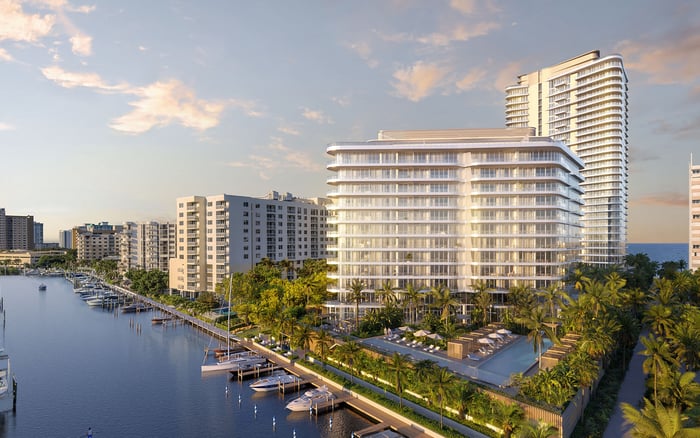
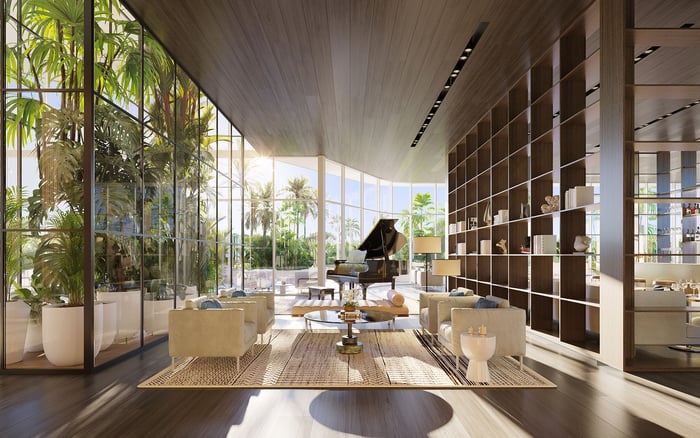
A discreet buyer’s guide to evaluating recovery-room privacy at Waldorf Astoria Residences Pompano Beach through physical layout, access control, service protocols, acoustic discretion, and future resale positioning.
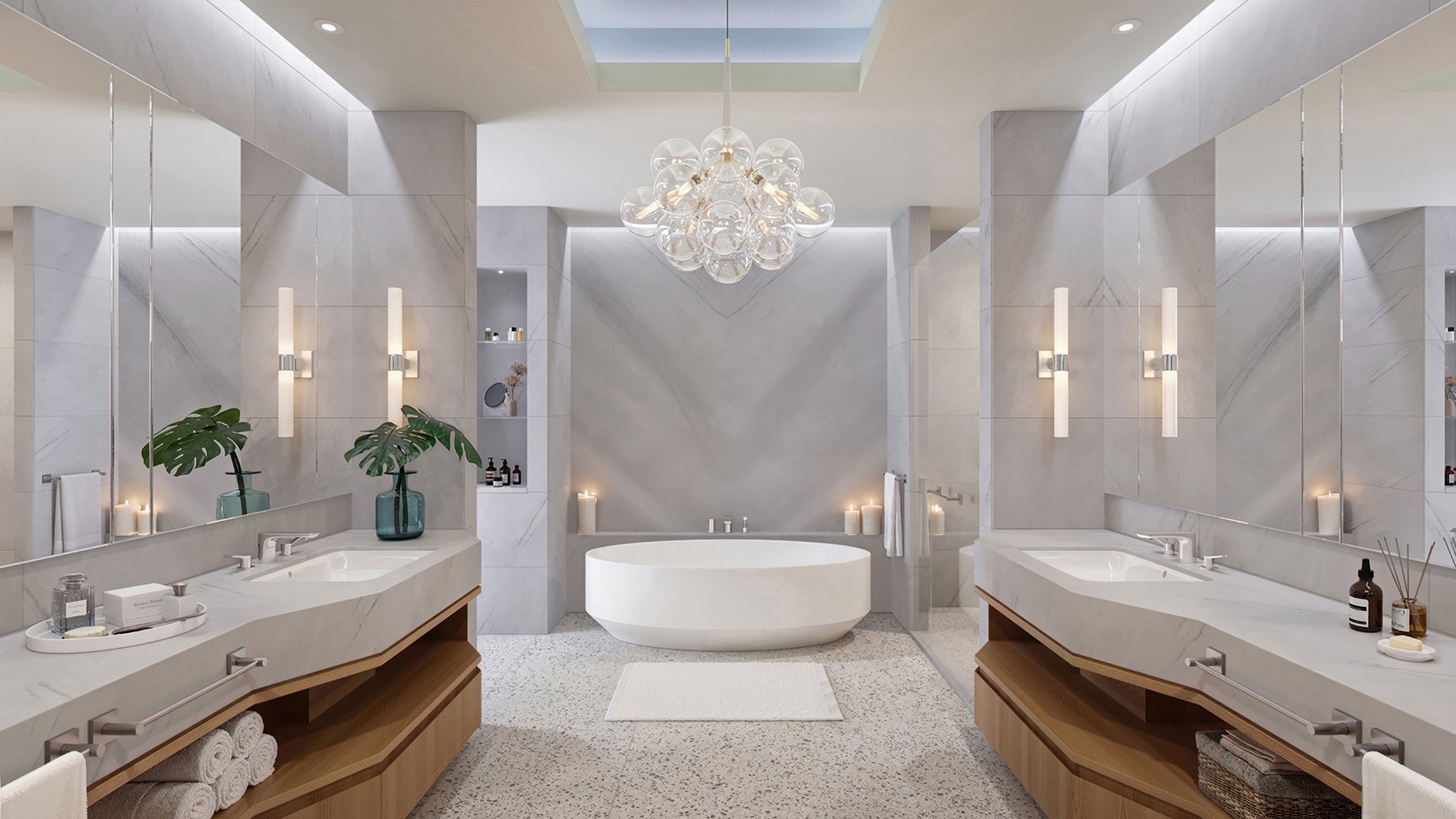
At the top end of South Florida real estate, wellness is no longer a secondary amenity. It shapes how buyers assess daily living, entertaining, privacy, and long-term value. For buyers studying Waldorf Astoria Residences Pompano Beach, the question is not simply whether a recovery-room concept sounds elevated. The sharper question is how privately it can be used, serviced, reserved, and later explained to the next buyer.
That distinction matters. A recovery room may involve post-training decompression, wellness treatments, private conversations, family assistance, visiting providers, or equipment noise. In a luxury condominium, those uses touch three sensitive issues: who can see you, who can hear you, and who knows you are there. The strongest evaluation separates the topic into physical privacy, operational discretion, access and guest controls, and resale appeal.
Buyers should avoid assuming any specific feature, dimension, acoustic rating, staffing policy, or reservation rule unless it appears in current sales materials, condominium documents, floor plans, or amenity specifications. The privacy review should be disciplined, document-based, and focused on how the space will function on an ordinary Tuesday, not only how it appears in a polished presentation.
The first test is the path from residence to recovery area. A private room can lose much of its value if reaching it requires passing through a visible lobby, a high-traffic amenity corridor, or a social zone where residents and guests naturally gather. Buyers should ask for the intended circulation path and study whether that path feels discreet during both peak and quiet hours.
In oceanfront Broward buildings, the most desirable amenity experiences often balance resort energy with residential separation. That balance is also relevant when comparing Pompano Beach peers such as The Ritz-Carlton Residences® Pompano Beach, where buyers tend to examine not just amenity names, but the choreography between arrival, wellness, beach, pool, and private residence.
For Waldorf Astoria Residences Pompano Beach, a buyer should ask: can I move from my elevator or residential corridor to the recovery area without feeling on display? Are there pinch points where residents waiting for another amenity would see everyone entering? Do glass lines, open lounge adjacencies, or reception positions make use of the room visible?
Visual privacy is not achieved by a door alone. It depends on what can be seen from entrances, corridors, waiting areas, adjacent amenity spaces, and staff stations. A buyer should stand at, or review plans from, every likely angle and ask what a passerby would notice.
This is especially important where wellness amenities sit near fitness, spa, pool, or lounge areas. The recovery-room entrance should not feel like a stage. A discreet approach may be more valuable than a dramatic one, particularly for owners who expect to use the space with trainers, therapists, wellness providers, or visiting family members.
Buyers should also consider the waiting condition. If the space is reservable, where does a guest or provider pause before entry? If the room is occupied, does the next user wait in a visible corridor? If staff must prepare the room, is that service movement exposed to other residents? These small design decisions can determine whether an amenity feels genuinely private or merely branded as such.
Sound is often the overlooked privacy issue. Recovery spaces may involve personal wellness discussions, treatment instructions, relaxation periods, or equipment that produces intermittent noise. A luxury buyer should not rely on vague descriptions of serenity. The right questions are both technical and practical.
Ask what documentation is available for walls, doors, ceiling assemblies, and any acoustic treatments. A solid privacy review should consider whether sound could transfer into corridors, adjoining rooms, fitness spaces, lounges, or staff areas. If specific acoustic ratings are not documented, buyers should avoid treating them as established facts.
New-construction buyers should be especially careful here. The promise of a new building can be compelling, but privacy is delivered through construction details, operating rules, and day-to-day management. It is reasonable to ask whether the recovery area is designed for quiet use, whether doors are self-closing, whether mechanical sound is controlled, and whether conversations could be overheard from nearby amenity zones.
A recovery room is only as private as its access system. Buyers should ask who may enter, how resident access is authenticated, and whether staff or guest access is logged. If visiting providers are permitted, the protocol should be clear: how they arrive, who escorts them, where they wait, and whether their presence is visible to other residents.
Guest rules can meaningfully change the character of the amenity. A family member assisting an owner is different from a trainer circulating through multiple appointments. A therapist, nurse, or wellness practitioner may require a higher level of discretion. The buyer’s task is to understand how the building handles these situations before relying on the amenity as part of a personal wellness routine.
Comparable Pompano Beach projects such as Armani Casa Residences Pompano Beach and W Pompano Beach Hotel & Residences may invite similar buyer questions about the relationship between branded service, guest flow, and residential discretion. The lesson is broader than any single building: privacy depends on rules as much as rooms.
In a branded or service-rich residential environment, staffing protocols matter. Buyers should ask how reservations are handled, who sees booking information, how staff respond to resident wellness requests, and whether confidentiality expectations are written into operating standards.
Exclusive-use scheduling can materially improve privacy if residents can reserve the room without overlap from other users. The key is to confirm how scheduling works, whether buffers exist between appointments, and how cleaning or setup is handled without creating visibility in adjacent spaces. A recovery room that can be privately reserved may feel entirely different from one that functions as a loosely shared amenity.
Service privacy also includes language. Staff should know how to discuss wellness requests discreetly, avoid public confirmations, and prevent unnecessary exposure of a resident’s routine. The most refined buildings understand that discretion is not theatrical. It is quiet, consistent, and predictable.
A resale-oriented buyer should ask whether the recovery-room concept is distinctive, durable, and easy to explain. Wellness demand may remain strong, but future buyers will distinguish between thoughtful privacy and amenity novelty. A room that feels useful, private, and operationally well managed may support a clearer ownership story.
The strongest resale positioning comes from a feature that can be described without exaggeration. If documentation supports the privacy framework, the future seller can speak confidently about circulation, access controls, acoustic considerations, reservation structure, and service discretion. If documentation is thin, the amenity may still have lifestyle appeal, but it should not be overvalued in underwriting.
For luxury buyers, the final question is simple: would I use this space when I value privacy most? If the answer depends on the time of day, the staff on duty, or who is walking nearby, more diligence is needed.
Should buyers assume Waldorf Astoria Residences Pompano Beach has a specific recovery-room layout? No. Buyers should verify any specific configuration, feature, dimension, or operating rule through current project documents.
What is the first privacy question to ask? Ask how a resident moves from the residence to the recovery area and whether that route passes visible or busy amenity zones.
Why do sight lines matter? Sight lines determine whether residents, guests, or staff can see who is entering, waiting for, or leaving the recovery area.
Is acoustic privacy as important as visual privacy? Yes. Recovery rooms may involve conversations, wellness treatments, or equipment noise that should not easily carry into adjacent spaces.
What documents should a buyer request? Request available information on walls, doors, ceiling assemblies, acoustic treatments, access controls, and reservation procedures.
How do guest protocols affect privacy? Guest rules determine how trainers, therapists, family members, or other visitors enter, wait, and access the recovery area.
Can exclusive-use scheduling improve privacy? Yes. Private reservation windows can reduce overlap with other residents and make the experience feel more controlled.
What should buyers ask about staff discretion? Ask who handles reservations, who sees wellness requests, and how confidentiality expectations are communicated to staff.
Why does this matter for resale? Future buyers may value wellness amenities more when the privacy story is clear, durable, and supported by documents.
What is the main takeaway for luxury buyers? Treat recovery-room privacy as a full due-diligence topic, not as a marketing phrase or a single amenity label.
For a discreet conversation and a curated building-by-building shortlist, connect with MILLION.
If branded residences are on your mind — as a home or as an allocation — we would be glad to share what we are seeing, privately.
Begin a quiet conversation