A buyer-focused editorial on how The Cove Residences Edgewater sits within Edgewater’s broader shift from skyline spectacle toward day-to-day residential staying power.
In Edgewater, the most important buyer conversation is no longer defined only by height, glass, or a dramatic arrival sequence. Those elements still matter in a luxury market, but they are not the full measure of a residence that will feel composed five, seven, or ten years after purchase. The more durable question is simpler and more exacting: can the home support a full life, not just an impressive first impression?
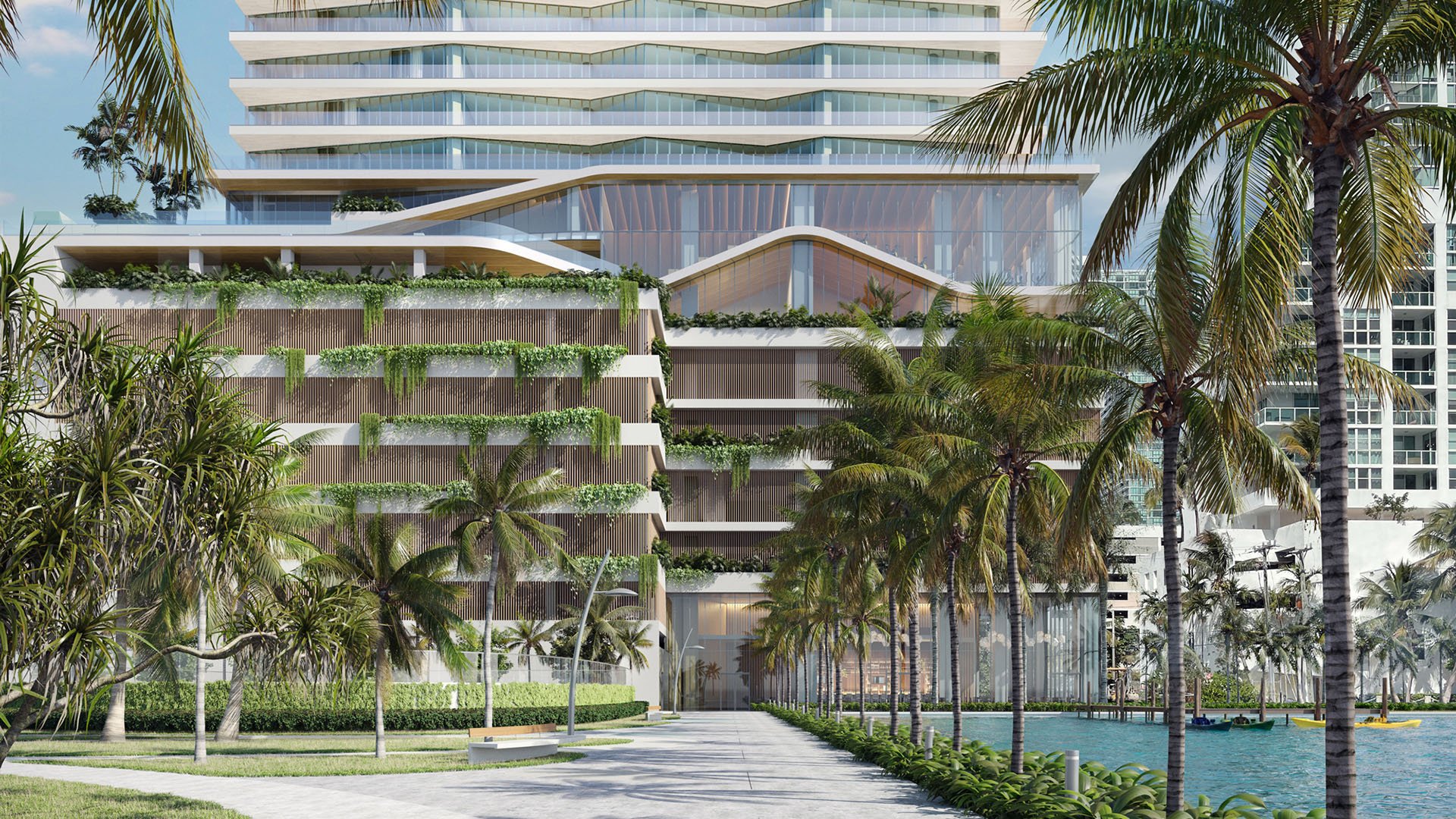
That is the context in which The Cove Residences Edgewater belongs. Its relevance is not only as another address in a high-profile corridor, but as part of a broader shift in how sophisticated buyers read Edgewater. The district is being evaluated less as a transitional skyline and more as a place where ownership should feel practical, private, and emotionally sustainable.
For a primary resident, long-term livability means the floor plan has to work on ordinary mornings as well as weekends with guests. It means the building’s atmosphere should feel gracious without becoming theatrical. It means privacy, light, access, service, storage, parking, and outdoor space must work together rather than compete for attention. In this sense, The Cove Residences Edgewater fits a more mature luxury vocabulary, one that prizes refinement over noise.
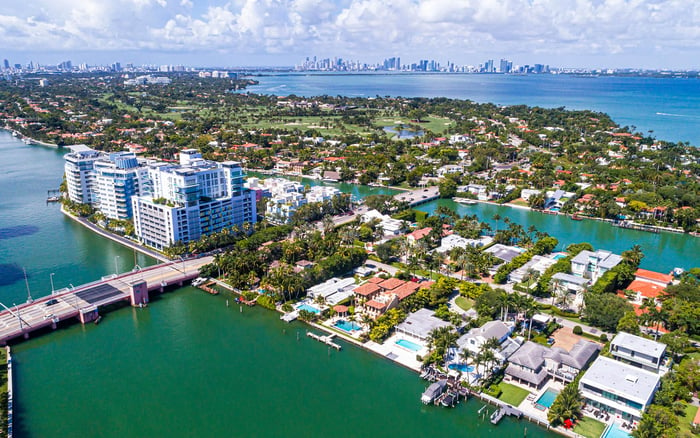
Edgewater has often been discussed through visual language: bay views, vertical form, and the relationship between city and water. Those ideas remain central to its identity, but buyers at the upper end of the market are increasingly less persuaded by a view alone. A waterview may start the conversation, but it rarely completes the due diligence.
Long-term buyers want to understand how a residence will behave at 7 a.m., during a quiet workday, after travel, or when family visits for an extended stay. They ask whether the building feels calm when full, whether the amenity program supports real routines, and whether the residence has the right balance between openness and separation. This is where the waterfront narrative becomes more nuanced. Water is not merely scenery; it is part of a daily rhythm, a cooling visual field, and a reason to remain connected to place.
Projects such as Aria Reserve Miami have helped position Edgewater within a more serious ownership discussion, where scale, setting, and residential programming are weighed against the needs of people who intend to use their homes consistently. The Cove Residences Edgewater enters that same buyer psychology, where the central question is not only what the building promises, but how it will feel to live with those promises over time.
The most persuasive luxury buildings are often the ones that do not require constant explanation. They establish a point of view, then allow the residence to do the quieter work. For The Cove Residences Edgewater, the strongest positioning is precisely this: it can be read through comfort, proportion, and long-term use rather than novelty.
That matters because luxury buyers are increasingly sensitive to over-programming. A residence can have too many gestures, too many branded statements, or too much dependence on spectacle. Over time, what endures is the quality of arrival, the privacy of the home, the usability of the rooms, the ease of maintenance, and the ability to host without surrendering the intimacy of daily life.
This is also where the phrase Cove Miami becomes useful as shorthand for a softer kind of Edgewater living. It suggests a buyer who is not trying to detach from the city, but who wants a more measured residential base within it. That sensibility is consistent with a lifestyle-driven view of luxury, where the value is not only in ownership, but in how ownership edits the day.
For a long-term buyer, the first layer is spatial discipline. Large rooms can still feel inefficient if circulation is awkward. Expansive glass can feel less valuable if privacy is compromised. Outdoor space can be beautiful yet underused if it does not connect naturally to the interior. The best residence is not always the one with the loudest feature; it is the one with the fewest daily frictions.
The second layer is building culture. This is harder to measure, but essential. Some buyers prefer high energy and visible hospitality. Others want a quieter, more residential cadence. Neither preference is inherently better, but the fit must be honest. A building that feels perfect for a short stay may not feel right as a primary home, while a more restrained property may reveal its value slowly through routine.
The third layer is neighborhood fit. Edgewater offers a particular urban-waterfront balance, and buyers should decide whether that balance matches their actual pattern of life. Those comparing nearby options may also look at EDITION Edgewater to understand a different expression of the same district, or Villa Miami for another perspective on how hospitality, design, and residential identity can intersect in Edgewater.
Across South Florida, the luxury buyer has become more exacting. The question is not simply whether a project is impressive, but whether it can support the way people now live: hybrid work, longer seasonal stays, wellness routines, multigenerational visits, and a greater desire for privacy within amenity-rich settings.
That puts Edgewater in conversation with other established luxury districts, but not in imitation of them. Brickell leans more heavily into business and urban intensity. Miami Beach carries a different resort and cultural energy. Coconut Grove often speaks to privacy, canopy, and village-like calm. Edgewater’s distinction is its ability to feel metropolitan while still being visually oriented toward the water.
In the new-construction segment, that distinction matters. Buyers are not only purchasing finishes and views; they are choosing the daily atmosphere around them. The Cove Residences Edgewater is best considered through this lens. It is part of a district trying to define what enduring urban waterfront ownership should feel like in Miami.
A livable residence earns its value through repeat use. The owner returns not because the property is impressive on paper, but because it is easy to inhabit. The elevator ride, the lobby experience, the arrival by car, the morning light, the guest flow, the quiet corners, and the transition from social space to private rooms all become part of the real ownership experience.
For investors and end users alike, that repeat-use quality matters. A residence that supports daily life can appeal to a broader and more durable buyer profile. It may speak to seasonal residents who eventually spend more time in Miami, families seeking a city base, or downsizers who want a sophisticated home without the burden of a large house. The same principle applies regardless of the buyer’s timeline: the more intuitive the residence, the more likely it is to remain desirable.
This is why the conversation around The Cove Residences Edgewater should be less about whether it follows the market’s loudest trends and more about whether it answers a quieter demand. Edgewater does not need every building to be the same. Its strength will come from a range of projects that allow different buyers to find the right level of privacy, service, design, and connection.
Why is long-term livability important in Edgewater? It helps buyers look beyond first impressions and consider whether a residence will support daily routines, privacy, comfort, and repeat use over time.
How does The Cove Residences Edgewater fit this conversation? It belongs in the discussion as buyers evaluate Edgewater through a more mature lens focused on residential ease, restraint, and lasting ownership appeal.
Is a view enough to justify a luxury purchase? A view can be powerful, but long-term satisfaction usually depends on layout, privacy, service, access, and how the residence functions day to day.
What should primary residents examine first? They should study the floor plan, storage, natural light, outdoor usability, acoustic comfort, parking experience, and the building’s overall residential tone.
How should seasonal buyers think about livability? Seasonal buyers should ask whether the home is easy to re-enter after travel and whether it can comfortably support longer stays over time.
Does Edgewater appeal only to investors? No. Edgewater is increasingly discussed by end users who want an urban setting with a strong visual relationship to the water.
What makes a luxury building feel livable rather than merely impressive? The difference is often found in quiet details: circulation, privacy, service consistency, room proportions, and spaces that remain useful after the novelty fades.
Should buyers compare several Edgewater projects? Yes. Comparing projects helps clarify whether a buyer prefers a more serene residential atmosphere, a hospitality-led environment, or a stronger design statement.
Where do waterfront and waterview priorities fit into due diligence? They are important, but they should be weighed alongside functionality, exposure, privacy, and whether the home’s daily rhythm feels natural.
What is the simplest test for long-term fit? Imagine an ordinary weekday, not a special occasion, and ask whether the residence would make that day feel easier, calmer, and more complete.
For a confidential assessment and a building-by-building shortlist, connect with MILLION.
If branded residences are on your mind — as a home or as an allocation — we would be glad to share what we are seeing, privately.
Begin a quiet conversation