A practical MILLION guide for London-based buyers weighing Coconut Grove, Brickell, Miami Beach and Coral Gables through the lens of lower operational friction, from service models to lock-and-leave ownership.

For a London buyer, the most elegant South Florida home is not always the largest, newest or most dramatic. It is the one that behaves well when you are away. Lower operational friction means fewer surprises, clearer lines of responsibility and a daily rhythm that does not require constant management from another time zone.
That lens changes the search. Instead of beginning with a view or a postcode-equivalent neighborhood, begin with practical questions. Who opens the residence before arrival? How is maintenance handled between visits? Is the property suited to lock-and-leave ownership? Can household staff, vendors and guests move through the building or estate without creating complexity? A beautiful home that requires weekly supervision may be less desirable than a quieter residence with a stronger operating model.
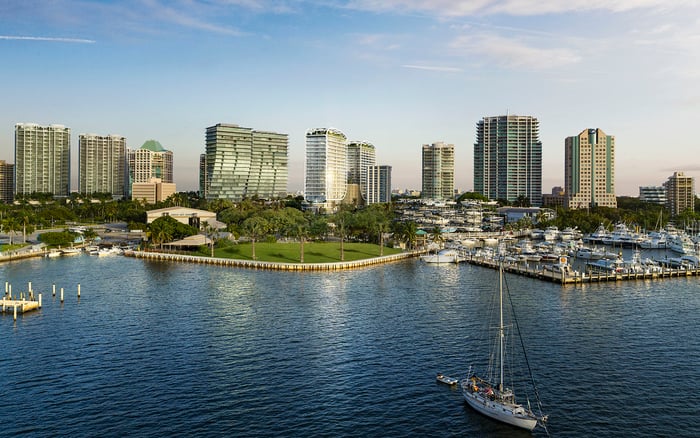
Coconut Grove often enters this conversation because it offers a softer version of Miami living: lush streets, a residential tempo and proximity to the bay without the constant intensity of the urban core. For buyers comparing Four Seasons Residences Coconut Grove with private homes or boutique-scale alternatives, the decision is less about status and more about how much of the ownership experience can be professionally absorbed.
Operational friction is the accumulation of small burdens: insurance coordination, maintenance access, storm preparation, staff scheduling, deliveries, guest arrivals, car logistics, pet arrangements, housekeeping and the recurring decisions that follow any second home. None of these is glamorous. Each one shapes the quality of ownership.
The first distinction is between a residence that is service-supported and one that is autonomy-heavy. A full-service condominium can offer a more predictable ownership experience because staffing, access control and common-area maintenance are centralized. A single-family home may deliver privacy, land and architectural control, but it usually requires a more active operating structure. Neither is inherently superior. The better choice depends on how often you will be in residence and how much you want to delegate.
A London family using South Florida seasonally may place a premium on a building that can receive deliveries, coordinate access and maintain a consistent sense of readiness. A buyer relocating more fully may accept greater responsibility in exchange for outdoor space, garage control or a more private domestic environment.
Coconut Grove is compelling for buyers who want Miami without feeling absorbed by Miami. The neighborhood has long appealed to those who value greenery, bay proximity and a more settled residential atmosphere. It can suit buyers who are not seeking nightlife at their doorstep, while still wanting access to the wider cultural, dining and business orbit of the city.
Within the Grove, friction analysis should separate boutique living, branded service and private-home ownership. A residence such as The Well Coconut Grove may appeal to buyers who want the neighborhood’s intimate scale while still evaluating a managed residential environment. By contrast, a larger private home can provide more independence, but it should be underwritten with realistic expectations for upkeep, staffing and absence management.
The key is to treat charm as a benefit, not a substitute for diligence. Tree canopy, mature streets and garden settings are part of the appeal, yet buyers should still ask how the property functions in heavy rain, how vendors access the home and how exterior maintenance is handled when no one is present.
Brickell is a different proposition. It is urban, vertical and highly connected, which can make it attractive for buyers who prioritize convenience, staff depth and predictable building systems. The atmosphere is more metropolitan than Coconut Grove, but for some London buyers that is precisely the appeal. It can feel more familiar to those accustomed to a high-rise, doorman-serviced lifestyle.
The operational case for Brickell is strongest when a buyer wants a residence that is easy to secure, easy to service and easy to leave. Buildings such as The Residences at 1428 Brickell fit into a broader decision set where vertical living, concierge coordination and proximity to the financial district may outweigh the desire for a garden or detached-home privacy.
The trade-off is intensity. Buyers should consider traffic patterns, elevator expectations, guest parking, pet logistics and how the building manages deliveries. Lower friction in Brickell comes from choosing the right building, not merely choosing the neighborhood.
Miami Beach remains powerful for buyers who want the classic South Florida proposition: ocean proximity, cultural energy and resort-style living. It can work beautifully for a part-time resident when the building is disciplined, service-oriented and suited to absences. A property such as The Ritz-Carlton Residences® Miami Beach belongs in the conversation for buyers who want waterfront living with a more managed residential framework.
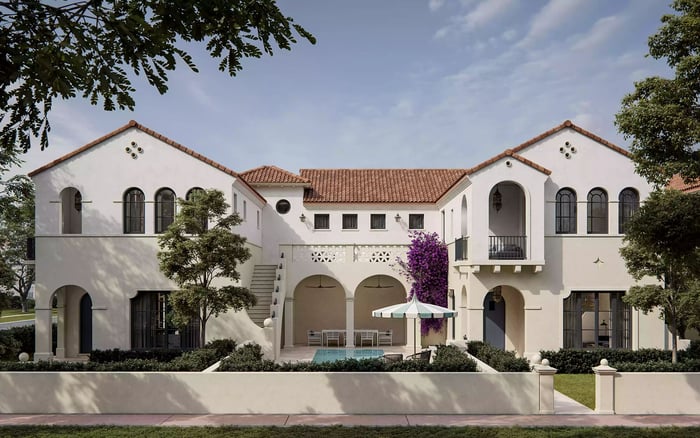
Coral Gables, by contrast, often appeals to those seeking architectural character, established streets and a more civic residential mood. It can be especially relevant when buyers want a house-like feeling without choosing the most maintenance-heavy option. The Village at Coral Gables gives buyers another way to think about scale, neighborhood texture and the balance between privacy and management.
This triangle, Coconut Grove, Brickell and Miami Beach, with Coral Gables as a quieter counterpoint, should be evaluated through lifestyle repetition. Where will you dine on a Tuesday? How will children, guests or household staff move around? Which address feels calm after a long-haul arrival? The answer is personal, but the framework should be rigorous.
Before falling for a view, ask for the ownership rhythm. How are building staff reached after hours? What approvals are needed for contractors? Are there restrictions on renovations, pets or guest stays? How are reserves, assessments and maintenance responsibilities communicated? In a private home, who handles exterior systems, landscaping, security monitoring and pre-arrival preparation?
New construction can reduce certain near-term maintenance concerns, but it is not automatically frictionless. Buyers should review governance, service expectations, warranties, delivery timing and the practical reality of living through a building’s early operating period. Resale properties can be easier to understand because the rhythms are already visible, but they may require more immediate updates.
For London buyers, the most efficient search blends emotional fit with operating clarity. A home should feel beautiful on arrival, but it should also perform gracefully during absence. That is the quiet luxury of South Florida ownership: not spectacle, but ease.
Is Coconut Grove a practical choice for London buyers? Yes, for buyers who value a calmer residential setting and want access to Miami without living in its most urban environment.
Does a condominium usually have lower friction than a house? Often, because staffing, access and common maintenance may be centralized, but the right answer depends on the building and the buyer’s lifestyle.
What is the biggest mistake second-home buyers make? They focus on finishes and views before understanding how the residence will be managed when they are away.
Should I prioritize branded residences? Branded residences can be helpful when service consistency matters, but buyers should still evaluate governance, fees and daily logistics.
Is Brickell too urban for a part-time owner? Not necessarily. For some buyers, Brickell’s vertical convenience and service structure can make part-time ownership easier.
How should I compare Miami Beach with Coconut Grove? Miami Beach is more resort-driven and coastal, while Coconut Grove is generally more residential in mood and rhythm.
Can Coral Gables offer lower friction? It can, especially for buyers seeking neighborhood character with less intensity than the urban core, provided the property is well managed.
Is new construction always easier to own? No. It may reduce some maintenance concerns, but buyers still need to understand delivery, warranties and building operations.
What should I ask before buying a single-family home? Ask who will manage security, landscaping, storm preparation, vendor access and pre-arrival readiness during absences.
What defines the best South Florida home for a London buyer? The best choice is the residence that combines emotional appeal with a clear, low-friction operating model.
If you'd like a private walkthrough and a curated shortlist, connect with MILLION.
If branded residences are on your mind — as a home or as an allocation — we would be glad to share what we are seeing, privately.
Begin a quiet conversation