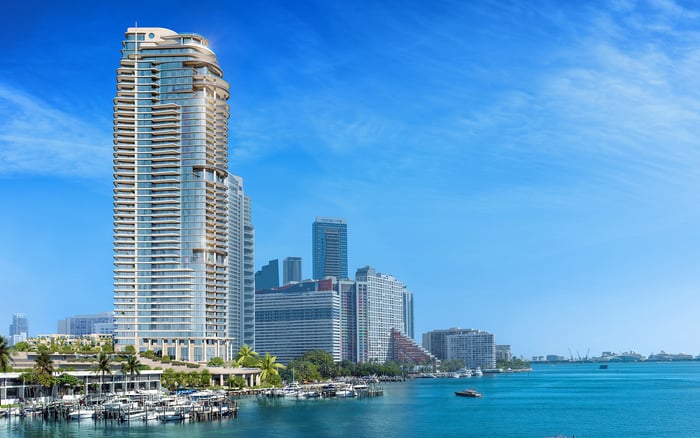
A discreet buyer’s framework for evaluating Edgewater boutique residences before paying a premium for bay views, with focus on zoning, reserves, permits, flood exposure, and association records.
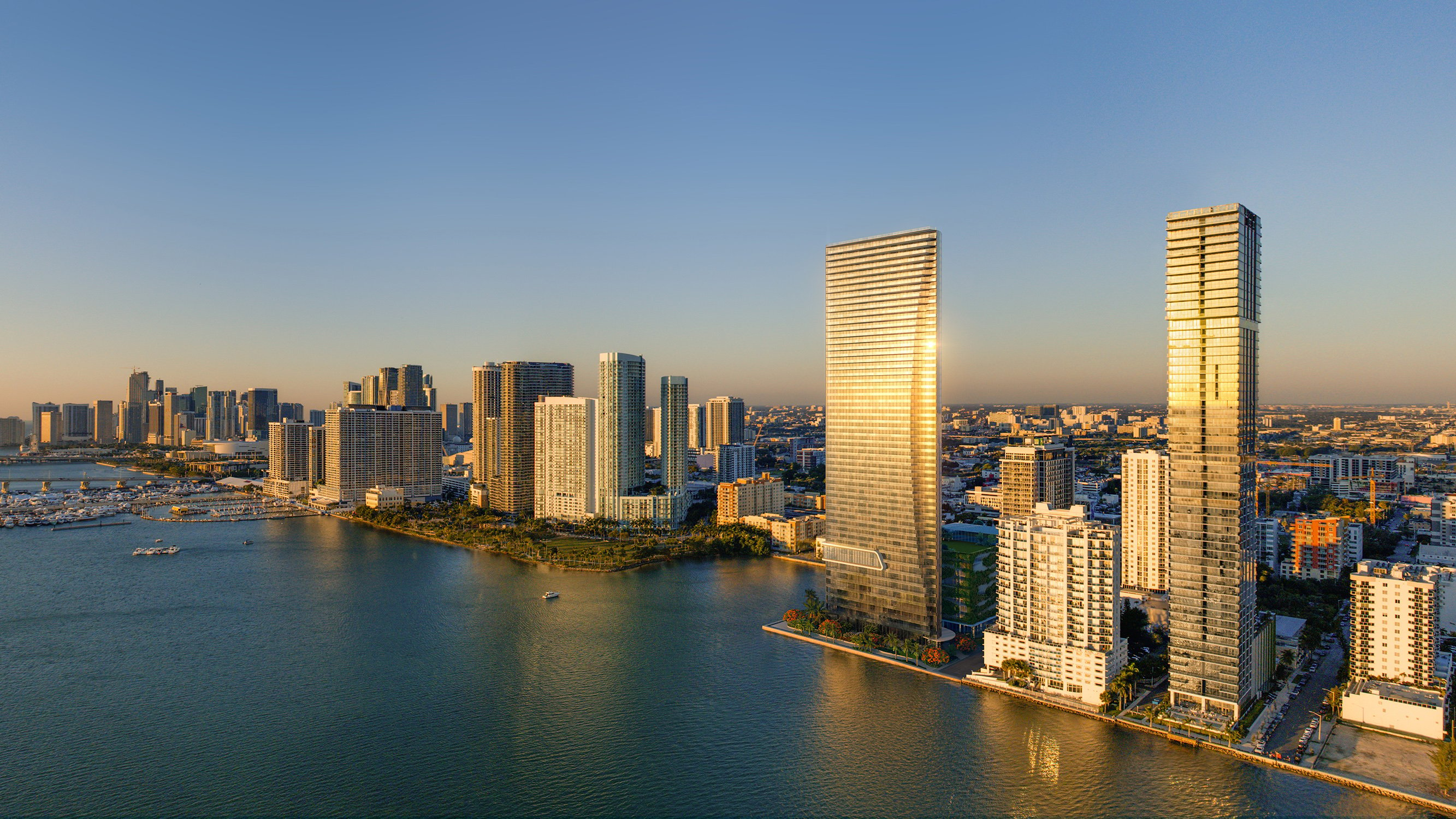
Edgewater has a particular talent for seduction. A residence can open to Biscayne Bay, catch morning light across the water, and make the city feel composed from a private terrace. For many buyers, that first impression is powerful enough to quiet the more practical questions about concrete, reserves, insurance, parking, waterproofing, and what may rise next door.
That is precisely why a boutique residence in Edgewater deserves a disciplined review. The view is visible immediately. The risk is usually hidden in documents, systems, zoning, and association behavior. A smaller building can feel more private, more architectural, and more personal than a large tower, but it can also concentrate major costs across fewer owners. The best purchase is not the one with the prettiest panorama on a perfect afternoon. It is the one where that panorama is supported by a resilient building, credible governance, and a clear understanding of future development around it.
Newer bayfront and near-bay projects such as Aria Reserve Miami, EDITION Edgewater, The Cove Residences Edgewater, and Villa Miami illustrate the continuing demand for high-design waterfront living in the neighborhood. Yet whether the target is new construction, resale, or an intimate boutique building, the buyer’s first task is the same: separate emotional value from durable value.
Before assigning a premium to a water view, study the parcels around the building, not just the unit line. Adjacent lots that are vacant, underbuilt, or positioned for greater intensity can matter more than the building itself. In Edgewater, the threat to future light, privacy, and view corridors may sit across a side street, behind a low structure, or on a lot that looks harmless today.
Zoning review is the baseline for understanding what may be possible around a condo site, including height, intensity, frontage, parking, and mixed-use context. A buyer does not need to become a land-use lawyer, but should know whether the current skyline is a finished condition or a temporary pause. The question is not only “What do I see?” It is “What could be built between me and what I see?”
This is especially important in a boutique residence, where a single neighboring development can alter the character of the entire building. A large tower may have many exposures and stack options. A small waterfront building can be more vulnerable if its strongest lines of sight depend on parcels it does not control.
Luxury finishes are easy to photograph. Building history is not. A serious buyer should review permit history to identify major work, open permits, façade repairs, roofing work, mechanical upgrades, and unresolved construction items. The permit file can show whether a building has been maintained proactively or patched reactively.
For an established condominium building, structural review and inspection history should be core diligence items. The relevant question is not simply whether the building looks well kept. It is whether the association can demonstrate credible engineering attention where needed, documented maintenance, and a plan for major components.
That plan should include reserve review and a realistic understanding of future capital needs. Roofs, structural systems, fireproofing, plumbing, electrical systems, waterproofing, windows, and other building components can become meaningful ownership obligations over time. A low monthly assessment may feel attractive in a sales conversation, but it can be a warning sign if the building has no credible long-term capital strategy.
The appeal of a boutique residence is obvious: fewer neighbors, calmer arrival sequences, more intimate amenities, and often a stronger sense of architectural identity. But fewer owners also means fewer households sharing the cost of elevators, insurance, life-safety systems, roof work, waterproofing, façade repairs, and other major obligations.
This does not make boutique ownership inferior. It makes the budget more important. Review the current budget, reserve schedule, meeting minutes, insurance records, contracts, maintenance documentation, and any pending or contemplated special assessments. Look for patterns. Are repairs discussed early or only after problems become urgent? Does the board communicate clearly? Are reserves treated as a discipline or as an inconvenience?
This is where buyer’s guides often understate the emotional tension of the purchase. The buyer wants the terrace, the privacy, the bay air, and the design. The prudent buyer also wants to know how many owners will divide the next elevator modernization, waterproofing project, or insurance shock.
Edgewater’s bayfront identity is part of its appeal, but waterfront ownership brings a wider risk profile than the unit interior. Flood-zone status, special flood hazard considerations, elevation information, stormwater behavior, tidal flooding, surge exposure, and long-term sea-level trends all belong in the first round of diligence. Marketing language about elevation or resilience is not a substitute for official flood review and, where available, an elevation certificate.
The exterior envelope is equally important. Windows, doors, shutters, and other components should have appropriate approvals and documentation for the applicable building code and local product-control review. In a hurricane-exposed high-rise or near-water setting, glass is not just an aesthetic choice. It is part of the building’s defense system.
A private inspector can evaluate the unit, but buyers should also ask broader questions: What is the age and condition of the roof? Has waterproofing been addressed? Are balcony railings, slab edges, façade systems, and mechanical penetrations maintained in a documented way? In a luxury market, the most elegant ownership experience is often the one where the building’s physical systems remain quiet because they have been properly funded and managed.
A polished sales presentation should never replace the condominium documents. Buyers should review the declaration, bylaws, articles, rules, financial information, governance materials, and available disclosures. Association records should include budgets, financial statements, meeting minutes, insurance records, contracts, reserve records, and maintenance documentation.
The unit itself also deserves a document trail. Confirm the folio, legal description, assessed values, tax history, building data, and ownership information. Search recorded documents for declarations, amendments, liens, mortgages, notices, easements, and any matters that may affect the unit or association. These items are not glamorous, but they are where many ownership surprises begin.
When comparing Edgewater opportunities against other luxury districts, from Brickell to Miami Beach, the same principle holds. A residence such as Una Residences Brickell may speak to a different skyline and lifestyle, but the serious buyer still evaluates documents, building systems, governance, and long-term exposure before relying on presentation alone.
For a high-end Edgewater condo, the cleanest framework is simple: view, zoning, structure, reserves, flood risk, envelope, documents, and exit value. If one category is weak, understand whether the price reflects that weakness. If several are weak, the view may be doing too much work.
The right boutique residence should feel compelling twice. First, when you step onto the terrace. Second, when your attorney, engineer, inspector, insurance advisor, and buyer-side broker finish reviewing the file and still see a coherent ownership case. Edgewater rewards taste, but it rewards patience even more.
Should I pay a premium for an unobstructed Edgewater view? Only after reviewing surrounding zoning and nearby development capacity. A view premium should reflect what is reasonably durable, not just what is visible today.
Why is zoning so important for a boutique residence? Smaller buildings may depend heavily on a few view corridors. A neighboring parcel with development potential can materially affect privacy, light, and resale appeal.
What documents should I request from the condo association? Ask for budgets, financial statements, meeting minutes, insurance records, contracts, reserve records, maintenance files, and available building studies.
Are low monthly assessments a good sign? Not always. Low assessments are attractive only when reserves and long-term repair planning are credible.
Why do boutique buildings have different assessment risk? Major costs such as elevators, façade work, waterproofing, insurance, and life-safety systems are shared by fewer owners. That can increase per-unit exposure.
Should I review permit history before buying? Yes. Permit history can reveal open permits, major repairs, mechanical work, façade issues, and unresolved construction concerns.
How should I evaluate flood risk in Edgewater? Review flood-zone status, special flood hazard information, and elevation documentation where available. Bayfront appeal should be weighed against long-term water exposure.
Do windows and doors matter beyond aesthetics? Yes. Exterior envelope components should have proper code approvals and documentation, especially in hurricane-exposed or waterfront buildings.
What professionals should help with diligence? Consider a condo attorney, structural engineer, inspector, insurance advisor, reserve-study specialist, and buyer-side broker familiar with Edgewater.
What is the simplest rule before buying? Fall in love with the view only after the building, association, reserves, flood profile, and future-development context support the price.
For a confidential assessment and a building-by-building shortlist, connect with MILLION.
If branded residences are on your mind — as a home or as an allocation — we would be glad to share what we are seeing, privately.
Begin a quiet conversation