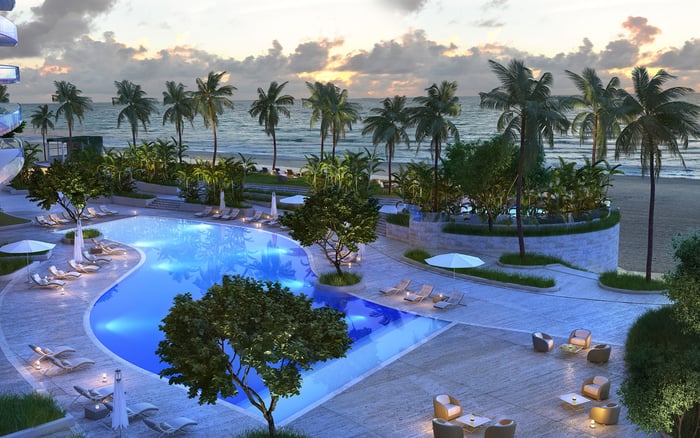
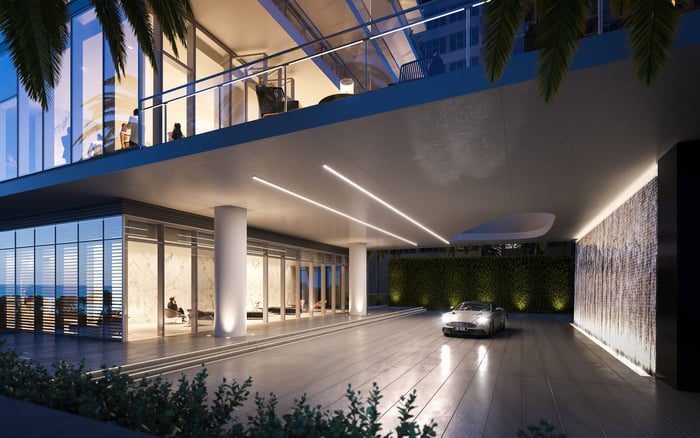
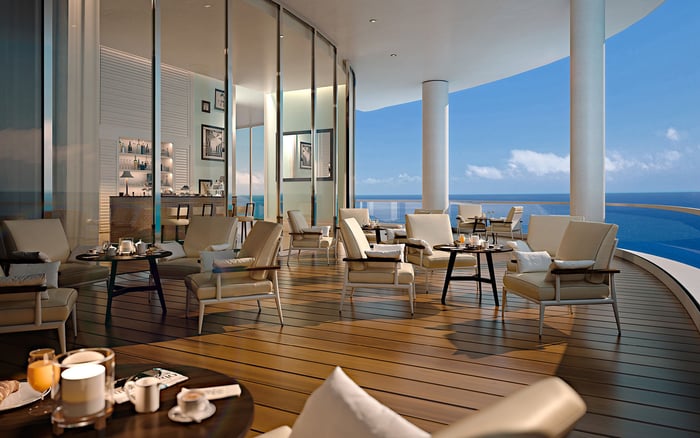
A serious Hallandale Beach penthouse is not only a spectacular private residence. It is a test of rarity, building strength, association discipline, insurance exposure and resale durability.
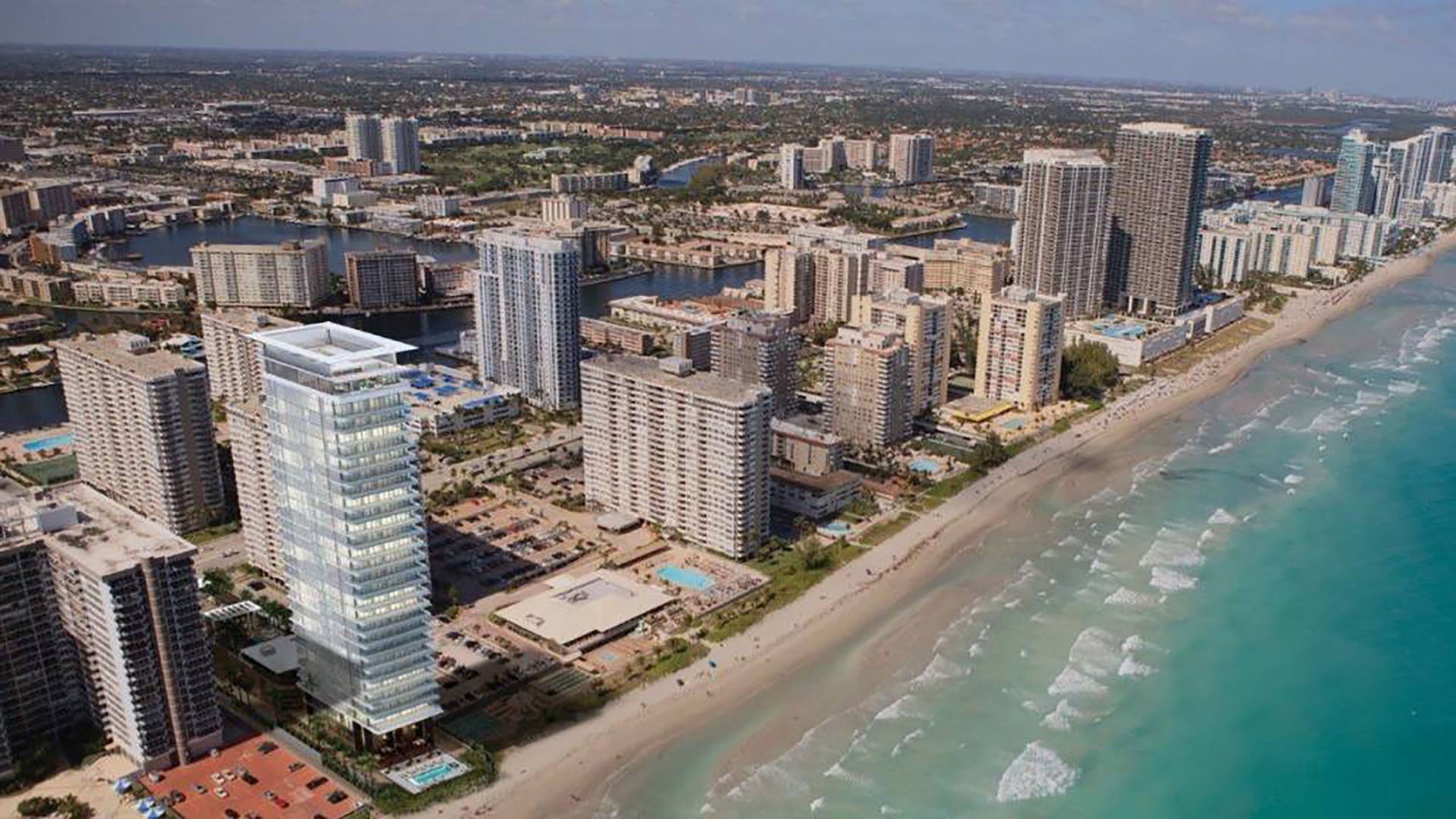
A Hallandale Beach trophy penthouse works as a serious long-term purchase only when the private residence and the building beneath it meet the same standard of scrutiny. The immediate allure is height, light, Atlantic exposure, expansive terraces and the sensation of living above the shoreline. The more durable value, however, lies in less theatrical questions: how the condominium is governed, how reserves are funded, how insurance is structured and whether the building is prepared for the next decade of South Florida ownership.
That is the difference between a spectacular acquisition and a serious one. A penthouse can be rare because it sits on the top floor, protects important views, offers unusual interior volume or delivers privacy that cannot be easily duplicated. Yet those private qualities are only half the thesis. In Florida condominium ownership, the association’s budget, reserve schedule, disclosure package, inspection status and long-term maintenance posture can shape the real carrying cost as much as the unit’s finishes or terrace size.
Hallandale Beach occupies a particularly useful position. It is a Broward coastal address with convenient access to both the Miami-Dade and Broward luxury corridors, giving it a broader ownership logic than a single-purpose vacation market. Buyers can enjoy the Atlantic setting, nearby entertainment and mixed-use destinations such as Gulfstream Park, while still maintaining access to major regional airports in Fort Lauderdale and Miami. That connectivity supports the city’s appeal as a long-term base, not merely a seasonal perch.
The first test is scarcity. A trophy penthouse should offer attributes that are difficult to recreate: top-floor position, meaningful outdoor space, large-scale living areas, privacy from adjacent units, strong ceiling heights where available and views that are not easily compromised by future development. In a market filled with impressive condominiums, true scarcity is not the same as luxury decoration. It is the quality that remains defensible when styles change.
The second test is survivability. Florida’s post-Surfside condominium framework has moved building condition, milestone inspections, reserve funding and association transparency to the center of the purchasing conversation. For older or oceanfront towers, this is not a bureaucratic footnote. It is core diligence. A buyer should know whether inspection obligations apply, what has already been completed, what repairs were identified, how the association intends to fund major components and whether any special assessments are pending or likely.
This is why a serious buyer reads a condominium package with the same attention usually reserved for a purchase contract. Reserve schedules, board minutes, budgets, insurance summaries, engineering updates and owner disclosures can reveal whether a building is being managed for resilience or merely for short-term optics. The stronger long-term purchase is the one where the penthouse’s private drama rests on a well-funded, transparent and structurally attentive platform.
The Hallandale address works because it offers a coastal lifestyle without isolating the owner from the region’s broader gravity. To the north are Fort Lauderdale and Broward’s expanding luxury waterfront markets. To the south are Aventura, Sunny Isles Beach, Bal Harbour and Miami. This in-between position can appeal to owners who want beach access, airport optionality and a quieter residential rhythm than the most globally branded districts.
Local context matters when comparing buildings. In Hallandale Beach, buyers may consider 2000 Ocean Hallandale Beach alongside newer lifestyle-led offerings such as Shell Bay by Auberge Hallandale to understand how design, privacy, service, age and association structure differ across the local spectrum. The point is not to chase the most dramatic name. It is to identify which residence still feels rational after the operating file has been reviewed.
Nearby comparisons also matter. A Hallandale Beach penthouse may compete for attention with Broward oceanfront inventory such as Auberge Beach Residences & Spa Fort Lauderdale or with high-rise luxury along the northern Miami corridor, including Bentley Residences Sunny Isles. Those comparisons help a buyer understand where Hallandale offers relative privacy, value, access or building freshness without assuming every coastal tower carries the same risk profile.
The ocean view is the emotional reason many buyers begin the search. It is not the only number that matters. Coastal condominium ownership requires close attention to flood-zone status, flood coverage, windstorm exposure, insurance deductibles and the association’s master policy structure. A building with extraordinary views can still become a poor long-term purchase if its insurance costs, deductibles or unfunded capital needs create unpredictable owner obligations.
Flood-risk review should be part of the acquisition, not a closing formality. Public flood maps, elevation context, building systems, garage exposure and insurance availability all contribute to the ownership picture. The same is true of hurricane exposure. Atlantic storm season is a recurring regional reality, which means buyers should evaluate impact glazing, building envelope maintenance, roof and façade planning, backup systems where applicable, and how the association has handled prior repairs or preventive work.
This does not mean coastal penthouses should be avoided. It means the best ones are purchased with precision. A trophy residence should make sense after carrying costs are stress-tested and after the association’s long-term obligations are understood. In a luxury market, elegance is expected. Predictability is rarer.
For long-term value, the private penthouse cannot outrun a weak association. A buyer may love the plan, terrace and view corridor, but if the building has thin reserves, deferred maintenance, unclear inspection status or unresolved insurance pressure, the residence may carry more risk than its beauty suggests. The higher the price point, the more this matters, because future buyers will apply the same scrutiny when it is time to resell.
Building age is also important. Newer boutique ultra-luxury towers and older resort-style condominiums may both offer compelling lifestyle propositions, but they can differ sharply in inspection obligations, maintenance history, capital needs and reserve requirements. An older building with disciplined governance can be more credible than a newer building with opaque financials. Conversely, new construction can be appealing when it pairs design quality with a clear operating structure and a realistic budget.
The best purchase is rarely the one with a single spectacular feature. It is the one with layered strengths: views, privacy, terrace utility, a sensible floor plan, a serious service platform, funded building systems, clean records and manageable insurance exposure. That combination gives the owner pleasure now and optionality later.
A disciplined buyer should ask practical questions early. What is the milestone-inspection status, if applicable? Are reserves being funded for major building components? Have reserves been waived or reduced in prior years? Are there pending special assessments? What does the master insurance policy cover, and where are the deductibles? Are there known capital projects on the horizon?
The view should be studied with the same seriousness. Protected sightlines can materially affect long-term desirability. A penthouse overlooking the ocean, Intracoastal, skyline or golf landscape may feel irreplaceable, but the durability of that view depends on neighboring parcels, zoning context and development potential. Privacy also deserves attention. A true trophy residence should feel removed from the building’s daily movement, with elevator experience, entry sequence and terrace exposure supporting discretion.
Finally, the buyer should think like a future seller. In ten or twenty years, another sophisticated owner will ask whether the building is structurally sound, financially transparent, well insured and appropriately maintained. If the answer is yes, the penthouse’s rare qualities have a stronger chance of remaining valuable. If the answer is uncertain, even the most glamorous rooms in the city may not be enough.
What defines a trophy penthouse in Hallandale Beach? It should combine top-floor rarity, privacy, major views, meaningful outdoor space and a building platform strong enough to support long-term ownership.
Is the view the most important factor? The view matters, but it should not outweigh reserves, inspection status, insurance structure and the association’s financial discipline.
Why are milestone inspections important for penthouse buyers? They can reveal structural obligations and potential capital needs that may affect assessments, financing comfort and resale confidence.
Should buyers prefer newer towers over older buildings? Not automatically. Newer buildings may offer modern systems, while older buildings can still be strong if records, reserves and maintenance are disciplined.
How should insurance be reviewed? Buyers should examine the master policy, windstorm coverage, deductibles, flood exposure and whether the association’s insurance structure appears sustainable.
Does Hallandale Beach work for year-round owners? Yes, its Broward coastal setting, access to Miami-Dade and proximity to major airports can support both seasonal and full-time use.
What makes a penthouse terrace valuable long term? Scale, privacy, usable depth, wind comfort and protected exposure matter more than terrace size alone.
Are special assessments always a red flag? Not always. The key is whether the assessment reflects responsible capital planning or signals a pattern of deferred maintenance.
What documents should be reviewed before purchase? Budgets, reserves, board minutes, insurance summaries, disclosures, inspection materials and assessment history should all be examined carefully.
What is the strongest long-term purchase profile? The best profile pairs irreplaceable private qualities with a structurally sound, well-funded, transparent and insurable condominium association.
When you're ready to tour or underwrite the options, connect with MILLION.
If branded residences are on your mind — as a home or as an allocation — we would be glad to share what we are seeing, privately.
Begin a quiet conversation