A discreet buyer’s guide for New Yorkers evaluating Miami preconstruction condos, from neighborhood fit and building character to contracts, timelines, carrying costs, and long-term lifestyle value.
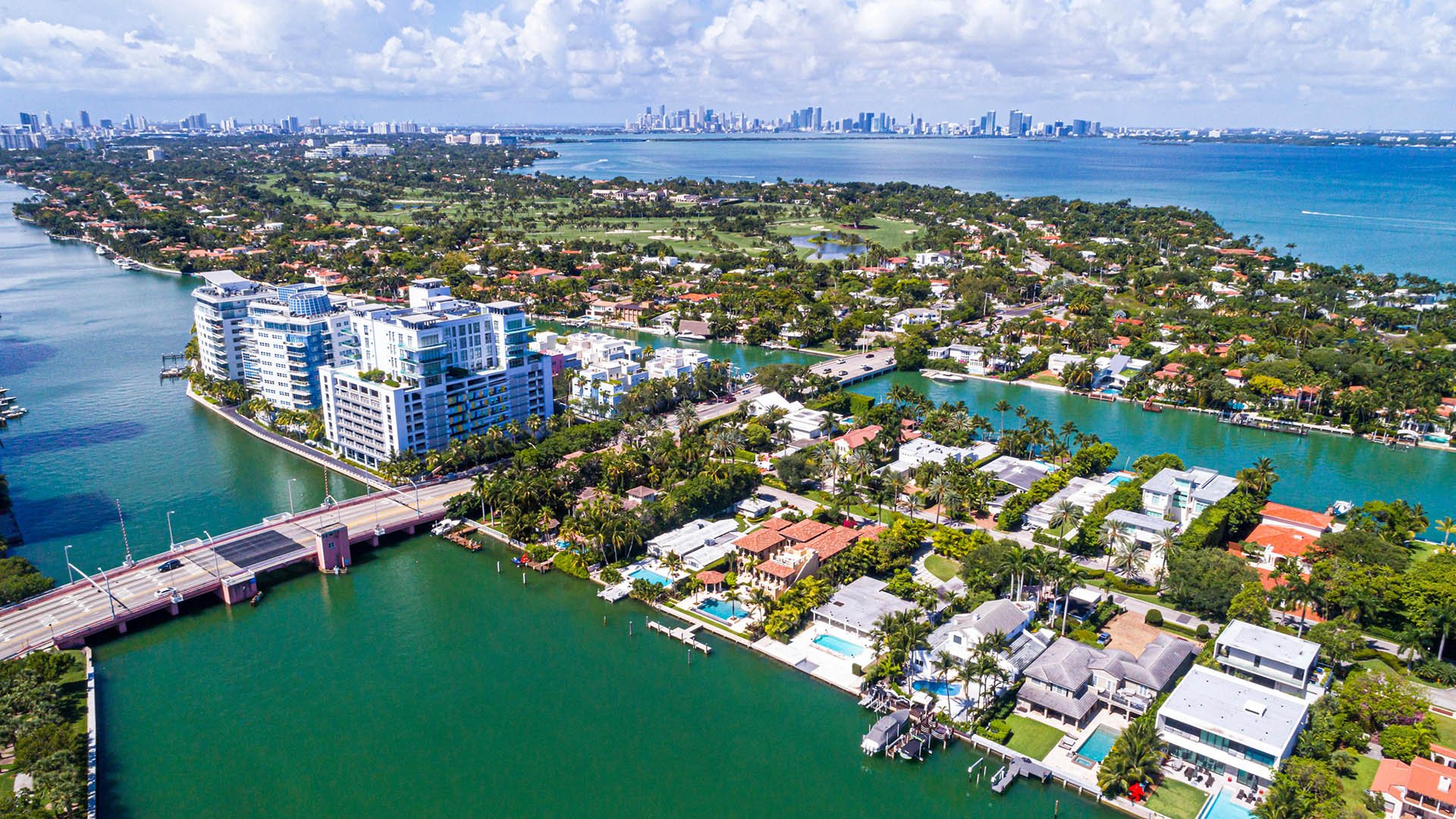
For a New Yorker, choosing a Miami preconstruction condo is rarely just a change of address. It is a recalibration of pace, privacy, light, and daily ritual. The most successful buyers do not begin with the tallest tower or the most theatrical lobby. They begin with the sharper question: what version of South Florida life are they actually buying?
Miami rewards specificity. A buyer seeking a finance-district rhythm may gravitate to Brickell. A collector who wants cultural energy and beach proximity may prefer Miami Beach. A family or second-home buyer who values a more residential cadence may study Coconut Grove, Coral Gables, or select waterfront enclaves. This first layer of judgment matters because preconstruction is a forward purchase. You are buying not only a residence, but a future routine.
Renderings are designed to seduce. They can communicate intent, materials, and atmosphere, but they should never replace practical evaluation. A New York buyer should ask how the residence will live on an ordinary Tuesday morning and on a holiday weekend. Consider elevator count, arrival sequence, valet operations, service access, terrace usability, acoustic separation, and how the building handles guests, deliveries, pets, and private staff.
In dense urban markets, vertical living is familiar. Miami adds another layer: sun orientation, wind, water views, humidity, storm planning, outdoor space, and seasonal occupancy. A deep terrace may function as a daily room. A west-facing glass wall may deliver dramatic sunsets and a different cooling profile. A flow-through plan may feel more like a house in the sky than a conventional apartment. These are not decorative details. They determine comfort.
Neighborhood selection is the core strategic decision. Brickell is the natural starting point for buyers who want a polished urban environment, restaurant access, financial energy, and a skyline identity. It often suits New Yorkers who want Miami without giving up the convenience of a vertical downtown lifestyle. Projects such as 2200 Brickell and The Residences at 1428 Brickell sit within that broader conversation about urban condominium living.
Miami Beach is a different proposition. It is less about commuting efficiency and more about resort atmosphere, architecture, water, dining, and cultural proximity. Buyers drawn to privacy and design often compare how a building balances beach life with residential discretion. The Perigon Miami Beach reflects the kind of address a buyer may study when the brief calls for a refined coastal setting rather than a purely downtown one.
Coconut Grove appeals to buyers who want softness, landscape, and a more established residential texture. It can feel especially intuitive for New Yorkers leaving behind a brownstone sensibility, where neighborhood character matters as much as the residence itself. Four Seasons Residences Coconut Grove is the type of project that invites a different question: not how close one is to the center of the action, but how gracefully the home supports retreat.
Preconstruction is both emotional and technical. The sales gallery tells one story. The purchase documents tell another. Before signing, buyers should understand deposit structure, cancellation rights, construction timelines, allowed changes, closing obligations, association formation, estimated maintenance, reserve expectations, and what is included versus upgraded.
The most disciplined buyers read the floor plan as carefully as the contract. Ceiling heights, column placement, mechanical rooms, window mullions, kitchen circulation, primary suite privacy, and terrace depth all matter. A plan that looks efficient on paper may feel compressed in person. A larger residence may underperform if its square footage is poorly distributed. In high-end preconstruction, the best plan is not always the largest. It is the one with the fewest compromises.
A recognized brand can offer reassurance, but it is not a substitute for due diligence. Buyers should distinguish between hospitality branding, architectural credibility, interior design authorship, and actual residential operations. A name may shape perception, but day-to-day value comes from execution: staffing, maintenance, privacy protocol, service culture, and the way common spaces age.
For New York buyers accustomed to co-op boards, condominium associations, landmarked buildings, or full-service towers, Miami’s new development landscape can feel more flexible and more varied. That flexibility is an advantage when approached carefully. Ask who is responsible for post-closing service standards. Ask how amenity spaces will be programmed. Ask whether the design is meant to photograph well or live well.
Many preconstruction purchases require staged deposits. Buyers should treat those deposits as illiquid capital and plan accordingly. Even when financing is expected at completion, the buyer should be prepared for market changes, rate movement, valuation questions, insurance costs, and association budgets at closing.
A cash buyer still benefits from lender-style discipline. Stress-test the total cost of ownership, including maintenance, taxes, insurance, parking, storage, club components if applicable, and future furnishings. For a second-home buyer, management is also part of the equation. Who opens the residence before arrival? Who supervises repairs? Who receives vendors? A luxury condo can simplify ownership, but only when the operating model matches the owner’s lifestyle.
New construction carries a premium because it offers modern systems, contemporary layouts, current design language, and a first-owner experience. The premium is most defensible when the building solves real lifestyle problems: better light, better privacy, better amenities, better service, or a setting that cannot be easily replicated.
The mistake is assuming every new project is automatically superior. Some resale buildings offer established communities, known operating histories, and immediate occupancy. Some preconstruction buildings offer customization, fresh design, and a chance to secure a preferred line before completion. The right answer depends on timing, risk tolerance, and the buyer’s intended use.
Begin with use case. Primary residence, seasonal home, family base, investment-oriented hold, and legacy purchase each require different filters. Then choose a geography. Only after that should the buyer compare buildings, lines, exposures, and contractual terms.
A useful framework is to rank each option across five categories: location fit, architectural quality, floor-plan livability, operational confidence, and exit resilience. Exit resilience does not mean planning to sell immediately. It means asking whether the residence has enduring appeal beyond the first buyer’s taste. Waterfront, views, privacy, brand clarity, and scarcity can matter, but only when paired with intelligent pricing and livable design.
Finally, visit at different times of day. Walk the neighborhood. Drive the approach. Test the commute to the airport, schools, clubs, restaurants, marinas, or offices that matter to your life. Miami is a city of microclimates and micro-routines. The most beautiful residence can disappoint if the daily pattern is wrong.
Should a New York buyer choose Brickell or Miami Beach first? Start with lifestyle. Brickell suits buyers who want urban convenience, while Miami Beach favors a coastal, resort-oriented rhythm.
Is preconstruction better than resale in Miami? Not always. Preconstruction offers new design and early selection, while resale offers immediacy and a known operating history.
What should I review before signing a preconstruction contract? Review deposits, timelines, closing obligations, association estimates, included finishes, and cancellation provisions with qualified counsel.
How important is the developer’s track record? Very important. Execution, communication, delivery quality, and post-closing operations can influence both enjoyment and long-term value.
Are branded residences always preferable? A brand can add service identity and recognition, but the building still must deliver strong design, operations, privacy, and location fit.
What floor-plan details matter most? Focus on exposure, terrace depth, column placement, storage, primary suite privacy, kitchen flow, and separation between public and private rooms.
Should I buy for views or neighborhood first? Ideally both, but neighborhood fit should lead. A dramatic view cannot compensate for a daily routine that feels inconvenient.
How should I think about deposits? Treat deposits as long-term committed capital and plan liquidity around the full path to closing, furnishing, and carrying costs.
Can a preconstruction condo work as a second home? Yes, if the building’s service model, access, security, and management expectations align with part-time ownership.
What is the biggest mistake New York buyers make? They compare Miami towers as if they are interchangeable. The better approach is to match neighborhood, building culture, and residence layout to a precise lifestyle brief.
When you're ready to tour or underwrite the options, connect with MILLION.
If branded residences are on your mind — as a home or as an allocation — we would be glad to share what we are seeing, privately.
Begin a quiet conversation