A buyer-focused look at how Miami penthouse purchasers should evaluate summer kitchens, terraces, approvals, maintenance obligations, and long-term lifestyle value before committing to a trophy residence.
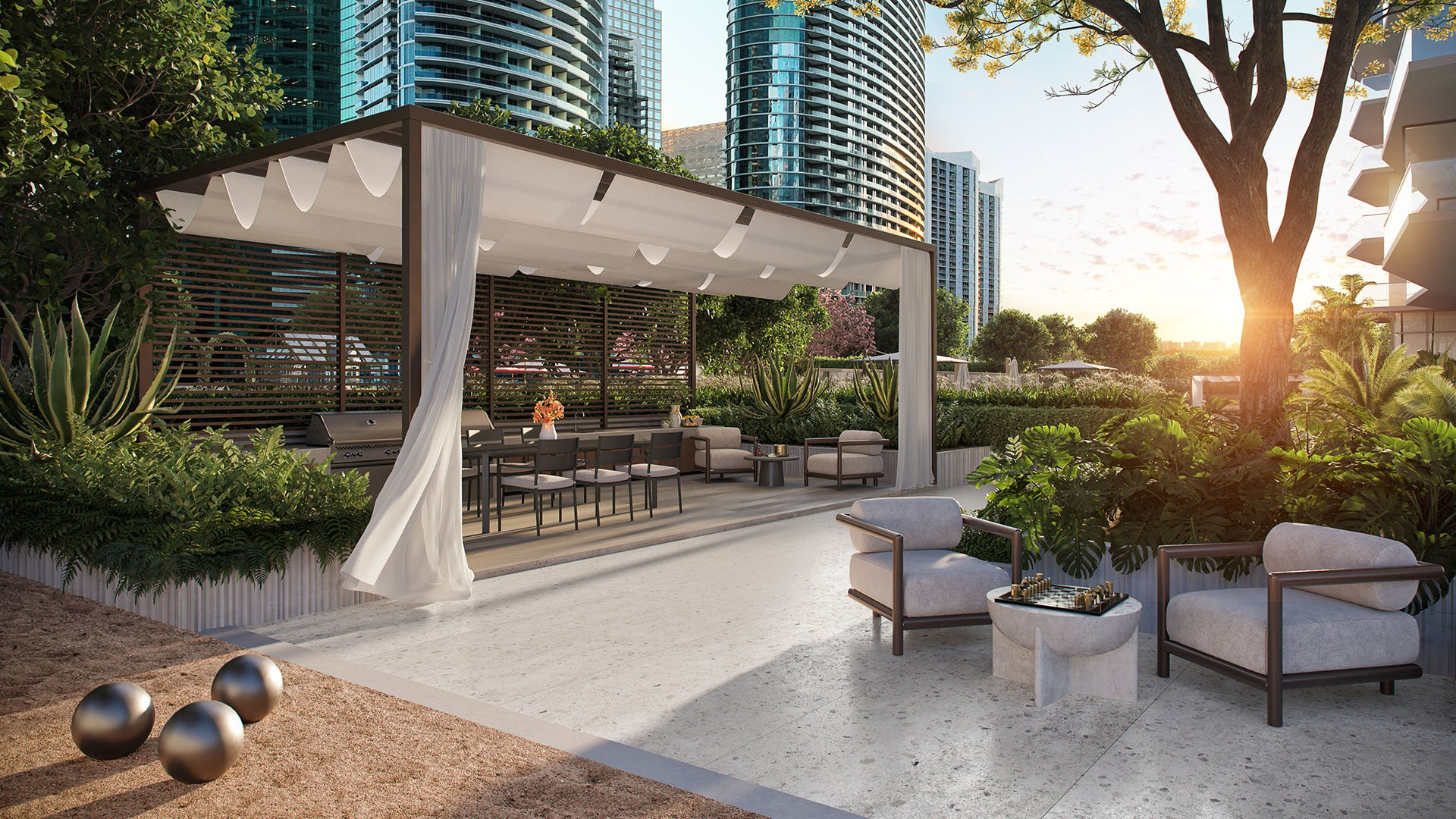
In Miami’s upper tier, the summer kitchen has become more than a handsome amenity on a private terrace. It is a test of how carefully a residence has been conceived, documented, maintained, and governed. For a penthouse buyer in 2026, the sharper question is not simply whether the grill, sink, refrigeration, counters, and seating photograph well. It is whether the entire installation belongs there, operates safely, can be insured, and will remain an asset rather than a future negotiation point.
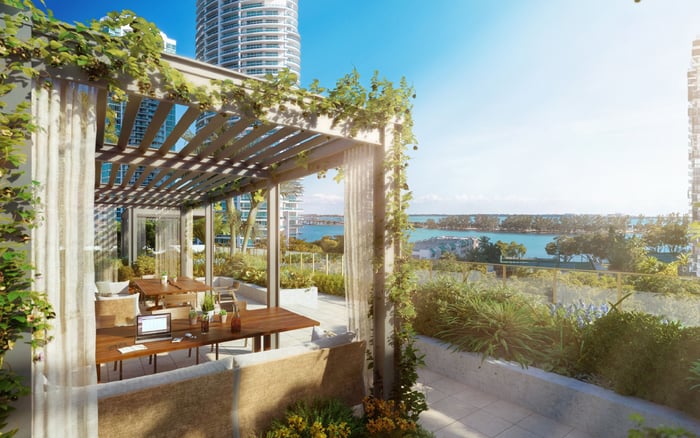
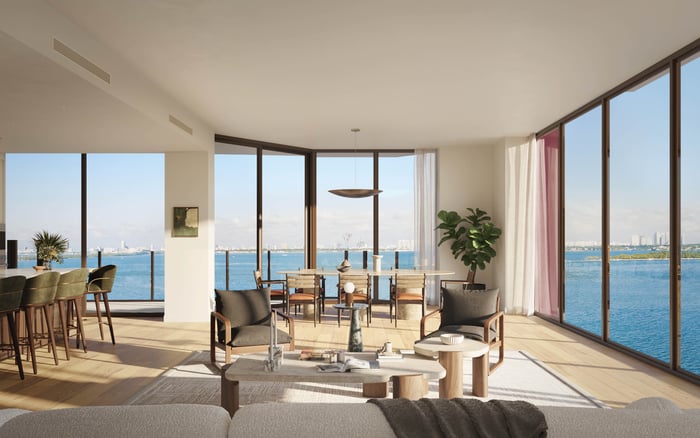
That distinction matters because outdoor living is central to the South Florida luxury proposition. A terrace facing bay, skyline, or oceanfront views can transform a residence from impressive to singular. Yet the more elaborate the outdoor program, the more a buyer should understand the practical framework behind it.
A summer kitchen sits at the intersection of lifestyle and building systems. It may involve utilities, ventilation, drainage, waterproofing, surface materials, cabinetry, appliances, and association rules. On a balcony or roof-level terrace, those details are not ornamental. They are the difference between an elegant extension of the home and a feature that may invite future expense.
Buyers comparing St. Regis® Residences Brickell with Miami Beach, Sunny Isles, or Surfside offerings should resist treating all outdoor kitchens as interchangeable. The right inquiry is specific to the building, the unit, the documents, and the approvals tied to that particular outdoor area.
The first step is to determine whether the summer kitchen is original to the residence, developer-delivered, association-approved, or owner-added. Each path carries a different paper trail. A buyer should request applicable permits, approved plans, association approvals, appliance specifications, warranty information, and evidence of professional installation.
The second step is to understand responsibility. In condominium living, the line between private use and shared building interest can be nuanced. A terrace may feel entirely private, while parts of its structure, waterproofing, railings, drainage, or exterior envelope may be controlled by the association. The buyer’s counsel and inspection team should identify who maintains what, who pays for repairs, and whether alterations require future approvals.
The third step is condition. Outdoor cabinetry, counters, grills, refrigeration, and fixtures live in a harsh environment. Salt air, sun, wind, moisture, and heat can age finishes quickly if materials and maintenance are not appropriate. A pristine presentation is encouraging, but it is not a substitute for inspection.
At projects such as The Perigon Miami Beach, buyers may be drawn first to architecture, privacy, and proximity to the water. The more refined move is to let the terrace tell a quieter story: how the outdoor space is serviced, protected, drained, lit, furnished, and governed.
The best due diligence also includes the association documents. Buyers should review rules on open flames, cooking equipment, gas or electric appliances, exterior modifications, hours of use, noise, odors, and maintenance access. Even a beautifully executed installation can lose value if its use is restricted in ways the buyer did not anticipate.
Insurance deserves the same attention. A buyer should confirm how the feature is treated within the unit policy and whether the association has any requirements tied to outdoor cooking installations. The question is not only what happens on a normal evening of entertaining, but what happens if a component fails, leaks, stains, smokes, or damages another part of the building.
This is especially relevant in the resale conversation. A summer kitchen can be a compelling differentiator when it is properly documented and well maintained. Without that paper trail, it can become a concession request, a closing delay, or a credit discussion.
The most sophisticated buyers neither dismiss summer kitchens nor overpay for staging. They look for coherence. Is there enough circulation for dining and service? Is the cooking area placed intelligently relative to interior entertaining spaces? Are surfaces resilient? Is lighting discreet? Can furniture be secured or stored when needed? Does the outdoor program respect neighboring residences?
In Sunny Isles, a buyer considering Bentley Residences Sunny Isles may evaluate outdoor space differently than a buyer focused on bayfront calm or a walkable urban setting. In Surfside, a residence such as The Delmore Surfside invites a separate conversation about privacy, scale, and the everyday rhythm of the terrace. The question is never only whether the amenity exists. It is whether it fits the way the owner intends to live.
Before contract, buyers should ask for a written inventory of outdoor kitchen components and clarify what conveys. They should confirm whether any appliances are leased, excluded, replaced, or nearing the end of useful service. They should ask whether past repairs have been made to the terrace surface, drains, cabinetry, utility connections, or waterproofing areas.
During inspection, the team should look beyond the visible countertop. The strongest review considers drainage, slope, sealing, shutoffs, electrical protection, fastening, appliance condition, and access for service. If any answer is unclear, it is better to address it before closing than after the first season of ownership.
For a luxury buyer, the point is not to make the process less romantic. It is to protect the romance. A penthouse summer kitchen should support ease, hospitality, and permanence. Proper diligence is what allows the owner to enjoy that promise without inheriting avoidable uncertainty.
Is a summer kitchen always included in a Miami penthouse sale? Not always. Buyers should confirm in writing which appliances, fixtures, cabinetry, furniture, and accessories convey with the residence.
What documents should a buyer request for an outdoor kitchen? Request applicable permits, approved plans, association approvals, appliance details, warranties, repair records, and any maintenance history.
Can a condominium association restrict outdoor cooking? Yes. Rules may address equipment type, placement, fuel, odors, smoke, hours of use, and exterior modifications.
Why does waterproofing matter on a terrace kitchen? Outdoor cooking areas can affect surfaces, drains, penetrations, and adjacent building elements, so condition and responsibility should be clear.
Should the summer kitchen be inspected separately? It should receive focused attention during the broader inspection, especially for utilities, drainage, appliances, fastening, and visible deterioration.
Does insurance usually cover a penthouse summer kitchen? Coverage depends on the policy and building requirements. Buyers should review both unit insurance and association obligations before closing.
Can a buyer add a summer kitchen after purchase? Possibly, but it may require association approval, professional plans, permits, and compliance with building rules.
Is an outdoor kitchen more valuable than open terrace space? It depends on execution and buyer preference. A well-documented, well-placed kitchen can enhance value, while a poor installation can reduce flexibility.
What is the biggest mistake buyers make? They admire the presentation without verifying approvals, maintenance duties, component condition, and permitted use.
When should these questions be asked? Ask before the inspection period expires, while there is still time to review documents, negotiate terms, or request clarification.
For a confidential assessment and a building-by-building shortlist, connect with MILLION.
If branded residences are on your mind — as a home or as an allocation — we would be glad to share what we are seeing, privately.
Begin a quiet conversation