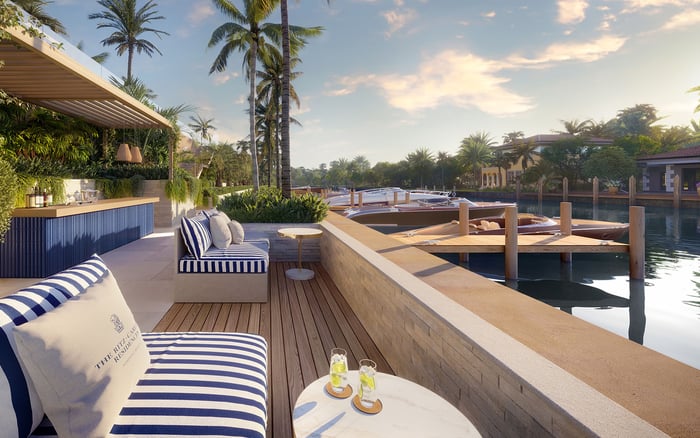
For luxury buyers weighing Las Olas against Fort Lauderdale Beach, construction-noise exposure is less a nuisance question than a lifestyle filter. The best decision depends on daily rhythm, terrace use, building orientation, and the difference between urban energy and resort calm.
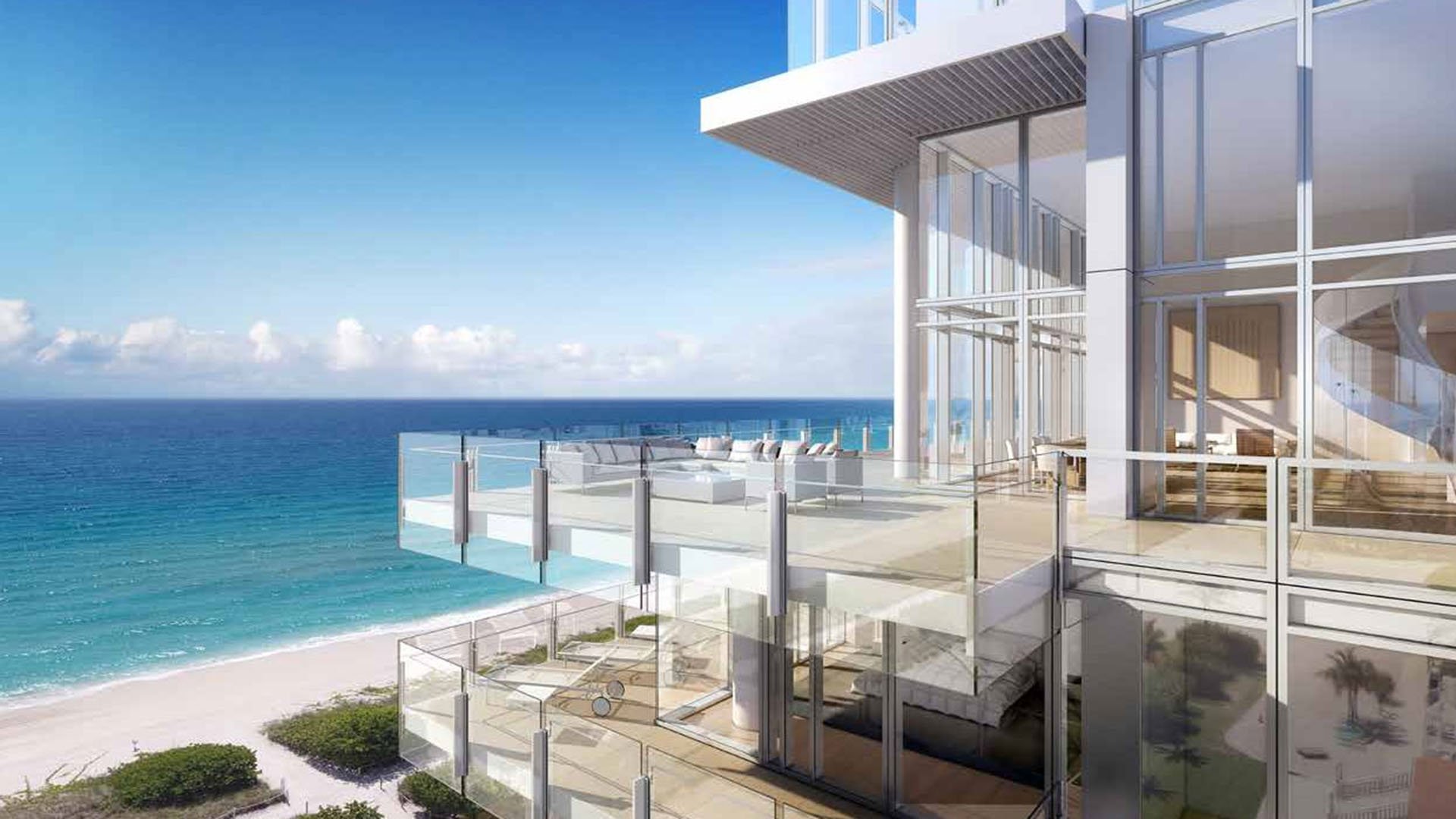
For the South Florida buyer, construction noise is rarely a simple yes-or-no objection. It is a question of rhythm, tolerance, and how a residence is meant to be lived in. A pied-à-terre used for long weekends carries a different acoustic profile than a primary home where calls, sleep, terraces, workouts, and entertaining all unfold within the same private environment.
That distinction matters when comparing Las Olas with Fort Lauderdale Beach. Both belong to the same city, yet they offer different daily soundtracks. Las Olas carries an urban cadence: dining, retail, traffic, service vehicles, occasional street activity, and the evolving texture of nearby improvements. Fort Lauderdale Beach carries a resort cadence: visitors, oceanfront movement, hospitality activity, bridge routes, parking circulation, and the open-air sound of the shoreline.
The construction-noise question does not automatically favor one over the other. It changes the diligence. A buyer who asks only, “Is it quiet?” may miss the point. The sharper question is, “Quiet when, from where, and for which kind of life?”
Las Olas appeals to buyers who want a walkable, social, highly legible urban lifestyle. The value proposition is not silence in the abstract; it is proximity. Restaurants, galleries, offices, marinas, cultural amenities, and evening life are part of the appeal. For many buyers, that activity is not a flaw. It is the reason to be there.
Construction-noise exposure changes the Las Olas decision because the district’s strongest qualities are often tied to active streets and ongoing reinvestment. A residence near this corridor should be evaluated with the windows open and closed, from the main bedroom, the living area, and the terrace. The buyer should ask how weekday mornings feel compared with weekend evenings, and whether sound is concentrated on one side of the residence or diffused across the home.
Buildings near the river can feel materially different from buildings closer to the most active restaurant or commercial stretches. A buyer considering Sixth & Rio Fort Lauderdale, for example, may frame the question around river adjacency, walkability, and the specific exposure of a given residence rather than judging the entire Las Olas area by a single street impression.
For some owners, the right Las Olas purchase is not the quietest possible address. It is the one where glazing, elevation, layout, and orientation allow the city to be enjoyed on demand and muted when privacy is required.
Fort Lauderdale Beach offers a different kind of luxury: the ritual of water, light, morning walks, hotel-quality atmosphere, and the feeling of a permanent resort setting. The sound environment can be more open and less enclosed than an urban corridor, but that does not mean every residence will feel quieter.
Beachfront and near-beach homes should be evaluated for event activity, hospitality loading, traffic approaches, and the way sound moves across open space. Ocean breezes can make terraces feel spectacular, yet exterior sound can also travel in surprising ways. A high-floor residence may feel serene inside while a lower terrace remains more connected to street and amenity activity.
Buyers comparing established oceanfront residences such as Auberge Beach Residences & Spa Fort Lauderdale with branded hospitality environments like Four Seasons Hotel & Private Residences Fort Lauderdale should treat the noise question as part of the broader lifestyle equation. Some buyers welcome the texture of a resort neighborhood. Others want the beach visually, but not audibly.
Fort Lauderdale Beach is often the more emotionally seductive choice during a perfect afternoon showing. The disciplined buyer returns at a less flattering hour, listens from the primary suite, steps onto the terrace, and notices whether the atmosphere still feels restorative.
The most useful construction-noise diligence is specific. First, ask where the residence faces. A home oriented toward water, landscaped setbacks, or a quieter side street may live differently from one facing a more active frontage. Second, ask about vertical position. Height can soften certain sources of sound, but it does not erase all exposure. Third, ask how the floor plan shields private rooms. Bedrooms located away from the most exposed facade can make a residence feel much calmer.
Fourth, test the glass. Luxury buyers often tour with doors closed and background music playing. That may be elegant, but it is not diagnostic. Open the terrace door. Close it again. Stand in silence. Speak at normal volume. Notice whether the space supports concentration and rest.
Fifth, separate temporary construction activity from permanent ambient noise. A temporary project nearby may be tolerable if the long-term residence is exceptional. A permanent circulation pattern outside the primary bedroom may be a different concern. The buyer’s task is not to avoid all activity, but to distinguish transient disruption from enduring character.
In Fort Lauderdale, this level of analysis can make a project near the Intracoastal, such as Riva Residenze Fort Lauderdale, feel more compelling for a buyer who wants water orientation without the full beach-resort soundtrack. The same buyer might still prefer Fort Lauderdale Beach if the emotional pull of the ocean outweighs occasional activity.
Construction-noise exposure can influence negotiation, but not always in obvious ways. In trophy locations, buyers may accept temporary inconvenience if the residence offers rare views, strong design, privacy, or superior building services. In other cases, a buyer may require a clearer value offset for a home whose terrace or primary suite is meaningfully affected.
The more sophisticated approach is to price lifestyle utility. If a buyer plans to work from home, host often, and use outdoor space daily, acoustic comfort has high value. If the property is used seasonally, and most daytime hours are spent outside the residence, the same exposure may matter less.
This is why two buyers can walk through the same home and reach opposite conclusions. One hears unacceptable disruption. The other hears the temporary cost of owning in a desirable, improving district. Neither is wrong. The difference is use case.
For a buyer comparing Las Olas, Fort Lauderdale Beach, and broader Fort Lauderdale, the smartest purchase is the one that aligns sound exposure with personal routine. That may mean choosing urban walkability, resort proximity, waterfront calm, or a new-construction residence with better acoustic planning. It may also mean declining a beautiful home because the daily sound pattern does not support the life the buyer is trying to buy.
A single polished showing is not enough. Visit once during a weekday morning, once near the end of the business day, and once during a weekend period if access allows. Stand still in the quietest room and the loudest room. Listen from the terrace and from the primary bathroom, where hard surfaces can reveal sound differently.
Ask about any known nearby work, but do not rely solely on conversation. Use your own ears and schedule your own second look. If a residence is compelling, spend time in the lobby, arrival court, garage, amenity level, and outdoor areas. Noise exposure is not only about the unit. It is also about how the building feels when you enter, host, sleep, and return from dinner.
For Fort Lauderdale Beach buyers considering St. Regis® Residences Bahia Mar Fort Lauderdale, the analysis should include the surrounding resort and marina context, the specific residence orientation, and the buyer’s appetite for an active waterfront setting. For Las Olas buyers, the equivalent exercise is to test how much city energy feels invigorating rather than intrusive.
The question is not whether Las Olas or Fort Lauderdale Beach is categorically better. The better question is which sound environment complements the buyer’s private life. Las Olas suits those who value immediacy, dining, culture, and an urban pulse. Fort Lauderdale Beach suits those who want light, air, resort atmosphere, and the daily presence of the ocean.
Construction-noise concerns sharpen the decision because they force the buyer to define luxury precisely. Is luxury silence, convenience, view, service, walkability, or the ability to step from a private residence into a lively coastal city? In the best purchases, the answer is not theoretical. It is felt in the residence at the hour the buyer will actually live there.
Is Las Olas generally louder than Fort Lauderdale Beach? Not necessarily. Las Olas tends to feel more urban, while Fort Lauderdale Beach can carry resort, visitor, traffic, and hospitality activity.
Can high-floor residences reduce construction-noise exposure? Height can help with some sound sources, but orientation, glazing, setbacks, and nearby activity often matter just as much.
Should construction nearby automatically disqualify a property? No. The key is whether the impact is temporary, how it affects daily routines, and whether the residence has compensating strengths.
What room should buyers test most carefully? The primary bedroom deserves special attention because sleep quality is often the clearest measure of acoustic comfort.
Are terraces more important on the beach or near Las Olas? They matter in both areas. A terrace should be evaluated during realistic use hours, not only during a staged showing.
Does new-construction always mean better sound control? Not always. New construction may offer modern assemblies, but each residence still needs specific acoustic evaluation.
How many visits should a serious buyer make before deciding? More than one is ideal. Different times of day can reveal very different patterns of sound and activity.
Is Fort Lauderdale Beach better for second-home buyers? It can be, especially for buyers who prioritize ocean atmosphere, but Las Olas may be better for walkability and dining access.
Can a beautiful view outweigh noise concerns? For some buyers, yes. The decision depends on how often the owner uses the home and how sensitive they are to sound.
What is the simplest rule for comparing the two areas? Buy the soundscape you can live with every day, not just the view that impresses you during a tour.
When you're ready to tour or underwrite the options, connect with MILLION.
If branded residences are on your mind — as a home or as an allocation — we would be glad to share what we are seeing, privately.
Begin a quiet conversation