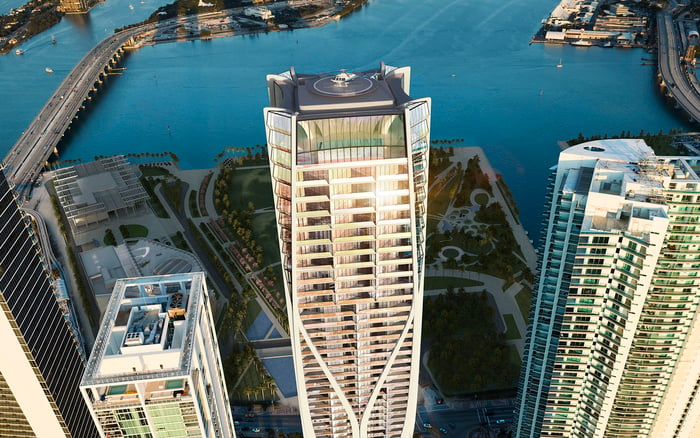
For South Florida penthouse buyers, capital contributions, reserves, insurance, special assessments and association documents can materially alter the real ownership cost beyond the contract price.
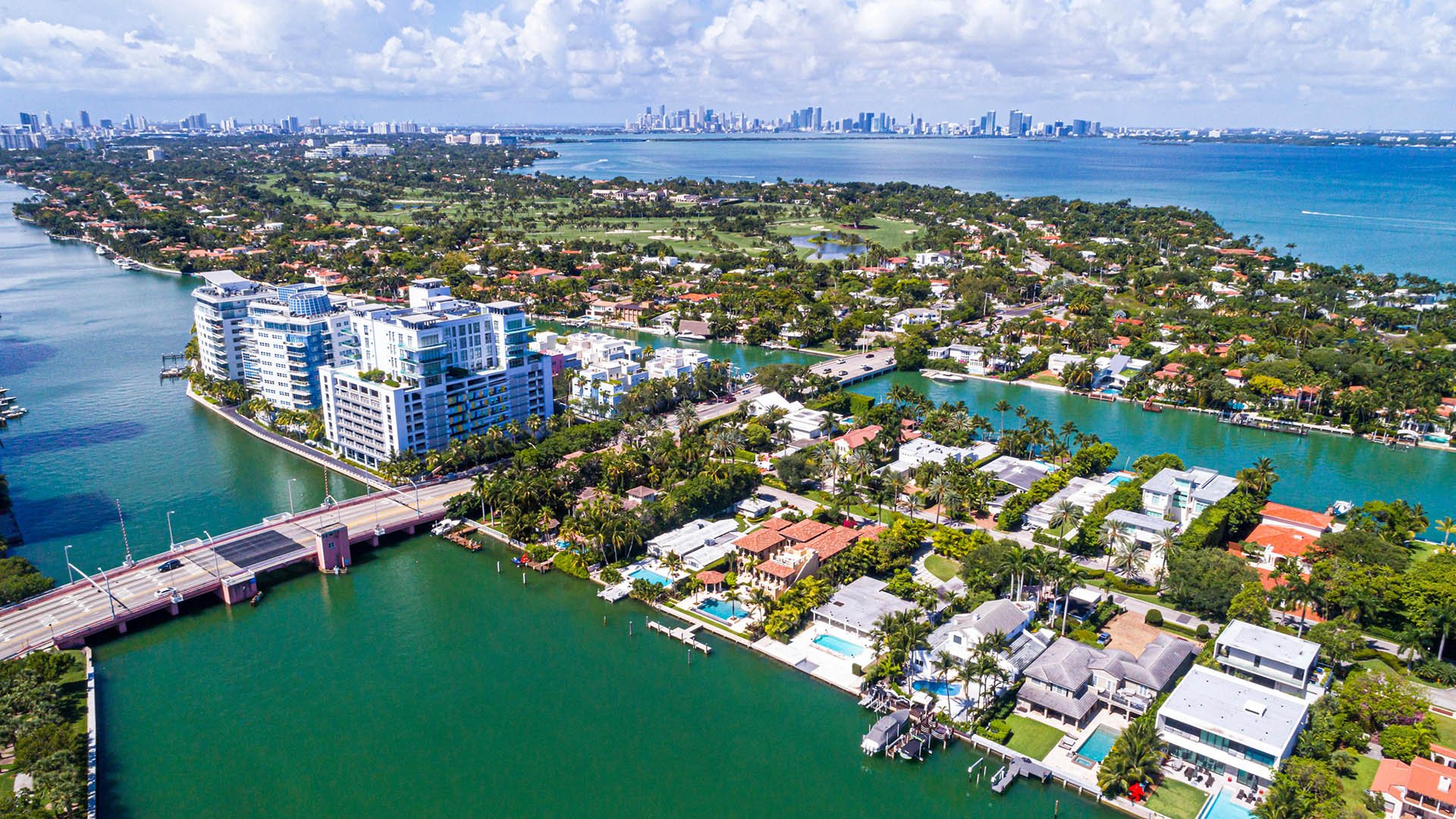
A trophy penthouse in South Florida is often judged through the language of view, volume, privacy and finish. Yet the quieter line items inside condominium and association documents can reshape the economics as meaningfully as a price negotiation. Capital contribution requirements, working-capital payments, reserves, insurance, special assessments and inherited association obligations can turn a clean headline price into a more complex cost of ownership.
For penthouses, the issue is amplified. Larger residences, higher service expectations and exposure to capital-heavy amenities can make even a modest upfront or association-level obligation feel material. A buyer comparing a Brickell tower such as The Residences at 1428 Brickell with a beachfront Miami Beach residence is not merely comparing architecture and skyline. The buyer is comparing documents, funding culture, inspection history and the way an association plans for the building’s future.
The central discipline is simple: separate the purchase price from the ownership price. Market prestige may explain demand, scarcity and view value, but condominium finance explains what the buyer must actually fund after closing.
A capital contribution is typically an upfront payment connected to the association or project structure. It may be described as a working-capital contribution, initial contribution, reserve contribution or association contribution. The label matters less than the function: cash paid separately from the purchase price and separately from ordinary closing costs.
In a new development, this obligation may appear in the purchase materials, estimated operating budgets or purchaser expense information. In a resale, it may sit in the declaration, rules, estoppel certificate or association records. Either way, the question is not whether the residence feels turnkey. The question is whether the buyer’s closing model captures every association-level payment triggered by the acquisition.
For an ultra-prime buyer considering St. Regis® Residences Brickell or another full-service condominium environment, the capital contribution should be treated as part of the basis of ownership. It may not change the negotiated price, but it changes the cash required to own.
The association estoppel certificate is one of the most important closing documents in a condominium transaction. It identifies amounts reflected by the association for the unit and should be reviewed with the same care as the title commitment, settlement statement and financing assumptions.
The stakes are practical. Luxury assessments can be substantial, and unpaid or pending obligations may affect the economics of the purchase. A buyer should understand what is owed now, what has been approved, what has been noticed and what is being discussed by the association.
The estoppel may show present amounts due, but it should not be read in isolation. Budgets, recent minutes, financial reports, insurance information and assessment notices can reveal future obligations that may not yet appear as a current balance. For a trophy buyer, the goal is not simply to close cleanly. It is to avoid discovering the building’s capital needs only after the keys are transferred.
Reserve planning matters because a luxury condominium is not static. Roofs, façades, elevators, waterproofing, mechanical systems, pool decks, lobbies, garages and amenity spaces all age, and the way an association funds long-term replacement or repair can shape the real cost of ownership.
This is especially relevant in coastal South Florida. The oceanfront lifestyle of Miami Beach, Surfside, Sunny Isles Beach, Fort Lauderdale and Palm Beach depends on complex building systems exposed to salt air, wind, water and sun. Buyers looking at residences such as The Perigon Miami Beach should understand not only the service program, but also how the association intends to fund future structural and common-area obligations.
A well-funded building can still require contributions. A poorly funded building can make an apparently attractive purchase price less attractive after reserve needs, assessment history and future capital work are considered. The right question is not whether reserves exist, but whether they appear aligned with the building’s age, condition, amenities and service promise.
A special assessment should never be treated as a rounding item. A trophy buyer should model known special assessments separately from the purchase price, while also evaluating likely assessments tied to reserve gaps, insurance pressure, deferred maintenance or major common-element projects.
Inspection history adds another layer. A building that has recently completed major work may present a different risk profile from one still discussing its next cycle of repairs or studies. For older coastal towers, building-condition questions can become near-term cash calls if the association chooses to increase reserves, approve a project or levy an assessment.
This does not mean older buildings should be avoided. Some legacy buildings are exceptionally well governed and carefully maintained. It does mean that a buyer comparing a newly delivered residence with a resale in an established tower should compare funding history, not only floor plan and view corridor.
The best South Florida buildings increasingly operate like private clubs: wellness suites, pools, spas, wine rooms, screening rooms, lounges, gardens, porte-cochères, marine facilities and extensive staff infrastructure. These amenities elevate daily life and support long-term desirability. They also require maintenance, insurance, repair and eventual reinvestment.
Capital-heavy amenities matter because future repairs, replacements and upgrades to common elements can be funded through reserves, assessments or other association-approved charges. A dramatic amenity package may be a genuine advantage, but it should be paired with a serious review of operating budgets and capital planning.
A buyer drawn to waterfront living at The Delmore Surfside or vertical prestige at Bentley Residences Sunny Isles should ask how the association will preserve the amenity promise over time. Luxury is not only created by design. It is maintained by funding discipline.
The practical real cost of a South Florida trophy penthouse should include the purchase price, closing costs, regular assessments, reserve contributions, required working-capital or capital-contribution payments, and known or likely special assessments. It should also include the buyer’s view of insurance trajectory, service staffing, deferred maintenance and capital projects under discussion.
In a resale transaction, the buyer should review condominium documents and association records within the applicable contract timeline. In a developer sale, the purchase materials should be read for estimated budgets and purchaser expense obligations. Association budgets, financial reports, accounting records and meeting minutes are central to evaluating whether the finances match the building’s luxury service profile.
The most elegant transaction is often the most transparent one. When the capital stack is understood, the buyer can decide whether the residence is merely expensive or properly capitalized for the life it promises.
What is a capital contribution in a condo purchase? It is an upfront association-related payment, often separate from the purchase price and ordinary closing costs. The exact requirement depends on the governing documents or purchase materials.
Can a penthouse buyer inherit association-related costs? A buyer may face exposure to amounts connected with the unit if they are not identified and resolved before closing. This is why estoppel review and document diligence matter.
Why is the estoppel certificate important? It helps identify amounts reflected by the association for the unit. Buyers should compare it with budgets, minutes, financial reports and assessment notices.
Are reserves the same as capital contributions? No. Reserves are association funds generally associated with future repair, replacement or deferred maintenance needs, while a capital contribution is typically an upfront buyer payment.
Do new condominiums have lower cost risk? Not automatically. New development materials may disclose estimated budgets, purchaser expenses and upfront obligations that should be modeled before key contract deadlines.
Why do inspections matter for luxury buyers? Inspection history can influence how a buyer thinks about future repairs, reserves and possible assessments. This is especially relevant for older coastal buildings.
Should special assessments be included in the offer analysis? Yes. Known and likely special assessments should be modeled separately from purchase price because they can materially change the buyer’s real cost.
Can amenities increase future ownership costs? Yes. Pools, spas, lounges, marine facilities and other common elements require maintenance, insurance, repair and eventual replacement or renovation.
What documents should a buyer request before closing? Key items include the estoppel, budget, reserve information, meeting minutes, financial reports, insurance information and assessment notices.
What is the simplest way to define the real cost? Add the purchase price, closing costs, recurring assessments, reserves, capital contributions and known or probable special assessments into one ownership model.
For a confidential assessment and a building-by-building shortlist, connect with MILLION.
If branded residences are on your mind — as a home or as an allocation — we would be glad to share what we are seeing, privately.
Begin a quiet conversation