A discreet buyer’s guide to why inspection timing, not just inspection quality, can reshape leverage, credits, delays, and the true cost of a South Florida boutique residence.

In South Florida’s upper tier, the inspection is too often treated as a box to check after the emotional decision has already been made. That is a mistake. For a boutique residence, timing can influence not only what is discovered, but who pays, how quickly closing can occur, and whether the buyer still holds negotiating leverage when it matters most.
The real cost of a residence is rarely limited to the contract price. It includes repair exposure, delay risk, insurance readiness, association obligations, move-in sequencing, and the confidence required to close without regret. A well-timed inspection process brings those variables into view before the buyer is locked into a less flexible position.
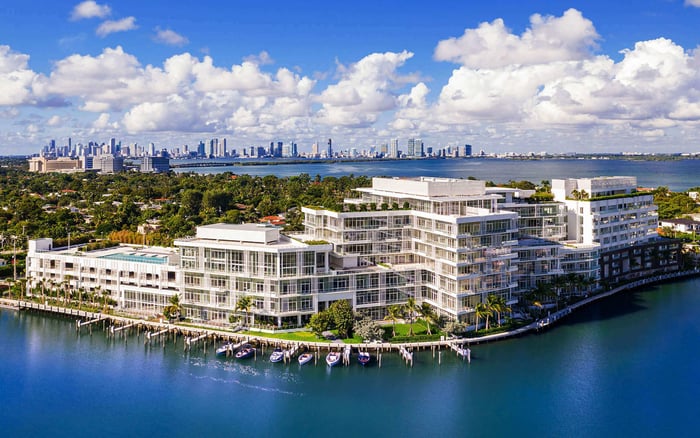
This is especially relevant in low-density buildings, waterfront settings, and design-led residences where finishes, private terraces, specialty systems, and building culture all shape value. A buyer comparing Alana Bay Harbor Islands with a larger urban tower, for example, is not only comparing floor plans. The buyer is also comparing the timing and depth of diligence required to understand a more intimate building environment.
The earlier a buyer understands condition, the more choices remain available. Before closing approaches, inspection findings can support a request for a seller repair, a credit, a price adjustment, or a decision to walk away if the contract permits it. Later in the process, the same findings may create urgency instead of leverage.
This is where real cost begins to move. A repair that seems manageable may become expensive if it delays occupancy, complicates insurance, or forces a buyer to coordinate specialty contractors after moving in. Even cosmetic items can carry meaningful cost in luxury residences when materials are custom, imported, discontinued, or tied to a broader design scheme.
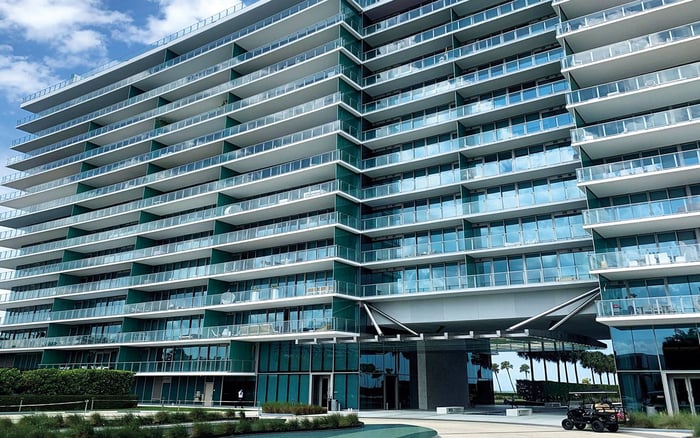
In Brickell, buyers weighing high-design new and newer residences such as The Residences at 1428 Brickell should treat inspection timing as part of the acquisition strategy. It is not simply about finding defects. It is about confirming that the residence, building systems, documentation, and closing schedule all support the intended lifestyle.
Boutique buildings can offer privacy, architectural identity, and a more residential atmosphere. They can also require more nuanced diligence. With fewer residences, the buyer may want a clearer view of shared components, maintenance culture, reserve posture, pending work, and how the building handles service access, deliveries, parking, and amenities.
An inspection appointment inside the residence is only one layer. The buyer’s team should also coordinate document review and practical questions about building operations. The most elegant residence can become more costly if an avoidable issue is discovered only after movers, designers, art handlers, and contractors have already been scheduled.
In Miami Beach, where lifestyle, waterfront exposure, and design expectations often converge, a buyer considering The Perigon Miami Beach may benefit from aligning the inspection window with broader advisory review. The goal is not to slow the purchase. The goal is to preserve certainty while the buyer still has contractual options.
Inspection timing belongs in any serious Pricing & Trends conversation because condition affects value in ways headline pricing cannot reveal. Two residences may appear comparable in size, view, and location, yet carry very different near-term ownership costs once mechanical, waterproofing, appliance, terrace, window, or finish issues are understood.
The most disciplined buyers do not wait until the final walk-through to learn whether prior agreements were completed. They inspect early, negotiate clearly, document any agreed remedies, and verify completion before funds are released. When a credit is more practical than a repair, they evaluate whether it realistically reflects the work, disruption, and coordination required after closing.
This matters in Surfside, where boutique luxury often emphasizes privacy and long-term ownership. When evaluating The Delmore Surfside or any comparable residence, the buyer’s question should be direct: will the inspection timeline allow enough room to understand both the residence and the building before closing pressure compresses judgment?
The final walk-through has a narrow purpose. It confirms that the property is in the expected condition and that agreed items have not been overlooked. It should not be the first moment a buyer learns about a major issue.
By the final walk-through, deposits, financing, insurance, closing logistics, and personal plans may already be in motion. If a material issue appears at that stage, the buyer may face a difficult choice between delaying closing, accepting uncertainty, or trying to solve a problem under time pressure. That is rarely the environment in which affluent buyers make their best decisions.
A better rhythm is layered. Conduct the main inspection early. Coordinate specialist review when warranted. Resolve or document open items. Then use the final walk-through as confirmation, not discovery. In Fort Lauderdale, where buyers may compare waterfront and urban options such as Sixth & Rio Fort Lauderdale, that rhythm can protect both schedule and peace of mind.
The strongest inspection strategy is coordinated before the contract becomes emotionally irreversible. Buyers should understand the inspection period, access rules, seller response timing, and the practical availability of specialists. They should also decide in advance what matters most: speed, certainty, price adjustment, repair quality, or the right to step back.
For a South Florida boutique residence, the smartest question is not simply, “What is wrong?” It is, “When will I know, and what options will I still have when I know it?” That shift turns inspection from a defensive checklist into an acquisition advantage.
Why does inspection timing matter before closing? Timing affects leverage. Earlier findings may allow for negotiation, repair planning, credits, or a cleaner decision before closing pressure builds.
Is the final walk-through enough for a luxury residence? No. The final walk-through should confirm condition and agreed items, not replace a full inspection and any needed specialist review.
What makes boutique residences different during inspection? Boutique buildings often require a closer look at shared systems, service practices, maintenance culture, and the relationship between private and common areas.
Should a buyer inspect before making an offer? In some situations, early advisory review can be useful, but the contract should define formal rights, timelines, and remedies.
Can inspection findings change the effective purchase price? Yes. Credits, repairs, delays, and post-closing work can all change the true economic outcome beyond the stated contract price.
Are cosmetic issues important in high-end residences? They can be. Luxury finishes may be costly to match, replace, or coordinate, especially when design continuity matters.
When should specialists be brought in? Specialists should be considered when the general inspection flags systems, moisture, exterior areas, mechanical components, or other complex issues.
How should buyers handle seller repair promises? Promises should be written clearly, supported by access for verification, and reviewed before closing funds are released.
Does inspection timing affect move-in planning? Yes. Late discoveries can disrupt movers, designers, contractors, insurance coordination, and the buyer’s intended occupancy schedule.
What is the best way to shortlist comparable options for touring? Start with location fit, delivery status, and daily lifestyle priorities, then compare stacks and elevations to validate views and privacy.
If you'd like a private walkthrough and a curated shortlist, connect with MILLION.
If branded residences are on your mind — as a home or as an allocation — we would be glad to share what we are seeing, privately.
Begin a quiet conversation