A buyer-focused guide to evaluating balcony and terrace maintenance in Key Biscayne luxury real estate, from structural records and waterproofing to finishes, furnishings, association rules, and long-term ownership costs.
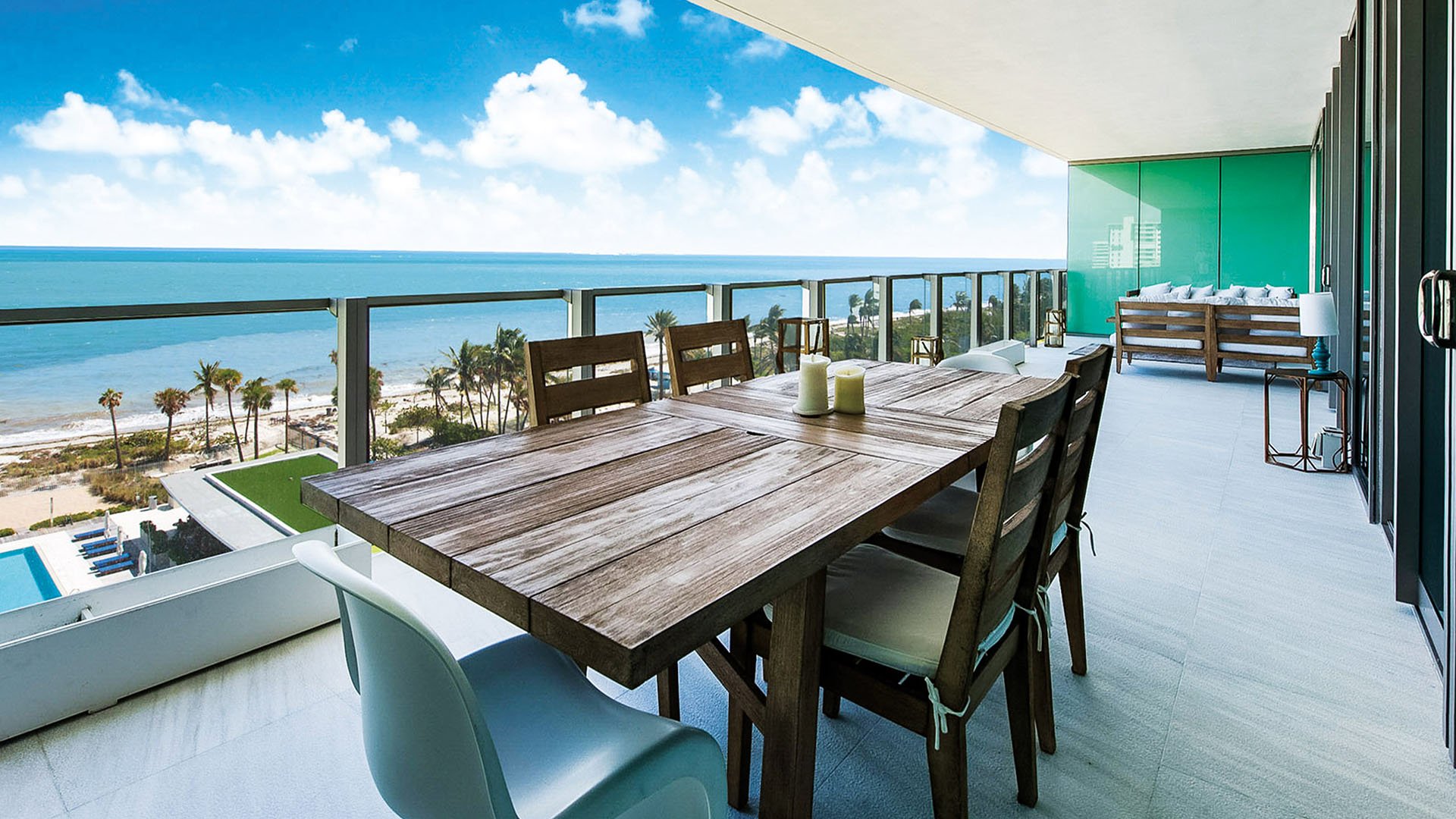
In Key Biscayne, private outdoor space is not a decorative extra. It is part of the daily architecture of luxury living, where morning coffee, sunset dinners, bay breezes, and oceanfront views often shape how a residence truly feels. Yet a balcony or terrace also sits at the intersection of structure, weather, building rules, waterproofing, and long-term maintenance. Before buying, the question is not simply whether the outdoor space is beautiful. The better question is whether it has been cared for with the same discipline as the interior.
For luxury buyers, this is especially important because exterior spaces can be expensive to correct after closing. A terrace may photograph beautifully while concealing weak drainage, tired coatings, loose railings, deteriorated stone, or furniture unsuited to the coastal environment. A waterfront residence in Key Biscayne can be a rare pleasure, but ownership is more rewarding when the exterior envelope has been reviewed carefully before contracts harden.
This is the kind of diligence that belongs in serious Buyer's Guides, not as an afterthought. The goal is to understand condition, responsibility, and future cost before the view takes over the decision.
The first question is simple: who is responsible for what? In many condominium settings, the balcony or terrace may be used privately but governed partly by the association. Finishes, railings, waterproof membranes, slab components, drains, planters, and exterior doors may fall into different responsibility categories. A buyer should ask for the governing documents and have counsel confirm where owner responsibility ends and association responsibility begins.
This matters because the most expensive elements are not always the ones the owner visually controls. A seller may have maintained furniture and pavers beautifully, while waterproofing, drainage, or structural elements remain under a separate maintenance program. Conversely, an owner may be responsible for certain finishes or alterations even if the association controls the broader exterior aesthetic.
Ask whether any balcony or terrace work requires association approval. Also ask whether prior work was approved, permitted where required, and documented. If there are built-in planters, outdoor kitchens, lighting, decking, tile, screens, awnings, or shade structures, confirm whether they are allowed and whether they can remain after sale.
A polished terrace can distract from a thin record. Before buying, request the maintenance history for the outdoor space. Useful documents may include invoices for waterproofing, resurfacing, railing repairs, door threshold work, drainage service, tile replacement, sealant renewal, and contractor evaluations. The point is not to create bureaucracy. It is to determine whether maintenance has been routine, reactive, or deferred.
A strong seller should be able to explain when surfaces were last serviced, what materials were used, who completed the work, and whether any warranties are transferable. If the residence is in a full-service building, ask management whether the association has a scheduled exterior maintenance program and whether balcony access has been restricted during recent or planned work.
When comparing coastal residences, buyers often look beyond Key Biscayne to understand how other luxury markets treat outdoor living. A property such as Oceana Key Biscayne may sit in the buyer's primary search set, while Miami Beach options such as 57 Ocean Miami Beach can help frame questions about how much private exterior space a buyer wants and how it is maintained.
The most elegant terrace is only as good as its water management. Ask how the space drains during heavy rain and whether drains have ever backed up. Look for low spots, ponding, staining, efflorescence, cracked grout, hollow tiles, swollen door frames, or discoloration near thresholds. These signs do not automatically indicate a major problem, but they justify deeper review.
Waterproofing deserves particular attention. Buyers should ask whether any coating or membrane system has been applied, whether it is nearing the end of its useful life, and whether future replacement is handled by the owner or association. If decorative pavers or decking sit above a waterproofed surface, ask how the system can be inspected and serviced without destroying the finish.
Door thresholds are another subtle but important area. Sliding doors, swing doors, and floor-to-ceiling glass systems must work with terrace levels, wind exposure, and water flow. A beautiful indoor-outdoor transition should not come at the expense of water intrusion risk. During inspection, doors should open, lock, drain, and seal properly.
Railings shape both safety and architecture. Ask whether railings, guardrails, glass panels, posts, fasteners, and anchors have been inspected or repaired. In a coastal climate, hardware and connections deserve as much attention as visible surfaces. Look for corrosion, movement, cracked glass, mismatched repairs, missing caps, or signs that prior fixes were cosmetic.
If the residence has glass railings, ask how they are cleaned and whether any panels have been replaced. If it has metal railings, ask what coating or finish is used and how often maintenance is recommended. Do not assume that a newer appearance means stronger condition. The best luxury ownership experience comes when the invisible details are monitored consistently.
For buyers considering multiple coastal addresses, Surfside and Sunny Isles can provide useful context. A residence such as Eighty Seven Park Surfside or Bentley Residences Sunny Isles can prompt the same practical questions: how are exterior materials protected, what is owner-controlled, and how does the building manage exposure over time?
Luxury buyers often imagine a terrace as an outdoor room. That may include new flooring, sculptural planters, lounge seating, lighting, heaters, fans, sound, shade, or an outdoor dining setting. Before buying, confirm what is permitted. Association rules may limit visible furnishings, flooring materials, umbrellas, screens, plant heights, irrigation, grills, storage, or exterior modifications.
Ask specifically about weight limits and drainage around planters. Large trees, stone planters, and water features can create design impact, but they may require approval and professional review. Also ask whether outdoor kitchens, built-in bars, or fire features are allowed. If a seller has already installed upgrades, request documentation showing that the work was approved.
Usability matters as much as area. A deep, protected terrace may live better than a larger exposed one. Consider sun angle, privacy, wind, view corridors, noise, and how furniture will actually be arranged. In Key Biscayne, the most successful outdoor spaces feel effortless because the technical planning has already been solved.
Balcony and terrace maintenance should be part of the ownership budget, especially for buyers who intend to use the property seasonally. Exterior spaces need cleaning, inspections, furniture care, cushion storage, plant maintenance, sealant attention, and periodic repair. If the unit is vacant for long stretches, ask how the building or property manager handles storms, furniture securing, drainage checks, and post-weather inspections.
Review association reserves, planned projects, and any known exterior work that could affect access, assessments, or enjoyment. A terrace can be one of the residence's greatest assets, but it can also become inconvenient if major work begins soon after closing. The right questions before purchase can distinguish a refined acquisition from an avoidable surprise.
Buyers also compare newer and established buildings differently. Newer buildings may offer current design language and fresh materials, while established buildings may provide a visible history of how exterior systems have aged. Neither is automatically superior. What matters is the quality of documentation, the seriousness of maintenance, and the clarity of future obligations.
Before submitting an offer, walk the balcony or terrace slowly and with a professional mindset. Ask for maintenance records, approvals for alterations, association rules, warranties, inspection history, and any upcoming exterior work. Confirm responsibility for drains, railings, slabs, waterproofing, doors, flooring, planters, lighting, and furnishings. Look for evidence of water, movement, corrosion, improper slope, or makeshift repairs.
Then translate the findings into negotiation strategy. A clean record may support confidence and speed. Unclear responsibility may require legal review. Visible defects may justify credits, repairs, escrow, or a more conservative price. The terrace should not be evaluated after the fact. It should be part of the purchase thesis from the beginning.
Key Biscayne rewards buyers who respect the difference between beauty and resilience. A well-maintained terrace is not only a place to enjoy the view. It is evidence that the residence has been owned, governed, and managed with care.
What is the first balcony question to ask before buying in Key Biscayne? Ask who is responsible for each component, including flooring, waterproofing, railings, drains, doors, and structural elements.
Should I request balcony or terrace maintenance records? Yes. Records can show whether work has been routine and documented rather than reactive or cosmetic.
Are terrace alterations always allowed in luxury condominiums? No. Many associations control exterior appearance, weight, drainage, lighting, planters, screens, flooring, and built-ins.
Why is drainage so important for a private terrace? Poor drainage can lead to staining, surface damage, water intrusion concerns, and more complicated repairs later.
What should I look for around exterior doors? Look for staining, swelling, difficult operation, weak seals, threshold issues, and signs of past water entry.
Do glass railings need special attention? Yes. Ask about panel condition, anchors, hardware, cleaning protocols, and any history of replacement or repair.
Can outdoor furniture affect maintenance risk? Yes. Heavy pieces, improper storage, and unsuitable materials can damage surfaces or become problematic during severe weather.
Should seasonal owners handle terrace care differently? Yes. They should arrange periodic checks, furniture securing, drainage review, and post-storm inspections when away.
Can balcony condition affect negotiation? Yes. Unclear responsibility, deferred maintenance, or visible defects may support credits, repairs, escrow, or further review.
Is a larger terrace always better? No. Protection, drainage, privacy, orientation, and usable layout often matter more than raw square footage.
For a tailored shortlist and next-step guidance, connect with MILLION.
If branded residences are on your mind — as a home or as an allocation — we would be glad to share what we are seeing, privately.
Begin a quiet conversation