A buyer-focused guide for Toronto-based owners comparing South Florida homes through the lens of operational ease, service models, building governance, travel rhythm, and year-round ownership logistics.

For a Toronto buyer, the South Florida conversation often begins with light, water, and winter relief. Yet the more sophisticated purchase question is quieter: how much effort will this home require when life is moving between cities?
Lower operational friction is the difference between owning a beautiful residence and owning one that fits your actual calendar. It is the ease of arriving after a flight, the confidence of locking the door for several weeks, the clarity of building rules, the quality of maintenance oversight, and the absence of small surprises that become large irritants from a distance.
In South Florida, the best fit is rarely defined by glamour alone. It is defined by how elegantly a property handles the daily mechanics of ownership. A Toronto household may love the energy of Brickell, the calm of Coconut Grove, the architectural poise of Miami Beach, or the quieter cadence of West Palm Beach. The winning choice is the one whose service model, access pattern, and governance structure make ownership feel composed.
Operational friction is not one feature. It is a collection of recurring tasks: coordinating vendors, receiving deliveries, managing access, understanding association procedures, preparing for travel gaps, handling guests, keeping insurance and maintenance documents organized, and knowing who solves a problem when you are in another country.
Before touring, create a simple ownership profile. How often will you come? Will the home sit empty for long stretches? Will family members use it independently? Do you expect to entertain, work remotely, or treat it as a pure retreat? Are you comfortable managing a single-family home team, or do you prefer the structure of a full-service condominium?
The answers should shape the search more than the first view from the balcony. A spectacular residence can still be a poor fit if every absence requires a chain of calls. Conversely, a slightly more restrained home in the right building can become the greater luxury because it reduces the need for constant supervision.
For many cross-border owners, a staffed condominium is the natural starting point. It can centralize building maintenance, front-desk access, package protocols, common-area upkeep, and rules around deliveries or service providers. That does not remove all responsibility, but it can make the rhythm more predictable.
A single-family estate offers privacy, scale, and control, but it usually brings a more active operating model. Landscaping, pool care, security, exterior maintenance, weather preparation, pest control, and vendor oversight require reliable local coordination. For buyers who value autonomy and already plan to build a household team, that may be ideal. For buyers seeking a lower-friction second home, it can be more than they intended to manage.
New-construction residences may appeal to Toronto buyers who want newer systems, contemporary layouts, and a cleaner handoff at closing. Still, the right question is not whether a building is new. It is whether the building’s operating culture is clear, consistent, and aligned with how you will use the home.
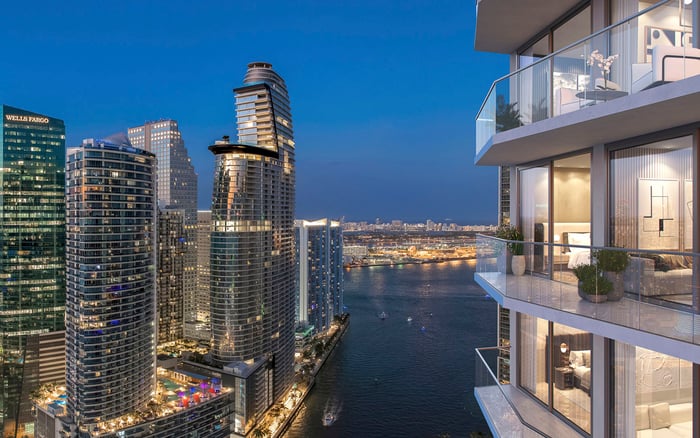
A South Florida home should be chosen around the way you arrive and leave. If you want a fast, urban landing, Brickell may suit a buyer who values restaurants, offices, waterfront towers, and a vertical lifestyle. A residence such as St. Regis® Residences Brickell belongs in that conversation for buyers studying the service expectations of branded urban living.
Miami Beach speaks differently. It can feel more resort-like, more design-led, and more emotionally connected to sand, architecture, and social rhythm. Buyers comparing this lifestyle may look at The Ritz-Carlton Residences® Miami Beach as part of a broader discussion about privacy, access, and residential service in a coastal setting.
Coconut Grove appeals to those who want softness, trees, marinas, neighborhood dining, and a more residential atmosphere. A project such as The Well Coconut Grove can help frame the question of wellness-oriented living without requiring the pace of a denser urban core.
West Palm Beach may resonate with buyers seeking a polished, quieter base with cultural, dining, and waterfront appeal. Shorecrest Flagler Drive West Palm Beach is an appropriate reference point for those considering how a northern South Florida address can support a more measured ownership rhythm.
The most important due diligence often happens outside the model residence. Ask how deliveries are handled, whether vendors need advance registration, how keys or digital access are managed, and what procedure applies to work inside the unit when you are away. Ask how the building communicates with owners, how quickly approvals are processed, and how transparent the association is about rules.
Review the budget, reserves, policies, and maintenance expectations with qualified advisers. The goal is not to eliminate every cost. The goal is to understand what the ownership experience will feel like in practice. A well-run building can make expenses feel orderly; an unclear building can make even minor matters feel unnecessarily complicated.
For Toronto buyers, governance clarity is a luxury asset. If you will be away often, you need confidence that procedures are not improvised. The right building should feel legible. You should know who to contact, what is allowed, what requires notice, and what happens if a maintenance issue appears while you are elsewhere.
Amenity lists are easy to compare. Service depth is harder, and more important. A lap pool, spa, lounge, or private dining room may be appealing, yet operational ease depends on staffing, consistency, owner communication, and the building’s ability to coordinate everyday needs with discretion.
Ask practical questions. Can the residence be prepared before arrival? Is there a predictable process for housekeeping access? Are there preferred vendors? How does the team manage recurring requests? What is the culture around privacy? Does the building feel calm under pressure, or does it depend on individual personalities?
This is where branded and boutique residences can differ materially, not because one category is automatically superior, but because each tends to express service in a different way. Branded residences may provide a familiar service language. Boutique buildings may provide intimacy and fewer moving parts. The better choice is the one that matches your expectations.
Before committing, score each option across five categories: arrival ease, building communication, maintenance oversight, lifestyle fit, and absence readiness. Arrival ease covers travel from airport to door, parking, luggage, elevator flow, and the feeling of entering the home after a long day. Building communication covers responsiveness, clarity, and owner-facing systems.
Maintenance oversight includes what the association manages, what the owner must manage, and whether trusted vendors are readily available. Lifestyle fit asks whether the neighborhood supports your real routine, not an imagined version of it. Absence readiness evaluates how confidently the home can sit vacant without demanding attention.
This scoring exercise turns an emotional purchase into a disciplined comparison. It does not remove beauty from the decision. It protects beauty from becoming inconvenient.
For a Toronto household, the ideal South Florida residence should feel effortless without feeling impersonal. It should offer warmth, light, and a sense of escape, but also the operating discipline of a property designed for intermittent ownership.
The best choice may be an urban condominium in Brickell, a serene address in Miami Beach, a village-like setting in Coconut Grove, or a composed base in West Palm Beach. Each can be right. The determining factor is whether the home reduces friction in the parts of ownership that do not appear in photography.
Operational simplicity is not a secondary benefit. It is a core dimension of value. A home that is easy to own, easy to leave, and easy to return to will often deliver the most enduring form of luxury.
What does lower operational friction mean in a South Florida home? It means the property requires fewer recurring decisions, fewer vendor complications, and less effort to manage when you are away.
Is a condo usually easier than a single-family home for a Toronto buyer? Often, yes, because a condominium can centralize building operations, access, and common-area maintenance under one structure.
Should I choose Brickell if I want the easiest arrival experience? Brickell can work well for buyers who want an urban, vertical lifestyle, but the specific building’s access and service model matter most.
Is Miami Beach more operationally complex than inland neighborhoods? Not automatically. The level of friction depends on the building, governance, parking, access, and how you plan to use the residence.
Why does governance matter so much for part-time owners? Clear rules and communication reduce surprises when you are not local to handle approvals, maintenance, or access questions in person.
Are branded residences always lower friction? Not always, but they may offer a recognizable service culture that some cross-border buyers find easier to evaluate.
How should I compare Coconut Grove with West Palm Beach? Compare daily rhythm, airport pattern, neighborhood feel, and how each location supports your actual stays rather than vacation assumptions.
What should I ask before buying new construction? Ask about building operations, owner communication, delivery procedures, warranty coordination, and how the residence is handed over after closing.
Can a home be beautiful but still the wrong purchase? Yes. If it creates too much maintenance, coordination, or uncertainty, the ownership experience may feel heavier than the design suggests.
What is the simplest way to start narrowing choices? Build a shortlist around arrival ease, service depth, governance clarity, and absence readiness before comparing finishes or views.
For a discreet conversation and a curated building-by-building shortlist, connect with MILLION.
If branded residences are on your mind — as a home or as an allocation — we would be glad to share what we are seeing, privately.
Begin a quiet conversation