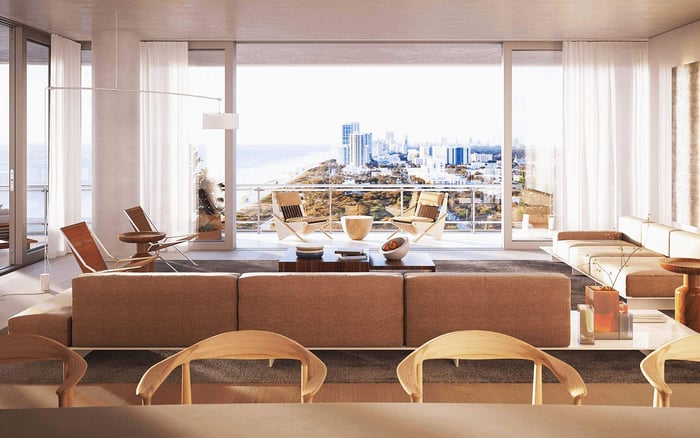
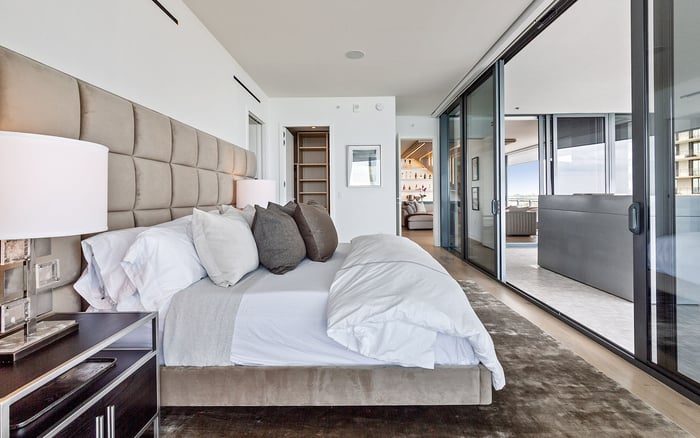
A discreet buyer’s guide to evaluating ocean exposure at The Delmore Surfside, with practical perspective on terraces, finishes, furnishings, upkeep rhythms, and long-term ownership expectations.
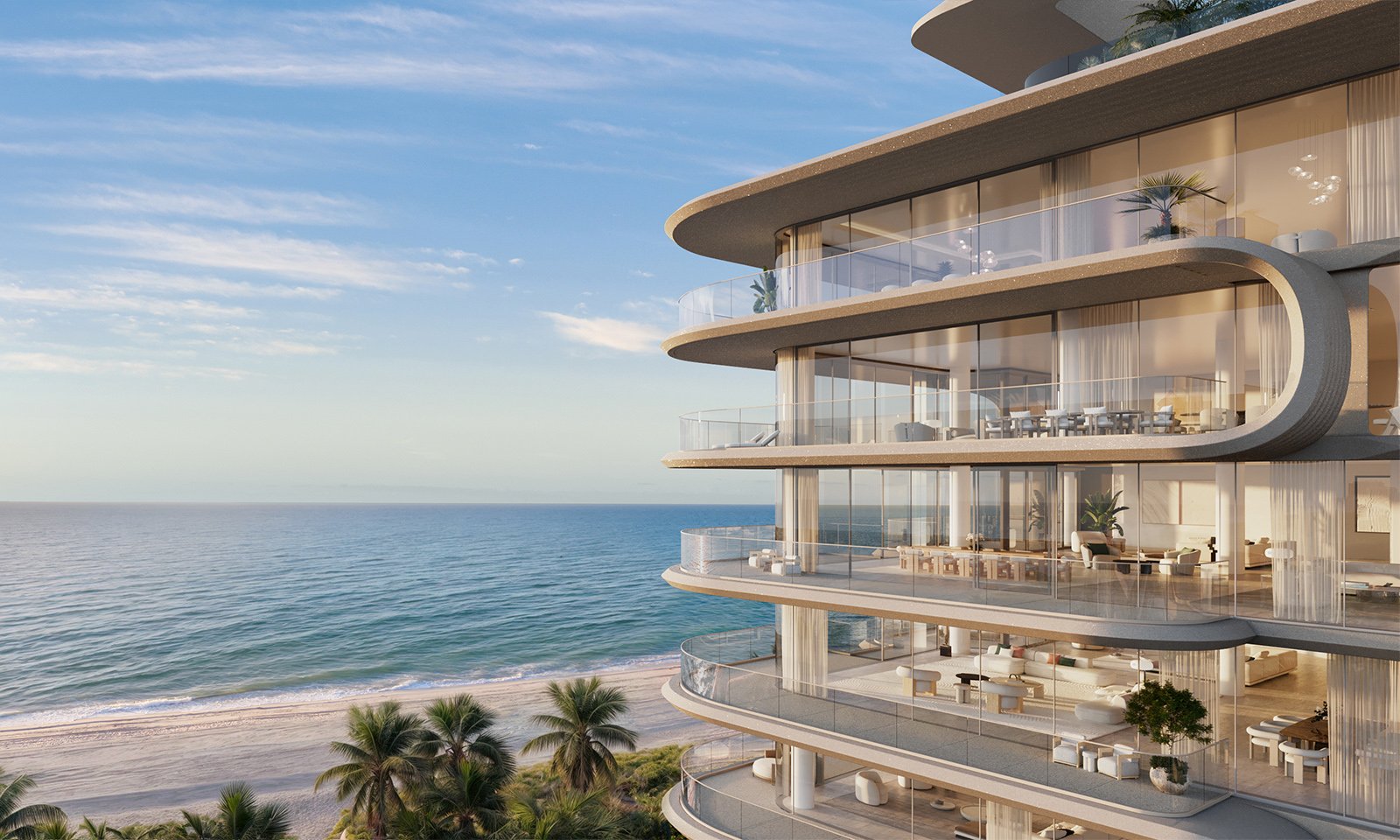
At the highest end of Surfside living, the terrace is no longer a decorative appendage. It is a primary room, a daily observatory, and often the emotional reason a buyer chooses one residence over another. At The Delmore Surfside, the conversation around outdoor space naturally begins with the Atlantic. The more sophisticated conversation, however, is not simply about the view. It is about exposure.
Oceanfront ownership asks buyers to think like curators. Salt air, wind, sun angle, humidity, and storm-season preparation all influence how a terrace performs over time. A flawless first impression matters, but so does the ability to keep that impression intact through disciplined, well-considered maintenance. In this sense, oceanfront living is both aesthetic and operational.
The best residences make the ocean feel effortless. Owners, however, should understand that effortlessness is usually the result of informed decisions made early: which materials are selected, how furnishings are stored or covered, how often glass is cleaned, how planters drain, and how the terrace is used during different times of year.
A terrace in Surfside should be evaluated the way one evaluates a living room, with attention to proportion, circulation, exposure, and furniture placement. The difference is that the terrace must also negotiate the elements. Outdoor dining, lounging, morning coffee, evening entertaining, and quiet reading each require slightly different conditions.
A deep terrace may allow furniture to sit farther from the edge, softening wind and spray. A more open edge may deliver greater drama but require more intentional furnishing choices. Buyers should ask where the most usable zones are, not only where the most photogenic views are. The best terrace plan is not always the one with the most furniture; it is the one that preserves movement, view corridors, and comfort.
This is why comparisons across Surfside can be useful. The restrained oceanfront character of Arte Surfside and the established beachfront language around Fendi Château Residences Surfside illustrate a broader point: in this village, outdoor space is part of the architecture, not an afterthought.
Ocean exposure is unforgiving to casual choices. Metals, fabrics, woods, stone surfaces, lighting fixtures, hardware, and planters should be selected with salt air in mind. The goal is not to make a terrace feel utilitarian. The goal is to choose refined materials that can retain their composure.
Powder-coated metals, marine-minded hardware, high-performance textiles, and resilient outdoor finishes often matter more than brand names. Cushions should dry quickly. Frames should resist corrosion. Tables should be stable in wind. Planters should be heavy enough to feel permanent yet designed to drain properly. Even decorative objects should be edited, since anything light enough to move easily may become a liability during gusts.
A balcony closer to the water may need more frequent cleaning than an inland outdoor space. Glass railings, flooring, and furniture surfaces can accumulate salt film even when the terrace appears protected. Owners who prefer a crisp, hotel-like presentation should plan for regular care rather than occasional rescue work.
The most valuable terrace is not necessarily the one with the longest view. It is the one that can be used comfortably. Buyers should visit, when possible, at different times of day. Morning glare, afternoon heat, prevailing breezes, and seasonal humidity can change the experience dramatically.
Shade is especially important. It affects comfort, upholstery life, plant selection, and how often doors remain open between interior and exterior spaces. Wind patterns matter as well. A terrace that feels poetic in still weather may require a different furniture strategy when breezes strengthen.
This is where design and architecture become practical rather than merely visual. Overhangs, railing design, terrace depth, building orientation, and the relationship between indoor rooms and outdoor edges can all shape daily enjoyment. A beautiful terrace that is rarely used has not fulfilled its promise.
Luxury upkeep is best understood as preservation. In an oceanfront setting, small habits protect large investments. Regular rinsing of exterior surfaces, scheduled glass cleaning, cushion storage during extended absences, inspection of furniture feet and fasteners, and attention to drainage can make a meaningful difference.
Owners should also distinguish between personal maintenance and building maintenance. The association may care for common elements, exterior systems, and shared standards, while residents remain responsible for furniture, accessories, plants, and the condition of private outdoor areas. Before purchase, buyers should understand those boundaries clearly.
The same care logic extends along the coast. At Eighty Seven Park Surfside, the appeal of beachfront living is inseparable from the landscape and exposure around it. Farther south, 57 Ocean Miami Beach reinforces how ocean-facing residences depend on thoughtful stewardship to keep the outdoor experience polished.
The most successful terraces feel calm. They avoid excess, emphasize durable silhouettes, and use texture rather than clutter. Low-profile seating can reduce wind exposure. Heavier tables tend to perform better than delicate pieces. Outdoor rugs should be selected carefully, since moisture, drainage, and cleaning access all matter.
Planting is another area where restraint pays. Coastal conditions can be harsh, and not every lush arrangement is practical. Containers should be stable, irrigation should be controlled, and plant selections should tolerate sun, wind, and salt. A terrace garden that requires constant intervention may become less enjoyable over time.
For seasonal residents, simplicity is particularly valuable. Furniture covers, storage planning, and storm-season protocols should be considered before the first installation. The right terrace design allows a residence to be left secure without feeling stripped of personality when the owner returns.
A buyer considering The Delmore Surfside should look beyond finish palettes and view photography. Ask how the terrace drains, how glass is accessed for cleaning, which materials are recommended for outdoor use, what restrictions apply to furnishings or planters, and how storm preparation is handled. Ask how privacy changes from one exposure to another. Ask whether the terrace feels equally appealing for quiet mornings and formal entertaining.
Surfside has long appealed to buyers who value discretion, beach proximity, and a calmer residential rhythm. That appeal is strongest when the ownership experience is understood in full. The ocean gives the residence its atmosphere. Exposure determines how that atmosphere is lived, maintained, and preserved.
Why does ocean exposure matter so much at The Delmore Surfside? Ocean exposure influences wind, salt accumulation, sun, privacy, and the long-term performance of terrace materials.
Should terrace size be the main priority for buyers? Size matters, but usability matters more. Depth, shade, wind comfort, and furniture placement can be more important than raw square footage.
What materials are best for an oceanfront terrace? Buyers should favor exterior-grade materials designed for salt air, moisture, sun, and repeated cleaning.
Does a glass railing require special attention near the ocean? Yes. Salt film and humidity can make regular cleaning essential for preserving clarity and the intended view experience.
How should seasonal owners think about outdoor furniture? Seasonal owners should plan for covers, secure storage, resilient fabrics, and a simple arrangement that can be protected easily.
Are plants practical on a Surfside terrace? They can be, if containers are stable, drainage is managed, and plant selections are suited to sun, wind, and coastal air.
What is the difference between terrace upkeep and building upkeep? Building upkeep usually concerns shared systems and common elements, while residents typically manage private furnishings and accessories.
Can oceanfront terraces feel private? Privacy depends on orientation, neighboring sightlines, railing design, elevation, and how seating areas are arranged.
How often should an owner review terrace conditions? A regular visual review is wise, especially after heavy wind, storms, extended absences, or periods of intense salt exposure.
What is the best mindset for buying an oceanfront residence in Surfside? Treat the terrace as a principal room and plan its care with the same seriousness given to interiors.
If you'd like a private walkthrough and a curated shortlist, connect with MILLION.
If branded residences are on your mind — as a home or as an allocation — we would be glad to share what we are seeing, privately.
Begin a quiet conversation