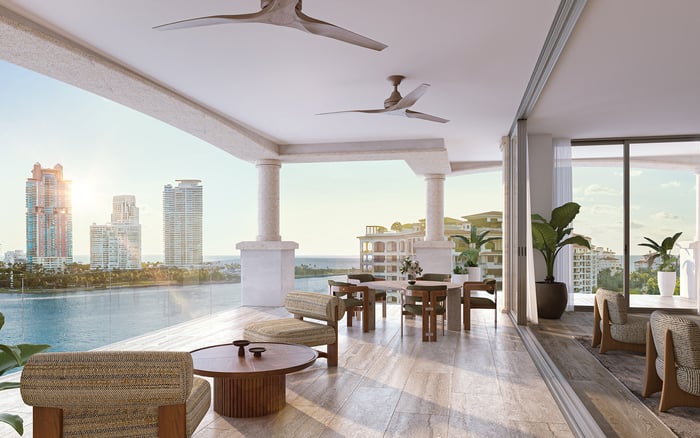
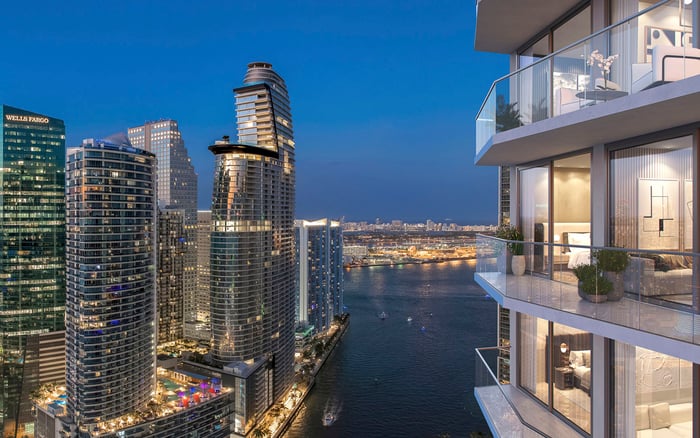
Frida Kahlo Wynwood Residences brings an art-forward residential lens to one of Miami’s most culturally charged neighborhoods, appealing to buyers who view a home as both private sanctuary and curatorial environment.
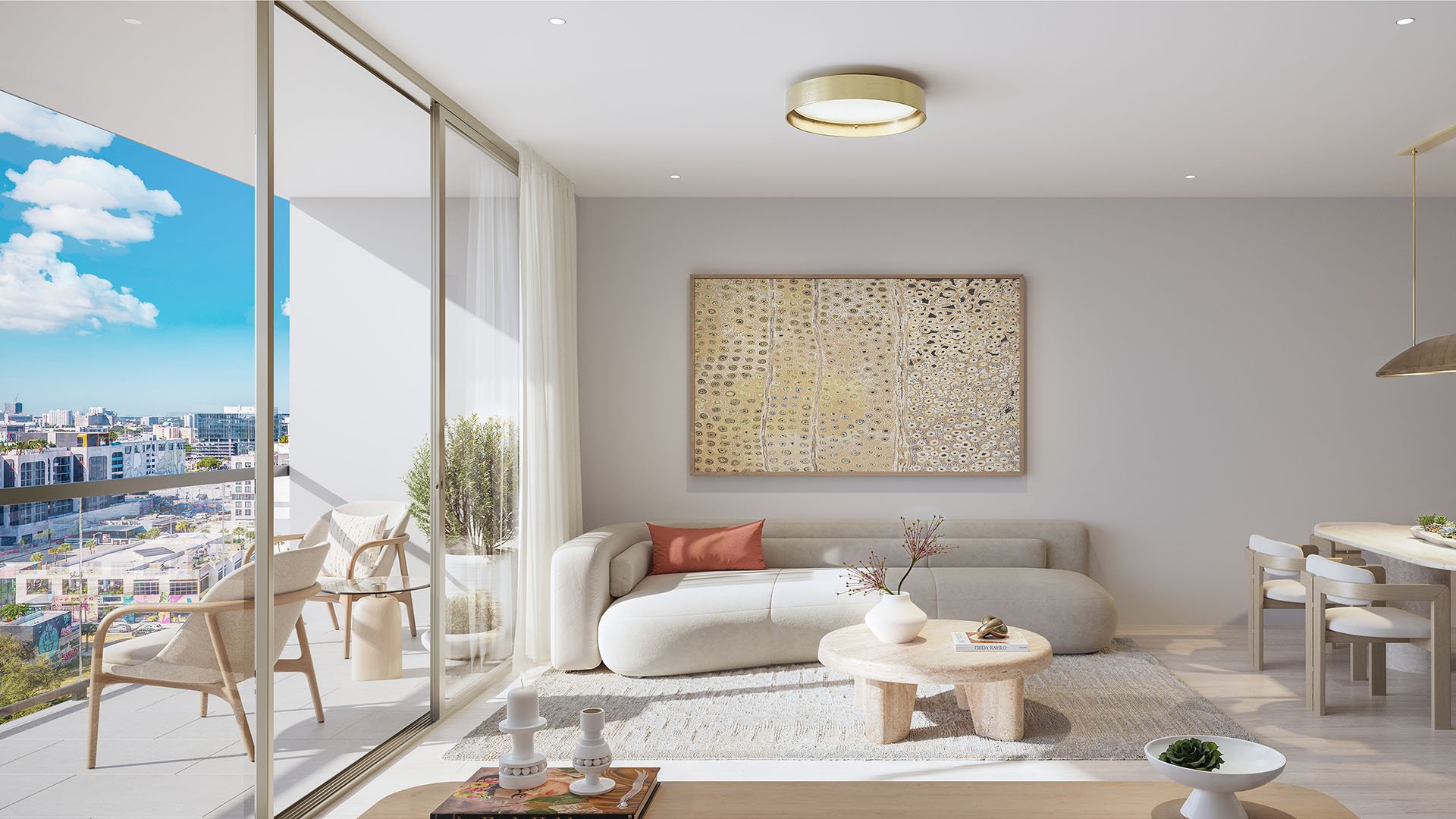
For the art collector, a residence is never simply a floor plan. It is a private gallery, a salon, a retreat, a working archive, and often the most personal expression of taste a buyer will ever commission. That is why the conversation around Frida Kahlo Wynwood Residences is less about one address than a broader shift in Miami luxury living: the desire for homes that can hold culture, not merely display it.
Wynwood gives that idea a particular charge. Buyers drawn to this part of Miami are rarely seeking anonymity in the conventional sense. They are pursuing proximity to creative life, visual energy, restaurants, galleries, design conversations, and the informal cadence of a neighborhood where art is not treated as a weekend excursion. In that setting, a residential project carrying the Frida Kahlo name naturally becomes part of a larger question: what does it mean to live with art as a daily condition rather than an occasional possession?
For MILLION readers, the answer begins with restraint. A collector’s home should not compete with the collection. It should create atmosphere, provide discretion, and offer enough architectural calm to let works breathe. Luxury, in this context, is not simply a finish level. It is proportion, circulation, lighting logic, wall quality, privacy, and the ability to host without turning the home into a showroom.
Wynwood occupies a distinct place in Miami’s residential imagination. It is not Brickell’s financial verticality, South Beach’s resort mythology, or Coconut Grove’s garden privacy. Its appeal is more urban, more visual, and more closely tied to creative identity. For buyers considering art collector living, that distinction matters.
In Brickell, projects such as 888 Brickell by Dolce & Gabbana place design in conversation with fashion and international brand culture. Casa Bella by B&B Italia Downtown Miami offers another downtown reference point for buyers who follow design-led residential language. Wynwood, by contrast, invites a more district-driven reading. The neighborhood itself helps frame the home, giving the collector a sense that private ownership and public culture can coexist within the same daily radius.
That does not mean every collector wants to live at the center of activity. Some will prefer the quiet distance of waterfront enclaves or the ceremonial polish of established luxury corridors. But for a certain buyer, especially one who sees collecting as an active lifestyle rather than a silent asset class, Wynwood offers something compelling: immediacy.
The most important questions are practical, not romantic. Can the residence accommodate large works without awkward placement? Are there walls that allow for coherent hanging, rather than fragmented surfaces broken by too many openings? Does the home support controlled hospitality, with guests moving naturally through social areas without compromising private rooms? Is there a service logic for receiving, unpacking, moving, and protecting valuable pieces?
Light is another crucial consideration. Miami buyers often prize openness, but collectors know that glare, heat, and uncontrolled exposure can be complicated. The best collector residences balance luminosity with discipline. They allow art to be seen clearly without sacrificing comfort or preservation in pursuit of drama.
Storage also deserves more attention than it usually receives. Serious collectors rotate, lend, acquire, and reframe. A beautiful home that cannot manage the less visible aspects of collecting may feel impressive at first but limited over time. The ideal residence should support both display and stewardship.
Frida Kahlo Wynwood Residences fits this dialogue because its identity begins with art. Without relying on spectacle, the name alone sets expectations for buyers who want a home connected to cultural memory and creative self-definition. In a market where many residences are positioned around hospitality, wellness, fashion, or waterfront leisure, this project enters through a different doorway.
That positioning is especially relevant in Wynwood. A collector considering the neighborhood is not only comparing unit plans and views. The decision is also about whether the surrounding environment reinforces the way they live. For some, the draw will be the feeling of proximity to creative exchange. For others, it will be the possibility of a residence that feels less generic than a traditional luxury tower and more connected to personal identity.
The strongest version of art collector living is not theatrical. It is deeply considered. It recognizes that the home must be elegant enough to host, calm enough to restore, and functional enough to protect meaningful objects. Frida Kahlo Wynwood Residences belongs in the conversation because it gives buyers a clear cultural lens through which to evaluate those priorities.
Miami’s luxury market has become increasingly fluent in design narratives. Buyers now compare residences not only by size, location, and amenity, but by the worldview each project projects. A waterfront buyer might study serenity and horizon. A downtown buyer might study service, skyline, and access. A Wynwood buyer may study cultural friction, walkable energy, and artistic association.
That is why cross-market comparisons are useful. Faena Residences Miami Downtown Miami speaks to buyers who recognize a hospitality and arts-inflected name within the Miami conversation. EDITION Edgewater offers another example of how urban Miami residences can be evaluated through lifestyle identity as much as through conventional real estate categories. These comparisons do not make one project better than another. They clarify the buyer’s own hierarchy.
For the collector, the key distinction is emotional precision. Does the building’s identity align with the way the owner wants to live? Does the neighborhood create energy or distraction? Does the residence provide the quiet required for serious works, or does it rely too heavily on visual effect? The right answer will be different for every collection.
For MILLION readers tracking Design & Architecture, Lifestyle, New-construction, Boutique, Art-basel, and Wynwood narratives, the Frida Kahlo conversation is ultimately about fit. The buyer is not simply purchasing proximity to art. The buyer is choosing a residential framework for how art, privacy, entertaining, and daily rhythm should interact.
A disciplined buyer should tour with the collection in mind. Bring measurements of important works. Consider where sculpture might sit without interrupting movement. Think about where conversation will happen during a dinner or preview. Study the entry sequence, elevator arrival, ceiling heights where disclosed, and the balance between glass and wall. Ask how deliveries are managed and whether service areas feel practical. A collector’s due diligence is as much curatorial as financial.
Frida Kahlo Wynwood Residences is most compelling when viewed through that lens. It is part of Miami’s evolving shift from luxury as display to luxury as identity. For buyers who want a home that reflects creative intention, Wynwood may be less of an alternative and more of a thesis.
Is Frida Kahlo Wynwood Residences mainly for art collectors? Not exclusively, but its art-forward identity makes it especially relevant for buyers who want a culturally expressive home in Wynwood.
Why does Wynwood appeal to collector-minded buyers? Wynwood offers a creative urban setting where art, design, dining, and daily life can feel closely connected.
What should collectors prioritize in a residence? Wall space, controlled light, privacy, storage, service access, and room proportions should all be reviewed carefully.
Does an art-forward name guarantee a collector-ready home? No. The name sets a cultural tone, but buyers should still evaluate the residence’s practical ability to support a collection.
How is Wynwood different from Brickell for this type of buyer? Brickell often reads as more corporate and vertical, while Wynwood is more closely associated with creative neighborhood energy.
Should buyers compare Wynwood with Edgewater and Downtown Miami? Yes. Comparing neighborhoods helps clarify whether the buyer values cultural immediacy, waterfront context, skyline energy, or privacy.
What makes a home suitable for entertaining around art? The best layouts allow guests to circulate naturally while giving important works enough space and protection.
Is light always beneficial for displaying art? Not always. Collectors should think about glare, exposure, and preservation as carefully as they think about views.
Can an art collector residence still feel warm and private? Yes. The goal is not to live in a museum, but to create a refined home where art is integrated with daily life.
What is the best way to shortlist comparable options for touring? Start with location fit, delivery status, and daily lifestyle priorities, then compare stacks and elevations to validate views and privacy.
When you're ready to tour or underwrite the options, connect with MILLION.
If branded residences are on your mind — as a home or as an allocation — we would be glad to share what we are seeing, privately.
Begin a quiet conversation