A buyer-oriented look at Frida Kahlo Wynwood Residences through the lens of art collecting, interior design, creative work, and lifestyle fit in Wynwood.
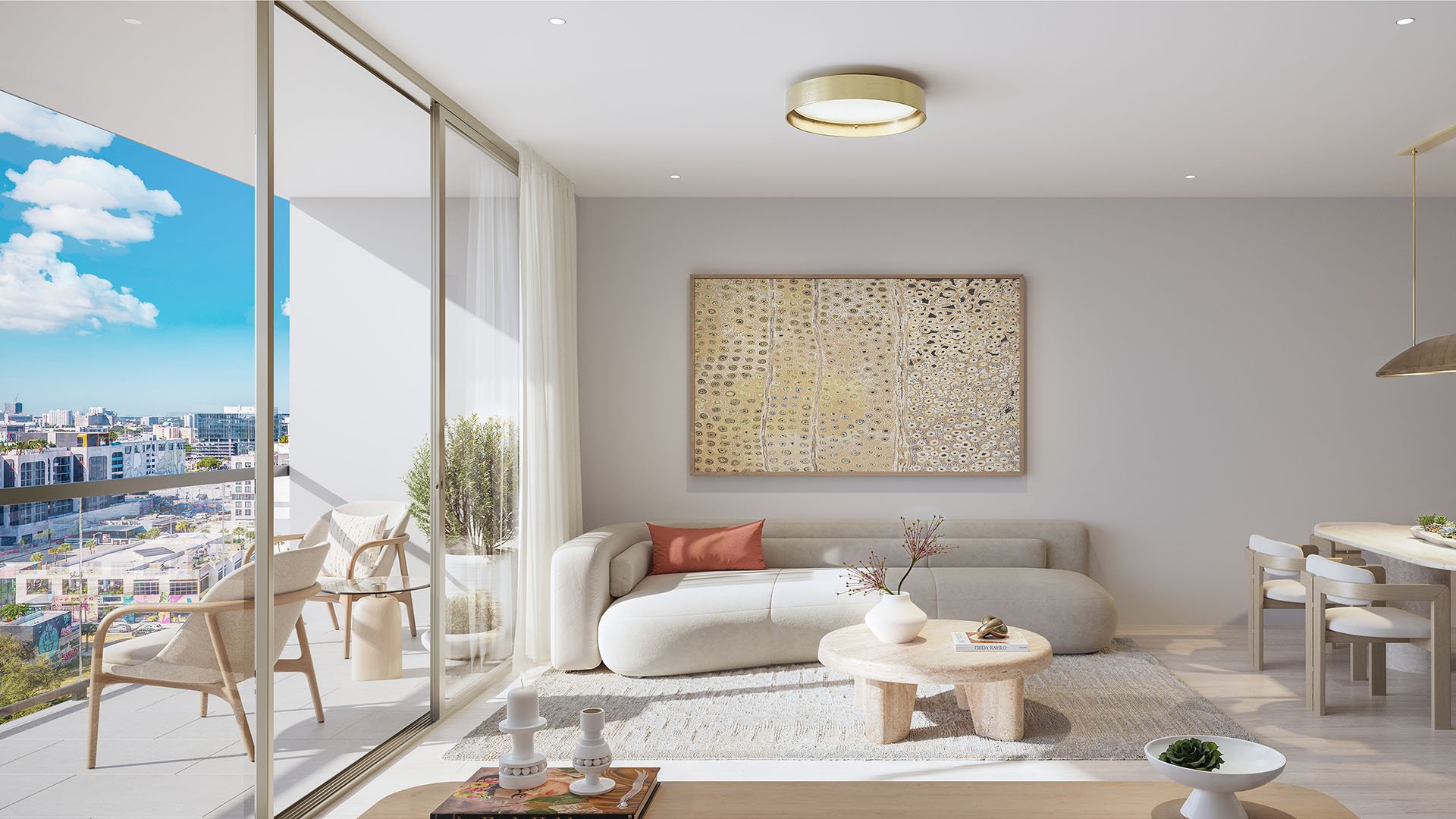
For a collector or designer, the value of a residence is rarely measured by square footage alone. It is measured by wall discipline, light quality, circulation, privacy, service flow, and the emotional clarity of the rooms. In Wynwood, Frida Kahlo Wynwood Residences invites a more exacting question: could the building serve not only as a place to live, but as a composed framework for collecting, making, hosting, and seeing?
That question calls for restraint. The project name carries a powerful artistic reference, but a serious buyer should separate resonance from performance. A collector needs technical confidence. A designer needs spatial flexibility. A second-home owner may need lock-and-leave ease. A primary resident may need the building to support daily life without turning every room into a showroom. The right fit depends on how the residence handles art in practice, not just in mood.
For buyers focused on art and design, Wynwood changes the residential brief because the home is likely to be considered alongside a more creative daily routine. The neighborhood context may matter to owners who want their private life, professional life, and cultural interests to feel closely connected.
That does not mean every buyer wants a visually loud residence. In fact, the best art homes are often quiet. They give the collection room to lead. In a setting with strong exterior identity, interiors benefit from restraint, strong proportions, and adaptable surfaces. Buyers should look for spaces that can absorb changing art, different media, and future furniture without becoming over-designed.
Wynwood also offers a different rhythm from Miami Beach, Brickell, or Coconut Grove. It is urban, image-rich, and socially active. For some owners, that energy can be an advantage when hosting or participating in Miami's cultural calendar. At the same time, buyers should think carefully about sound, arrival experience, parking, service logistics, and the transition from the street into the private residence.
Collectors should begin with the envelope. Long, uninterrupted walls are more valuable than decorative complexity. Ceiling heights, column placement, window proportions, and the relationship between natural and artificial light all shape how art can be installed. A dramatic view can be a benefit, but it can also compete with a collection. The strongest residence allows both to coexist.
Light control deserves particular attention in South Florida. Buyers should evaluate glazing, shade systems, orientation, and the ability to manage direct sun. Works on paper, textiles, photography, and certain pigments can be sensitive to exposure. Even when a home is not designed as a gallery, it should be capable of supporting museum-minded habits.
The second issue is movement. How does art enter the building? Are elevators, corridors, and loading paths suitable for larger pieces? Can installers move through the residence without compromising finishes? Is there room for packing material, temporary staging, or a conservator's visit? These questions may sound operational, but for a serious collector they are central to ownership.
The third issue is governance. Before purchasing, buyers should review building rules related to deliveries, contractors, insurance requirements, wall penetrations, climate settings, and short-term access for installers. New construction can be appealing because systems and finishes are contemporary, but the specific documents and specifications matter.
For designers, a residence in Wynwood can work as both home and calling card, provided the floor plan supports a layered life. A designer may want a space that receives clients gracefully, photographs well, and accommodates samples, books, models, and changing furniture without appearing cluttered. The ideal plan creates zones: a composed arrival, a strong living area, a functional kitchen, private bedrooms, and at least one place for work or display.
The location may also support a client-facing lifestyle for buyers whose work depends on conversation and visual culture. A designer considering this type of residence should ask whether the home can shift from private retreat to professional backdrop without feeling forced.
Still, the most important design quality may be neutrality. A residence named for a famous artist does not need to imitate that artist. The more sophisticated approach is to let the building create a disciplined canvas. Color can come from art, textiles, ceramics, books, and objects. Permanence should be reserved for excellent materials and proportion.
Buyers considering Frida Kahlo Wynwood Residences may also be looking across Miami's broader design-oriented corridors. In Midtown and the Design District orbit, Miami Design Residences Midtown Miami may enter the conversation for buyers who want a central Miami setting. Nearby, Kempinski Residences Miami Design District offers another way to think about branded residential living in a design-focused context.
Downtown and Edgewater create a different comparison set. A buyer who wants a more vertical skyline setting may study Casa Bella by B&B Italia Downtown Miami for its design-forward positioning, while EDITION Edgewater may appeal to those weighing hospitality-influenced living in central Miami. The comparison is less about declaring one neighborhood superior and more about matching the owner's creative routine to the building's daily performance.
This is where design and architecture become practical rather than abstract. A collector who wants proximity to Wynwood may prefer immediate access to that environment. A designer who entertains clients may value a polished hospitality atmosphere. A family with major works may prioritize privacy, loading, and storage over social energy. The right answer is personal, but it should be deliberate.
Boutique residential living can be attractive to art-driven buyers because it often feels more intimate. Smaller-scale environments may offer a clearer sense of identity, fewer layers between resident and staff, and a more personal arrival experience. For collectors who dislike the anonymity of very large towers, that can be meaningful.
The caution is that boutique does not automatically mean better for art. Buyers still need to verify service capacity, elevator dimensions, contractor access, climate expectations, insurance provisions, and security protocols. A beautiful lobby is less important than whether a large framed work can be delivered without drama.
There is also the question of resale. Art collectors and designers often have highly specific taste. A residence should support personal expression while remaining legible to a future buyer. Flexible plans, calm finishes, and well-scaled rooms are usually more durable than theatrical gestures.
Before committing, art-focused buyers should request detailed plans and specifications, then walk through the residence mentally with their collection in mind. Identify the primary hanging walls. Consider where sculpture might sit without obstructing circulation. Test whether the dining area, living room, and primary suite can hold art without competing with televisions, millwork, or views.
Designers should think about camera angles, background surfaces, and how the home will function during meetings or small events. Will guests arrive into a composed sequence? Is there a place to conceal everyday objects? Can lighting scenes shift from work to dinner to quiet evening viewing?
Finally, buyers should consider the emotional fit. Wynwood may reward people who want proximity to creative exchange. Frida Kahlo Wynwood Residences may be most compelling for owners who see home as part sanctuary, part salon, and part personal archive.
Is Frida Kahlo Wynwood Residences a good fit for art collectors? It may be, if the residence supports proper light control, wall space, delivery access, and collection management.
Why does Wynwood matter for this type of buyer? Wynwood may appeal to owners who want a more creative setting for art, design, work, and entertaining.
Should buyers rely on the project name alone? No. The name may create an artistic association, but the purchase decision should be based on plans, specifications, services, and governance.
What should collectors ask about before buying? They should ask about elevator access, loading procedures, climate control, insurance requirements, lighting, and installation rules.
Can designers use a residence like this as a client-facing home? Potentially, if the plan allows graceful entertaining, organized work zones, and a polished arrival sequence.
Is a boutique building always better for art owners? Not always. Intimacy can be appealing, but service logistics and building rules are more important than scale alone.
How should buyers think about natural light? Natural light is desirable, but collectors should confirm how direct sun can be managed for sensitive works.
What makes a floor plan art-friendly? Strong walls, clean circulation, flexible furniture zones, and limited visual clutter usually help art read well.
Should resale matter to a highly personal buyer? Yes. A residence can be expressive while still maintaining broad appeal through proportion, restraint, and flexibility.
Who is the likely best-fit buyer? The best fit may be someone who wants a culturally connected Wynwood address and a home that can support artful daily living.
If you'd like a private walkthrough and a curated shortlist, connect with MILLION.
If branded residences are on your mind — as a home or as an allocation — we would be glad to share what we are seeing, privately.
Begin a quiet conversation