A discreet buyer’s guide for Chicago-to-Miami purchasers weighing South Florida homes in specialized luxury buildings, with resale liquidity as the central filter.

For a Chicago buyer moving capital into South Florida, the first question is often lifestyle: ocean or bay, Brickell or Miami Beach, full-time residence or winter base. The sharper question comes one step earlier. If the building is specialized, who will want to buy it from you later, and why?
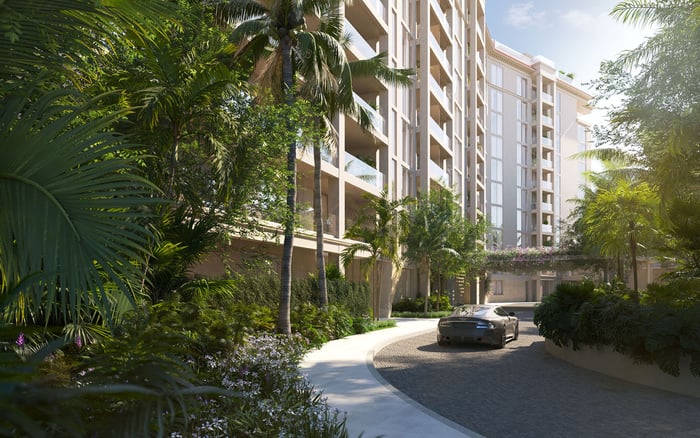
Specialized buildings can be among the most compelling residences in South Florida. They may be boutique in scale, branded by hospitality names, designed around wellness, shaped for yachting, or positioned as resort-style vertical estates. Their appeal is specific by design. That specificity can create pricing power when it matches a durable buyer pool, but it can also narrow the market if the concept is too personal, too operationally complex, or too dependent on fashion.
Resale liquidity is not simply whether a home can sell. It is the ease, speed, and confidence with which a qualified buyer can understand its value. A residence that photographs beautifully but requires a long explanation may be less liquid than a quieter home in a building whose appeal is clear the moment the doors open.
Chicago buyers often arrive with refined high-rise instincts. They understand doormen, views, garage access, elevator service, association culture, and the difference between a trophy address and a trophy apartment. Those instincts remain valuable in South Florida, but the inputs change.
Here, the buyer pool may include seasonal residents, international families, tax-motivated relocations, boating households, wellness buyers, and executives who want immediate access to airports, dining, schools, or private clubs. A specialized building must be legible to those audiences. If the concept is too narrow, future demand can feel thin. If it aligns with South Florida’s most repeatable preferences, the building can hold attention even when the broader market becomes selective.
The Chicago lakefront buyer who values quiet service may find a similar emotional logic in Miami Beach, where privacy, beach access, and architecture can matter as much as square footage. A buyer accustomed to the Loop or River North may gravitate toward Brickell, where the urban rhythm feels more familiar. A buyer trading winter for oceanfront calm may study Sunny Isles Beach, where vertical beachfront living is central to the market vocabulary.
A specialized building is not merely expensive. It has a defining thesis. That thesis might be design authorship, limited residence count, a hospitality brand, a private marina orientation, an unusual amenity program, or a highly curated service model.
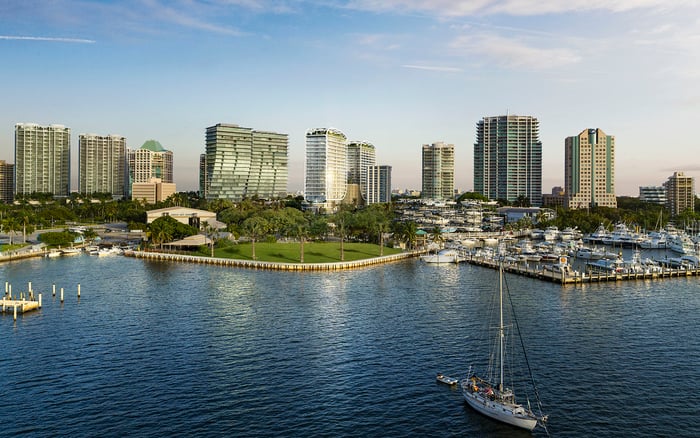
The most liquid version of specialization is easy to explain in one sentence. A buyer can understand it without a sales presentation. For example, a Brickell residence with a strong design identity and an urban luxury setting can speak to executives, international buyers, and second-home owners at once. In that context, The Residences at 1428 Brickell fits naturally into a conversation about recognizable address value, vertical living, and a future buyer pool that understands the neighborhood.
The least liquid version of specialization is an offering that depends on one buyer’s obsession. An amenity you rarely use, a floor plan that resists conventional furniture, or a service model that creates high carrying costs without broad appeal can become friction at resale. The goal is not to avoid character. The goal is to buy character the next qualified buyer will also value.
In South Florida, the building concept should amplify the location, not compensate for it. A branded lobby, dramatic pool deck, or rare amenity package may attract attention, but liquidity is usually strongest when the surrounding area has its own demand drivers.
Brickell offers a dense urban proposition. It is convenient for buyers who want dining, work, finance, and residential towers in a walkable setting. For a Chicago buyer accustomed to an active downtown lifestyle, St. Regis® Residences Brickell may read less like a departure and more like a warmer, more resort-oriented version of familiar city living.
Miami Beach is different. The value proposition is emotional, architectural, and lifestyle-driven. Buyers should study access, privacy, approach, view corridors, and whether the building’s identity feels timeless rather than seasonal. A project such as The Perigon Miami Beach belongs in that discussion because the area’s appeal is not just a unit decision. It is a beach, design, and daily-life decision.
Sunny Isles Beach can appeal to buyers who want oceanfront vertical living with a strong building identity. In that setting, liquidity often depends on how the residence balances drama with usability. St. Regis® Residences Sunny Isles is the kind of name a buyer may compare when considering how branded residences translate into beachfront ownership.
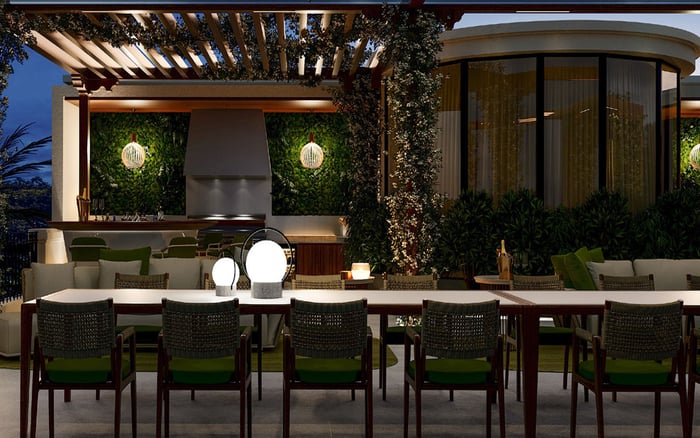
In a specialized building, the residence itself must remain broadly usable. The most liquid floor plans tend to be intuitive: clear arrival, well-proportioned entertaining space, separated bedroom areas, outdoor space that feels connected to the interiors, and storage that supports real life.
Buyers relocating from Chicago should be careful not to overpay for spectacle while underweighting everyday function. A dramatic terrace matters only if it is usable. A panoramic view matters more when the primary rooms actually capture it. A large residence can still feel illiquid if the layout asks too much of the next owner.
For resale, the safest luxury is not generic. It is flexible. A den that works as an office, guest room, or media space can widen the buyer pool. A secondary bedroom that feels genuinely private can matter for visiting family. A kitchen that supports both entertaining and quiet daily use may travel better across buyer profiles than a purely showpiece plan.
Liquidity lives in the documents as much as in the view. Before committing, buyers should understand rental rules, pet policies, renovation procedures, financing limitations, transfer requirements, service charges, and any restrictions that might affect the next purchaser.
Rules are not bad. In luxury buildings, they often preserve privacy and consistency. But rules that reduce the eligible buyer pool should be priced into the decision. A building with strict use limitations may be ideal for a full-time resident seeking serenity. It may be less flexible for a buyer who expects seasonal use or optional rental income.
Association culture also matters. A polished building with clear communication, disciplined maintenance, and predictable governance is easier to defend at resale. A buyer should ask not only whether the building is beautiful today, but whether it is managed in a way that will still feel desirable when it is time to sell.
A specialized building in Surfside, Brickell, Boca Raton, or Fort Lauderdale may attract very different future buyers. The same amenity can be liquid in one submarket and peripheral in another. Boating access, for instance, may carry more emotional weight where boating is part of the local identity. Ultra-urban dining access may matter more in a dense core. Wellness may be compelling when the building’s entire service culture supports it, not when it is merely a label.
Buyers considering a quieter coastal environment might study how limited-scale projects create privacy and scarcity. In Surfside, The Delmore Surfside can be viewed through that lens: not as a universal answer, but as an example of how a highly specific setting may appeal to buyers seeking discretion over volume.
The more specialized the building, the more important the comparison set becomes. Do not compare only by price per square foot or bedroom count. Compare by who the likely next buyer is. A residence that appeals to three different affluent buyer profiles may be more liquid than one that appeals intensely to only one.
Before choosing a South Florida home in a specialized building, apply a simple filter. First, can the building’s concept be explained clearly and elegantly? Second, does the location already have independent demand? Third, does the floor plan work for more than one lifestyle? Fourth, are the rules and costs understandable to the next buyer? Fifth, is the building’s identity likely to age well?
If the answer is yes across most of those questions, specialization becomes an asset. It gives the property narrative, scarcity, and emotional pull. If the answers are uneven, specialization may become a resale obstacle dressed as luxury.
For Chicago buyers, the best South Florida purchase is not necessarily the most dramatic residence. It is the one where arrival and exit are both considered with discipline. The home should feel personal while remaining legible to the next owner, private without becoming obscure, and distinctive without depending on novelty.
What does resale liquidity mean in a specialized building? It means how easily a future buyer can understand, value, finance, and commit to the residence when it is time to sell.
Are specialized buildings riskier for resale? Not automatically. They can be highly compelling when the concept aligns with durable demand and the residence remains practical.
Should Chicago buyers prioritize Brickell or the beach? The better choice depends on lifestyle and likely future buyer pool. Brickell often suits urban living, while beach areas emphasize privacy, views, and resort rhythm.
Do branded residences always improve liquidity? A brand can help when service, design, and operations support the promise. The name alone should not replace careful due diligence.
Is boutique scale better than a larger tower? Boutique buildings can feel private and rare, but liquidity depends on location, governance, floor plan, and how many buyers want that level of intimacy.
How important are rental rules for resale? Very important. Rules can preserve exclusivity, but they can also narrow the buyer pool if future owners want flexibility.
What floor plans tend to be more liquid? Clear, flexible layouts with usable outdoor space, separated bedrooms, and rooms that support multiple lifestyles usually travel well.
Should buyers avoid unusual amenities? Not necessarily. The amenity should feel useful, well-maintained, and relevant to the building’s likely future buyers.
How should a buyer compare two specialized buildings? Compare the next likely buyer, not just finishes or amenities. The broader and clearer the audience, the stronger the liquidity case.
What is the safest mindset for a Chicago-to-Miami purchase? Buy for the life you want, but underwrite the exit. A beautiful residence should also be easy for the next qualified buyer to understand.
For a discreet conversation and a curated building-by-building shortlist, connect with MILLION.
If branded residences are on your mind — as a home or as an allocation — we would be glad to share what we are seeing, privately.
Begin a quiet conversation